Angus Ribeye Steak: Cast Iron Sear
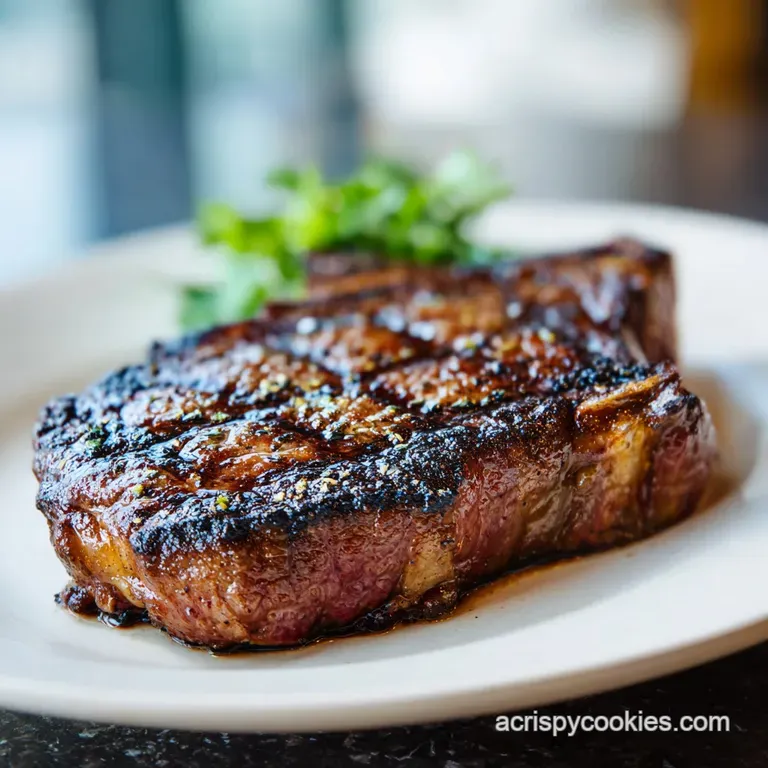
- Time: Active 10 minutes, Passive 50 minutes, Total 1 hours
- Flavor/Texture Hook: Rich, beefy interior with a mahogany, salt crusted exterior
- Perfect for: Anniversary dinners or recreating high end steakhouse results at home
- Master the Perfect Angus Ribeye Steak
- The Physics of the Mahogany Crust
- Essential Recipe Specifications
- Selecting Premium Ingredients
- Tools for Steak Success
- Step-by-Step Cooking Process
- Solving Common Cooking Issues
- Flavor and Diet Variations
- Storing and Reheating Tips
- Best Sides for Steak
- Myths Regarding Steak Preparation
- Adjusting for Different Batch Sizes
- Very High in Sodium
- Recipe FAQs
- 📝 Recipe Card
Master the Perfect Angus Ribeye Steak
I still remember the first time I splurged on a beautiful Angus Ribeye Steak. I was so nervous about "messing it up" that I hovered over the pan, flipping it every thirty seconds like a frantic pancake. The result? A sad, gray piece of meat that tasted more like a boiled gym shoe than a $50 luxury cut.
It was a total heartbreak, but it forced me to become a flavor detective to figure out exactly what the pros do differently.
The secret isn't fancy equipment or a secret spice blend; it's all about moisture management and heat. When you drop a damp steak into a lukewarm pan, you aren't searing you're steaming.
I've spent years testing the balance of salt, timing, and fat to ensure every bite has that signature sizzle and deep, savory aroma that fills the whole house. We're going to build layers of flavor starting with a dry surface and ending with a fragrant, garlic infused butter bath.
The Physics of the Mahogany Crust
Surface Dehydration: Salt draws moisture out then reabsorbs it, breaking down muscle fibers while drying the exterior for a faster sear.
The Maillard Reaction: High heat transforms amino acids and sugars into hundreds of flavor compounds, creating that distinct brown crust and savory aroma.
Carryover Thermodynamics: Internal energy continues to cook the steak after it leaves the pan, typically raising the temperature by 5 to 10 degrees.
| Thickness | Internal Temp | Rest Time | Visual Cue |
|---|---|---|---|
| 1 inch | 130°F (Medium Rare) | 5 minutes | Warm red center |
| 1.5 inches | 130°F (Medium Rare) | 8 minutes | Deep pink, juicy middle |
| 2 inches | 130°F (Medium Rare) | 10 minutes | Edge to edge pink |
Giving the meat time to rest is probably the hardest part of the whole process because the smell of the rosemary and butter is so tempting. However, if you slice it too soon, all those precious juices will end up on the cutting board instead of inside the steak.
Patience here is the difference between a dry dinner and a silky, melt in-the mouth experience.
Essential Recipe Specifications
When we look at the logistics of this Angus Ribeye Steak, the ratio of fat to heat is our primary concern. This isn't a "fast" recipe in terms of preparation, even though the actual time in the pan is under ten minutes.
Most of your "work" is actually just letting the salt do its job while the meat comes to room temperature.
| Category | Classic Method | Fast Method | Impact on Flavor |
|---|---|---|---|
| Prep Time | 50 mins (Dry Brine) | 5 mins (Immediate) | Classic provides deeper seasoning |
| Fat Used | Butter Baste | Oil Only | Classic adds nutty, aromatic layers |
| Temperature | Room Temp Start | Cold Start | Classic ensures even, pink center |
If you are in a rush, you can skip the long room temperature rest, but be prepared for a slightly larger "gray band" under the crust. For the absolute best results, I always recommend the classic approach. It allows the fat inside the ribeye to soften slightly before it ever hits the heat.
Selecting Premium Ingredients
For the Main Protein
2 (1.5 inch thick) Angus ribeye steaks (15 oz each): Look for heavy marbling those white flecks of fat are where the flavor lives. Why this? Angus beef has consistent marbling which melts during cooking for a buttery texture.
For the Essential Dry Brine
2 tsp Kosher salt: The coarse grains are easier to distribute evenly than fine table salt. Why this? It penetrates the meat deeply without making the exterior overly salty.
1 tsp Freshly cracked black pepper: Use a coarse grind to provide little pops of heat and texture. Why this? Pre ground pepper lacks the volatile oils that provide real aroma.
For the over High heat Sear
2 tbsp Avocado oil: This oil can handle the heat without breaking down or tasting bitter. Why this? It has a high smoke point of about 520°F.
For the Aromatic Butter Baste
3 tbsp Grass fed butter: Higher fat content and better flavor than standard butter. Why this? It creates a rich, nutty sauce that coats the steak.
4 cloves Garlic, smashed: No need to mince; we just want the oils to infuse the butter. Why this? Smashed cloves won't burn as easily as minced garlic.
3 sprigs Fresh Thyme: Adds a subtle, earthy backbone to the rich beef. Why this? Fresh herbs survive the hot butter better than dried ones.
1 sprig Fresh Rosemary: A powerful aromatic that cuts through the heavy fat of the ribeye. Why this? It provides a classic steakhouse fragrance.
Tools for Steak Success
The most important piece of gear here is a heavy bottomed pan, ideally cast iron. Cast iron holds onto heat like a battery; when you drop a cold ish steak onto it, the temperature doesn't plummet. This ensures the sizzle stays constant rather than turning into a simmer.
You'll also want a pair of long handled tongs to stay away from any oil splatters. A digital meat thermometer is non negotiable for me guessing the doneness by "poking" the meat is a recipe for disappointment.
Finally, a large spoon is essential for the butter basting phase, which is where we really build that restaurant quality finish.
| Ingredient | Science Role | Pro Secret |
|---|---|---|
| Kosher Salt | Protein Denaturation | Season at least 45 mins early to dry the surface. |
| Avocado Oil | Heat Transfer | Wait for wisps of smoke before adding the meat. |
| Cold Butter | Emulsification | Add at the end so milk solids brown but don't burn. |
Chef's Tip: If you don't have a cast iron skillet, a heavy stainless steel pan works, but avoid non stick at all costs. High heat can damage non stick coatings and they don't produce a proper crust.
step-by-step Cooking Process
1. Prepare the Surface
Pat both sides of your Angus Ribeye Steak completely dry with paper towels. Note: Moisture is the enemy of a good sear.
2. Season and Brine
Apply the salt and pepper liberally to all sides, including the fatty edges. Let it sit at room temperature for 45 minutes until the salt has fully dissolved and the meat looks "sweaty" then dry again.
3. Heat the Pan
Place your skillet over high heat and add the avocado oil. Heat until the oil is shimmering and faint wisps of smoke appear.
4. The Initial Sear
Carefully lay the steaks into the pan, laying them away from you to avoid splashes. Press down lightly with tongs for 3 minutes until a dark, mahogany crust forms on the bottom.
5. Flip and Build
Flip the steaks and cook for another 2 minutes. Lower the heat to medium high until the sizzle calms down slightly.
6. The Butter Baste
Add the butter, garlic, thyme, and rosemary to the pan. Tilt the skillet slightly so the melting butter pools with the aromatics.
7. Spoon and Coat
Use a large spoon to rapidly pour the hot, foaming butter over the steaks for 2 to 3 minutes until the internal temperature reaches 125°F for medium rare.
8. Rest the Meat
Transfer the steaks to a warm plate or wooden board. Pour the remaining pan butter over them and let them rest for 10 minutes until the juices redistribute and the temperature hits 130°F.
Solving Common Cooking Issues
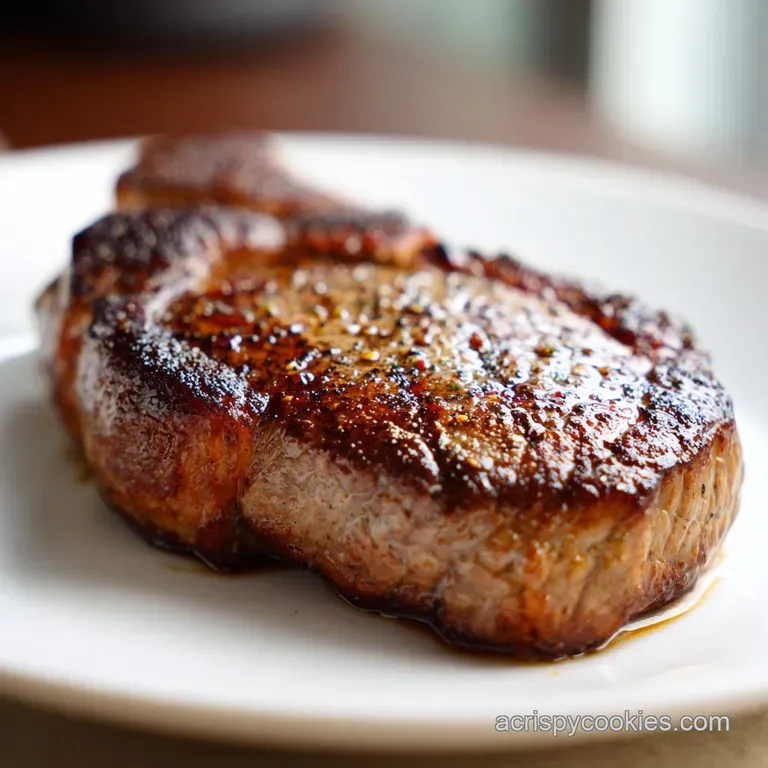
Why Your Steak is Gray
If you pull the meat out and it looks gray and lackluster, your pan wasn't hot enough, or the meat was too wet. The energy of the stove was spent evaporating surface water instead of browning the proteins. Next time, wait for that oil to smoke and use twice as many paper towels as you think you need.
Why the Pan is Smoking
A little smoke is normal, but if it's thick and acrid, you've likely used an oil with a low smoke point like extra virgin olive oil or butter too early. Stick to avocado or grapeseed oil for the initial sear, and only add the butter at the very end when you've lowered the heat.
| Problem | Root Cause | Solution |
|---|---|---|
| Bitter Flavor | Burnt garlic or herbs | Add aromatics only during the last 3 mins of cooking. |
| Tough Texture | No resting period | Rest for at least 8-10 mins to relax fibers. |
| Uneven Cooking | Steaks too cold | Ensure steaks sit out for 45 mins before hitting the pan. |
Common Mistakes Checklist
- ✓ Never use a cold pan; it must be searing hot before the meat touches it.
- ✓ Don't forget to sear the fat cap on the side of the ribeye for 30 seconds.
- ✓ Avoid moving the steak once it hits the pan; let the crust build undisturbed.
- ✓ Use a digital thermometer rather than relying on timing alone.
- ✓ Slice against the grain to ensure every bite is as tender as possible.
Flavor and Diet Variations
For a Spicy Peppercorn Twist
If you want a more aggressive flavor, try a "Cracked Pepper Crust." Use 1 tablespoon of very coarsely crushed black peppercorns instead of just 1 teaspoon. Press the pepper firmly into the meat after salting. This creates a crunchy, pungent layer that pairs incredibly well with the rich fat of the ribeye.
For a dairy-free Paleo Version
You can easily swap the grass fed butter for clarified butter (ghee) or even duck fat. Ghee actually has a higher smoke point than regular butter, so you'll get a very clean, nutty flavor without the risk of burning the milk solids.
This keeps the recipe strictly Paleo and Whole30 compliant while maintaining that luxurious basted finish.
Decision Shortcut
- If you want a deeper flavor, dry brine for 24 hours in the fridge uncovered.
- If you want a milder taste, skip the rosemary and use only garlic and thyme.
- If you want a thicker crust, use a heavy weight or another pan to press the steak down.
Storing and Reheating Tips
Leftover Angus Ribeye Steak is a gift from the food gods, but you have to handle it carefully to avoid overcooking it the second time around. Store it in an airtight container in the fridge for up to 3 days.
I don't recommend freezing a cooked steak if you can help it, as the texture can become grainy, but if you must, wrap it tightly in plastic wrap and then foil for up to 2 months.
To reheat, avoid the microwave at all costs it will turn your beautiful steak into rubber. Instead, place it in a 250°F oven until the internal temp reaches 110°F, then give it a very quick 30 second flash sear in a hot pan with a little butter.
For a zero waste tip, use the leftover steak fat and juices from the pan to sauté some mushrooms or onions the next day. Even the herb stems can be saved and tossed into a beef stock pot!
Best Sides for Steak
A heavy, fatty cut like this needs something to cut through the richness. I almost always serve this with something acidic or earthy. This Angus Ribeye Steak pairs beautifully with our Classic Mashed Potatoes recipe, which acts like a sponge for all that garlic rosemary butter we worked so hard on.
If you're looking for something a bit lighter, a simple arugula salad with lemon vinaigrette provides a sharp contrast to the beef. For a more traditional vibe, sautéed spinach with a splash of cream or roasted asparagus with shaved parmesan works wonders.
The goal is to provide a "palate cleanser" between those rich, savory bites of steak.
Myths Regarding Steak Preparation
One of the biggest misconceptions is that searing meat "seals in the juices." Science has proven this isn't true; moisture loss occurs regardless of the crust. The real reason we sear is for the Maillard reaction, which creates the flavor.
If we didn't sear, the steak would still lose moisture, it just wouldn't taste nearly as good.
Another common myth is that you should only flip a steak once. In reality, flipping more often can actually help the steak cook more evenly and faster. However, for this specific recipe, I stick to a limited flip method because we want to build a very specific, thick crust on both sides before we start the butter basting process.
It's more about crust architecture than just heat transfer.
Adjusting for Different Batch Sizes
When you want to scale this recipe down for one person, the instructions remain identical, but you'll want to use a smaller skillet. Using a massive pan for one steak can cause the butter and oil to burn in the empty spaces. If you're cutting the recipe in half, just use a 10 inch skillet instead of a 12 inch one.
Scaling up for a crowd is where things get tricky. Never crowd the pan if the steaks are touching, the temperature will drop and they'll steam. Work in batches of two, keeping the first set in a low 200°F oven while you finish the rest.
For the salt and spices, you don't need to double them exactly; use about 1.5x the amount and season by sight to ensure you don't over salt the meat.
Very High in Sodium
1240 mg mg of sodium per serving (54% % of daily value)
The American Heart Association recommends limiting sodium intake to about 2,300mg per day for optimal health.
Tips to Reduce Sodium in Your Ribeye Steaks
-
Reduce Salt by Half-25%
Halve the amount of Kosher salt used. Instead of 2 tsp, use only 1 tsp for both steaks. This makes a big difference in sodium content. Consider a salt substitute or a low sodium salt.
-
Skip Salting Entirely-25%
Omit the Kosher salt completely and rely on the other flavorful ingredients like garlic, thyme, and rosemary. Pat the steaks dry with paper towels to promote browning.
-
Unsalted Butter-5%
Use unsalted butter instead of grass fed butter. This can reduce the amount of sodium by a small amount, as butter can contain sodium. You may need to add a very small pinch of salt to compensate for flavor, but far less than what the recipe originally calls for.
-
Flavor with Herbs & Spices
Enhance flavor with a variety of herbs and spices like smoked paprika, garlic powder (not garlic salt!), onion powder, dried oregano, or chili powder. These additions provide flavor without adding sodium.
Recipe FAQs
Is Angus ribeye steak good?
Yes, Angus ribeye is highly regarded. It comes from cattle selectively bred for superior marbling, which melts during cooking, resulting in exceptional tenderness and rich, beefy flavor.
What is the best way to cook an Angus ribeye?
Use a high heat cast iron sear followed by a butter baste. This two-step method develops a deep, mahogany crust via the Maillard reaction while allowing you to control the internal temperature for a perfect pink center.
What are the 5 levels of steak doneness?
The standard levels are rare, medium rare, medium, medium well, and well done. Medium rare (130°F) is generally recommended for ribeye to balance tenderness with rendered fat.
What is the unhealthiest cut of steak?
The unhealthiest cuts are typically the highest in saturated fat. While ribeye is rich, cuts like heavily marbled Wagyu or extra fatty short ribs contain significantly more saturated fat per ounce.
How do I ensure a perfect, salty crust on my ribeye?
Dry brine the steak with kosher salt for at least 45 minutes before cooking. The salt draws out moisture, dissolves, and then dries the exterior surface, setting the stage for a superior sear.
Should I sear the steak immediately after seasoning?
No, wait until the salt has dissolved and the surface looks dry again. If you sear immediately, the moisture on the surface will steam the meat rather than brown it, leading to a gray band.
Why is resting the steak after cooking crucial?
Resting allows muscle fibers to relax and redistribute internal juices. Slicing too early forces the moisture out onto the cutting board, resulting in a significantly drier steak experience.
Angus Ribeye Steak Sear
Ingredients:
Instructions:
Nutrition Facts:
| Calories | 1148 kcal |
|---|---|
| Protein | 84 g |
| Fat | 88 g |
| Carbs | 1.5 g |
| Fiber | 0.4 g |
| Sugar | 0.1 g |
| Sodium | 1240 mg |
