Authentic Jerk Seasoning Recipe
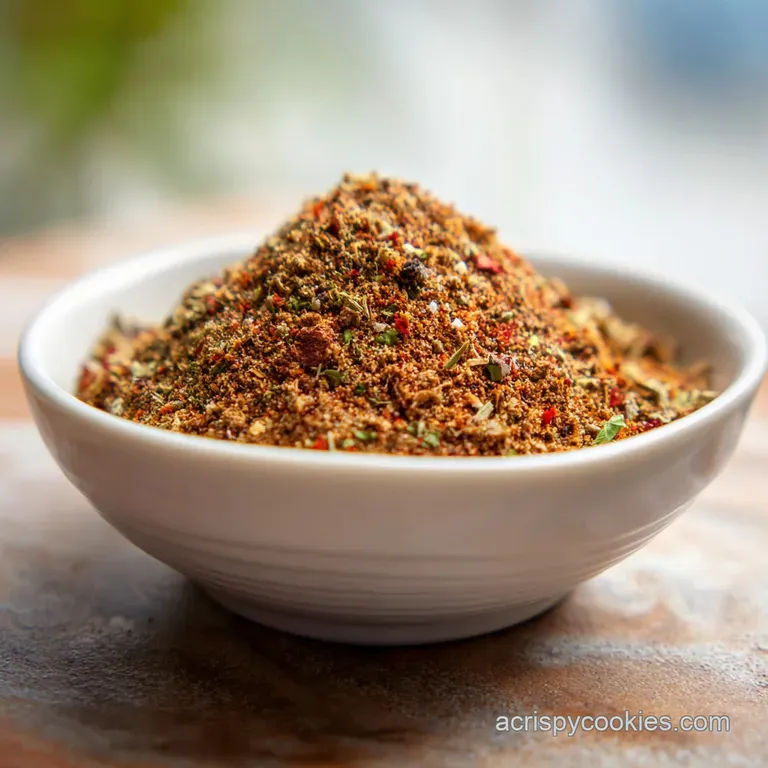
- Time: Active 10 minutes, Passive 0 minutes, Total 10 minutes
- Flavor/Texture Hook: Earthy, pungent, and citrusy with a lingering heat
- Perfect for: Weekend grilling, meal prep chicken, or bold roasted vegetables
- Unlocking the Bold Flavors of Jerk Seasoning
- The Science of Spice Synergy
- Precision Cookery and Texture Checkpoints
- Analyzing Core Caribbean Flavor Components
- Required Tools for Custom Blending
- Steps for Blending and Storage
- Solving Common Flavor Balance Issues
- Adaptations for Specific Dietary Needs
- Preserving Freshness and Potency Tips
- Creative Applications for Your Blend
- High in Sodium ⚠️
- Jerk Seasoning FAQs
- 📝 Recipe Card
Unlocking the Bold Flavors of Jerk Seasoning
The first time I stood next to a roadside barrel grill in Jamaica, the smell didn't just hit my nose, it wrapped around me like a humid blanket. It was a dizzying mix of sweet wood smoke, pungent pimento, and that unmistakable, eye watering sting of scotch bonnet peppers.
I spent years trying to bottle that specific magic, but my early attempts were always too salty or just tasted like generic "heat." I was missing the soul of the dish.
As a flavor detective, I realized most store-bought versions lean way too hard on salt and cheap chili powder. To really recreate that island profile, you have to treat the allspice as the star, not a background player.
This recipe is the result of countless trials, swapping sugars and adjusting the coarse grind to ensure every bite has that signature "bark." We've finally cracked the code, and you're going to love how this transforms a basic chicken thigh into something legendary.
The Science of Spice Synergy
The Synergy of Pimento Oils: Allspice contains high concentrations of eugenol, a compound that provides a warm, slightly numbing sensation on the tongue. This numbing effect works in tandem with the capsaicin in the peppers, allowing the palate to experience intense heat without the flavor becoming overwhelming or one dimensional.
Chef's Tip: Freeze your dried thyme for 10 minutes before rubbing it between your palms into the bowl. This shatters the dried leaves into a fine powder, releasing more volatile oils than if you just dumped them in whole.
Precision Cookery and Texture Checkpoints
| Protein Type | Thickness | Internal Temp | Rest Time | Visual Cue |
|---|---|---|---|---|
| Chicken Thigh | 2.5 cm | 74°C | 5 mins | Juices run clear |
| Pork Shoulder | 5 cm (steaks) | 63°C | 10 mins | Firm to the touch |
| Firm Tofu | 1.5 cm | N/A | 2 mins | Edges are golden |
When you are applying this blend, the goal is a crust that provides a satisfying shatter when you bite into it. If you're using a stovetop method, you'll see the coconut sugar begin to caramelize and darken quickly.
Don't panic - that dark color is where the deep, molasses like flavor lives, provided you don't let it actually burn to a bitter charcoal.
Analyzing Core Caribbean Flavor Components
| Ingredient | Science Role | Pro Secret |
|---|---|---|
| Ground Allspice | Primary aromatic | Always use a fresh bottle; the oils dissipate quickly once ground. |
| Coconut Sugar | Maillard facilitator | Provides a lower burn point than white sugar, aiding in a dark, rich crust. |
| Smoked Paprika | Color and depth | Mimics the traditional pimento wood smoke without needing a smoker. |
| Coarse Black Pepper | Heat bridge | Provides a slow release heat that fills the gaps between the cayenne stings. |
The foundation of any authentic jerk seasoning recipe rests on the quality of your allspice (pimento). In the Caribbean, they use the wood, the leaves, and the berries. Since most of us don't have a pimento tree in the backyard, we rely on a high ratio of ground berries to provide that woody, clove like backbone.
It’s the one ingredient you absolutely cannot skip or skimp on if you want that authentic Jamaican jerk seasoning profile.
Mastering the Pimento Ratio
I once made the mistake of thinking allspice was just another baking spice, like cinnamon. I was wrong. In this blend, it acts as the anchor. If you find the flavor too "Christmasy," it’s usually because your cayenne or black pepper isn't strong enough to balance it out.
The ratio in this recipe is designed to ensure the savory notes of the onion and garlic powder hit first, followed by the woodsy allspice, and finally, the creeping heat of the peppers.
Synergizing Heat and Herb
Dried thyme is often overlooked, but it provides a floral, grassy note that cuts through the heavy spice. I prefer using a whole leaf dried thyme and crushing it manually. This ensures the herb doesn't just disappear into the dust of the other powders.
When you smell the finished blend, the thyme should be the light, high note that floats above the heavy bass of the allspice and garlic.
Required Tools for Custom Blending
You don't need a high tech lab to make a world class rub, but a few specific items help with consistency. A digital scale is your best friend if you want to be precise, though tablespoon measurements work well for this specific volume.
I highly recommend using a glass jar for storage, as the oils in the cayenne and allspice can actually stain and scent plastic containers permanently.
If you want to go the extra mile, a mortar and pestle is superior to a spice grinder for this job. A grinder often turns everything into an identical silt. The mortar and pestle allow you to keep the red pepper flakes and black pepper slightly coarser, which creates a much better texture on the surface of the meat.
It’s that textural variety that makes the crust feel "pro" rather than "packaged."
Steps for Blending and Storage
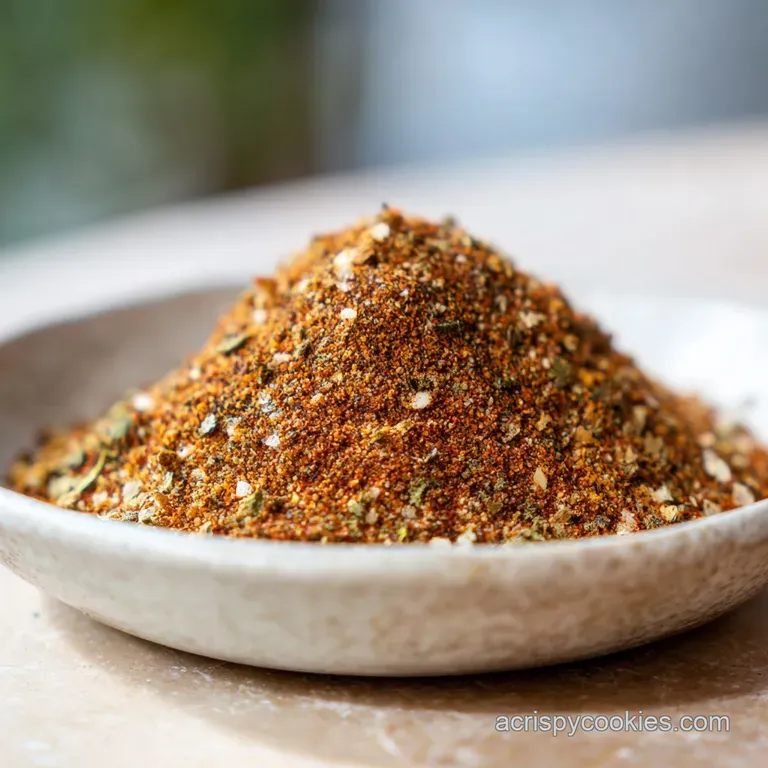
- Whisk the base. Combine the 4 tbsp onion powder and 2 tbsp garlic powder in a ceramic bowl. Note: Using a whisk breaks up any clumps for a silky distribution.
- Incorporate the herbs. Rub the 2 tbsp dried thyme between your palms into the bowl until the aroma becomes pungent.
- Add the anchor. Stir in the 1 tbsp ground allspice and 1 tbsp smoked paprika.
- Build the heat. Add 1 tbsp cayenne pepper and 1 tbsp crushed red pepper flakes. Note: The flakes provide localized "hot spots" that make the flavor more dynamic.
- Season for depth. Incorporate 1 tbsp coarse black pepper and 2 tbsp sea salt.
- Balance with sugar. Mix in the 1 tbsp coconut sugar and 1 tsp ground cinnamon.
- Final aromatic touch. Grate the 1 tsp ground nutmeg into the mixture.
- Analyze the texture. Pulse the mixture in a spice grinder for exactly 3 seconds until the blend looks like coarse sand.
- Jar and seal. Transfer the mixture to a clean glass jar.
- Label and date. Ensure the lid is airtight to prevent the sugar from clumping.
| Method | Time | Texture | Best For |
|---|---|---|---|
| Stovetop Sear | 12-15 mins | Crispy, charred edges | Quick weeknight chicken breasts |
| Oven Roasting | 25-30 mins | Velvety, uniform crust | Large batches or bone in thighs |
The stovetop method is brilliant for getting a quick, aggressive char, but be mindful of the sugar content. If the pan is too hot, the sugar will burn before the meat is cooked through. I often start on the stovetop to get that sizzle and then finish in the oven to ensure even cooking.
It’s a hybrid approach that truly mimics the "pit" experience.
Solving Common Flavor Balance Issues
Why Your Rub Tastes Bitter
If your blend has a metallic or bitter aftertaste, it’s usually one of two things: either your spices are ancient, or the paprika has scorched. Paprika contains a lot of natural sugar and can turn bitter in seconds if exposed to high, dry heat without enough fat.
Always ensure your pan has a light coating of oil before the seasoned protein hits the surface.
Why Your Rub Feels Dusty
Sometimes a dry rub can feel like you're eating flavored chalk. This happens when the spices haven't had a chance to "bloom" in fat. To fix this, you can transform this into a jerk seasoning paste by mixing 3 tablespoons of the dry blend with a little lime juice and neutral oil.
Let it sit for 20 minutes before applying. This hydrates the powders and creates a more velvety mouthfeel.
| Problem | Root Cause | Solution |
|---|---|---|
| Muted Flavor | Stale allspice berries | Toast whole berries before grinding for the blend. |
| Excessive Saltiness | Using fine table salt | Swap for coarse sea salt or reduce salt by 25%. |
| Gritty Texture | Large pepper flakes | Pulse the finished blend briefly in a grinder. |
Common Mistakes Checklist:
- ✓ Avoid using "onion salt" instead of onion powder, or your blend will be inedible.
- ✓ Don't skip the sugar; it is essential for the chemical reaction that creates the dark crust.
- ✓ Never store your spice jar above the stove where heat and steam will ruin the volatile oils.
- ✓ Pat your meat completely dry before applying the rub to prevent the spices from "steaming."
- ✓ Let the seasoned meat sit for at least 30 minutes to allow the salt to penetrate the fibers.
Adaptations for Specific Dietary Needs
| Original Ingredient | Substitute | Why It Works |
|---|---|---|
| Coconut Sugar | Brown Sugar | Similar molasses notes. Note: Burns slightly faster than coconut sugar. |
| Cayenne Pepper | Chipotle Powder | Adds more smoke but less sharp heat. |
| Sea Salt | Potassium Chloride | Works for low sodium diets. Note: Can have a slight metallic finish. |
If you are looking for a jerk marinade recipe variation, simply whisk 4 tablespoons of this dry blend with 60ml of soy sauce, 30ml of oil, and the juice of two limes. This version is better for tougher cuts of meat like pork loin or flank steak, as the acidity helps break down the connective tissue while the spices penetrate deeper into the protein.
Preserving Freshness and Potency Tips
Store your homemade jerk seasoning in a cool, dark cupboard. Light is the enemy of flavor! The cayenne and paprika will lose their vibrant red color and turn a dull brown if left on a sunny countertop. In a sealed glass jar, this blend will stay potent for 6 months, though I bet you'll use it all way before then.
To reduce waste, if you have a jar that is nearly empty, don't just wash it out. Pour in 100ml of olive oil and a splash of vinegar. Shake it up to grab all those leftover spice particles at the bottom.
You’ve just made a "zero waste" jerk vinaigrette that is incredible over a simple kale salad or roasted sweet potatoes. It's a flavor detective's trick for making sure every gram of those spices gets used.
Creative Applications for Your Blend
While best jerk chicken seasoning is the primary goal, don't limit yourself to poultry. This blend is a secret weapon for roasted root vegetables. Toss some cubed butternut squash or sweet potatoes in a little oil and a heavy dusting of the seasoning.
The natural sugars in the vegetables play beautifully with the cinnamon and nutmeg in the rub.
Decision Shortcut: If you want X, do Y If you want a "stickier" bark, add an extra tablespoon of coconut sugar to the blend. If you want a milder "family friendly" version, cut the cayenne pepper in half. If you want a traditional "wet" feel, mix the rub with fresh minced scallions and lime juice.
You can also use this as a "jerk chicken rub" for the air fryer. The high velocity air does a fantastic job of crisping up the skin while the spices form a concentrated crust. Just make sure to spritz the seasoned chicken with a little oil spray to prevent the spices from blowing off the meat and into the heating element.
It's an unconventional way to get that Caribbean flavor in under 20 minutes without firing up the grill.
Reviving Flat Flavors
If you've had a jar sitting for a few months and it feels like it has lost its punch, you can "wake it up" by tossing the amount you need into a dry pan over medium heat for 60 seconds. The heat coaxes the remaining oils to the surface.
It won't be as vibrant as a fresh batch, but it's a great way to ensure you're getting the most out of your pantry staples. Trust me, once you start making your own Jamaican jerk seasoning, you'll never go back to those dusty yellow tins from the supermarket.
It’s all about that investigation into the right ratios!
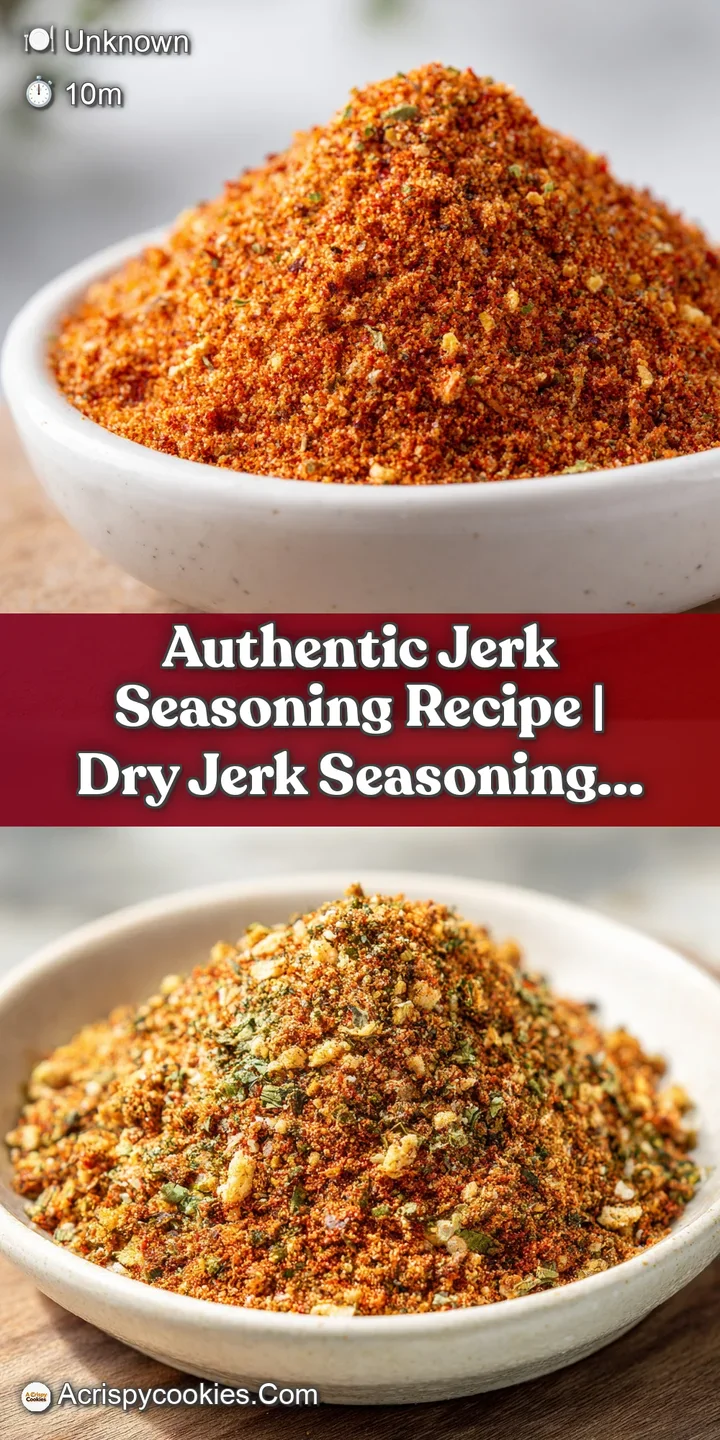
High in Sodium ⚠️
875 mg mg of sodium per serving (38% % of daily value)
The American Heart Association recommends limiting sodium intake to about 2,300mg per day for optimal health.
Sodium Reduction Tips
-
Reduce Sea Salt-25%
Sea salt is still salt. Reduce the amount of sea salt by half (1 tbsp) to significantly decrease the sodium content. This will reduce the sodium considerably while maintaining some flavor. Consider using a salt substitute for a portion of the salt.
-
Herb Infusion-10%
Instead of using salt to add depth to the dish, add fresh herbs like oregano or basil after cooking. This will enhance the overall flavor and reduce your reliance on salt.
-
Spice It Up-5%
Enhance the flavor profile using the existing spices like cayenne pepper, smoked paprika, or crushed red pepper flakes, which can help to distract from the reduced salt content. Ensure you aren't sensitive to the spices first!
-
Adjust to Taste
Gradually reduce the salt in future batches to see how much you can cut back without sacrificing flavor. The spices themselves can contribute to the overall taste profile.
Jerk Seasoning FAQs
What is jerk seasoning made of?
The core components are allspice (pimento), Scotch bonnet peppers, thyme, onion powder, garlic powder, and often brown or coconut sugar. This blend relies on the woody warmth of allspice balancing the sharp heat of the peppers for the classic profile.
What are the three main ingredients of jerk?
Allspice (pimento), Scotch bonnet peppers, and coarse salt are the defining trio. Allspice provides the essential woody, clove like foundation that distinguishes jerk from other spicy rubs.
What is the closest thing to jerk seasoning?
A heavy application of good quality allspice combined with cayenne or habanero powder is the closest flavor substitute. However, nothing fully replicates the unique numbing effect provided by the high eugenol content in genuine pimento berries.
How to make the best Jamaican Jerk Seasoning?
Ensure your allspice is freshly ground or use a high-quality pre-ground product. Toasting the whole spices lightly before grinding releases the maximum amount of volatile oils, leading to a more potent and aromatic rub.
Is using only pre-ground spices acceptable for a good result?
No, while convenient, relying solely on pre-ground spices results in a muted flavor. Whole spices, especially allspice and thyme, should be freshly crushed or ground just before mixing to maximize aromatic impact.
Why does my homemade jerk taste too salty?
You likely used fine table salt instead of coarse sea salt or did not properly balance the salt against the sugar and heat elements. Reduce the salt content by 25% next time and ensure you are using coarse salt for better texture dispersion.
Should I use wet or dry ingredients when applying the rub?
Start with the dry rub, then optionally add moisture before cooking. Pat the protein completely dry, apply the dry rub, let it rest for 30 minutes, and then bind it to the meat with a thin coat of oil or lime juice for better adhesion.
Authentic Jerk Seasoning Rub
Ingredients:
Instructions:
Nutrition Facts:
| Calories | 23 kcal |
|---|---|
| Protein | 0.8 g |
| Fat | 0.3 g |
| Carbs | 4.7 g |
| Fiber | 0.8 g |
| Sugar | 0.7 g |
| Sodium | 875 mg |
