Homemade Roast Potatoes: Crispy and Golden
- Time: Active 15 minutes, Passive 50 minutes, Total 65 minutes
- Flavor/Texture Hook: Shatter crisp golden crust with a velvety, whipped style interior
- Perfect for: High end Sunday dinners, holiday sides, or when you want restaurant quality results
- The Secret to Perfect Homemade Roast Potatoes
- Why This Recipe Actually Works
- Essential Ingredients for Better Potatoes
- Tools for Maximum Potato Crunch
- Step-By-Step Cooking Guide
- Fixing Common Roast Potato Mistakes
- Scaling for Large Groups
- The Truth About Potato Prep
- Storing and Using Your Leftovers
- Best Dishes to Serve Alongside
- Recipe FAQs
- 📝 Recipe Card
The Secret to Perfect Homemade Roast Potatoes
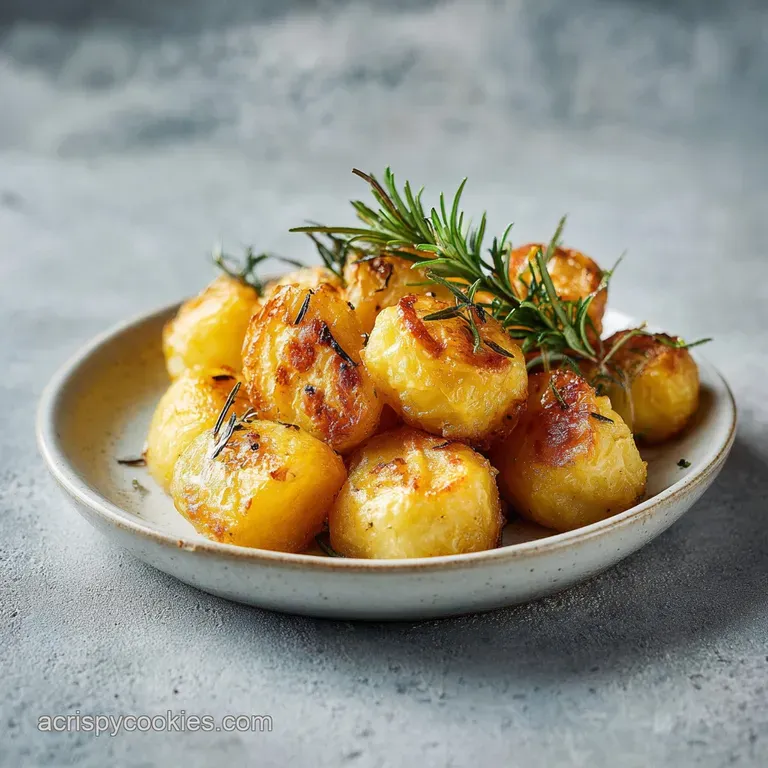
Imagine the sound of a heavy knife slicing through a potato that has been roasted until the skin mimics a glass like pane. There is a distinct, sharp crack, followed by the sight of steam rising from a center so soft it looks like it was whipped with butter. That is the gold standard I was chasing.
I spent years getting frustrated by roasties that were either leathery on the outside or, even worse, soggy from sitting in too much oil. The breakthrough happened when I stopped treating the potato like a vegetable and started treating it like a science project involving starch manipulation and thermal mass.
Getting that legendary crunch isn't about luck or a specific brand of oven. It's about creating a "micro layer" of potato mash on the surface of every single chunk before it ever touches the roasting pan. When we parboil the potatoes in alkaline water, we are essentially prepping them to explode with texture.
As you shake them in the pot, that softened exterior breaks down into a thick, starchy paste. Once that paste hits the hot oil in the oven, it dehydrates and fries into a million tiny, crispy peaks.
It is the same principle that high end restaurants use to get that "glass crust" finish, and it’s actually easier than the traditional "throw them in and hope" method.
This version of homemade roast potatoes is my absolute favorite because it doesn't rely on deep frying, yet it produces a result that is far more satisfying. We’re going to use rosemary and garlic infused oil to ensure the flavor is baked into every crevice, rather than just sprinkled on top at the end.
If you’ve ever wondered why your roasted spuds don't taste like the ones from a top tier steakhouse, this is the technique that closes that gap. We aren't just roasting; we are engineering the perfect bite.
Why This Recipe Actually Works
The Secret of Alkaline Water
Adding baking soda to the boiling water raises the pH level, which breaks down the potato’s pectin the glue that holds the cells together much faster than plain water. This creates a deeply fissured, starchy surface on the potato chunks.
When we later "rough them up," this surface transforms into a thick coating of mashed potato that roasts into an incredibly thick, crunchy crust.
Why the Oil Goes In Infused
Most people throw fresh herbs and garlic into the roasting pan, where they inevitably burn to a bitter charcoal within 15 minutes. By gently heating the garlic and rosemary in the oil first, then straining them out, we capture the aromatic oils.
We add the crispy, toasted bits back at the very end so they stay flavorful and bright rather than burnt.
The Power of Preheating the Pan
Putting cold potatoes on a cold tray is a recipe for sticking and steaming. By preheating the heavy duty roasting pan at 450°F (230°C), we initiate an immediate sear.
This "thermal shock" ensures the potatoes start crisping the second they hit the metal, preventing them from absorbing too much oil and becoming greasy.
| Method | Texture Result | Flavor Depth | Time Required |
|---|---|---|---|
| Traditional Raw Roast | Smooth, leathery skin | Mild potato flavor | 45 minutes |
| Standard Parboil | Thin crispy layer | Good but basic | 55 minutes |
| Alkaline Method | Shatter crisp, glass like crust | Intense, herb infused | 65 minutes |
This comparison highlights why the extra 10 minutes of parboiling with baking soda is the non negotiable step for anyone seeking that professional finish. The difference in the "crunch to fluff" ratio is undeniable once you see the way the starch reacts to the alkaline environment.
Ingredient Deep Dive
| Ingredient | Science Role | Pro Secret |
|---|---|---|
| Yukon Gold Potatoes | High starch, creamy texture | Use Russets for even more "fuzz" and crunch. |
| Baking Soda | pH adjustment | Only use 1 tsp; too much affects the flavor. |
| Extra Virgin Olive Oil | Fat medium for browning | Use duck fat for a richer, heavier crunch. |
Essential Ingredients for Better Potatoes
Finding the right spud is half the battle when making homemade roast potatoes. I prefer Yukon Golds because they have a naturally buttery flavor and hold their shape well, but if you want that extreme, craggy, pub style crunch, Russets are your best friend.
Russets are higher in starch and lower in moisture, which means they "rough up" into a thicker paste during the shaking process.
- 3 lbs Yukon Gold or Russet potatoes: Peeled and cut into uniform 2 inch chunks for even cooking. Why this? Uniformity ensures every piece finishes roasting at the exact same moment.
- 1 tsp baking soda: The catalyst for the alkaline breakdown. Why this? It creates the fuzzy surface area needed for a thick crust.
- 1 tbsp kosher salt: For the boiling water and seasoning. Why this? Salt seasons the potato from the inside out during parboiling.
- 1/3 cup extra virgin olive oil: Our roasting fat. Why this? Provides a high smoke point and excellent flavor conductivity.
- 4 garlic cloves: Smashed but kept whole. Why this? Smashed cloves release more oil than whole ones but won't burn as fast as minced.
- 2 sprigs fresh rosemary: For that classic woodsy aroma. Why this? Rosemary’s oils are heat stable and perfect for long roasting times.
- 1/2 tsp freshly cracked black pepper: For a sharp, biting finish.
- 1/2 tsp flaky sea salt: Added at the end for texture and pops of saltiness.
If you don't have fresh rosemary, you can use dried, but I’d suggest grinding it down a bit so it isn't "pine needly." If you are out of olive oil, beef tallow or duck fat are actually superior for crunch, though they make the dish much heavier. For a more classic feel, this dish pairs beautifully with a Sunday Roast recipe where the juices from the meat can mingle with the potatoes.
Tools for Maximum Potato Crunch
You don't need a high tech kitchen to master homemade roast potatoes, but the weight of your pan matters more than you’d think. A thin, flimsy baking sheet will warp at 450°F (230°C) and won't hold enough heat to crisp the bottom of the potatoes.
I always reach for a heavy duty, rimmed half sheet pan. The rim is essential because you’ll be tossing the potatoes in oil, and you don’t want that liquid gold sliding off into the bottom of your oven.
A large metal colander is also a secret weapon here. When you drain the potatoes, you want them to sit in the colander for a full 2 minutes to "steam dry." If they are still dripping wet when you add the oil, the water will steam in the oven instead of the oil frying the surface.
This is also where we do the "roughing up" a metal colander has a slightly abrasive surface that helps score the potatoes as you shake them, contributing to that all important starch paste.
step-by-step Cooking Guide
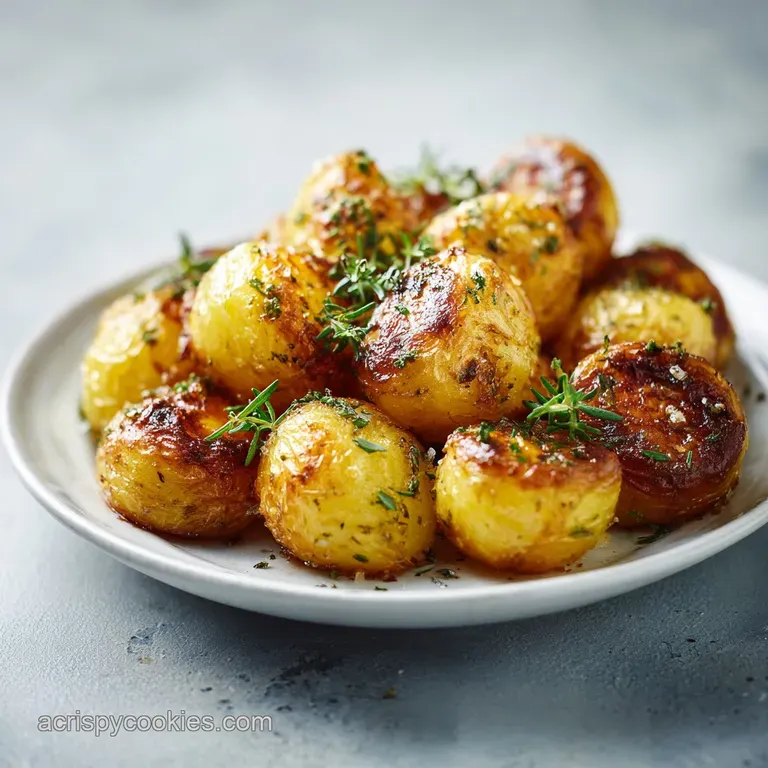
- Prep the spuds. Peel 3 lbs of potatoes and cut them into uniform 2 inch chunks. Place them in a large pot and cover with cold water by at least an inch. Note: Starting with cold water ensures the potatoes cook evenly from edge to center.
- Season the water. Add 1 tbsp kosher salt and 1 tsp baking soda to the pot. Stir once to dissolve.
- The alkaline parboil. Bring the water to a rolling boil over high heat. Reduce to a simmer and cook for approximately 10 minutes. Check until the exterior is soft and fuzzy but the centers are still firm when pierced with a knife.
- Infuse the aromatics. While the potatoes boil, place 1/3 cup EVOO in a small saucepan with 4 smashed garlic cloves and 2 sprigs of rosemary. Heat over medium until the garlic turns golden and smells intensely fragrant.
- Strain the oil. Pour the infused oil through a fine mesh strainer into a large bowl. Reserve the toasted garlic and rosemary for later do not throw them away!
- Steam dry the potatoes. Drain the potatoes into a colander and let them sit for 2 minutes. Wait until the surface looks matte and dry before moving to the next step.
- The rough up. Transfer the potatoes to the bowl with the infused oil. Shake the bowl vigorously until a thick, starchy paste coats every potato chunk.
- Preheat the tray. While shaking, ensure your oven and a heavy roasting pan are preheated to 450°F (230°C).
- The over high heat roast. Carefully spread the potatoes onto the hot tray. Roast for 20 minutes, then flip them over. Continue roasting for 25-30 minutes until they are deep mahogany brown and shatteringly crisp.
- The final flourish. Toss the hot potatoes with the reserved garlic, rosemary, and 1/2 tsp flaky sea salt. Serve immediately while the sizzle is still audible.
Chef's Tip: If the potatoes seem to be sticking when you try to flip them at the 20 minute mark, leave them for another 5 minutes. They will naturally release from the pan once a sufficient crust has formed.
Fixing Common Roast Potato Mistakes
Why Your Potatoes Are Soggy
The most common culprit for soggy homemade roast potatoes is overcrowding the pan. If the potatoes are touching or piled on top of each other, the moisture escaping from them has nowhere to go. It gets trapped, creating a steam room environment that softens the starch rather than frying it.
Always use a pan large enough to give every chunk at least a half inch of "breathing room."
Why They Stuck to the Pan
If you find yourself scraping half of the crispy crust off the pan, you likely didn't use enough oil or your pan wasn't hot enough when the potatoes went in. The oil acts as a barrier, and the high heat of a preheated pan creates an immediate "release layer." Also, using a parchment paper liner can help with sticking, but you will sacrifice about 15% of that deep, metallic sear crunch.
| Problem | Root Cause | Solution |
|---|---|---|
| Leathery Skin | Potatoes didn't parboil long enough | Boil until the exterior is noticeably "fuzzy" and soft. |
| Burnt Garlic | Garlic added too early | Infuse oil first, strain, and add garlic back at the end. |
| Pale Color | Oven temperature too low | Ensure your oven is at a true 450°F (230°C) before roasting. |
If you ever find that the inside is too firm even though the outside is perfect, you might have cut the chunks too large. Stick to that 2 inch rule! For a different texture profile, you might enjoy my Steakhouse Mashed Potatoes which focus on a completely smooth, silk like finish rather than the crunch we are building here.
Common Mistakes Checklist
- ✓ Never skip the baking soda; it's the difference between "roasted" and "crispy."
- ✓ Don't rush the steam drying step; moisture is the enemy of the crunch.
- ✓ Avoid using low smoke point fats like butter for the main roasting phase.
- ✓ Make sure the pan is preheated for at least 10 minutes before the potatoes hit it.
- ✓ Do not toss the potatoes mid roast more than once; they need contact time to brown.
Scaling for Large Groups
When you need to double this recipe for a holiday dinner, don't just throw twice as many potatoes on one tray. You must use two separate roasting pans. If you stack them, the potatoes on the bottom rack won't get the same direct heat, and the steam from the bottom tray will rise and soften the potatoes on the top tray.
I recommend swapping the positions of the trays halfway through the roasting time to ensure even browning.
- Scaling Down (1.5 lbs): Use a smaller quarter sheet pan. Reduce the parboiling time by 2 minutes as smaller batches of water can sometimes cook the exterior faster. Keep the oven temperature the same.
- Scaling Up (6 lbs): You will need two or three rimmed baking sheets. Use 2/3 cup of oil. When increasing the salt and pepper, increase them by 1.5x rather than doubling them to avoid over seasoning.
Decision Shortcut
- If you want extreme crunch: Use Russet potatoes and shake them until they look almost like they're falling apart.
- If you want a creamy center: Use Yukon Gold potatoes and parboil for exactly 10 minutes.
- If you are short on time: Cut potatoes into 1 inch chunks to reduce roasting time by 15 minutes (but watch them closely!).
The Truth About Potato Prep
One big myth is that you need to soak potatoes overnight to remove starch. While soaking is great for French fries, it’s actually counterproductive for homemade roast potatoes. We want that surface starch! It’s what creates the crust.
By boiling them with baking soda, we are releasing the starch and then drying it out, which is far more effective for roasting than trying to wash the starch away.
Another misconception is that "fat is fat." Many people think using a lot of oil will make the potatoes greasy. In reality, if the temperature is high enough (450°F / 230°C), the oil stays on the surface and fries the starch paste.
Greasiness only happens when the oven is too cold, allowing the potato to absorb the oil like a sponge.
Storing and Using Your Leftovers
Leftover homemade roast potatoes are a rare sight in my house, but they actually keep quite well in the fridge for up to 4 days. Store them in an airtight container once they have cooled completely. Whatever you do, do not use a microwave to reheat them.
The microwave will turn that beautiful crust into a chewy, rubbery mess.
For the best second day experience, use an air fryer at 400°F (200°C) for 5-7 minutes. It will bring back about 90% of that original shatter crisp texture. If you don't have an air fryer, a dry skillet over medium high heat works wonders.
For zero waste cooking, take any leftover small bits and skins and fry them in a pan with eggs for a world class breakfast hash. The concentrated rosemary and garlic flavor in those leftovers is actually better the next morning.
Best Dishes to Serve Alongside
These potatoes are the ultimate wingman for any protein heavy meal. Because they have such a distinct, aggressive crunch, they stand up well to dishes with lots of gravy or sauce. I love serving them next to a medium rare prime rib or a roasted chicken.
The rosemary notes in the potatoes naturally pull out the savory qualities of poultry and beef.
If you are looking for a lighter pairing, a bright, acidic green salad with a lemon vinaigrette helps cut through the richness of the roasted starch and oil. However, if you're going for the full "comfort food" experience, nothing beats a side of buttered peas or honey glazed carrots.
The sweetness of the vegetables provides a perfect contrast to the salty, garlicky punch of the homemade roast potatoes. They are versatile enough to be the star of the plate, but humble enough to let a great roast shine.
Recipe FAQs
How to make homemade roast potatoes?
Peel and cut 3 lbs of potatoes into 2 inch chunks, then boil them in salted water with 1 tsp of baking soda for 10 minutes. After steam drying, toss the potatoes in olive oil infused with garlic and rosemary, then roast on a preheated tray at 450°F (230°C) for 45 50 minutes, flipping halfway through.
Are you supposed to boil potatoes before roasting?
Yes, boiling is essential to achieve the right texture. It softens the exterior, allowing it to break down into a starchy paste when shaken, which later creates the signature crispy crust.
What is the secret to crispy roast potatoes?
The secret is using 1 tsp of baking soda in the boiling water and shaking the drained, softened potatoes vigorously to create a fuzzy, starchy surface. If you enjoyed mastering the precise searing technique for delicate proteins, you will appreciate how this starchy surface creates a durable, shatter crisp exterior during the high heat roast.
What is the best seasoning for roast potatoes?
Kosher salt, freshly cracked black pepper, and flaky sea salt are best. The flavor foundation is built by infusing the olive oil with smashed garlic and fresh rosemary before tossing the potatoes.
Can I use a different type of potato?
Stick to Yukon Gold or Russet varieties for the best results. These high starch potatoes break down perfectly during the boil to produce that ideal crispy, golden brown crust.
How should I reheat leftover roast potatoes?
Reheat them in an air fryer at 400°F (200°C) for 5 7 minutes to restore their crispness. Avoid the microwave, as it will cause the exterior to lose its crunch and become rubbery.
Is it true that I can roast them at a lower temperature to save time?
No, this is a common misconception. You must roast at 450°F (230°C) to ensure the exterior reaches a high enough temperature to become crisp before the center overcooks.
Crispy Homemade Roast Potatoes
Ingredients:
Instructions:
Nutrition Facts:
| Calories | 284 kcal |
|---|---|
| Protein | 4.6 g |
| Fat | 12.3 g |
| Carbs | 40.2 g |
| Fiber | 5.1 g |
| Sugar | 1.6 g |
| Sodium | 485 mg |
