Garlic Butter Crab Legs Recipe
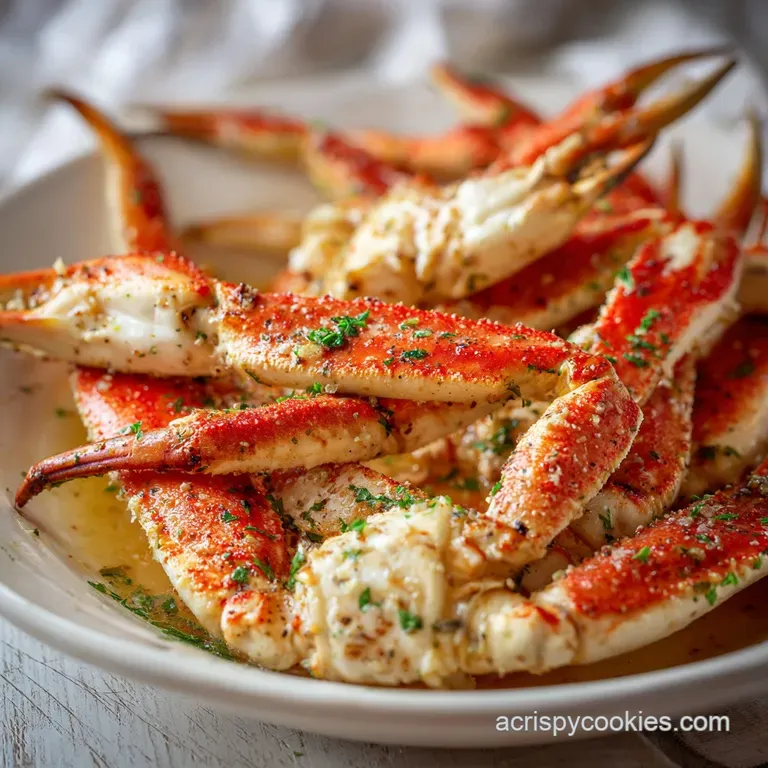
- Time: Active 10 mins, Passive 15 mins, Total 25 mins
- Flavor/Texture Hook: Sweet, velvety meat with a spicy, citrus forward finish.
- Perfect for: High end date nights or impressive weekend family feasts.
- Unlocking the Best Restaurant Quality Oven Baked Crab Legs
- Essential Metrics for the Ultimate Seafood Dinner Success
- The Flavor Matrix of Spices and Rich Aromatics
- Crucial Kitchen Tools for Seamless Shelling and Prepping
- A Detailed Roadmap to Achieving the Perfect Texture
- How to Avoid Rubbery Meat and Overcooked Shells
- Creative Flavor Profiles Beyond the Classic Garlic Butter
- Safe Storage Practices and Creative Leftover Reuse Ideas
- Selecting the Right Accompaniments for Your Seafood Feast
- Critical Sodium Level
- Crab Legs FAQs
- 📝 Recipe Card
Unlocking the Best Restaurant Quality Oven Baked Crab Legs
The sharp, clean snap of a shell breaking to reveal a long, intact piece of pink tipped meat is pure kitchen therapy. I remember the first time I tried to replicate a high end seafood boil at home, I was terrified I'd turn forty dollars of king crab into expensive rubber bands.
The kitchen filled with a heavy, briny scent, but my technique was all wrong; I boiled them until the sweetness washed right out into the water.
That failure turned into a total investigation. I realized that the best Crab Legs aren't actually boiled at all, but rather gently steamed within a concentrated flavor cocoon. When you get this right, the meat doesn't just taste like "seafood," it tastes like a buttery, oceanic candy that pulls away from the shell with zero effort. We're looking for that specific moment where the meat is opaque and tender, not shrunken and tough.
Right then, let's get into the mechanics. We're going to use a heavy duty foil seal to create a high moisture environment inside your oven. This allows the garlic, smoked paprika, and Old Bay to penetrate the shells without the dilution that happens in a big pot of water.
Trust me on this, once you hear that first shell shatter and see the steam escape, you'll never go back to the old way.
Essential Metrics for the Ultimate Seafood Dinner Success
The Thermal Moisture Lock: By tightly sealing the pan with foil, we create a pressurized steam environment that prevents the meat's proteins from tightening too quickly. This ensures the legs cook through without losing their internal juices to the dry heat of the oven.
| Crab Type | Average Thickness | Internal Temp | Cook Time | Visual Cue |
|---|---|---|---|---|
| Snow Crab | 0.5 - 0.75 inch | 145°F | 12-15 mins | Shell turns bright orange red |
| King Crab | 1.0 - 1.5 inches | 145°F | 15-20 mins | Meat pulls away from shell walls |
| Dungeness | 0.75 - 1.0 inch | 145°F | 14-16 mins | Joints become flexible/loose |
Choosing between fresh and shortcut methods often comes down to your local market access. While fresh is the gold standard, most "fresh" crab at the counter was actually frozen on the boat and thawed for display. Buying frozen allows you to control the thawing process yourself, which often leads to a fresher taste.
| Feature | Fresh Market Crab | Frozen "Flash Frozen" |
|---|---|---|
| Texture | Can be slightly softer | Usually firmer/snappier |
| Flavor | Mild, sweet oceanic notes | Consistent, salty, and bright |
| Effort | Ready to cook immediately | Requires 8 hours of thawing |
The Flavor Matrix of Spices and Rich Aromatics
The success of this dish relies on the quality of your fat and the punch of your aromatics. I always reach for unsalted butter so I can control the seasoning myself seafood is naturally salty, and you don't want to tip the balance into "un editable" territory.
| Component | Science Role | Pro Secret |
|---|---|---|
| Unsalted Butter | Fat soluble flavor carrier | Use European style butter for higher fat content and less water. |
| Fresh Garlic | Aromatic pungency | Mince by hand rather than a press to avoid bitterness from crushed cells. |
| Smoked Paprika | Color and depth | Provides a "grilled" aroma without needing an actual flame or charcoal. |
| Old Bay | Umami and heat | The celery salt in the mix acts as a natural flavor enhancer for the crab. |
The ingredients list is focused and high impact. Each item serves a specific purpose in the "flavor detective" profile we're building.
- 4 lbs Snow Crab Legs or King Crab Legs: Use the thickest clusters you can find for the best meat to shell ratio. Why this? Snow crab is sweeter; King crab is heartier and meatier.
- 2 whole lemons: We need the acidity to cut through the heavy butter. Why this? Fresh juice provides bright enzymes that "lift" the fatty profile.
- 1 cup unsalted butter, melted: This is our primary sauce and cooking medium. Why this? Unsalted allows the Old Bay's saltiness to shine without over salting.
- 6 cloves garlic, finely minced: The backbone of the aroma. Why this? Fresh garlic mellows into a sweet, nutty flavor when baked.
- 1 tbsp fresh parsley, finely chopped: For color and a clean, grassy finish. Why this? It resets the palate between rich, buttery bites.
- 1 tsp smoked paprika: Adds a subtle woodsy note. Why this? Mimics the flavor of a traditional outdoor low country boil.
- 1 tbsp Old Bay Seasoning: The quintessential seafood spice. Why this? It contains mace and ginger which perfectly complement sweet shellfish.
| Original Ingredient | Substitute | Why It Works |
|---|---|---|
| Unsalted Butter | Clarified Ghee | Higher smoke point and richer, toasted nutty notes. |
| Old Bay Seasoning | Cajun Spice | Increases the heat level but lacks the distinct celery salt note. |
| Fresh Garlic | Garlic Confit | Offers a much mellower, spreadable, and caramelized flavor profile. |
Crucial Kitchen Tools for Seamless Shelling and Prepping
You don't need a professional kitchen, but a few specific items make the difference between a messy struggle and a velvety dining experience. A heavy duty rimmed baking sheet (like a Nordic Ware half sheet) is non negotiable to catch the butter run off.
You'll also want high-quality kitchen shears. Forget the wooden mallets; they just smash the meat into the shell shards. Sharp shears allow you to unzip the legs like a jacket, keeping that beautiful meat perfectly intact.
If you're serving a crowd, a few small ramekins for extra dipping butter are essential to keep the "sizzle" of the meal going.
A Detailed Roadmap to Achieving the Perfect Texture
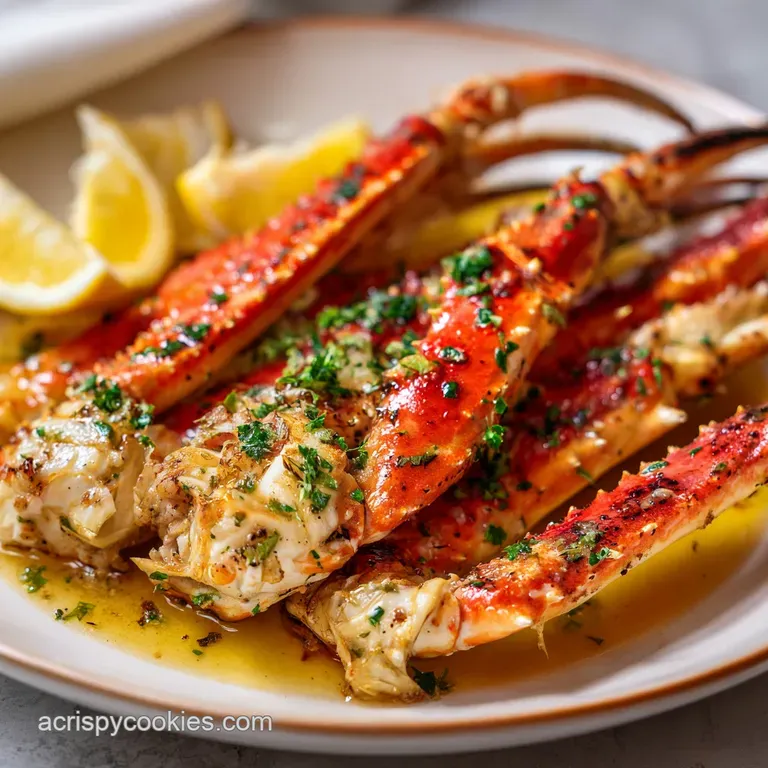
1. Prep and Thaw for Even Heating
Ensure your 4 lbs of crab legs are fully thawed. If they're still icy, the outside will overcook before the center is warm. Pat them dry with paper towels to ensure the butter clings to the shells rather than sliding off into a pool of water.
2. Craft the Liquid Gold Sauce
In a small bowl, combine 1 cup melted unsalted butter, 6 minced garlic cloves, 1 tbsp Old Bay, 1 tsp smoked paprika, and the juice of half a lemon. Whisk until the spices are suspended in the fat. Note: The paprika will turn the butter a gorgeous sunset orange.
3. Assemble the Steam Chamber
Place the legs on a large rimmed baking sheet. If they're too long, gently snap them at the joints to fit. Pour the butter mixture over the legs, using a brush to ensure every nook and cranny is coated. until the shells look glossy and wet.
4. The Precision Bake
Cover the tray tightly with a double layer of aluminum foil. Crimp the edges hard against the rim of the pan. This creates a vacuum like seal. Bake at 375°F (190°C) for 15 minutes.
Note: This temperature is high enough to activate the garlic but low enough not to burn the butter solids.
5. The Finishing Touch
Carefully peel back the foil watch out for the steam! and garnish with 1 tbsp fresh parsley and remaining lemon wedges. The meat should feel firm but springy when touched through a crack in the shell.
To Prevent Overcooking via the Steam Bake Method
The foil is your insurance policy. Without it, the dry oven air will wick away moisture from the joints, leading to that "stuck to the shell" phenomenon that ruins a good meal. By keeping the moisture inside, we ensure the meat "sweats" slightly, making it slide out easily.
To Ensure Effortless Shelling
Always snap the legs at the natural joints before you start cutting. This releases the internal vacuum. Use your shears to cut up the underside (the paler, softer part of the shell) rather than the hard top.
How to Avoid Rubbery Meat and Overcooked Shells
The biggest mistake is treating pre cooked crab (which is what 99% of grocery store crab is) like raw protein. You aren't "cooking" it as much as you are "rethermalizing" it. If you go too long, the proteins denature, tighten, and lose their sweetness.
Why Your Crab Is Dry
If the meat is sticking to the shell like glue, it's usually a sign of dehydration or a previous freeze thaw cycle that wasn't handled well. The steam method usually fixes this, but if it happens, a quick dip in extra warm butter can save the texture.
| Problem | Root Cause | Solution |
|---|---|---|
| Rubbery Meat | Temperature too high / Cooked too long | Reduce oven to 350°F and check at 12 minutes. |
| Cold Centers | Legs were not fully thawed | Thaw in fridge for 8 hours or under cold running water for 30 mins. |
| Bland Flavor | Butter didn't penetrate shells | Crack the shells slightly before pouring butter over them. |
Common Mistakes Checklist:
- ✓ Skipping the thaw: Frozen centers lead to uneven textures.
- ✓ Loose foil: If steam escapes, the meat dries out instantly.
- ✓ Using salted butter: The combination with Old Bay will be overwhelmingly salty.
- ✓ Over mincing garlic: Tiny bits can burn; aim for a consistent small dice.
- ✓ Crowding the pan: Ensure the legs are in a mostly single layer for even heat.
Creative Flavor Profiles Beyond the Classic Garlic Butter
If you want to deviate from the classic profile, you can easily shift the flavor map. For a spicy Cajun kick, swap the Old Bay for a heavy dose of Slap Ya Mama or Zatarain’s seasoning and add a pinch of cayenne.
If you're looking for a dairy-free alternative, high-quality extra virgin olive oil works beautifully, though you'll miss that velvety butter mouthfeel.
To save 30 minutes, you can technically cook these from frozen, but you must increase the bake time to 25 minutes and add 1/4 cup of water to the bottom of the pan to generate extra steam. It's not the "investigative" choice, but it works in a pinch for a weeknight.
- Asian Fusion: Swap Old Bay for ginger, soy sauce, and a drizzle of toasted sesame oil.
- Herb Garden: Use fresh dill, chives, and tarragon instead of parsley and paprika.
- Lemon Pepper: Heavy on the cracked black pepper and lemon zest for a bright, zingy bite.
Safe Storage Practices and Creative Leftover Reuse Ideas
Crab legs are best enjoyed immediately while the butter is still fluid and the meat is at its peak. However, if you have leftovers, pull the meat from the shells before storing. It’s a bit of work now, but you’ll thank yourself later when you aren't trying to peel cold, sticky shells.
Store the meat in an airtight container in the fridge for up to 3 days.
For zero waste, don't you dare throw those shells away! Toss the empty shells into a pot with some celery, onions, and water. Simmer for 45 minutes to create a stunning seafood stock for risotto or chowder.
If you have leftover meat, it’s the perfect candidate for a "flavor detective" recreation of a restaurant style crab roll or a decadent omelet the next morning.
Selecting the Right Accompaniments for Your Seafood Feast
Since the crab is so rich and buttery, you want sides that offer contrast. Think of things that can soak up that extra garlic butter or provide a crisp, acidic crunch.
- Corn on the Cob: The sweetness of the corn mirrors the sweetness of the crab.
- Crispy Smashed Potatoes: These are the ultimate vessel for the garlic butter pooling at the bottom of your tray.
- Cucumber Salad: A vinegar based salad provides the necessary acid to reset your palate after the heavy fat.
- Sourdough Bread: Essential for mopping up every last drop of that liquid gold sauce.
If you're wondering how much to serve, aim for 1 lb per person as a main course. It sounds like a lot, but remember that the shells account for a significant portion of that weight.
If you're doing a big party, you can scale this up easily just ensure you don't stack the clusters more than two deep, or the steam won't circulate properly.
| Serving Size | Crab Quantity | Butter Adjustment | Pan Size |
|---|---|---|---|
| 2 People | 2 lbs | 1/2 cup butter | Small Sheet Pan |
| 4 People | 4 lbs | 1 cup butter | Standard Half Sheet |
| 8 People | 8 lbs | 2 cups butter | Two Separate Trays |
Ultimately, the secret to the best Crab Legs is respect for the ingredient. You've already got a premium product; your job is just to warm it up without getting in the way. Keep it simple, keep it steamy, and keep the napkins close by. Let's crack on!

Critical Sodium Level
1140 mg 1140 mg of sodium per serving (50% 50% of daily value)
The American Heart Association recommends limiting sodium intake to no more than 2,300mg per day for overall cardiovascular health.
Sodium Reduction Tips for Crab Legs
-
Reduce Old Bay-25%
Old Bay Seasoning is a significant source of sodium. Reduce the amount used by half, from 1 tbsp to 1/2 tbsp, to significantly lower the sodium content without sacrificing flavor.
-
Choose Crab Wisely-20%
Different brands of crab legs can contain varying amounts of sodium. Look for crab legs with the lowest sodium content per serving, even if it requires checking the nutrition labels.
-
Lemon Power-10%
Enhance the flavor with more lemon juice and zest. The acidity brightens the dish and helps compensate for the reduction of salty flavors.
-
Unsalted Butter Essential-10%
Ensure you are using truly unsalted butter. Some butters, even labeled 'low sodium,' can still contribute. Double check the label for sodium content.
-
Spice It Up!
Experiment with a variety of fresh and dried herbs and spices like garlic powder, onion powder, or red pepper flakes to boost flavor without adding sodium. These provide depth and complexity.
Crab Legs FAQs
What is the proper way to cook crab legs?
Steam them tightly sealed in the oven. Place the legs on a rimmed baking sheet with butter and aromatics, cover tightly with double foil, and bake at 375°F (190°C) for 12-20 minutes depending on the type.
Is crab good for heart patients?
Yes, in moderation, as it is low in saturated fat. Crab is high in lean protein and contains beneficial Omega-3 fatty acids, but watch the cholesterol and sodium content, especially if using seasoned butter.
What does the Bible say about eating crab legs?
The Old Testament Leviticus 11:9 prohibits consumption of shellfish. However, many denominations today do not strictly adhere to these dietary laws, viewing them as ceremonial rather than perpetual.
What wine pairs well with snow crab?
A dry, crisp white wine like Sauvignon Blanc or Pinot Grigio is ideal. The high acidity in these wines cuts through the richness of the melted butter perfectly without overpowering the delicate sweetness of the crab meat.
How do I ensure the crab meat slides easily out of the shell?
Cut up the underside of the shell with sharp kitchen shears. This releases the internal vacuum seal that causes the meat to stick, especially after proper steaming.
Is it true you must boil crab legs to cook them properly?
No, this is a common misconception if you are reheating pre-cooked legs. Boiling washes out flavor; steaming them sealed in butter is superior as it keeps the meat succulent and concentrates the aromatics.
How long should I bake king crab legs at 375°F?
Bake king crab legs for 15 to 20 minutes. King crab is thicker than snow crab, so check that the meat is opaque and has reached an internal temperature of 145°F before removing from the oven.
Garlic Butter Crab Legs
Ingredients:
Instructions:
Nutrition Facts:
| Calories | 678 kcal |
|---|---|
| Protein | 42g |
| Fat | 49g |
| Carbs | 4.5g |
| Fiber | 0.8g |
| Sugar | 1.1g |
| Sodium | 1140mg |
