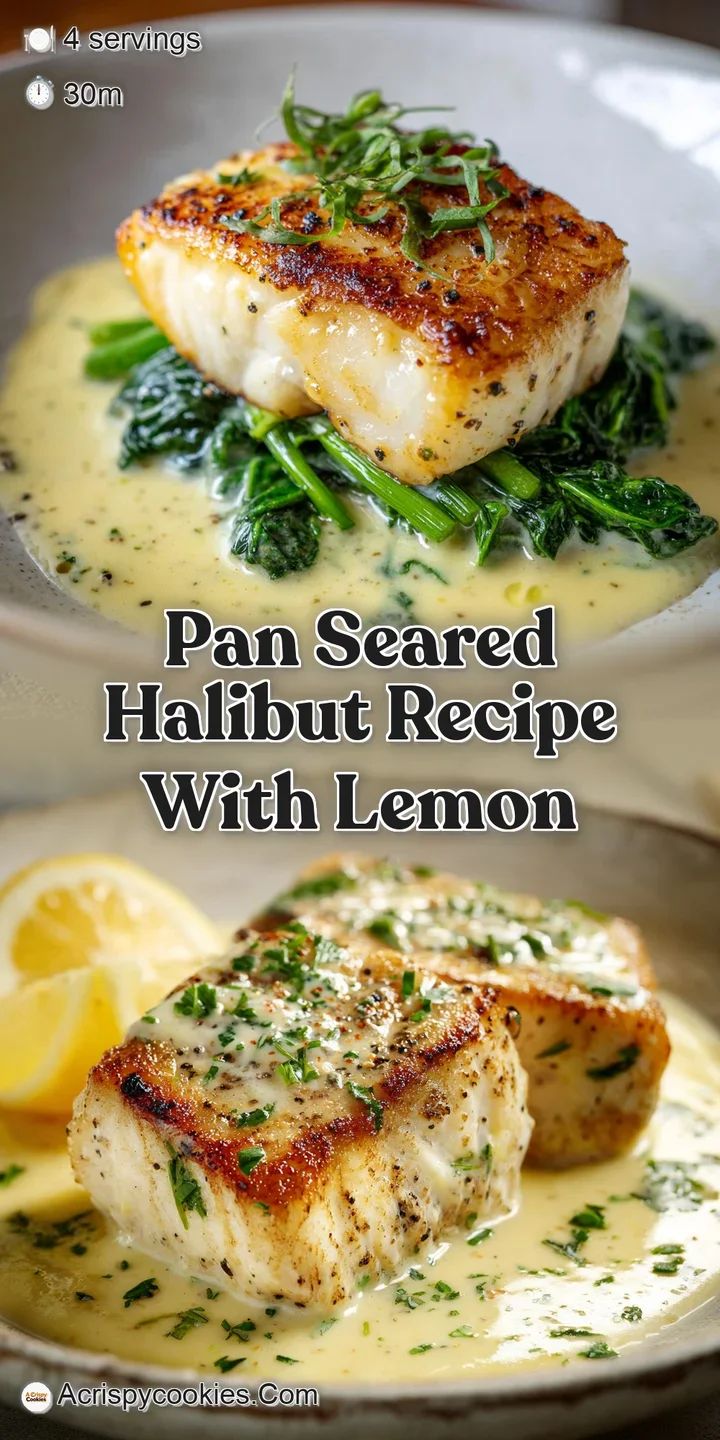
Pan Seared Halibut Recipe with Lemon Beurre Blanc
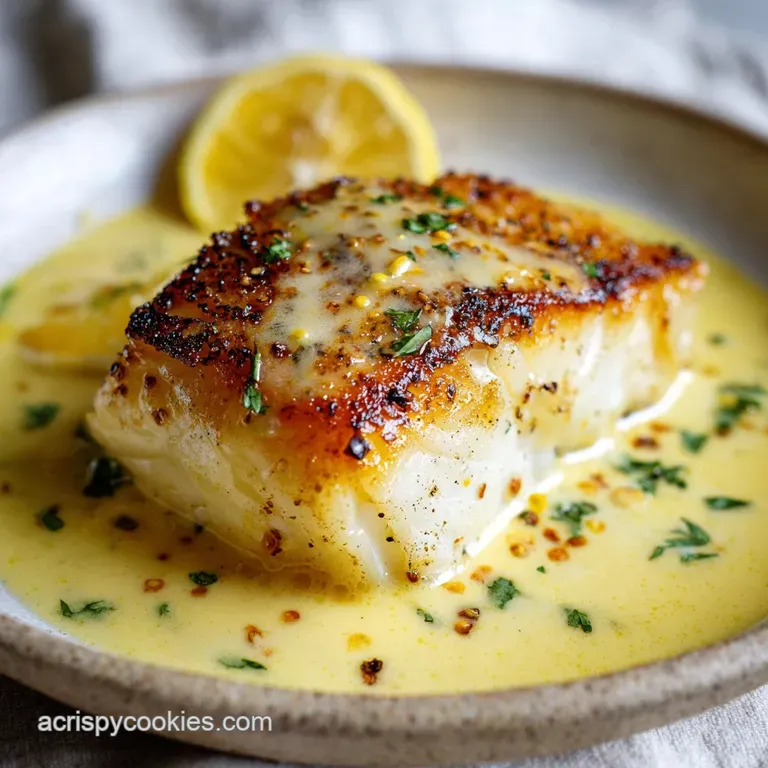
- Time: Active 15 minutes, Passive 15 minutes, Total 30 mins
- Flavor/Texture Hook: Flaky white fish with a citrus infused, buttery finish
- Perfect for: An impressive date night or a sophisticated weekend dinner
- Pro Pan Seared Halibut Recipe with Lemon
- Why These Scientific Methods Work
- Precise Cooking Metrics and Temps
- Fresh Components for Maximum Flavor
- Essential Tools for Professional Results
- Step-by-Step Culinary Masterclass
- Fixing Common Cooking Blunders
- Creative Flavor and Ingredient Variations
- Debunking Common Seafood Cooking Myths
- Storage and Zero Waste Solutions
- Elegant Plating and Presentation Ideas
- High in Sodium
- Recipe FAQs
- 📝 Recipe Card
Pro Pan Seared Halibut Recipe with Lemon
I’ll never forget the first time I tried to recreate a restaurant style fish dish. I’d bought the most expensive piece of halibut I could find, threw it into a lukewarm pan, and watched in horror as it stuck, shredded, and basically turned into a sad, grey pile of mush.
It was a total failure that tasted more like steamed defeat than the crispy, golden masterpiece I’d imagined. That expensive fillet deserved better, and honestly, so did I.
After that disaster, I went on a bit of a mission to "crack the code" on what actually makes fish sear properly. I realized I was making every mistake in the book from not drying the fish to moving it too soon. This recipe showcases a perfectly pan seared halibut, elevated by a luscious lemon beurre blanc.
It’s the result of months of trial and error in my own kitchen, figuring out exactly how to get that coveted crust while keeping the inside as tender as butter.
When you nail this, the sound of your fork hitting the surface should be a literal "shatter." The aroma of toasted butter and sharp lemon will fill your kitchen, making it feel like a professional pass.
We’re going to walk through every sensory cue, from the aggressive sizzle of the initial sear to the velvety sheen of the final sauce. Trust me, once you master these specific mechanics, you’ll never settle for soggy fish again.
Why These Scientific Methods Work
Understanding the "why" behind the sizzle is what separates a lucky cook from a consistent one. We aren't just heating things up; we're managing moisture and protein structure to achieve a specific result.
- Surface Desiccation: Salt draws out moisture, which must be wiped away to prevent steaming; a dry surface allows the Maillard reaction to occur immediately at 140°C.
- Thermal Inertia: Using a heavy bottomed pan prevents the temperature from dropping when the cold fish hits the oil, ensuring the proteins "lock" into a crust rather than sticking.
- Fat in-Water Emulsion: The heavy cream acts as a stabilizer in the sauce, providing enough lecithin and protein to hold the butter fat in suspension even as the temperature fluctuates.
- Carryover Cooking: Halibut is lean and dries out instantly once it hits 65°C; pulling it at 60°C allows the internal energy to finish the job gently on the plate.
| Thickness of Fillet | Internal Target Temp | Rest Time | Visual Finish Cue |
|---|---|---|---|
| 2.5 cm | 60°C (Pull Temp) | 3 mins | Opaque and flakes easily |
| 3.5 cm | 60°C (Pull Temp) | 4 mins | Translucent center disappears |
| 4.5 cm | 60°C (Pull Temp) | 5 mins | Flesh separates with light pressure |
The thickness of your halibut dictates the timing, but the internal temperature is your only true "truth." If you are serving this alongside a hearty side, it pairs beautifully with the textures found in a Chicken Broccoli Rice recipe.
Precise Cooking Metrics and Temps
The Physics of the Rise
To get that shattering crust, we need to talk about heat distribution. When the fish hits the hot oil, the moisture on the surface evaporates instantly. If there is too much moisture, you get steam, which keeps the surface temperature at 100°C far too low for browning.
By patting it dry and using a high smoke point oil like avocado oil, we let the surface temperature soar, creating that golden brown armor.
Cold Butter Emulsification Secrets
The lemon beurre blanc is a lesson in thermodynamics. We are whisking cold butter into a warm reduction. The butter must be cold so it melts slowly; this allows the milk solids to surround the fat droplets, creating a thick, creamy sauce without using flour.
If the sauce gets too hot, the emulsion "breaks," and you end up with a puddle of yellow oil.
| Ingredient | Science Role | Pro Secret |
|---|---|---|
| Halibut (170g) | Main Protein | Bring to room temp for 15 mins for even cooking. |
| Cold Butter (115g) | Emulsifier | Keep it in the fridge until the very second you need it. |
| Dry White Wine (60ml) | Acid/Solvent | Reductions concentrate acidity, which balances the heavy fats. |
Fresh Components for Maximum Flavor
Selecting your ingredients for the Pan Seared Halibut Recipe with Lemon is about finding the freshest balance between fat and acid.
- 4 Halibut fillets (170g each): Look for "day boat" fish if possible. Why this? Halibut has a firm, meaty texture that holds up to over high heat searing.
- 30ml Avocado oil: Or another high smoke point oil. Why this? It won't burn or turn bitter at the high temps needed for a crust.
- 1.5 tsp Kosher salt: I prefer Diamond Crystal. Why this? Larger grains make it easier to season evenly without over salting.
- 0.5 tsp Freshly cracked black pepper: Grind it fresh. Why this? Pre ground pepper loses its volatile oils and floral notes quickly.
- 15g Unsalted butter: For the final basting. Why this? Adds a nutty aroma to the fish surface just before serving.
- 60ml Dry white wine: Sauvignon Blanc or Pinot Grigio. Why this? The crisp acidity cuts through the richness of the butter sauce.
- 30ml Fresh lemon juice: Never the bottled stuff. Why this? Fresh juice contains bright enzymes that bottled juice lacks.
- 1 Medium shallot: Finely minced. Why this? Provides a mild, sweet onion base for the beurre blanc.
- 115g Cold unsalted butter: Cubed. Why this? The "mounting" of the sauce requires solid, chilled fat.
- 15ml Heavy cream: The "insurance policy." Why this? Helps stabilize the emulsion so the sauce doesn't break.
- 1 tbsp Fresh chives: Finely chopped. Why this? Adds a mild garlicky punch and a pop of green color.
| Original Ingredient | Substitute | Why It Works |
|---|---|---|
| Halibut | Sea Bass | Similar fat content and firm flake. Note: Bass is oilier. |
| Dry White Wine | Extra Lemon + Broth | Provides the necessary acidity and volume. Note: Less complex. |
| Avocado Oil | Grapeseed Oil | Both have high smoke points and neutral flavors. |
Essential Tools for Professional Results
You don't need a kitchen full of gadgets, but a few specific items will make your life significantly easier. A heavy stainless steel or cast iron skillet is non negotiable here. Non stick pans often can't handle the high heat required for a true sear, and they won't develop the "fond" (those brown bits) that make the sauce taste incredible.
You will also want a very thin metal spatula often called a fish spatula. It allows you to get underneath the delicate crust without tearing the flesh. Finally,, an instant read thermometer is your best friend.
Estimating doneness by touch is a skill that takes years; the thermometer gives you the "truth" in three seconds.
step-by-step Culinary Masterclass
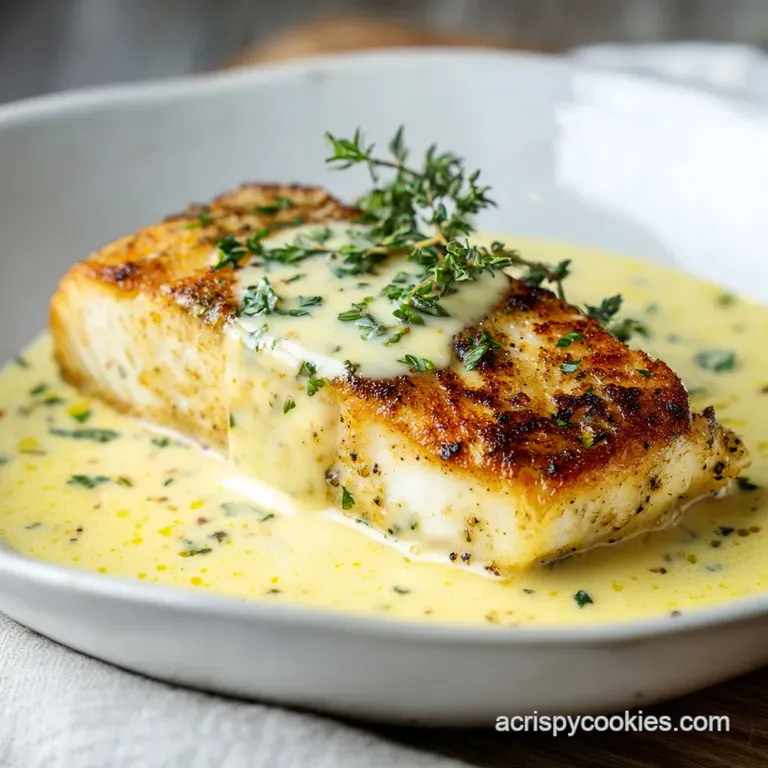
1. Preparing a Shattering Crust
Pat the 170g halibut fillets dry with paper towels on all sides. Note: Any surface moisture will cause the fish to steam rather than sear. Season both sides generously with 1.5 tsp kosher salt and 0.5 tsp black pepper. Let them sit for 5 minutes, then pat them dry one more time.
2. High Heat Searing Method
Heat a heavy skillet over medium high heat for 3 minutes. Add 30ml of avocado oil. Note: The oil should shimmer and show tiny wisps of smoke. Carefully place the fillets in the pan, laying them away from you to avoid splashes.
3. Developing the Gold
Sear the fish for 4-5 minutes without moving them. Note: If you try to flip them and they resist, they aren't ready; they will "release" naturally when the crust is formed. Listen for that constant, aggressive sizzle.
4. The Flip and Baste
Flip the fillets gently using a thin spatula. Add 15g of unsalted butter to the pan. Note: As it foams and smells nutty, spoon the melted butter over the fish for 2-3 minutes. Remove the fish when the internal temperature hits 60°C and set them on a warm plate.
5. Starting the Reduction
Wipe the excess oil from the pan but keep the brown bits. Add the minced shallot and cook for 1 minute until translucent. Pour in 60ml of white wine and 30ml of lemon juice. Note: The liquid should bubble vigorously and reduce by half.
6. Stabilizing the Base
Whisk in 15ml of heavy cream. Note: This acts as an anchor for the butter we are about to add, making the sauce more forgiving. Reduce the heat to low.
7. Building the Lemon Sauce
Add the 115g of cold, cubed butter one or two pieces at a time. Whisk constantly in a circular motion. Note: The sauce should look creamy and opaque. If it starts to look oily, pull the pan off the heat immediately and whisk faster.
8. Final Flavor Adjustments
Once all the butter is incorporated, stir in the chives. Taste the sauce; it should be sharp, buttery, and velvety. If it needs more punch, add a tiny squeeze of lemon.
9. Merging the Elements
Pour a generous pool of the lemon beurre blanc onto each plate. Place the seared halibut directly on top of the sauce. Note: Placing the sauce under the fish keeps the top crust perfectly crispy.
Fixing Common Cooking Blunders
Fish Sticking to Pan
This usually happens because the pan wasn't hot enough or you tried to flip it too early. When the proteins in the fish brown, they undergo a structural change that naturally releases them from the metal surface. If it's stuck, give it another 30 seconds.
Sauce Breaking or Separating
If your beurre blanc looks like melted yellow butter instead of a creamy sauce, it "broke." This happens if the pan is too hot or the butter was added too quickly. You can sometimes save it by adding a teaspoon of cold heavy cream and whisking like crazy off the heat.
| Problem | Root Cause | Solution |
|---|---|---|
| Rubbery Fish | Overcooked past 65°C | Pull at 60°C; the temp rises while resting. |
| Grey/Bland Crust | Pan was too cold | Wait for oil to shimmer before adding fish. |
| Thin, Sour Sauce | Not enough butter | Add butter cubes slowly; it provides the body. |
Common Mistakes Checklist
- ✓ Skipping the "second pat dry" after salting (moisture ruins the sear)
- ✓ Using a non stick pan (prevents the necessary fond for the sauce)
- ✓ Adding room temperature butter to the sauce (it will melt too fast and break)
- ✓ Moving the fish around constantly (prevents a solid crust from forming)
- ✓ Serving on cold plates (buttery sauces break when they hit cold porcelain)
Creative Flavor and Ingredient Variations
Mediterranean Flavor Twist
To give this a coastal feel, add a tablespoon of drained capers and some halved cherry tomatoes to the shallot reduction. The saltiness of the capers cuts through the butter perfectly. You can serve this alongside a Loaded Burger Bowl recipe if you're hosting a crowd with varied tastes.
dairy-free Alternative Ideas
While a true beurre blanc requires butter, you can create a similar "emulsion" using cold coconut cream (the thick part at the top of the can) and a touch of Dijon mustard to help bind it. The flavor will be more tropical, but the texture remains impressively silky.
Scaling Your Portion Sizes Correctly
- Down (1-2 servings): Use a smaller 20 cm skillet to ensure the sauce doesn't evaporate too quickly during the reduction phase.
- Up (6-8 servings): Do not overcrowd the pan. Sear the fish in two batches and keep the first batch in a 80°C oven while you finish the second and make the sauce.
- Liquid Adjustments: If doubling the recipe, only increase the wine and lemon juice by 1.5x, otherwise, the reduction will take too long and the shallots will overcook.
Debunking Common Seafood Cooking Myths
One of the biggest myths in the kitchen is that you must "seal in the juices" by searing. Searing actually causes the exterior of the fish to lose more moisture because of the intense heat. However, we do it for the flavor and texture of the Maillard reaction.
The juiciness comes from pulling the fish at the correct internal temperature, not from the "seal."
Another misconception is that you should only flip fish once. While flipping too much can ruin the crust, flipping a second time can actually help the fish cook more evenly if it's a particularly thick cut. For halibut, however, the "one flip" rule usually yields the best crust to tender flesh ratio.
Storage and Zero Waste Solutions
Halibut is best eaten immediately, as the delicate proteins can become "rubbery" when reheated. However, you can store leftovers in an airtight container in the fridge for up to 2 days. To reheat, avoid the microwave at all costs.
Instead, place it in a pan with a splash of water, cover it, and warm it over low heat just until it's through.
For zero waste, save your lemon peels! If you haven't zested them, you can toss them into a jar of white vinegar to make a natural citrus cleaner. The leftover shallot ends and chive scraps can be tossed into a freezer bag for your next batch of homemade vegetable or seafood stock.
If you have extra sauce, it’s incredible drizzled over steamed asparagus or even a piece of sourdough toast the next morning.
Elegant Plating and Presentation Ideas
To make this look like a 50 euro entree, focus on the "puddle" method. Pour the lemon beurre blanc into the center of a wide, shallow bowl or a large flat plate. Use the back of a spoon to swirl it out into a perfect circle.
Place the halibut fillet directly in the center, ensuring the golden crust stays dry and visible.
Garnish with the chopped chives and perhaps a few very thin slices of lemon (the "wheels"). For an extra touch of color, a tiny pinch of smoked paprika or a few microgreens can add a pop that makes the white fish stand out.
Remember, the sauce is the star of the visual show here, so make sure it has a glossy, mirror like finish before it hits the table. Your guests will be reaching for bread to swipe up every last drop of that velvety reduction.
High in Sodium
875 mg of sodium per serving (38% of daily value)
The American Heart Association recommends limiting sodium intake to no more than 2,300mg per day for most adults.
Tips to Reduce Sodium in Halibut with White Wine Butter Sauce
-
Reduce Added Salt-25%
Decrease the kosher salt from 1.5 tsp to 0.75 tsp. This significantly reduces the sodium content without sacrificing too much flavor. Taste and adjust after cooking.
-
Use Unsalted Butter-15%
Ensure that all butter used in the recipe is unsalted. Even a small amount of salted butter can contribute to the overall sodium level.
-
Choose Low-Sodium Wine-10%
While white wine typically contains minimal sodium, opt for a dry white wine specifically labeled as 'low sodium' or 'sodium free' if available to further minimize sodium intake. Verify that it's under 10mg of sodium.
-
Increase Lemon Juice-5%
Boost the fresh lemon juice from 2 tbsp to 3 tbsp. The added acidity will enhance the flavors and potentially allow you to reduce salt further. Acidity balances flavors.
-
Enhance with Herbs & Spices
Experiment with sodium free herbs and spices like garlic powder, onion powder, paprika, dried oregano, or dill to boost the flavor of the dish without adding sodium. Dried herbs have more flavor.
Recipe FAQs
Is beurre blanc good with halibut?
Yes, it is an excellent pairing. The rich, acidic, and buttery nature of beurre blanc perfectly complements the lean, flaky texture of halibut.
What is the best sauce for pan-seared halibut?
Lemon beurre blanc is arguably the best choice for a restaurant quality sear. It enhances the fish without overpowering its delicate flavor, providing necessary moisture and tang.
Does beurre blanc sauce go with fish?
Yes, beurre blanc is a classic sauce for white fish. Its traditional composition of wine reduction, butter, and acid creates a stable emulsion that highlights rather than masks the seafood.
How does Gordon Ramsay cook halibut in a pan?
Sear aggressively on high heat, usually basting with foaming butter and aromatics. He focuses intensely on drying the fillet surface first to ensure a hard sear, similar to the technique used for our Moist Vanilla Cake recipe when building structure.
What internal temperature should pan-seared halibut reach?
Pull the halibut off the heat at 60°C (140°F). Due to carryover cooking, the internal temperature will continue to rise slightly after resting, ensuring a perfectly flaky texture without drying out.
Can I use frozen halibut for pan searing?
No, you should use fresh or fully thawed fish. Frozen fish holds significant internal moisture; thawing it improperly results in steaming rather than searing, which prevents the crust from forming.
Why does my beurre blanc sauce keep breaking?
The pan is likely too hot, or the cold butter was added too quickly. Ensure the heat is low when mounting the sauce and whisk the cold butter in slowly, piece by piece, to maintain a stable emulsion.
Halibut With Lemon Beurre Blanc
Ingredients:
Instructions:
Nutrition Facts:
| Calories | 496 kcal |
|---|---|
| Protein | 36g |
| Fat | 38g |
| Carbs | 2.8g |
| Fiber | 0.2g |
| Sugar | 0.8g |
| Sodium | 875mg |
