Slow Cooker Italian Beef Sandwich Recipe
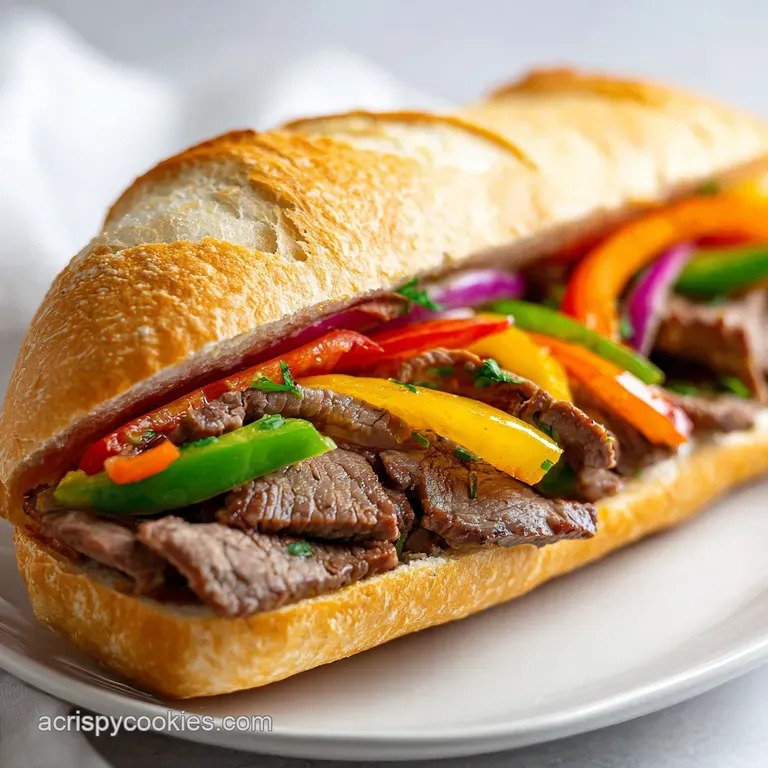
- Time: Active 15 minutes, Passive 8 hours, Total 8 hours 15 mins
- Flavor/Texture Hook: Silky, melt in-your mouth beef with a zesty, garlic herb jus
- Perfect for: Game day crowds, hands off Sunday dinners, or meal prep enthusiasts
- Mastering the Authentic Chicago Italian Beef Sandwich Recipe
- Essential Science Behind the Slow Braise
- Component Analysis of the Jus
- Choosing the Right Kitchen Tools
- From Initial Sear to Plate
- How to Fix Common Problems
- Creative Twists and Swaps
- Adjusting the Recipe for Different Needs
- Debunking Common Kitchen Myths
- How to Store and Keep Fresh
- What to Serve This With
- Critical High in Sodium
- Recipe FAQs
- 📝 Recipe Card
Mastering the Authentic Chicago Italian Beef Sandwich Recipe
I still remember the first time I stood on a rainy street corner in Chicago, clutching a wax paper wrapped bundle that felt heavier than a brick. As I unwrapped it, the steam carried a scent so intoxicating garlic, dried oregano, and the sharp tang of pickled peppers that I didn't even care about the jus dripping down my sleeves.
That specific "dip" is a rite of passage, but for years, I couldn't get my homemade version to taste like anything more than a standard pot roast.
The breakthrough happened when I stopped treating it like a stew and started treating it like a science project in seasoning. Most people under season their braising liquid, but this italian beef sandwich recipe relies on a bold, high impact brine.
We are talking about a half cup of pepperoncini juice and a literal mountain of dried herbs. When that 3.5 lb beef chuck roast finally hits the rolls after eight hours, it isn't just cooked; it's transformed into something velvety and rich that shatters the expectations of what a slow cooker can do.
Trust me, we've all made the mistake of using a lean cut like top round because it looks "cleaner." Don't do it. You need the fat. You need the collagen. That fat renders down into the beef broth, creating a "gravy" (as they call it in Chicago) that is so concentrated it could bring a shoe to life.
We’re going for restaurant quality recreations here, and that means being unapologetic about the tallow and the salt.
Essential Science Behind the Slow Braise
Understanding the physics of this sandwich is what separates a soggy mess from a professional grade meal. It's about more than just heat; it's about the chemical breakdown of tough connective tissues into silky goodness.
- Collagen Conversion: At temperatures between 160°F and 180°F, tough collagen fibers physically melt into gelatin, providing that signature "slick" mouthfeel.
- Acidic Tenderization: The pepperoncini juice lowers the pH of the braising liquid, which helps weaken protein bonds and allows the spices to penetrate deeper into the muscle.
- Maillard Stability: Searing the meat in Wagyu beef tallow before braising creates a crust that survives the liquid bath, ensuring the jus has a smoky, roasted depth rather than a boiled taste.
| Thickness of Roast | Target Internal Temp | Rest Time | Visual Cue |
|---|---|---|---|
| 2 inches | 200°F - 205°F | 20 minutes | Meat shreds with a fork tap |
| 3 inches | 200°F - 205°F | 30 minutes | Fat cap is completely translucent |
| 4 inches | 200°F - 205°F | 40 minutes | Beef pulls away from the center |
The resting period is non negotiable for this sandwich recipe. If you slice it the second it comes out of the slow cooker, all those hardworking juices will flee onto your cutting board, leaving you with dry, stringy beef.
By letting it sit, the muscle fibers relax and reabsorb the herb infused broth, making every bite of your italian beef sandwich consistent and succulent.
Component Analysis of the Jus
Creating a copycat that actually tastes like the real deal requires looking at the ingredients as functional tools. We aren't just adding flavor; we are building a structural liquid. If you find yourself wanting to experiment with other slow cooked meats, the principles here are similar to the ones used in this Slow Cooker Beef recipe.
| Ingredient | Science Role | Pro Secret |
|---|---|---|
| Wagyu Beef Tallow | Fat Emulsification | Use tallow instead of oil for a deeper "beefier" aroma and better sear. |
| Pepperoncini Juice | Acidic Catalyst | The vinegar in the juice acts as a bright counterpoint to the heavy fats. |
| Dried Oregano | Volatile Oil Base | Rub the dried herbs between your palms to "wake up" the oils before adding. |
| Low sodium Beef Broth | Solvent | Using low sodium allows you to control the salt levels as the liquid reduces. |
The choice of French rolls or Italian sub rolls is equally scientific. You need a bread with a "shatter" crust one that is sturdy enough to be dipped into the jus without disintegrating into a pile of mush. A soft brioche or a standard hot dog bun simply won't survive the Chicago style "dip."
Choosing the Right Kitchen Tools
While this is an easy italian beef recipe, the equipment you use will dictate the final texture. A heavy bottomed cast iron skillet is essential for that initial sear. You want a pan that retains heat so the meat doesn't just "gray out" when it hits the surface.
For the braising portion, a 6 quart slow cooker is the standard. It provides enough surface area for the 3.5 lb beef chuck roast to be mostly submerged in the 2 cups of low sodium beef broth. If your slow cooker is too large, the liquid will spread too thin and evaporate; if it's too small, the meat won't cook evenly. If you're looking for a different vessel for a crowd, you might consider the techniques used in a Cheddar Bay Biscuit recipe which handles large volume baking beautifully.
Finally,, a razor sharp carving knife or even an electric deli slicer (if you’re a real enthusiast) is the secret to those paper thin ribbons of beef. The thinner you slice the meat, the more surface area there is to soak up that glorious garlic herb jus.
From Initial Sear to Plate
This is where the magic happens. Listen for the sizzle and watch for the color changes; your senses will tell you more than the clock ever could.
- Prep the Beef. Pat the 3.5 lb beef chuck roast completely dry with paper towels. Note: Moisture is the enemy of a good sear.
- Season Heavily. Combine the 2 tsp kosher salt, 1 tsp black pepper, 1 tbsp garlic powder, and 1 tbsp onion powder. Rub it into every nook and cranny of the meat.
- Sear the Roast. Heat 2 tbsp Wagyu beef tallow in a large skillet over medium high heat. Place the beef in the pan and sear for 4-5 mins per side until a dark, mahogany crust forms.
- Build the Brine. In the slow cooker, whisk together 2 cups low sodium beef broth, 0.5 cup pepperoncini juice, 1 tbsp dried oregano, 1 tbsp dried basil, and 1 tsp red pepper flakes.
- Submerge and Braise. Place the seared roast into the liquid. Cover and cook on low for 8 hours until the beef is tender enough to pierce with a spoon.
- The Cooling Phase. Remove the beef from the slow cooker and let it rest on a plate for at least 30 mins. Note: This makes slicing significantly easier.
- Slice the Beef. Thinly slice the meat against the grain into ribbons. Aim for the thinnest slices possible.
- The Re Dip. Return the sliced beef to the slow cooker liquid for 15 mins to let it soak up the juices. Wait until the meat looks dark and glossy.
- Prepare the Toppings. Sauté 1 cup green bell peppers in a little oil until soft. Get your 1 cup Chicago style giardiniera ready.
- Final Assembly. Pile the beef onto the French rolls, add peppers and giardiniera, and dip the entire sandwich into the jus if you're feeling brave.
| Original Ingredient | Substitute | Why It Works |
|---|---|---|
| Wagyu Beef Tallow | Ghee | Similar high smoke point and buttery, rich flavor profile. |
| Pepperoncini Juice | White Wine Vinegar + 1 tsp sugar | Provides the necessary acidity and a hint of sweetness. |
| French Rolls | Toasted Sourdough Baguette | Same structural integrity and a "shatter" crust that handles dipping. |
Adding the beef back into the liquid after slicing is a non negotiable step for a homemade italian beef sandwich. It’s what differentiates a dry roast beef sandwich from the authentic Chicago experience.
The aroma of the oregano and garlic will intensify as the sliced meat releases its final bits of collagen into the broth.
How to Fix Common Problems
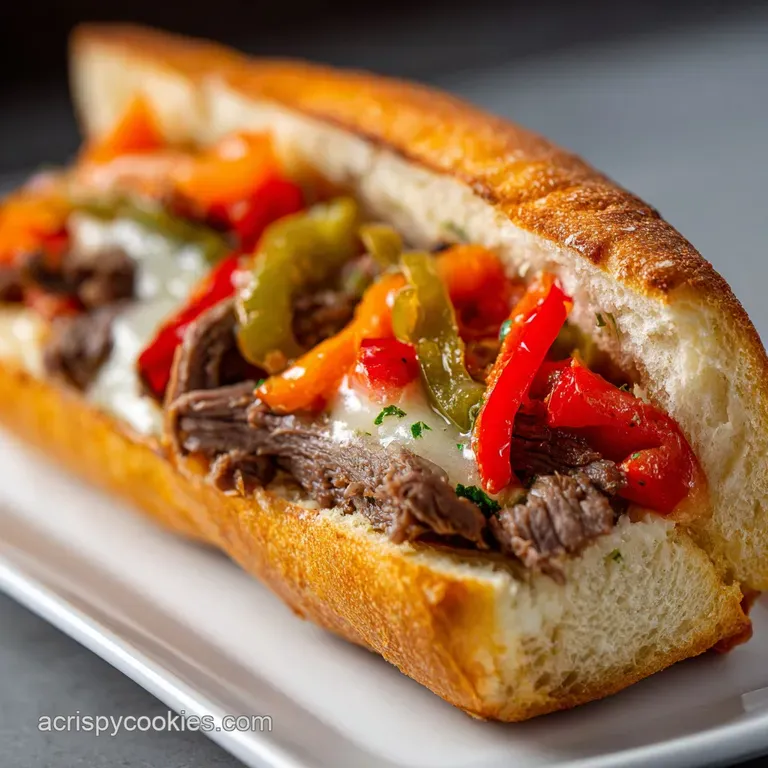
Even with the best instructions, things can go sideways. The key is knowing how to pivot when the texture or flavor isn't quite hitting the mark.
Why Your Italian Beef is Tough
If your beef feels rubbery or resists the fork after 8 hours, it’s usually a temperature issue. Chuck roast is a "high work" muscle, meaning it’s packed with connective tissue. If the slow cooker didn't reach a consistent simmer, that collagen never had a chance to melt.
The Jus is Too Salty
This often happens if you use a standard beef broth instead of a low sodium version. As the liquid braises for 8 hours, it reduces, concentrating the salt. To fix this, don't just add water; add a splash of unsalted beef stock or even a tiny bit of apple juice to balance the salt with sweetness.
Soggy Bread Failure
If your sandwich turns into a sponge the moment it hits the plate, your bread isn't sturdy enough. You can mitigate this by "toasting" the inside of the rolls under a broiler for 60 seconds before adding the meat. This creates a hydrophobic barrier of toasted starches that slows down juice absorption.
| Problem | Root Cause | Solution |
|---|---|---|
| Beef is stringy | Sliced with the grain | Always slice against the grain to shorten muscle fibers. |
| Liquid is greasy | Excess fat not trimmed | Chill the jus and skim the solid fat off the top before reheating. |
| Bland flavor | Weak spice blooming | Sauté the dried herbs in the tallow for 30 seconds before adding broth. |
Common Mistakes Checklist:
- ✓ Never skip the sear; it’s where 50% of the "restaurant" flavor lives.
- ✓ Don't use a "lean" roast; fat is the vehicle for the Italian seasoning.
- ✓ Resist the urge to open the slow cooker lid; every peek adds 15 mins of cook time.
- ✓ Let the meat cool before slicing, or it will shred into mush instead of ribbons.
- ✓ Always use more giardiniera than you think you need for that authentic crunch.
Creative Twists and Swaps
While the traditional authentic italian beef sandwich is a masterpiece, there are times when you need to adjust for time or dietary needs.
- The "Combo" Variation: In Chicago, a "combo" is an Italian beef sandwich with a grilled Italian sausage tucked inside. It’s a protein powerhouse that adds a smoky, fennel heavy layer to the dish.
- The Low Carb "Beef Bowl": Skip the bread entirely. Serve the beef and jus over a bed of cauliflower mash or simply in a bowl with extra peppers and a scoop of giardiniera. It’s essentially a deconstructed version that hits all the flavor notes.
- The Instant Pot Shortcut: If you don't have 8 hours, you can use a pressure cooker. High pressure for 60 minutes with a natural release will get you close, though the flavors won't be quite as integrated as the slow cooker method.
| Feature | Slow Cooker (Classic) | Pressure Cooker (Fast) |
|---|---|---|
| Total Time | 8 hours 15 mins | 1 hour 30 mins |
| Texture | Velvety, perfectly integrated | Tender but slightly more fibrous |
| Jus Depth | Maximum umami development | Bright and clean |
If you want X, do Y: If you want a "Wet" sandwich, dip the entire assembled roll into the jus for 3 seconds. If you want a "Sweet" sandwich, double the amount of sautéed green bell peppers. If you want a "Hot" sandwich, add extra red pepper flakes and use "hot" giardiniera.
Adjusting the Recipe for Different Needs
Scaling this recipe is relatively straightforward because the braising liquid is forgiving. However, when doubling the 3.5 lb beef chuck roast to 7 lbs, do not simply double the salt. Start with 1.5x the salt and spices, then taste the jus at the end.
Spices can become overwhelming when scaled linearly in a closed environment like a slow cooker.
If you are scaling down for a small household, use a 3 quart slow cooker. A large roast in a small pot will cook unevenly, but a small roast in a large pot will likely dry out because the liquid won't cover enough of the meat's surface area.
For baking adjustments (like if you were making the rolls from scratch), remember that doubling a dough recipe often requires reducing the yeast slightly to prevent an over proofed mess.
Debunking Common Kitchen Myths
One of the biggest myths in the world of beef sandwich recipes is that searing "seals in the juices." Science tells us this is false; moisture loss happens regardless of the sear. What the sear actually does is initiate the Maillard reaction, creating complex flavor molecules that season the entire jus.
Another myth is that you must use expensive prime cuts of beef. In reality, a cheaper, tough chuck roast is actually better for this specific application because it contains more connective tissue than a pricer ribeye or tenderloin. That "tough" tissue is exactly what turns into the silky gelatin we crave.
How to Store and Keep Fresh
Storage is where this recipe actually improves. Like a good chili, the flavors in the beef and jus continue to meld overnight. Store the sliced beef submerged in its jus in an airtight container in the fridge for up to 4 days. This keeps the meat from oxidizing and drying out.
To freeze, place the beef and jus in heavy duty freezer bags. It will stay fresh for up to 3 months. When you're ready to eat, thaw it in the fridge overnight and reheat it gently on the stovetop. Never microwave the beef on high power; it will turn the delicate ribbons into rubber.
Zero Waste Tip: Don't toss the leftover jus! It makes an incredible base for a French onion soup or can be used as the liquid for cooking rice or quinoa. The fat you skim off the top (the tallow) can be saved in a jar in the fridge and used to roast potatoes that will taste like they came from a five star steakhouse.
What to Serve This With
In a true Chicago stand, you usually just get the sandwich and a side of fries. But at home, you have more options. The salty, acidic profile of the beef pairs perfectly with something creamy or starchy.
I personally love serving this alongside a fresh salad or even a different type of handheld, like the ones found in this Loaded Burger Bowl recipe, if you're hosting a large party with varied tastes. The goal is to provide a textural contrast something crisp or fresh to cut through the heavy, savory richness of the beef. If you're looking for more inspiration for hearty beef dishes, check out our Beef Short Ribs recipe which uses a similar braising philosophy.
Critical High in Sodium
1350 mg 1350mg of sodium per serving (59% 59% of daily value)
The American Heart Association recommends limiting sodium intake to about 2,300mg per day.
Tips to Reduce Sodium in Your Italian Beef
-
Broth Swap-30%
Use no-sodium beef broth instead of low-sodium broth. This simple swap can significantly reduce the overall sodium content.
-
Salt Control-25%
Reduce the amount of kosher salt added to the recipe. Start by using 1 teaspoon instead of 2 and adjust to taste. You can always add more later, but it's hard to take it out!
-
Giardiniera Tweak-20%
Giardiniera is a naturally high sodium ingredient. Rinse it thoroughly under cold water before using to remove some of the brine, or make your own low-sodium version.
-
Pepperoncini Dilution-15%
Dilute the pepperoncini juice with water (1/4 cup water) to reduce its sodium concentration without drastically altering the flavor profile.
-
Bread Choice-10%
Consider using low-sodium rolls or Italian sub rolls. Check nutrition labels as sodium content can vary significantly between brands.
-
Herb Power
Enhance the flavor with fresh herbs like oregano, basil, and parsley. These provide a depth of flavor without adding sodium.
Recipe FAQs
What goes on Italian beef sandwiches?
Thinly sliced, slow braised beef, jus, Italian rolls, and optional toppings. The beef is crucial and must be dipped into its own seasoned, savory broth (jus) before serving. Common toppings include sautéed sweet peppers or spicy giardiniera.
What is the secret ingredient in Italian beef?
The pepperoncini juice in the braising liquid. This acidic element cuts through the richness of the beef fat and helps tenderize the meat, providing the signature zesty counterpoint to the savory spices.
What kind of cheese goes on Italian beef?
Provolone or Mozzarella are the standard choices. While technically optional, melted provolone provides a sharp, salty contrast that holds up well against the intense jus. If you enjoy strong cheese pairings, see how the same principles of balancing richness apply when mastering the technique for our French Onion Chicken recipe.
What is the secret ingredient to an Italian sub?
The oil and vinegar dressing, heavily seasoned with oregano. Unlike Italian beef, which relies on jus, a true Italian sub gets its flavor complexity from a bright, acidic vinaigrette dressing the cold cuts and vegetables.
How do I get the meat thin enough for an authentic Italian beef?
Chill the beef completely after braising, then slice against the grain. The meat must be very cold for thin slicing; aim for paper thin ribbons. If you don't have a deli slicer, use the sharpest knife you own, keeping the blade angled almost parallel to the cutting board.
Is it true you should never skip searing the beef first?
No, this is a common misconception that searing "seals in the juices." The actual purpose of the initial sear is to initiate the Maillard reaction, creating deep, roasted flavor compounds that season the entire braising liquid (jus) over many hours.
What bread works best for soaking up the jus?
A sturdy, crusty French roll or Italian sub roll is required. You need a bread with high structural integrity that can withstand being dipped ("dipped" or "wet") without immediately dissolving into mush.
Italian Beef Sandwich Recipe
Ingredients:
Instructions:
Nutrition Facts:
| Calories | 809 kcal |
|---|---|
| Protein | 44.6 g |
| Fat | 48.9 g |
| Carbs | 42.5 g |
| Fiber | 3.2 g |
| Sugar | 2.1 g |
| Sodium | 1350 mg |
