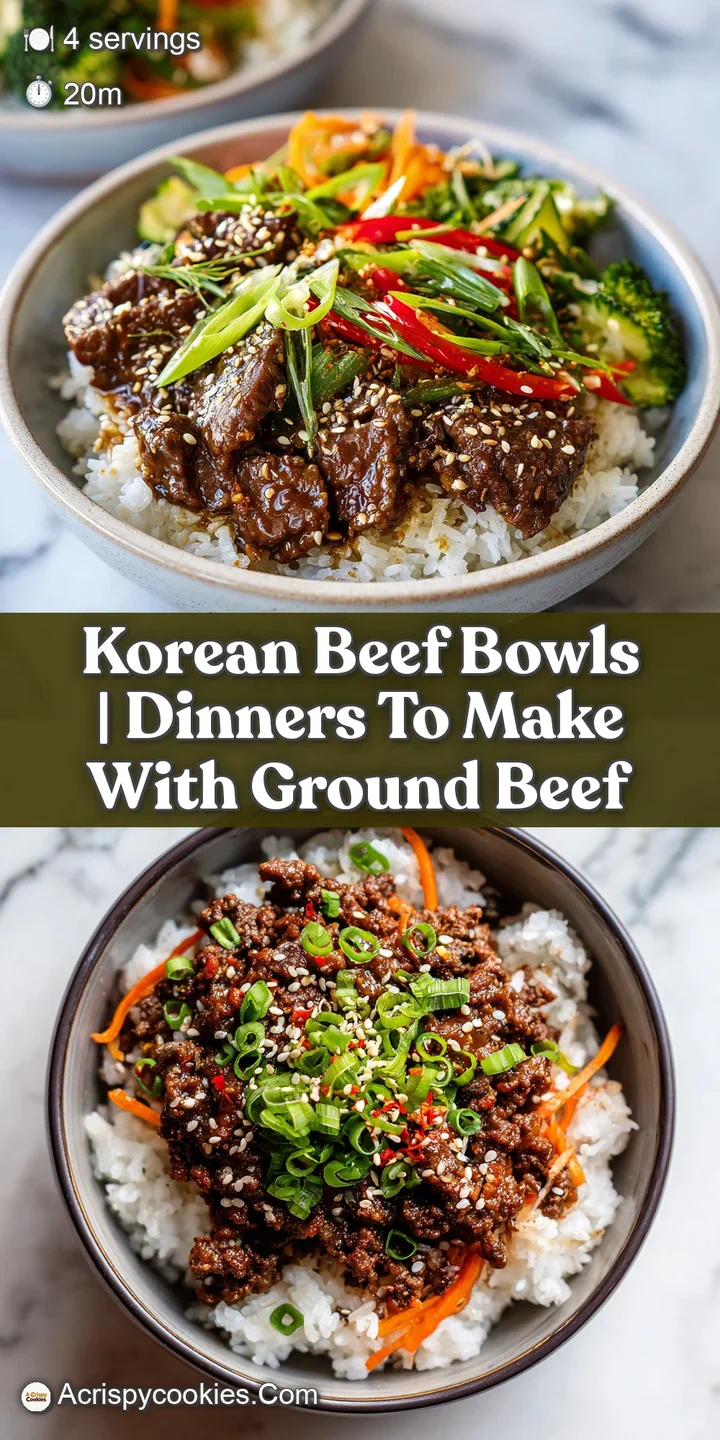
Korean Beef Bowls: Caramelized and Savory
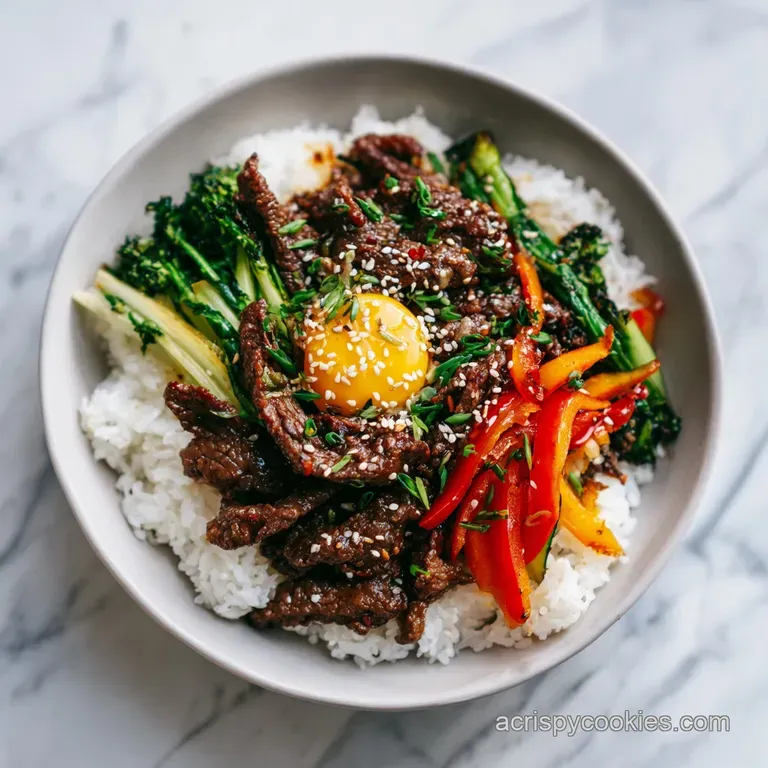
- Time: Active 10 minutes, Passive 10 minutes, Total 20 minutes
- Flavor/Texture Hook: Crispy, caramelized beef edges with a silky, gingery glaze
- Perfect for: High speed weeknight dinners and efficient Sunday meal prep
- Making Authentic Korean Beef Bowls with Restaurant Depth
- Essential Specs for the Perfect Quick Weeknight Dinner
- The Flavor Building Blocks Behind Every Savory Bite
- Tools You Need for Better Beef Searing
- Step by Step Guide to That Perfect Mahogany Glaze
- Fixing Common Texture and Flavor Balance Issues
- Simple Ways to Adapt This Dish for Everyone
- Keeping Your Leftovers Fresh and Using Every Bit
- Finishing Touches for a Stunning Restaurant Look
- Myths Regarding Ground Beef Prep
- Recipe FAQs
- 📝 Recipe Card
Making Authentic Korean Beef Bowls with Restaurant Depth
The first thing you’ll notice isn't the smell it’s the sound. When that 1 lb of ground beef hits the hot metal of the skillet, it shouldn't just whisper; it needs to hiss. I remember the first time I actually let the meat sit still for a full three minutes without touching it.
I was so tempted to stir, but waiting rewarded me with those dark, shattered crisp edges that define a great Korean style dish. That contrast between the crunch of the sear and the velvety sauce is exactly what we’re chasing here.
If you’re used to those soggy, gray crumbles of beef that happen when you crowd the pan or stir too often, this is going to be a total shift for you. We’re moving away from "stewed" ground beef and toward something that feels much more intentional.
It’s the kind of meal that makes you feel like a pro even when you’re still wearing your work clothes and just want to eat in twenty minutes.
We’re going to look at how a few basic pantry staples like soy sauce and brown sugar can create a complex glaze when they hit a hot pan. This isn't just about mixing things in a bowl; it’s about the specific order of operations that keeps the aromatics bright and the sesame oil fragrant.
Trust me, once you see how the ginger and garlic toast in the beef fat, you’ll never go back to the "dump and stir" method.
Essential Specs for the Perfect Quick Weeknight Dinner
Before we get our hands messy, let's look at the logic of why this specific method produces a better result than the standard stovetop approach. It’s all about heat management and how we handle the protein to ensure it doesn't just boil in its own juices.
- The Maillard Effect
- Letting the beef sit undisturbed allows proteins and sugars to react, creating those deeply flavored, dark brown crusts.
- Aromatic Blooming
- Adding garlic and ginger to the rendered fat (not the dry pan) helps their flavor compounds dissolve and spread throughout the whole dish.
- Sugar Carbonization
- The brown sugar doesn't just sweeten; it hits the hot fat and beef to create a sticky glaze that binds the sauce to the meat crumbles.
- Residual Heat Finishing
- Adding the toasted sesame oil after the heat is off prevents its delicate, nutty flavor from burning away.
| Cooking Method | Active Time | Resulting Texture | Best For |
|---|---|---|---|
| Stovetop Skillet | 10 minutes | Crispy edges, sticky glaze | Maximum flavor and speed |
| Oven Sheet Pan | 5 minutes | Uniformly tender, less sear | Bulk meal prep for 8+ people |
| Slow Cooker | 2 minutes | Soft, sauce heavy crumbles | Set it and forget it days |
Using a skillet is vastly superior for this dish because the direct contact with the pan is what creates that "copycat" restaurant texture. Oven methods tend to steam the meat because the moisture has nowhere to go, leaving you with a softer, less satisfying bite. If you're looking for other ways to use ground beef with a similar "bowl" vibe, you might also like this Burger Bowl recipe which uses a different flavor profile but the same quick cooking logic.
The Flavor Building Blocks Behind Every Savory Bite
| Component | Scientific Role | Pro Secret |
|---|---|---|
| 85/15 Ground Beef | Fat provides the medium for searing and carrying flavor. | Pat the meat dry with a paper towel before it hits the pan to boost browning. |
| Brown Sugar | Lowers the caramelization temperature of the sauce. | Use dark brown sugar if you want a deeper, molasses like undertone. |
| Fresh Ginger | Protease enzymes help slightly tenderize the beef. | Freeze your ginger root and grate it while frozen for a snow like texture. |
| Gochugaru | Provides a smoky, slow building heat. | Toast the flakes in the fat for 30 seconds to wake up the capsaicin. |
For the foundation of these Korean Beef Bowls, we start with 1 lb ground beef (85/15 lean to fat ratio) because that fat is vital it’s what we use to fry the aromatics later. You'll also need 3 cloves garlic, minced, and 1 tablespoon fresh ginger, grated.
For the liquid gold sauce, grab 1/4 cup low sodium soy sauce, 3 tablespoons brown sugar, and 1/2 teaspoon red pepper flakes (gochugaru). Why this? Gochugaru offers a distinct fruitiness and mild heat that standard red flakes lack.
You will also need 3 cups cooked rice (Jasmine or Calrose works beautifully here) as your base. To finish it off, we use 1 tablespoon toasted sesame oil, 3 stalks green onions, thinly sliced, and 1 teaspoon toasted sesame seeds.
Why this? Toasted sesame oil is a finishing oil; it loses its soul if you cook it over high heat.
| Original Ingredient | Substitute | Why It Works |
|---|---|---|
| Ground Beef | Ground Turkey (93/7) | Leaner option. Note: Add 1 tsp neutral oil to the pan since turkey is drier. |
| Soy Sauce | Tamari | Same salty punch but keeps the dish entirely gluten-free. |
| Brown Sugar | Honey | Adds a floral sweetness. Note: It burns faster, so lower the heat slightly. |
| Jasmine Rice | Cauliflower Rice | Great for lower carbs. Note: Sauté it separately with a splash of lime. |
Tools You Need for Better Beef Searing
You don't need a kitchen full of gadgets, but the right pan changes everything. A large cast iron or heavy stainless steel skillet is the gold standard here. These materials hold onto heat, meaning when you drop the cold beef in, the pan temperature doesn't plummet.
If you use a thin, cheap pan, the meat will likely dump its moisture and start boiling rather than searing.
A sturdy wooden spatula or a "meat masher" tool is also a huge help. You want something that can really get under those caramelized bits to deglaze the pan once you add the soy sauce.
Don't worry about the dark bits stuck to the bottom that’s "fond," and it's basically concentrated flavor that the soy sauce will lift and incorporate into your glaze.
step-by-step Guide to That Perfect Mahogany Glaze
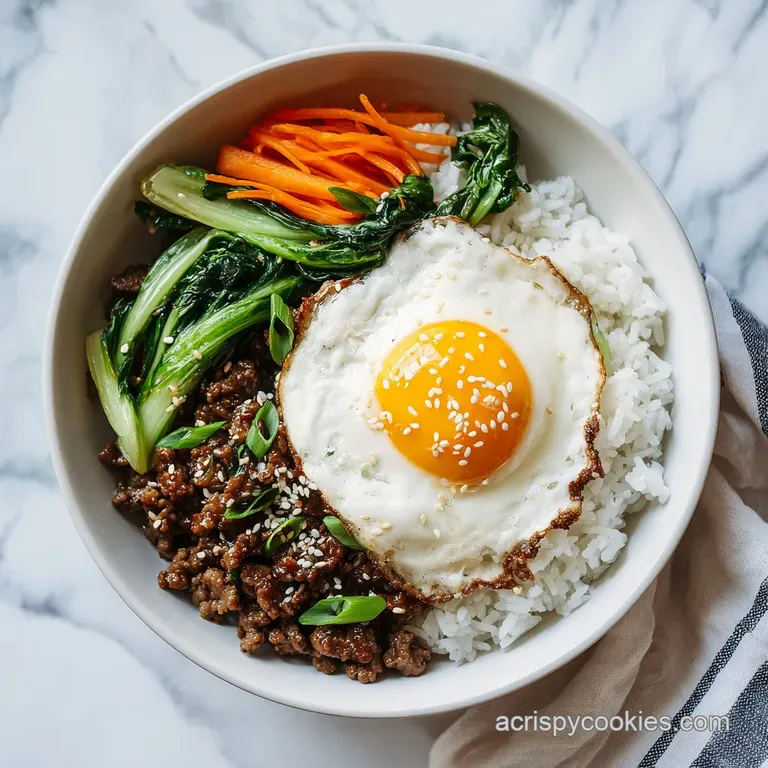
- Heat your large skillet over medium high heat until a drop of water flicked onto the surface dances and evaporates instantly.
- Add the 1 lb ground beef and spread it into a single, flat layer using your spatula. Cook for 2-3 minutes undisturbed until a mahogany colored crust forms. Note: This patience is the secret to the best texture.
- Use a wooden spatula to break the meat into fine crumbles. Continue cooking until no pink remains and the beef is fully browned.
- Add the 3 cloves minced garlic and 1 tablespoon grated ginger. Sauté for 60 seconds until the aroma fills the kitchen. Note: The fat from the beef protects the garlic from burning.
- Pour in the 1/4 cup soy sauce, 3 tablespoons brown sugar, and 1/2 teaspoon red pepper flakes.
- Simmer for 2-3 minutes until the liquid reduces into a sticky, glossy glaze that coats each piece of beef.
- Remove the skillet from the heat entirely. This is crucial for the next step.
- Stir in the 1 tablespoon toasted sesame oil. Wait for that nutty scent to bloom.
- Divide your 3 cups of cooked rice into four bowls.
- Spoon the beef over the rice and garnish generously with the 3 stalks of sliced green onions and 1 teaspoon toasted sesame seeds.
Fixing Common Texture and Flavor Balance Issues
Why Your Beef Is Gray and Steaming
If your beef looks gray and sits in a pool of gray liquid, your pan wasn't hot enough or you crowded it too much. When the meat releases its moisture, it needs to evaporate immediately. If the pan is too cool, that water sticks around and boils the meat.
Why the Sauce Is Too Salty
Using standard soy sauce instead of low sodium can quickly push this dish into "salt bomb" territory. Also, if you let the sauce reduce for too long, the water evaporates and leaves only the salt behind.
| Problem | Root Cause | Solution |
|---|---|---|
| Meat is tough/chewy | Overcooked or stirred too much | Sear hard and fast, then pull off heat once glazed. |
| Sauce won't thicken | Not enough sugar or heat | Simmer for an extra minute; the sugar needs to caramelize to thicken. |
| Dish tastes flat | Missing acidity or aromatics | Add a tiny splash of rice vinegar or more fresh ginger. |
Common Mistakes Checklist
- ✓ Never use "pre minced" garlic in a jar; the flavor is muted and often metallic.
- ✓ Don't drain every drop of fat before adding the ginger; you need about a tablespoon for flavor.
- ✓ Avoid using over high heat for the sesame oil; it turns bitter if it reaches its smoke point.
- ✓ Ensure the rice is hot when serving so it absorbs a bit of the excess beef glaze.
- ✓ If the meat is too lean (95/5), add a tablespoon of avocado oil to the pan first.
Simple Ways to Adapt This Dish for Everyone
If you’re looking to lighten things up, you can easily turn these into lettuce wraps. Use butter lettuce or romaine hearts and skip the rice entirely. It keeps that "bright/rich" contrast we talked about but adds a refreshing crunch. If you're a fan of these vibrant flavors, you might also want to try this Thai Beef Salad for a different spin on Asian inspired beef.
For a Healthy Korean Ground Beef Bowl
To boost the fiber, swap the white rice for brown rice or quinoa. You can also toss in two cups of finely chopped broccoli or shredded carrots during the last two minutes of cooking the beef. They’ll soak up that glaze and add a massive nutritional punch without changing the soul of the dish.
For gluten-free Modifications
This is one of the easiest recipes to make gluten-free. Simply swap the soy sauce for Tamari or Coconut Aminos. Coconut Aminos are slightly sweeter, so you might want to reduce the brown sugar by half a tablespoon to keep the balance right.
Always check your gochugaru packaging too, though it’s usually just dried peppers.
Keeping Your Leftovers Fresh and Using Every Bit
This recipe is a meal prepper's dream because the flavor actually improves after a night in the fridge. The beef can stay in an airtight container for up to 4 days. When reheating, I recommend adding a tiny splash of water (maybe half a teaspoon) before microwaving.
This creates a bit of steam that loosens up the congealed glaze and makes the meat juicy again.
For the rice, try to store it in a separate container if possible. Rice tends to suck the moisture out of the beef, which can leave the meat a bit dry the next day. If you find yourself with leftover cooked rice that’s gone a bit hard, it’s actually perfect for making a quick fried rice using the same flavor profile as the beef.
Chef's Tip: If you have any fat left in the pan after cooking the beef, don't toss it! Use it to sauté some spinach or kale with a little salt. It’s a "zero waste" way to get a flavorful side dish with almost zero extra effort.
Freezing Instructions: You can freeze the cooked beef for up to 3 months. Let it cool completely, then press it flat in a freezer bag to save space and speed up defrosting.
To reheat, just drop the frozen block into a skillet over medium heat with a lid on for 5 minutes, then stir until hot.
Finishing Touches for a Stunning Restaurant Look
We eat with our eyes first, and a brown bowl of meat and rice can look a bit dull without the right garnishes. The contrast of the bright green onions against the dark, glazed beef is what makes this dish pop. Don't just toss the onions on haphazardly; slice them on a sharp bias (diagonal) for that professional look.
I also love to add a "pop" of brightness right at the end. A few slices of pickled cucumbers or a side of kimchi provides the necessary acidity to cut through the richness of the beef fat and sugar.
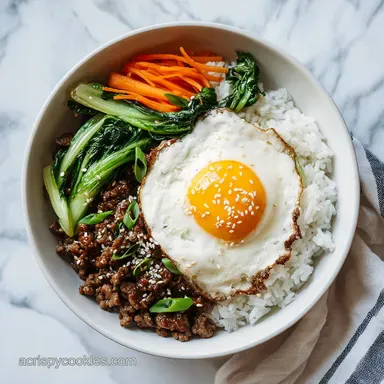
If you want a bit of extra texture, a soft boiled egg with a jammy yolk placed right in the center makes the whole bowl feel like a $20 bistro meal.
For an Extra Umami Punch
If you really want to take the savory notes to the next level, add a teaspoon of fish sauce along with the soy sauce. You won't taste "fish," but it adds a fermented depth that mimics the complex flavors of traditional Bulgogi.
Another trick is to use a torch to lightly char the green onions after you've garnished the bowl it adds a subtle smokiness that is truly addictive.
Myths Regarding Ground Beef Prep
"You have to drain all the fat to make it healthy." Actually, if you drain every drop of fat, you’re throwing away the flavor carrier for your garlic and ginger. Keep at least a tablespoon in the pan to ensure the aromatics "bloom" properly rather than just drying out and burning.
"Sugar in savory food is only for sweetness." In this dish, the sugar is a functional ingredient. It reacts with the soy sauce and the beef proteins to create a physical glaze. Without it, you just have "salty beef" rather than the sticky, glossy coating that makes these bowls so satisfying.
"Fresh ginger is the same as ground ginger." It really isn't. Ground ginger is warm and spicy but lacks the bright, citrusy, and zingy notes of the fresh root. In a recipe with so few ingredients, the quality of your ginger is the difference between a "good" meal and a "revelatory" one.
Recipe FAQs
What goes in a Korean beef bowl?
This dish relies on 1 lb of ground beef, aromatics, and a sweet savory glaze. You will need garlic, fresh ginger, low-sodium soy sauce, brown sugar, red pepper flakes, toasted sesame oil, and garnishes of green onions and sesame seeds served over rice.
What is the best sauce for beef bowls?
The ideal glaze is a reduction of soy sauce, brown sugar, and red pepper flakes. By simmering these ingredients with the beef for 2-3 minutes, the liquids evaporate into a sticky, concentrated coating that clings perfectly to the meat.
Is Korean beef bowl healthy?
It can be part of a balanced diet when portions are managed. With 517 calories per serving, it offers high protein from the beef, though you should be mindful of the brown sugar content if you are monitoring your daily carbohydrate intake.
What is a famous Korean beef dish?
Bulgogi is the most iconic, typically featuring thinly sliced marinated beef. This bowl mimics those classic sweet and savory flavor profiles but uses ground beef for a faster, weeknight friendly preparation method.
How to get a crispy texture on ground beef?
Spread the meat into a single, flat layer and leave it undisturbed for 2-3 minutes. If you enjoyed mastering the mahogany crust here, you can apply the same principle of heat retention when searing proteins in our beef short ribs recipe.
How to prevent the garlic and ginger from burning?
Sauté the aromatics for exactly 1 minute using the rendered fat from the beef. Because the beef is already browned, the rendered fat creates a protective layer that allows the garlic and ginger to toast and release their fragrance without scorching.
Is it true I should add the sesame oil while the pan is still over the heat?
No, this is a common misconception. Always remove the skillet from the heat before stirring in the toasted sesame oil to ensure the delicate, nutty aroma isn't destroyed by high heat cooking.
Korean Beef Bowls
Ingredients:
Instructions:
Nutrition Facts:
| Calories | 517 kcal |
|---|---|
| Protein | 26.1 g |
| Fat | 16.4 g |
| Carbs | 53.3 g |
| Fiber | 1.4 g |
| Sugar | 9.8 g |
| Sodium | 720 mg |
