One-Pot Cheesy Tomato Tortellini Soup
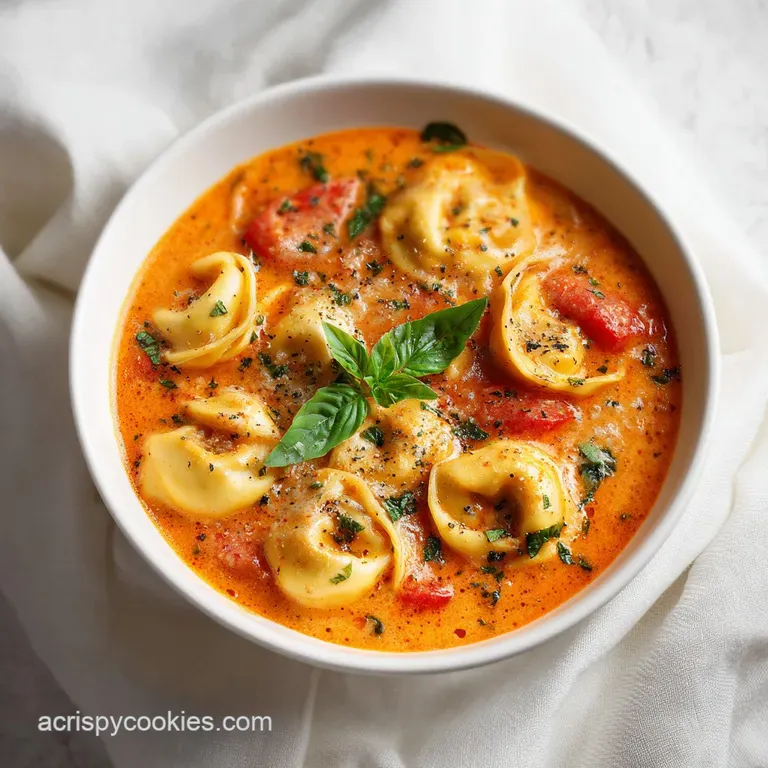
- Time: Active 10 minutes, Passive 20 minutes, Total 30 minutes
- Flavor/Texture Hook: Silky tomato cream with cheesy pasta bursts
- Perfect for: Busy weeknights or a cozy weekend lunch
- Master This Easy Cheesy Tomato Tortellini Soup
- Vital Stats for Your Soup Success
- Everything You Need for Rich Broth
- Essential Equipment for Velvet Texture
- Cooking the Perfect One Pot Soup
- Professional Tips to Avoid Mistakes
- Smart Variations and Ingredient Swaps
- Storing and Reheating Leftover Tortellini
- Best Sides for Hearty Italian Soup
- Myths Regarding Tomato Soup Prep
- Very High in Sodium
- Recipe FAQs
- 📝 Recipe Card
Master This Easy Cheesy Tomato Tortellini Soup
The moment that brick red tomato paste hits the hot olive oil, your kitchen transforms. There is a specific, savory aroma that fills the air, a mix of toasted garlic and sweet onion that tells your brain something incredible is happening.
I remember the first time I tried to re create this at home, I was chasing that specific "velvety" mouthfeel you get at high end Italian bistros. It is not just about the cream, it is about how the ingredients play together to create a cohesive, rich sauce that clings to every fold of the pasta.
We have all had those watery tomato soups that feel like a canned afterthought. This is the opposite. This is a thick, luxurious, and satisfying meal that relies on simple pantry staples handled with a bit of "flavor detective" intuition.
The secret lies in the order of operations, specifically how we treat the aromatics and the tomato solids before the liquid even touches the pot.
You are going to love how the refrigerated tortellini releases just enough starch to turn the chicken broth into a glossy, thick base. When you stir in that final handful of spinach and watch it wilt into the vibrant orange red broth, you'll know you have cracked the code on the ultimate comfort food.
Let's get into what makes this specific method work so well.
Vital Stats for Your Soup Success
Understanding the "why" behind the simmer is what separates a good cook from a great one. We aren't just heating things up, we are managing moisture and building layers of flavor.
- Aromatic Toasting: Sautéing the tomato paste for 2 minutes is vital. It carves out the raw, metallic edge and replaces it with a deep, caramelized sweetness that defines the soup.
- Starch Suspension: By cooking the refrigerated tortellini directly in the broth, we utilize the flour on the outside of the pasta. This acts as a natural thickener, giving the soup a "velvety" body without needing a flour based roux.
- Fat Emulsification: Adding the heavy cream and parmesan at the very end, off the heat, ensures the fats don't break. This creates a stable, silky texture rather than a greasy film on top.
- Acidity Balance: The crushed tomatoes provide a bright lift that cuts through the richness of the cheese and cream, preventing the dish from feeling overly heavy or one note.
| Cooking Method | Active Time | Resulting Texture | Best For |
|---|---|---|---|
| Stovetop (Standard) | 30 minutes | Perfectly al dente pasta with a bright, fresh broth. | Quick weeknight meals and optimal texture. |
| Oven (Dutch Oven) | 45 minutes | Deeply caramelized tomato flavors with a thicker, stew like consistency. | Slow weekend prep when you want deeper umami. |
| Slow Cooker | 4 hours | Soft, tender pasta that fully absorbs the savory broth flavors. | Busy days when you need a "set and forget" option. |
When comparing the stovetop to the oven method, the stovetop wins for texture control. In the oven, the consistent heat from all sides can lead to the tortellini overcooking if you aren't careful.
However, the oven method is brilliant for developing those dark, savory "fond" bits on the side of the pot that add a ton of character to the final bowl.
Everything You Need for Rich Broth
Selecting the right components is the first step in our flavor investigation. Each ingredient has a specific role to play in the architecture of the soup.
| Component | Science Role | Pro Secret |
|---|---|---|
| Tomato Paste | Umami Depth | Sauté until it turns a dark "brick red" to unlock hidden sweetness. |
| Refrigerated Tortellini | Thickening Agent | Use refrigerated, not dried, for a better "shatter" of cheese inside. |
| Heavy Cream | Fat Stabilization | Always stir in last to prevent the proteins from curdling. |
| Chicken Broth | Liquid Base | Choose low sodium to control the final seasoning profile perfectly. |
Beyond the basics, the quality of your parmesan matters. I always suggest grating it yourself from a wedge. The pre shredded stuff is coated in potato starch to prevent clumping, which can lead to a grainy texture in your velvety soup. If you are looking for a different vibe, this white lasagna soup uses similar principles but with a creamy, poultry focused base.
For the aromatics, we are using a medium yellow onion and fresh garlic. Don't reach for the jarred minced garlic here. The sulfurous compounds in fresh garlic are much more potent and provide that sharp, clean aroma we need to cut through the heavy cream.
Essential Equipment for Velvet Texture
You don't need a kitchen full of gadgets, but a few specific tools will make your life much easier and the results more consistent.
- Heavy Bottomed Dutch Oven: A cast iron pot such as a Lodge or Le Creuset is my top choice. The thick walls hold heat evenly, preventing the bottom of the soup from scorching while it simmers.
- Sharp Chef's Knife: You want a fine dice on the onion so it melts into the background. A dull knife will crush the cells, leading to a bitter taste and watery eyes.
- Microplane Grater: This is the best way to get that parmesan into a "snowy" consistency so it dissolves instantly into the broth.
- Silicone Spatula: Perfect for scraping those browned bits (the "fond") off the bottom of the pot after you add the chicken broth.
If you don't have a Dutch oven, any large, heavy stockpot will do. Just be mindful of the heat. Thin pots have "hot spots" that can cause the tomato solids to burn before the soup has a chance to develop its full flavor profile.
Cooking the Perfect One Pot Soup
Let's walk through the process. Pay close attention to the sensory cues, the sounds and smells will tell you exactly when to move to the next step.
- Heat 1 tbsp extra virgin olive oil in your Dutch oven over medium heat. Add the finely diced yellow onion. Sauté for 5 to 6 minutes. Note: You are looking for a translucent, slightly golden appearance and a sweet, softened aroma.
- Add the 3 cloves of minced garlic, 2 tbsp tomato paste, 1 tsp dried oregano, and 0.5 tsp red pepper flakes. Stir constantly for 2 minutes. Note: The tomato paste should darken significantly to a brick red color and smell intensely savory.
- Pour in the 28 oz of crushed tomatoes and 4 cups of chicken broth. Use your spatula to scrape the bottom of the pot. Note: This releases the "fond" which contains concentrated flavor.
- Bring the mixture to a boil, then immediately reduce the heat to a simmer. Leave the pot uncovered. Note: Simmering uncovered for 10 minutes allows the flavors to meld and the liquid to reduce slightly.
- Gently drop the 18 oz of refrigerated cheese tortellini into the bubbling liquid. Note: Simmer for 3 to 5 minutes until the pasta is tender and floats to the surface.
- Pour in 0.5 cup of heavy cream and 0.5 cup of freshly grated parmesan cheese. Note: Stir gently until the cheese has completely vanished into the soup.
- Turn off the heat. This is a precision checkpoint to prevent the cream from breaking.
- Fold in 2 cups of fresh baby spinach. Note: The residual heat will wilt the greens in about 30 seconds, keeping them bright green.
- Add 1 tsp salt and 0.5 tsp black pepper. Taste the broth. Note: Depending on your broth brand, you might need an extra pinch of salt to make the flavors "pop."
- Ladle into bowls and garnish with torn fresh basil leaves. Note: The basil provides a fresh, peppery aroma that balances the rich cream.
Professional Tips to Avoid Mistakes
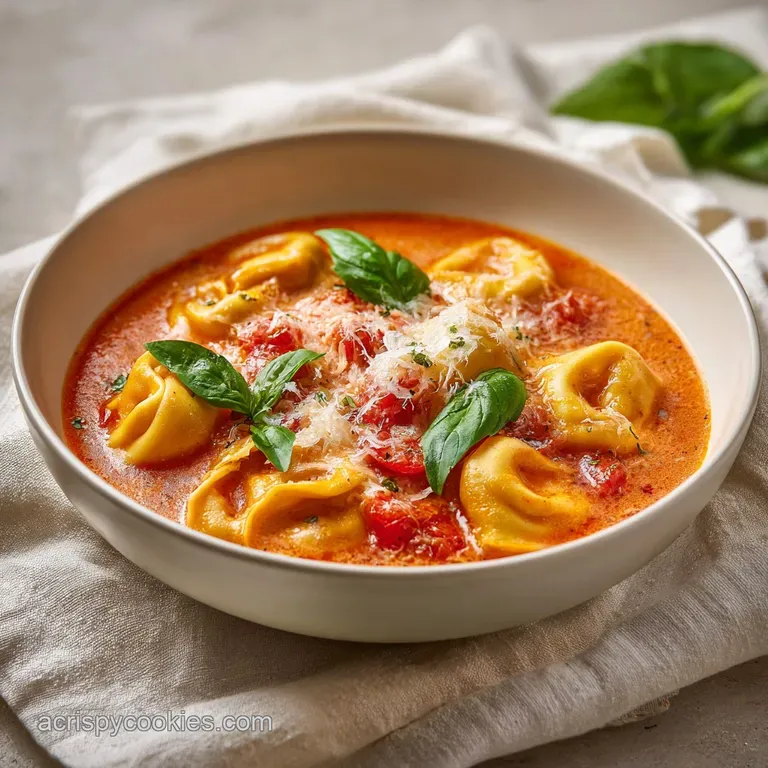
One of the biggest errors I see is overcooking the pasta. Tortellini is delicate. If you leave it in the simmering broth for too long, the dough becomes mushy and the cheese filling can leak out, ruining that beautiful "shatter" of texture when you bite into it.
Chef's Tip: If you plan on having leftovers, cook the tortellini separately in water and add it to individual bowls. This prevents the pasta from soaking up all the soup liquid overnight and becoming bloated.
Another trick I learned the hard way: always temper your cream if your kitchen is cold. If you pour ice cold heavy cream into a boiling pot, it can sometimes grain up. Let the cream sit on the counter for 10 minutes before adding, or stir a ladle of hot soup into the cream container first to warm it up.
Avoiding Mushy Tortellini
The pasta continues to cook even after you turn off the heat. To keep that perfect al dente bite, aim for the shorter end of the 3 to 5 minute window. If the pasta is just barely tender, it is time to add the cream. This soup is a fantastic variation when you want something more Italian inspired than a standard taco casserole with tortillas for dinner.
Preventing Cream Curdling
Acidity and heat are the enemies of dairy. The crushed tomatoes are quite acidic. To keep the soup silky, ensure you have reduced the heat before adding the cream. High heat can cause the proteins in the dairy to clump together, resulting in a grainy appearance that ruins the "velvety" aesthetic we are after.
Common Mistakes Checklist
- ✓ Don't skip the tomato paste sauté step; it's the foundation of the soup's color and depth.
- ✓ Avoid using "cooking" wine or pre minced garlic; fresh is non negotiable for restaurant quality results.
- ✓ Never boil the soup after adding the heavy cream.
- ✓ Pat the spinach dry if you washed it; excess water will dilute your rich broth.
- ✓ Use a microplane for the parmesan to ensure it emulsifies rather than clumping into a ball.
| Problem | Root Cause | Solution |
|---|---|---|
| Soup is too thin | Not enough starch release | Simmer the pasta for an extra minute or mash two tortellini into the broth. |
| Bitter aftertaste | Burned garlic or tomato paste | Always stir aromatics constantly and keep the heat at medium low. |
| Pasta is falling apart | Overcooked | Follow the 3 to 5 minute timer strictly and remove from heat immediately. |
Smart Variations and Ingredient Swaps
If you want to change things up, this base is incredibly forgiving. You can easily turn this into a protein heavy meal or a lighter, dairy-free version depending on who you are feeding.
| Original Ingredient | Substitute | Why It Works |
|---|---|---|
| Heavy Cream (0.5 cup) | Coconut Milk (Full fat, 0.5 cup) | Provides the same fat content. Note: Adds a very subtle nutty background. |
| Chicken Broth (4 cups) | Vegetable Broth (4 cups) | Maintains the volume and savory base for a vegetarian friendly dish. |
| Spinach (2 cups) | Chopped Kale (2 cups) | Offers more "crunch" and structure. Note: Needs 3 extra mins of simmering. |
If you are looking for a way to save a few dollars without sacrificing the "flavor detective" standards, consider these options:
- Budget Alternative: Use canned whole peeled tomatoes and crush them by hand. They are often higher quality than pre crushed cans and usually cost the same or less.
- Shortcut: Use a high-quality jarred marinara sauce instead of the crushed tomatoes and tomato paste. This cuts down on the sauté time but might require less salt.
- Protein Boost: Browned Italian sausage or shredded rotisserie chicken can be added in step 3 for a much heartier meal.
Storing and Reheating Leftover Tortellini
Storing this soup requires a little bit of strategy. As mentioned earlier, the pasta is like a sponge. It will continue to drink up the broth as it sits in the fridge.
Storage: Keep the soup in an airtight container for up to 3 days in the refrigerator. If the soup has thickened too much overnight, simply splash in a little extra chicken broth or water when reheating to bring back that velvety consistency.
Freezing: I do not recommend freezing the soup with the tortellini already in it. The pasta will become completely mushy upon thawing. Instead, freeze the "soup base" (everything up to step 4).
When you are ready to eat, bring the base to a boil, drop in fresh pasta, and finish with the cream and spinach as usual. The base will stay fresh in the freezer for up to 3 months.
Zero Waste Tip: Don't throw away the parmesan rind! Drop that hard piece of cheese into the soup during the 10 minute simmer in step 3. It will melt slightly and infuse the broth with an incredible amount of savory umami flavor. Just remember to fish it out before serving!
Best Sides for Hearty Italian Soup
While this "Cheesy Tomato Tortellini Soup" is a meal on its own, a few well chosen sides can turn it into a full spread experience.
- Garlic Crostini: Slice a baguette thin, brush with olive oil and garlic, and toast until it provides a loud "shatter" when bitten. It is the perfect vessel for soaking up the creamy broth.
- Arugula Salad: A simple bed of arugula with lemon juice and olive oil provides a peppery, acidic contrast to the rich, cheesy soup.
- Roasted Broccoli: The charred bits of broccoli florets add an earthy depth that pairs beautifully with the sweet tomato base.
If you find yourself with extra ingredients, you can always use the remaining spinach and garlic in a quick potsticker soup the next day. It is a completely different flavor profile but uses many of the same "one pot" efficiencies we love.
Myths Regarding Tomato Soup Prep
There are a lot of old wives' tales in the kitchen that we need to clear up to make sure your soup is the best it can be.
Myth 1: You must peel tomatoes for a smooth soup. In reality, using high-quality crushed tomatoes or an immersion blender later on removes the need for the tedious task of peeling. The skins contain a lot of pectin which actually helps with the body of the soup.
Myth 2: Searing the onions until they are brown is better. For this specific soup, we want translucent onions. Browning them (caramelizing) creates a flavor that is too sweet and "heavy," which competes with the delicate cheese in the tortellini.
We want the onions to provide a savory background, not take center stage.
Myth 3: Adding sugar is the only way to fix acidic tomatoes. While a pinch of sugar helps, the real trick is the long simmer with the aromatics and the addition of dairy.
The fat in the heavy cream naturally coats the tongue and masks the sharp perceived acidity of the tomatoes without making the soup taste like a dessert.

Very High in Sodium
1380 mg 1380 mg (60% 60% of daily value)
The American Heart Association recommends no more than 2,300mg of sodium per day, with an ideal limit of 1,500mg for most adults.
Tips to Reduce Sodium
-
Opt for Low-Sodium Broth-30%
Replace the standard chicken broth with low-sodium chicken broth. This single swap can significantly reduce the overall sodium content of your dish.
-
Reduce Added Salt-25%
Cut the added salt from 1 teaspoon to 1/4 teaspoon. You can always add more salt at the table if needed, after tasting.
-
Go Lighter on Parmesan-15%
Use half the amount of Parmesan cheese (1/4 cup) or choose a reduced sodium variety. Parmesan is a concentrated source of sodium.
-
Choose No-Salt Added Tomatoes-10%
Select no-salt added crushed tomatoes. While the recipe doesn't specify, canned tomatoes can be a hidden source of sodium.
-
Boost Flavor with Herbs
Lean on fresh basil, dried oregano, and garlic for flavor instead of salt. Consider adding a pinch of smoked paprika or a squeeze of lemon juice for extra zest.
Recipe FAQs
Can you put cheese tortellini in tomato soup?
Yes, it is an excellent combination. The pasta adds a hearty, comforting texture that turns a standard tomato soup into a complete, satisfying meal.
Should tortellini be cooked before adding to soup?
No, add them directly to the broth. Cooking the pasta directly in the soup allows the starch to release into the liquid, which helps thicken the base into a velvety consistency.
How to avoid common mistakes when making tomato soup?
Sauté the tomato paste until it turns brick red before adding liquids. Skipping this step prevents the soup from developing the necessary depth of flavor and signature color foundation.
What is in Jamie Oliver's 5 ingredient tomato soup?
This recipe does not follow that specific method. Our version focuses on building layers with aromatics, heavy cream, and Parmesan, similar to the rich flavor profile found in creamy pasta dishes.
How to prevent the soup from separating after adding cream?
Turn off the heat immediately after stirring in the cream and cheese. Never allow the soup to return to a boil once dairy is added, as high heat will cause the cream to curdle and separate.
How to keep the spinach from diluting the broth?
Pat your baby spinach dry thoroughly if you washed it before use. Adding wet leaves introduces excess water that can thin out the soup and weaken its rich flavor profile.
How to store leftovers effectively?
Place the soup in an airtight container in the refrigerator for up to three days. Be aware that the tortellini will absorb broth over time; simply splash in a little extra chicken broth during reheating to restore the original texture.
One Pot Cheesy Tomato Tortellini Soup
Ingredients:
Instructions:
Nutrition Facts:
| Calories | 508 kcal |
|---|---|
| Protein | 18.8 g |
| Fat | 23.4 g |
| Carbs | 56.2 g |
| Fiber | 6.4 g |
| Sugar | 9.2 g |
| Sodium | 1380 mg |
