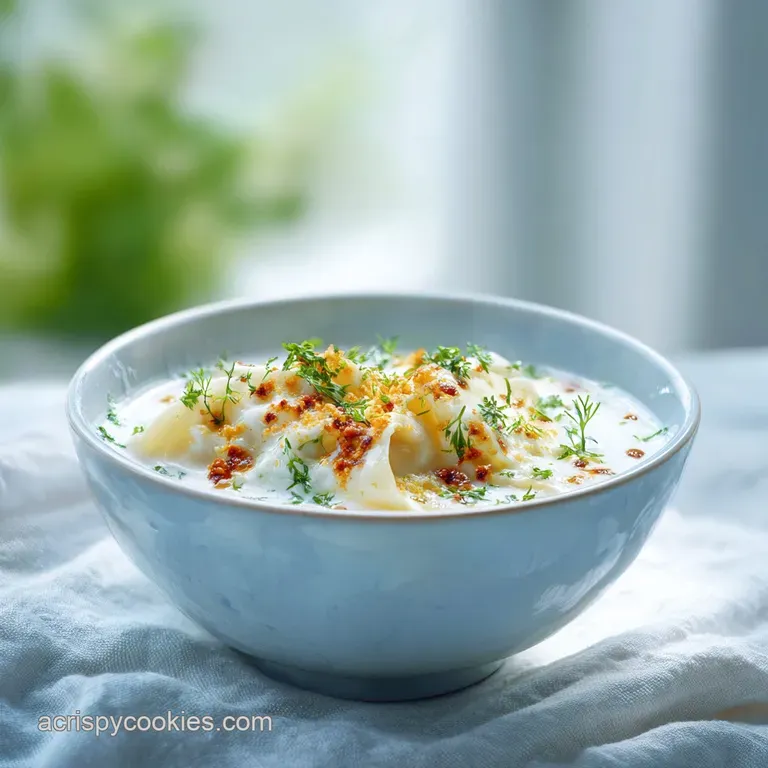
One-Pot Creamy White Lasagna Soup
- Time: Active 10 minutes, Passive 20 minutes, Total 30 minutes
- Flavor/Texture Hook: Silky, garlic infused cream with shattered pasta bits
- Perfect for: Cozy weeknight dinners or rapid meal prep for the family
- The Ultimate Secrets to Quick White Lasagna Soup
- Why This Creamy Bowl Actually Works
- Key Numbers for The Perfect Soup
- Breaking Down the Essential Flavor Elements
- The Best Tools for Easy Cleanup
- Step-by-Step Guide to Maximum Flavor
- Fixing Common Mistakes Like a Pro
- Swaps for Different Diets and Pantries
- How to Store and Reheat Leftovers
- Serving Suggestions for the Best Experience
- CRITICAL Sodium Alert!
- Recipe FAQs
- 📝 Recipe Card
The Ultimate Secrets to Quick White Lasagna Soup
The first time I tried to make a creamy pasta soup, it was a disaster I still think about with a shudder. I threw everything into a pot, walked away, and came back to what I can only describe as "lasagna sludge." The noodles had absorbed every drop of liquid, turning into a thick, gray paste that tasted like disappointment.
I realized then that a truly great quick white lasagna soup isn't about just boiling things together, it’s about the timing of the starch and the sizzle of the sear.
When you drop that chicken into the hot oil, you should hear a sharp, rhythmic crackle. That sound is the moisture leaving the surface of the meat, allowing the sugars to brown and create that deep, savory "fond" on the bottom of the pot.
It’s that brown layer that transforms a simple broth into a restaurant quality base. As the onions hit the pan, they pick up those toasted bits, turning from translucent white to a soft, golden tan, smelling like the best kind of kitchen comfort.
I spent weeks acting like a flavor detective, trying to figure out why some soups felt thin while others felt luxurious. The secret wasn't more cream, it was the noodles themselves. By breaking the lasagna sheets into jagged 2 inch pieces, you expose more edges.
These edges release just enough starch during the simmer to emulsify the heavy cream and Parmesan into a velvety liquid that coats the back of a spoon. It's satisfying, it's rich, and it’s finally the version I'm proud to share with you.
Why This Creamy Bowl Actually Works
Starch Suspension: Breaking the lasagna noodles creates rough, unsealed edges that shed starch into the broth, thickening the liquid naturally as it simmers.
Fond Integration: Searing the chicken at 450g allows for browning that provides a savory foundation, which is then deglazed by the bone broth to capture every molecule of flavor.
Late Stage Dairy: Adding the heavy cream and Parmesan at the very end prevents the dairy from curdling or breaking, ensuring a silky texture rather than a grainy one.
Residual Heat Wilting: Folding in the spinach after removing the pot from the burner keeps the greens bright and tender instead of slimy and overcooked.
| Method | Total Time | Texture | Best For |
|---|---|---|---|
| Stovetop | 30 minutes | Velvety, silky broth | Quick weeknight meals |
| Oven Finish | 45 minutes | Denser, slightly toasted | Getting a "crusty" cheese top |
| Slow Cooker | 4 hours | Shredded chicken, very soft | Hands off prep during the day |
Using a Dutch oven for this recipe is brilliant because the heavy cast iron holds onto heat better than thin stainless steel. This means when you add the 1.4L of cold chicken bone broth, the pot returns to a boil much faster, keeping your pasta texture from becoming mushy while it waits for the water to get hot.
Key Numbers for The Perfect Soup
Getting the temperature and timing right is the difference between a soggy mess and a masterpiece. I always keep a kitchen timer and a thermometer handy because guessing is the enemy of consistency.
If you want that chicken to stay juicy, don't let it overcook during the initial sear; remember, it’s going back into the boiling liquid later to finish through.
| Component | Target Metric | Importance | Pro Secret |
|---|---|---|---|
| Chicken Sear | 5 minutes | Develops savory base | Don't crowd the pot |
| Noodle Simmer | 10-12 minutes | Perfect al dente bite | Stir often to prevent sticking |
| Resting Period | 3 minutes | Sets the cream | Lets the ricotta warm slightly |
When you are working with 250g of dry noodles, the ratio of liquid is vital. It might look like too much broth at first, but those noodles are thirsty. If you've ever made my Italian Chicken Pasta, you know how quickly pasta can soak up a sauce. This soup follows the same logic, but we want to keep enough liquid to call it a "soup" while still feeling substantial.
Breaking Down the Essential Flavor Elements
Every ingredient in this quick white lasagna soup has a specific job to do. It’s not just about filling the pot; it’s about how these components interact to build a profile that tastes like it simmered for hours.
I've found that using 4 cloves of minced garlic might seem like a lot, but when it’s sautéed properly with the oregano, it mellows out into a sweet, aromatic hum rather than a sharp bite.
| Ingredient | Science Role | Pro Secret |
|---|---|---|
| Chicken Bone Broth | Provides gelatin for body | Use low sodium to control seasoning |
| Lasagna Noodles | Releases thickening starch | Break by hand for rustic, uneven edges |
| Whole Milk Ricotta | Adds cool, creamy contrast | Dollop at the very end, don't stir in |
| Parmesan Cheese | Acts as a natural emulsifier | Grate it fresh for a smoother melt |
For the noodles, I highly recommend standard dry lasagna sheets rather than the "no boil" variety. The no boil ones are thinner and tend to dissolve too quickly in a soup environment. We want those 2 inch pieces to hold their shape so you can actually get a bite of pasta on your spoon.
It provides that essential "shatter" of texture when you bite into it.
The Best Tools for Easy Cleanup
You don't need a kitchen full of gadgets for this, but the right pot makes a massive difference. I always reach for my 6 quart Dutch oven. It’s large enough to handle the 1.4L of broth without splashing, and the enameled surface is a dream for scraping up the chicken bits.
A good wooden spoon is also non negotiable for deglazing the bottom of the pot effectively.
- Large Dutch Oven: For even heat distribution and enough volume for 6 servings.
- Microplane Grater: To get that Parmesan into a fine snow so it melts instantly.
- Chef’s Knife: To dice that medium yellow onion into uniform pieces for even cooking.
- Ladle: For serving without the "noodle splash" that happens with big spoons.
If you don't have a Dutch oven, a heavy bottomed stockpot will work, but be careful with the heat. Thin pots can have hot spots that will scorch the 240ml of heavy cream if you aren't stirring constantly during the final five minutes of the process.
step-by-step Guide to Maximum Flavor
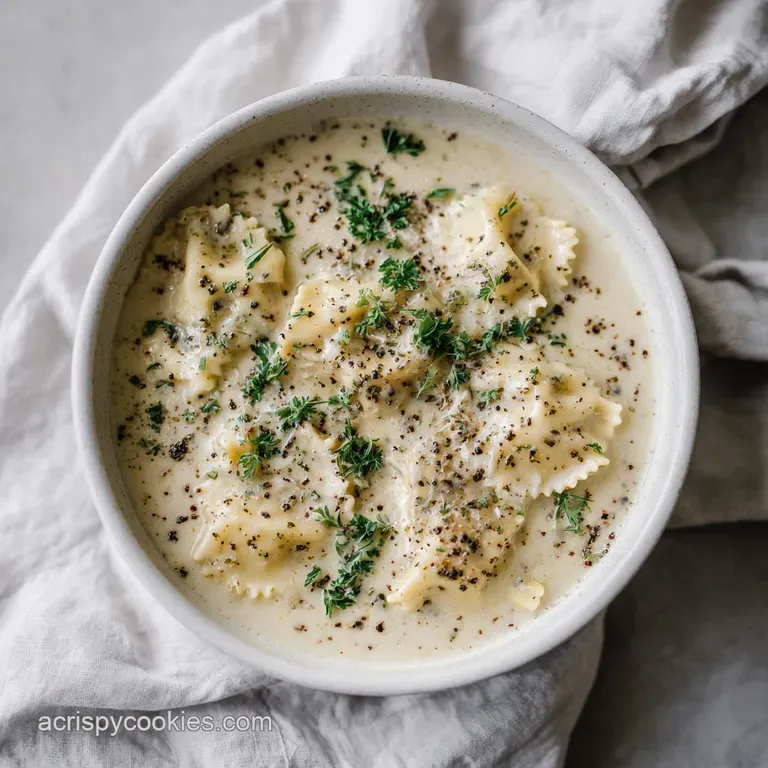
Sear the protein. Heat 15ml extra virgin olive oil in the Dutch oven. Season 450g chicken pieces and add them to the pot. Cook for 5 minutes until golden and sizzling.Note: This creates the flavor foundation known as the fond.
Sauté the aromatics. Lower heat to medium. Add the diced yellow onion and cook for 3-4 minutes until soft and translucent.
Bloom the spices. Stir in 4 cloves minced garlic, 5g dried oregano, and 2.5g red pepper flakes. Cook for 60 seconds until the kitchen smells like an Italian bistro.
Deglaze the pot. Pour in 1.4L chicken bone broth. Use your spoon to scrape every brown bit off the bottom.
Boil and break. Bring the liquid to a rolling boil. Break 250g lasagna noodles into 2 inch pieces and drop them in.
Simmer the pasta. Reduce heat to medium low. Cook for 10-12 minutes until noodles are tender but still have a bite.
Incorporate the dairy. Stir in 240ml heavy cream and 50g grated Parmesan. Simmer for 2 minutes until the liquid looks velvety.
Wilt the greens. Remove from heat. Fold in 60g baby spinach and the fresh basil until the leaves turn bright green and soft.
The final assembly. Ladle the soup into bowls. Add a generous dollop of the 225g ricotta cheese to the center of each.
Season and serve. Finish with a heavy crack of black pepper and serve immediately while the steam is rising.
Fixing Common Mistakes Like a Pro
The biggest issue people face with this dish is "noodle bloat." If the soup sits too long, the pasta continues to absorb the 1.4L of broth, turning it into a casserole. If you aren't eating it immediately, I recommend cooking the noodles separately in water and adding them to the individual bowls.
This keeps the broth clear and the pasta firm.
Why Your Soup Is Too Thick
If the liquid has vanished, it’s usually because the noodles were simmered too vigorously or for too long. Lasagna noodles are thick and will drink up broth like a sponge. Simply splash in an extra half cup of hot broth or water to loosen it back up to a soup consistency before serving.
Why Your Broth Curdled
Adding cold cream to a boiling pot can sometimes cause a thermal shock that leads to tiny white specks. Always lower the heat before adding the 240ml of heavy cream, or better yet, let the cream sit on the counter for 10 minutes to take the chill off before it hits the pot.
| Problem | Root Cause | Solution |
|---|---|---|
| Rubbery Chicken | Overcooked during the sear | Remove chicken after browning, add back at step 7 |
| Bland Broth | Not enough salt for the pasta | Add salt to the broth before adding noodles |
| Grainy Texture | Pre shredded cheese used | Always use freshly grated Parmesan from a block |
Common Mistakes Checklist
- ✓ Don't skip the chicken searing step; it’s where half the flavor lives.
- ✓ Break the noodles over the pot to catch every little shard of pasta.
- ✓ Use a low simmer, not a violent boil, once the noodles are in.
- ✓ Stir every 2 minutes to prevent noodles from nesting together.
- ✓ Season with pepper at the very end to keep the flavor sharp and fresh.
Swaps for Different Diets and Pantries
I'm a big believer that a recipe should work for what you have in your kitchen. If you're out of lasagna noodles, don't panic. Any large, flat pasta like pappardelle or even bowtie pasta will work perfectly here. The key is maintaining that surface area to release the starch.
For those who enjoy a bit of a different vegetable profile, adding sautéed mushrooms with the onions adds a wonderful earthy depth.
| Original Ingredient | Substitute | Why It Works |
|---|---|---|
| Chicken Breasts | Chicken Thighs | Higher fat content; stays juicier during the simmer |
| Heavy Cream | Half and Half | Lower calorie count. Note: Broth will be slightly thinner |
| Baby Spinach | Chopped Kale | More texture. Note: Add 3 minutes earlier to soften |
If you are looking for a side dish to pair with this, I often find that the creamy nature of this soup goes brilliantly with something crunchy. My Broccoli Casserole recipe is a great option if you're serving a larger crowd and want to stay within that "comfort food" theme. The contrast between the soft soup and a crispy topped casserole is a winner every time.
How to Store and Reheat Leftovers
Storage is the only "tricky" part of this recipe. Because the noodles are so absorbent, they will turn into a solid mass in the fridge overnight. If you have leftovers, I suggest adding a splash of broth before you put them in the airtight container.
It will keep in the fridge for up to 3 days, but be prepared for it to look more like "creamy pasta" than soup the next day.
To reheat, put the soup in a small saucepan over medium low heat. Add 1/4 cup of water or broth to help reconstitute the liquid. Do not microwave on high power, or the heavy cream might separate and get oily. Instead, heat it gently and stir frequently until it's steaming again.
I don't recommend freezing this soup once the noodles and dairy are added, as the texture of the pasta becomes very grainy and mushy upon thawing.
If you want to reduce waste, save those Parmesan rinds! Toss a rind into the broth while the noodles are simmering. It adds a massive boost of umami and salty depth that makes the soup taste like it's from a high end Italian restaurant. Just remember to fish the rind out before you fold in the spinach.
Serving Suggestions for the Best Experience
When you ladle this into a bowl, the visual appeal is all about the contrast. The bright green of the spinach and basil against the creamy white broth is stunning. But the real magic is that dollop of 225g whole milk ricotta. Don't stir it in completely!
Leaving it as a cool, creamy island in the middle of the hot soup allows you to get a little bit of that classic lasagna "cheese layer" in every bite.
- The Crunch Factor: Serve with a side of toasted sourdough or garlic bread. You need something to soak up the last of that velvety broth at the bottom of the bowl.
- The Herb Finish: Always use fresh basil. Dried basil just doesn't have that peppery, aromatic punch that cuts through the richness of the heavy cream.
- The Heat: If you like it spicy, don't be afraid to double the red pepper flakes to 5g. It balances the dairy beautifully.
This soup is a "flavor detective" win for me because it captures the soul of a lasagna the herbs, the creamy cheese, the tender pasta without the hour long bake time.
It’s investigative cooking at its best: taking a complex dish and figuring out how to make it accessible for a busy Tuesday night while keeping the quality sky high. Trust me, once you smell that garlic and oregano blooming in the pot, you'll know exactly why this is a keeper.

CRITICAL Sodium Alert!
1140 mg 1140 mg (50% 50% of your daily value)
The American Heart Association recommends a limit of 2,300mg per day for most adults, aiming for an ideal limit of 1,500mg per day for even greater heart health benefits.
Tips to Reduce Sodium in Your Creamy Chicken Lasagna
-
Choose Low-Sodium Broth-30%
Replace the standard chicken bone broth with a low-sodium or no-salt added version. This single change can significantly cut down on hidden sodium.
-
Season Gradually and Taste-25%
Significantly reduce or eliminate added salt. Rely more on the natural flavors of herbs, spices, garlic, and onion. Taste and adjust seasoning with pepper and other non-sodium enhancers as needed.
-
Select Lower Sodium Cheeses-15%
Use Parmesan cheese with less sodium, or explore options like a part skim ricotta that may contain less sodium. Grate your own Parmesan to control the amount.
-
Boost Flavor with Fresh Herbs
Amplify the dish's taste by generously using fresh basil and dried oregano. These aromatics provide vibrant flavor without adding any sodium.
-
Flavorful Aromatics-5%
Increase the amount of fresh garlic and yellow onion. Sautéing them well will release their natural sweetness and savory notes, reducing the need for salt.
Recipe FAQs
Is it necessary to sear the chicken before adding the broth?
Yes, searing is essential for flavor. Cooking the chicken for 5 minutes until golden creates the fond, which serves as the savory foundation for the entire broth base.
How to prevent the lasagna noodles from sticking together while boiling?
Stir the pot every 2 minutes while the noodles cook. Keeping the pasta moving ensures they remain separated and prevents them from clumping into a single mass.
Is it true I can cook the noodles separately to keep the soup from getting too thick?
No, this is a common misconception. Cooking the noodles directly in the broth allows the natural starch to release, which is vital for achieving the proper velvety mouthfeel when you stir in the heavy cream and Parmesan.
How to achieve the perfect creamy consistency without it curdling?
Simmer for only 2 minutes after adding dairy. If you enjoyed mastering this emulsification technique here, you will find it applies to many other one-pot meals where starches and fats must integrate smoothly.
How to tell when the chicken is perfectly cooked?
Look for a golden brown sear after 5 minutes in the pot. Since the pieces are cut into small 1 inch chunks, they will finish cooking through gently while the lasagna noodles simmer in the broth.
How to handle the spinach and basil without turning them into mush?
Fold the greens in only after removing the pot from the heat. The residual heat of the soup is more than enough to wilt the spinach and basil while keeping their vibrant color and fresh flavor intact.
How to store leftovers properly?
Transfer the soup to an airtight container and refrigerate for up to 3 days. Keep in mind the pasta will continue to absorb liquid over time, so you may need to add a splash of chicken bone broth when reheating to reach your desired consistency.
One Pot White Lasagna Soup
Ingredients:
Instructions:
Nutrition Facts:
| Calories | 567 kcal |
|---|---|
| Protein | 39.2 g |
| Fat | 27.8 g |
| Carbs | 39.7 g |
| Fiber | 2.1 g |
| Sugar | 4.2 g |
| Sodium | 1140 mg |
