Easy Potsticker Soup Recipe with Ginger
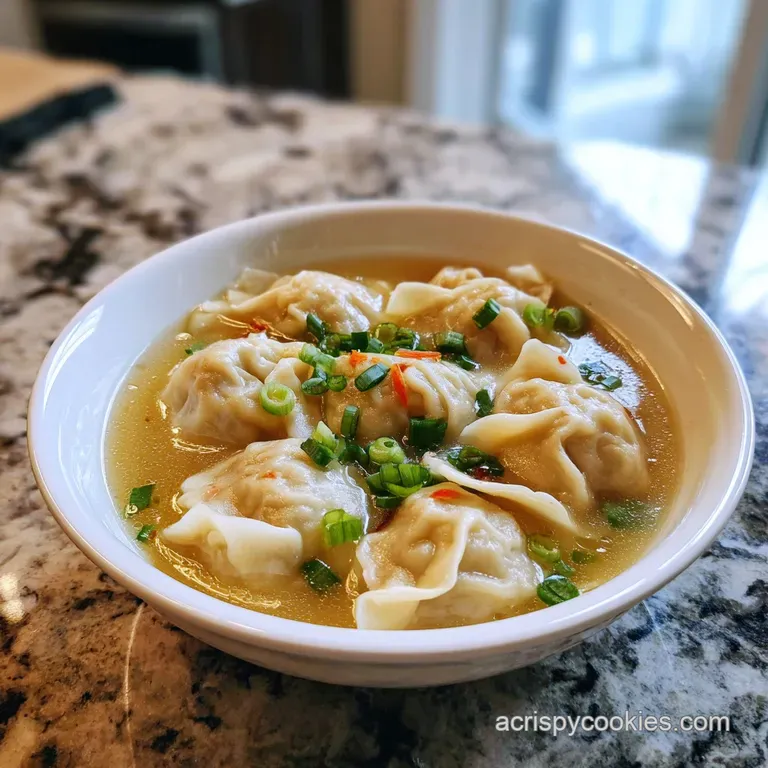
- Time: Active 5 minutes, Passive 10 minutes, Total 15 minutes
- Flavor/Texture Hook: Piquant ginger heat paired with velvety, tender dumplings
- Perfect for: Stressful weeknights or when you need a quick, nourishing internal hug
- Mastering the Easy Potsticker Soup Recipe with Ginger
- The Science Behind Building Intensely Flavorful Broth Layers
- Essential Preparation and Timing Specs for Success
- Selecting the Right Components for Maximum Umami
- Tools and Equipment for a Flavorful Kitchen
- Executing the Perfect Simmer for Delicate Dumplings
- Navigating Common Hurdles for the Best Results
- Smart Swaps and Flavor Profile Adjustments
- Preservation Methods and Waste Reduction Strategies
- Complementary Dishes to Serve Alongside This Soup
- Very High in Sodium
- Recipe FAQs
- 📝 Recipe Card
Mastering the Easy Potsticker Soup Recipe with Ginger
The first time I cracked the code on this recipe, it was a rainy Tuesday, and I was staring at a bag of frozen gyoza with zero desire to pan fry them. I wanted something that felt like a hug in a bowl, but every broth I made tasted like salty water.
Then I heard it that sharp, aggressive sizzle of freshly grated ginger hitting hot toasted sesame oil. The aroma that filled my kitchen wasn't just "food"; it was piquant, bright, and instantly cleared my head.
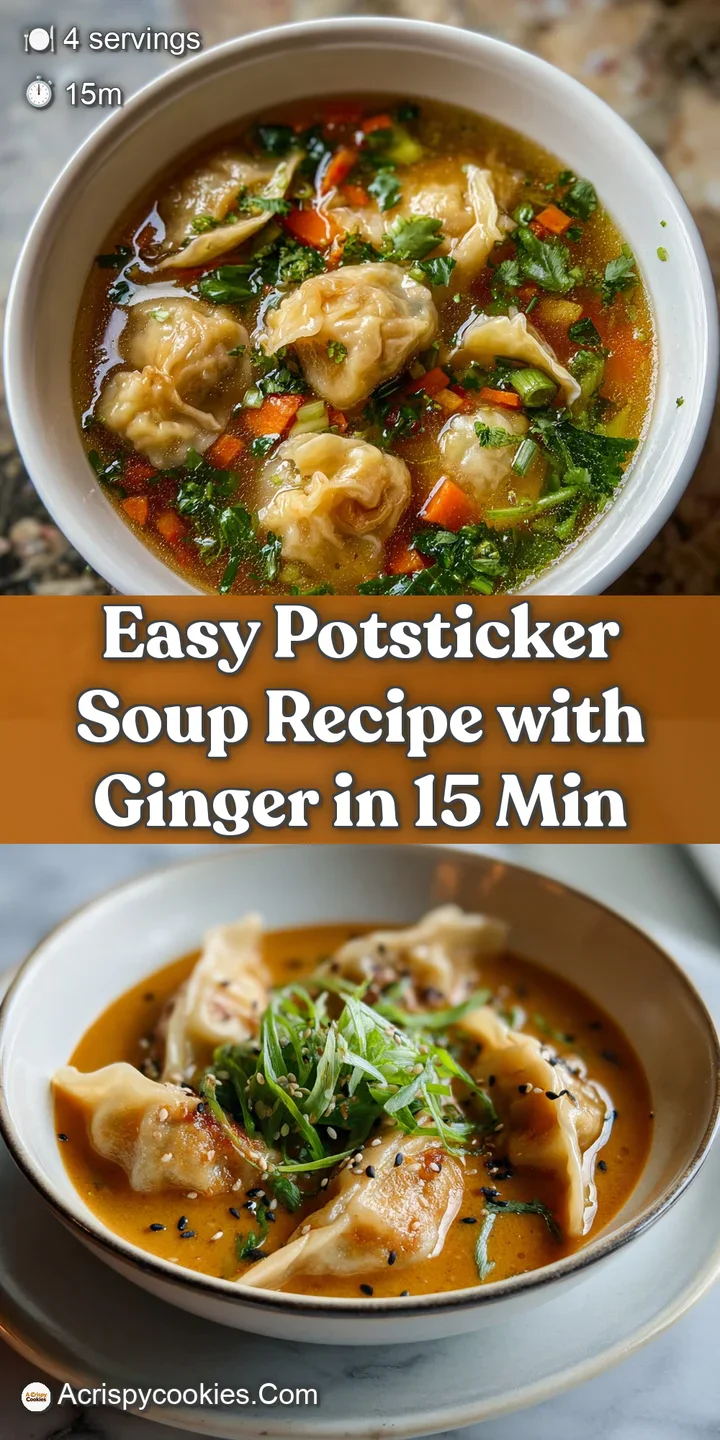
This easy potsticker soup recipe with ginger and garlic offers a comforting, flavorful meal that tastes like you spent the afternoon hovering over a stockpot. As a self proclaimed flavor detective, I realized the secret isn't in a long simmer; it's in how you treat the aromatics at the very start.
We aren't just boiling things here; we are building a foundation of flavor that clings to every single dumpling.
You’re going to love how the sharp ginger bite cuts through the rich, savory chicken broth. It’s a total recreation of those high end dumpling house soups but made in your favorite pajamas. Let's get into the specifics of why this works so well.
The Science Behind Building Intensely Flavorful Broth Layers
- Fat Soluble Aromatics: Compounds in ginger and garlic (like gingerol) release most efficiently when heated in fat rather than water, creating a more "rounded" flavor profile.
- Starch Emulsification: A tiny amount of starch from the frozen dumpling skins leaches into the broth as they simmer, giving the liquid a slightly more velvety body.
- Acid Base Balance: The rice vinegar provides a necessary piquant "lift," breaking through the heavy umami of the soy sauce and chicken fat.
- Maillard Lite Transition: Sautéing the white parts of the green onions creates a mellow, sweet foundation that offsets the sharp heat of the raw ginger.
| Method | Time | Texture | Best For |
|---|---|---|---|
| Stovetop (This Recipe) | 15 minutes | Silky broth, tender dumplings | Maximum flavor control |
| Slow Cooker | 4 hours | Very soft dumplings | Hands off meal prep |
| Instant Pot | 10 minutes | Firm dumplings | Extreme time saving |
Choosing the stovetop method allows you to monitor the "doneness" of the dumplings perfectly. Overcooking them is the quickest way to end up with a bowl of mushy dough instead of the distinct, plump parcels we're after.
Essential Preparation and Timing Specs for Success
Building a potsticker soup recipe with ginger and garlic for cozy comfort requires precision. If you've ever made my Authentic Albondigas Soup recipe, you know that a great broth starts with the right ratio of aromatics to liquid. This dish is no different, relying on a over high heat start followed by a gentle finish.
Fat Soluble Flavor Extraction
When you grate 3 tbsp of fresh ginger, you're releasing a massive amount of surface area to the heat. If you just throw it into boiling broth, the flavor stays "one note." By blooming it in the toasted sesame oil first, you create a spicy, fragrant oil that coats the entire surface of the soup, ensuring every spoonful hits your palate with that signature ginger warmth.
Maintaining Dumpling Structural Integrity
Frozen dumplings are delicate once they begin to thaw. We use a "gentle simmer" technique rather than a rolling boil. A rolling boil acts like a washing machine, physically battering the dough until the seams burst. We want a quiet, bubbling simmer that cooks the filling while keeping the wrapper intact.
The Vital Brightening Acid
At the very end, that 1 tbsp of rice vinegar acts as a "flavor detective" tool, highlighting the hidden notes in the soy sauce. Without it, the soup can feel heavy. It’s the same logic I use in my Chicken Broccoli Rice recipe to keep the cheese sauce from feeling too cloying acid is the secret to balance.
Selecting the Right Components for Maximum Umami
| Component | Science Role | Pro Secret |
|---|---|---|
| Toasted Sesame Oil | Flavor Carrier | Use "toasted" specifically; regular sesame oil lacks the deep, nutty aroma. |
| Fresh Ginger | Piquant Heat | Grate it finely using a microplane to avoid fibrous chunks in the broth. |
| Bok Choy Stems | Structural Texture | Add them early to soften, saving the leaves for the final 60 seconds. |
| Rice Vinegar | Acidic Balance | It has a lower pH than white vinegar, offering a milder, sweeter tang. |
The Fragrant Aromatic Base
You'll need 1 tbsp of toasted sesame oil to start. This isn't just a cooking fat; it's a primary seasoning. When it meets the 3 tbsp of grated ginger and 4 cloves of minced garlic, the kitchen will smell like a dream. Ginger and garlic for cozy comfort are the non negotiables here.
The Nutrient Dense Broth
The 6 cups of low sodium chicken or vegetable broth serve as our canvas. Using low sodium is vital because it gives us total control over the seasoning when we add the 2 tbsp of soy sauce later. This ensures the potsticker soup recipe with ginger and garlic for cozy comfort remains restorative rather than just salty.
The Dumpling Protein Center
1 lb of frozen potstickers or gyoza (pork, chicken, or veggie all work) provides the heart of the meal. These are the "stars," and the soup recipe with ginger and garlic for cozy comfort is designed to highlight their savory fillings.
Tools and Equipment for a Flavorful Kitchen
You don't need a professional kitchen, but a few specific tools make this "flavor detective" work much easier. A heavy bottomed pot, like a 5 quart Dutch oven (such as a Lodge or Le Creuset), is my go to. It holds heat evenly, which is crucial when you're trying to maintain that gentle simmer for the dumplings.
Chef Tip: Use a microplane or a very fine grater for the ginger. If you chop it with a knife, you'll end up with woody bits. Grating it creates a ginger paste that dissolves into the oil and broth for a seamless texture.
A spider strainer or a slotted spoon is also handy for serving. It lets you place the dumplings in the bowls first so they don't splash hot broth everywhere. Finally, keep a sharp chef's knife ready for those green onions and bok choy; a dull knife will bruise the greens rather than slicing through them cleanly.
Executing the Perfect Simmer for Delicate Dumplings
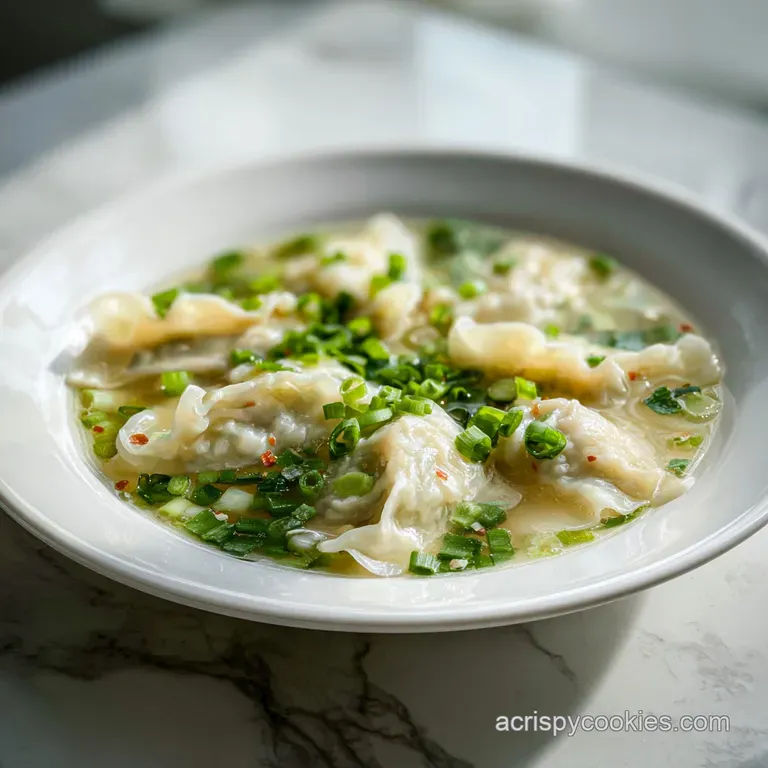
- Heat the oil. Place 1 tbsp toasted sesame oil in your pot over medium heat until it shimmers and smells nutty.
- Bloom the aromatics. Add 3 tbsp grated ginger, 4 minced garlic cloves, and the minced white parts of the green onions.
- Sauté gently. Stir for 1-2 minutes until the garlic is golden and the ginger is fragrant. Note: Don't let the garlic brown deeply, or it will turn bitter.
- Build the broth. Pour in 6 cups of broth and 2 tbsp soy sauce.
- Simmer the base. Bring to a boil, then reduce heat to a low simmer for 5 minutes until the flavors meld together.
- Add the greens. Stir in the chopped bok choy stems. Note: Adding stems first ensures they soften while the leaves stay bright.
- The gentle drop. Carefully add 1 lb frozen potstickers.
- Cook the dumplings. Simmer for 3-5 minutes until the potstickers float and the skins look translucent.
- The final touch. Stir in the 1 tbsp rice vinegar and the bok choy leaves.
- Garnish and serve. Ladle into bowls and top with 1 tsp toasted sesame seeds and the green onion tops.
| Aspect | Fast (Frozen) | Classic (Handmade) |
|---|---|---|
| Prep Time | 5 minutes | 1 hours 15 mins |
| Texture | Consistent, thin wrapper | Chewy, rustic, varied |
| Convenience | 10/10 | 3/10 |
Navigating Common Hurdles for the Best Results
Preventing Dumpling Disintegration
If your dumplings are falling apart, the "root cause" is usually a vigorous boil. High velocity bubbles tear the thin skins of the gyoza. To fix this, always turn the heat down to a low simmer before adding the frozen potstickers. They should drift gently in the liquid, not be tossed around like they're in a storm.
Fixing Weak Broth Profiles
Sometimes, despite the ginger, the broth can taste a bit thin. This usually happens if the broth was low quality or if the ginger wasn't sautéed long enough. If it feels flat, add a tiny pinch of sugar or an extra teaspoon of soy sauce. The sugar helps "glue" the savory and spicy notes together.
| Problem | Root Cause | Solution |
|---|---|---|
| Mushy Dumplings | Overcooking or high boil | Reduce time; maintain a "gentle simmer" only |
| Bitter Aftertaste | Scorched garlic | Sauté aromatics on lower heat next time |
| Too Salty | Broth reduction or full sodium soy | Add 1/2 cup water and an extra splash of vinegar |
Common Mistakes Checklist
- ✓ Never add the dumplings to cold broth; it makes the dough gummy.
- ✓ Don't skip the bok choy stems they provide a necessary crunch.
- ✓ Grate the ginger fresh; the bottled stuff lacks the piquant "zing" we need.
- ✓ Keep the pot uncovered while simmering the dumplings so you can watch for them to float.
- ✓ Use a low sodium broth so you can control the salt levels with soy sauce.
Smart Swaps and Flavor Profile Adjustments
| Original Ingredient | Substitute | Why It Works |
|---|---|---|
| Rice Vinegar | Lime Juice (1 tbsp) | Provides a similar acidic piquant lift with a citrus twist. |
| Bok Choy | Baby Spinach | Wilts instantly; great if you're in a massive hurry. |
| Toasted Sesame Oil | Neutral Oil + 1 tsp Peanut Butter | Mimics the nuttiness but lacks the specific toasted aroma. |
gluten-free Substitution Options
If you want to make this gluten-free, use Tamari instead of soy sauce and look for gluten-free frozen dumplings (brands like Feel Good Foods make great ones). Make sure your chicken broth is also certified GF, as some brands use yeast extract derived from barley.
Increasing Daily Vegetable Intake
You can easily turn this into a "garden in a bowl." Add sliced shiitake mushrooms along with the aromatics or toss in a handful of shredded carrots with the bok choy stems. Just remember that adding more watery vegetables might require an extra splash of soy sauce to keep the flavor from diluting.
Preservation Methods and Waste Reduction Strategies
Storage: You can store the broth and vegetables in the fridge for up to 3 days. However, I highly recommend storing the dumplings separately if you have leftovers. If they sit in the liquid, they will continue to absorb moisture and eventually turn into a thick porridge.
Zero Waste Tip: Don't throw away those green onion roots! You can place them in a small jar of water on your windowsill, and they’ll regrow indefinitely. Also, if you have leftover ginger, peel it and freeze it. Frozen ginger is actually easier to grate and lasts for months.
Freezing: This soup doesn't freeze well once the dumplings are in it. If you want to prep ahead, make the ginger garlic broth base, freeze that in bags, and then just drop in fresh frozen dumplings and bok choy when you're ready to eat.
Complementary Dishes to Serve Alongside This Soup
While this easy potsticker soup recipe with ginger is a complete meal on its own, I love serving it with a side of smashed cucumber salad seasoned with chili oil and garlic. The cold, crisp cucumbers provide a fantastic temperature contrast to the steaming, savory soup.
If you're hosting a little "dim sum" night at home, this soup pairs beautifully with a Baked Spinach Artichoke recipe as a surprising fusion appetizer. It might sound wild, but the creamy dip and the spicy, clear broth actually balance each other out quite well.
For a drink pairing, a hot cup of jasmine or oolong tea helps cleanse the palate between bites of the rich, sesame laden broth. It’s all about building those layers of experience.
This soup recipe with ginger and garlic for cozy comfort is truly a "cracking the code" moment for any home cook looking for restaurant level flavor without the restaurant level effort.
- If you want a spicier kick, add 1 tsp of crispy chili oil (like Lao Gan Ma) to the bowl just before serving.
- If you want a richer mouthfeel, whisk in a teaspoon of miso paste at the very end (don't boil it, or the flavor dies).
- If you want a heartier meal, add a soft boiled egg (6.5 minutes) sliced in half right on top.
Trust me, once you smell that ginger and garlic for cozy comfort hitting the pan, you'll never go back to plain broth again. Let's crack on and get cooking!
Very High in Sodium
1385 mg 1385 mg of sodium per serving (60% 60% of daily value)
The American Heart Association recommends limiting sodium intake to about 2,300mg per day for overall cardiovascular health.
Tips to Reduce Sodium in Your Potsticker Soup
-
Broth Upgrade-30%
Ensure your broth is truly low-sodium! Look for no-salt added varieties. Swapping to a no-salt added broth can significantly reduce the sodium content.
-
Potsticker Check-25%
Potstickers or Gyoza can be high in sodium. Check the nutrition label and choose a brand with the lowest sodium content per serving. Consider making your own from scratch to control the ingredients.
-
Soy Sauce Swap-20%
Even low-sodium soy sauce contributes to the overall sodium. Consider using a very small amount or substituting with coconut aminos, which are naturally lower in sodium.
-
Flavor Boost
Enhance the flavor with fresh herbs and spices! Instead of relying on salt, use more ginger, garlic, and green onions to create a flavorful broth. Consider adding chili flakes for some heat.
Recipe FAQs
Can I use pre-minced garlic or ginger from a jar instead of fresh for this soup?
No, using fresh is essential for the best flavor. Jarred products lose the intense, volatile aromatic oils during preservation, resulting in a duller broth.
How to prevent the frozen potsticker skins from tearing while cooking in the broth?
Reduce the heat to a gentle simmer immediately after adding them. A rolling boil physically batters the delicate dough; a gentle simmer cooks them through without causing physical stress.
Is it possible to make this soup vegetarian while retaining the savory depth?
Yes, by swapping the chicken broth for mushroom broth. Use a rich dried shiitake mushroom broth and boost the umami with a teaspoon of white miso paste.
How long does the broth flavor base need to sauté before adding liquid?
Sauté the ginger and garlic in sesame oil for 1 to 2 minutes. You are looking for the garlic to turn light gold and the ginger to become intensely fragrant, which efficiently blooms the fat-soluble compounds.
How to adjust the recipe if I prefer a soup with a thicker, more velvety broth texture?
Create a cornstarch slurry and whisk it into the simmering liquid. Mix one teaspoon of cornstarch with two teaspoons of cold water, then slowly whisk it into the boiling broth until thickened, similar to the technique used to thicken sauces in our French Onion Chicken recipe.
What is the best way to store leftovers to prevent the dumplings from getting mushy?
Separate the broth from the dumplings before refrigerating. Dumplings will continue to absorb liquid and break down in the fridge; storing them dry ensures they maintain texture for reheating the next day.
Can I use Napa cabbage instead of bok choy in this recipe?
Yes, Napa cabbage works well as a substitute. Add the tougher white parts of the Napa cabbage about two minutes before the dumplings, as it requires slightly longer cooking time than the bok choy stems.
Potsticker Soup With Ginger
Ingredients:
Instructions:
Nutrition Facts:
| Calories | 312 kcal |
|---|---|
| Protein | 13.5 g |
| Fat | 10.3 g |
| Carbs | 40.8 g |
| Fiber | 3.2 g |
| Sugar | 2.1 g |
| Sodium | 1385 mg |
