Beef Short Ribs Recipe Slow Cooker
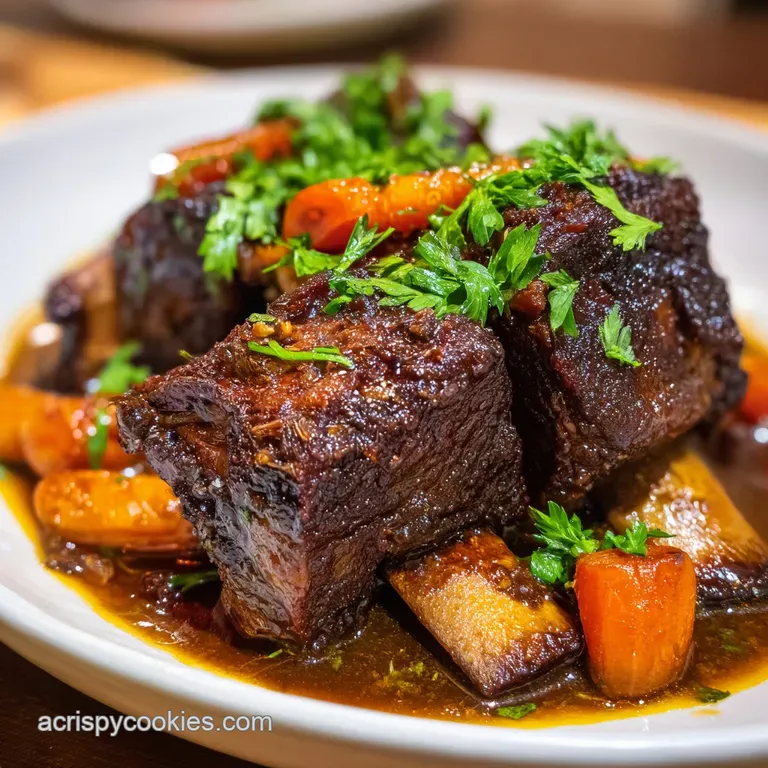
- Time: Active 20 mins, Passive 8 hours, Total 8 hours 20 mins
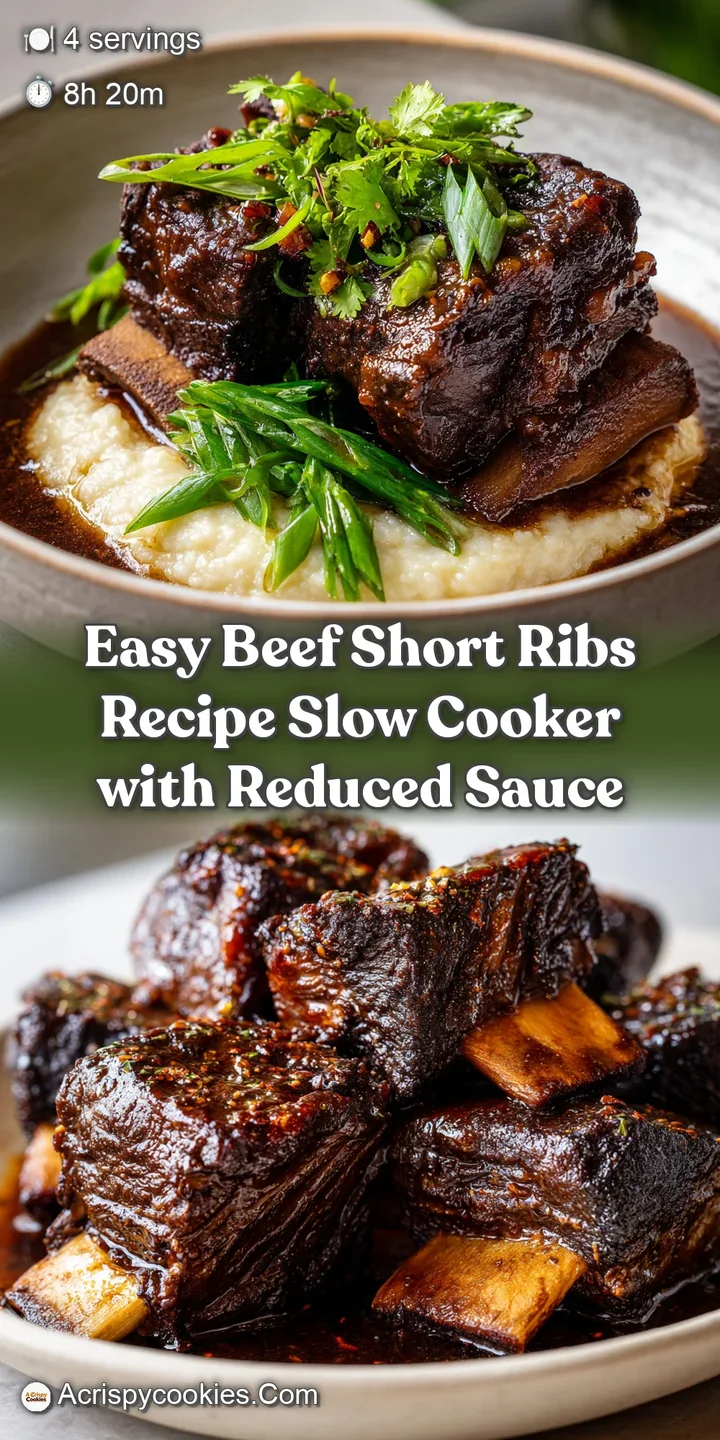
- Flavor/Texture Hook: Velvety, melt in-your mouth beef with a deeply reduced wine sauce
- Perfect for: Stress free Sunday dinners or impressive hosting
- Unlock My Best Beef Short Ribs Recipe Slow Cooker
- The Science of Succulent Ribs
- The Elements of Deep Flavor
- Kitchen Tools for Best Results
- Step-by-Step Braising Technique
- Fixing Texture and Sauce Issues
- Flavor Variations and Simple Swaps
- Storage and Batch Cooking Tips
- Pairing Ideas for Short Ribs
- Myths About Slow Braising
- Critical in Sodium
- FAQ: Your Questions Answered
- Recipe FAQs
- 📝 Recipe Card
Unlock My Best Beef Short Ribs Recipe Slow Cooker
The first time I tried making short ribs, I was a total disaster. I thought I could skip the searing step and just dump everything into the ceramic pot before heading to work. I came home to a gray, watery mess that tasted more like boiled wool than a restaurant quality meal.
It was a heartbreaking waste of expensive meat, but it turned into my "flavor detective" origin story. I spent the next three months testing sear times, wine ratios, and aromatic bases until I cracked the code on how to get that glossy, bone slipping finish at home.
Now, when I walk into my kitchen after eight hours of slow cooking, the aroma is thick enough to chew. It’s that specific scent of red wine that has lost its sharp alcoholic bite and transformed into something dark, fruity, and incredibly savory.
You can hear the gentle bubble of the liquid, and when you lift the lid, the meat literally starts to pull away from the bone at the mere sight of a fork. This isn't just a "set it and forget it" meal; it's a calculated re creation of a high end bistro classic that works every single time.
The Science of Succulent Ribs
The Physics of the Pull
Collagen Conversion: At around 70°C, the tough collagen in the beef begins to denature and transform into liquid gelatin. This process requires sustained, low heat over several hours to ensure the muscle fibers remain moist while the "glue" holding them together completely melts.
Precise Cooking Benchmarks
| Cooking Parameter | Target Metric | Visual/Sensory Cue |
|---|---|---|
| Beef Weight | 4 lbs (1.8 kg) | Bone in for max marrow flavor |
| Internal Temperature | 95°C (203°F) | Meat offers zero resistance to a probe |
| Reduction Goal | 1/3 Volume | Sauce coats the back of a spoon |
There is a distinct difference between using a slow cooker and an oven for this specific cut. While both provide the low and slow environment needed for collagen breakdown, the slow cooker excels at moisture retention, whereas the oven provides more evaporation for a thicker sauce.
Cooking Method Comparison
| Method | Moisture Level | Sauce Consistency | Energy Use |
|---|---|---|---|
| Slow Cooker | Maximum retention | Thinner, requires finishing | Very low |
| Oven (150°C) | Moderate | Naturally thicker | High |
| Stovetop | Low | Very thick/Intense | High (requires monitoring) |
If you want the most hands off experience with the most tender results, the slow cooker wins every time. But what about the sauce? We'll get to the finishing touch that bridges the gap.
The Elements of Deep Flavor
The secret to this beef short ribs recipe slow cooker is the quality of the "braising foundation." We aren't just using liquid; we are building a structured sauce.
| Component | Science Role | Pro Secret |
|---|---|---|
| Tomato Paste | Umami & Body | Sauté it until it turns rust colored to remove the raw metallic tang. |
| Red Wine | Acidic Tenderizer | Use a dry Cabernet; the tannins help cut through the heavy beef fat. |
| Bone Broth | Gelatin Source | store-bought "beef broth" is often just salty water; bone broth adds real mouthfeel. |
Essential Ingredients and Substitutes
- 4 lbs bone in beef short ribs: Why this? The bone provides structure and deep marrow flavor during the 8 hour braise.
- Substitute: Beef chuck roast cut into 3 inch chunks (will be less silky).
- 2 cups dry red wine: Why this? Provides the acidity needed to balance the richness of the fat.
- Substitute: 1.5 cups beef broth + 1/2 cup balsamic vinegar.
- 2 tbsp tomato paste: Why this? Acts as a natural thickener and provides deep color.
- Substitute: 1/2 cup tomato purée (reduce broth by 1/4 cup).
- 1 tbsp Worcestershire sauce: Why this? Adds fermented depth and saltiness.
- Substitute: Soy sauce mixed with a pinch of sugar.
- 2 cups beef bone broth: Why this? High protein content creates a velvety sauce when reduced.
- Substitute: Regular beef stock + 1 packet of unflavored gelatin.
- 4 cloves garlic, smashed: Why this? Smashed garlic releases flavor slowly without burning.
- Substitute: 1 tsp garlic powder (add at the end).
Kitchen Tools for Best Results
You don't need a professional kitchen, but a few specific items make this much easier. A heavy bottomed stainless steel or cast iron skillet is non negotiable for the sear. If you try to sear in the slow cooker insert (even if it says it's stovetop safe), you rarely get the heat retention needed for a proper crust.
I also recommend a fat separator. Short ribs are notoriously fatty, and while that fat is flavor, nobody wants a "grease slick" on their plate. If you don't have one, chilling the sauce overnight is the ultimate "flavor detective" hack to remove the solidified fat cap perfectly.
Chef's Tip: Before you start, pat the meat bone dry with paper towels. Any surface moisture will create steam, preventing the meat from reaching the temperature required for the Maillard reaction. This is how you get that dark, savory crust that doesn't just wash off in the broth.
step-by-step Braising Technique
- Season the meat. Rub the 4 lbs of bone in beef short ribs with 2 tsp kosher salt and 1 tsp cracked black pepper. Note: Do this 30 minutes before cooking to let the salt penetrate.
- Sizzle and sear. Heat 2 tbsp avocado oil in a large skillet over high heat until it shimmers. Sear the ribs for 3-4 minutes per side until a dark brown crust forms.
- Sauté the aromatics. Remove meat to the slow cooker. In the same skillet, add diced yellow onion, carrots, and celery. Cook for 5 minutes until soft.
- Toast the paste. Push veggies aside and add 2 tbsp tomato paste to the center. Fry for 2 minutes until it smells slightly sweet and looks brick red.
- Deglaze the pan. Pour in 2 cups dry red wine. Scrape the bottom of the pan with a wooden spoon to release the "fond" (the brown bits).
- Build the braise. Add 2 cups beef bone broth, 1 tbsp Worcestershire sauce, and smashed garlic cloves to the skillet. Bring to a simmer.
- Combine and slow cook. Pour the liquid over the ribs in the slow cooker. Nestled in the 3 sprigs of thyme, 2 sprigs of rosemary, and 2 bay leaves.
- The long wait. Cover and cook on LOW for 8 hours. Do not open the lid - every peek adds 15 minutes to the cook time.
- The finish. Remove ribs carefully. Strain the liquid into a saucepan and simmer for 10-15 minutes until it becomes a velvety glaze.
- Serve. Place ribs over mash and pour the glossy reduction over the top.
Fixing Texture and Sauce Issues
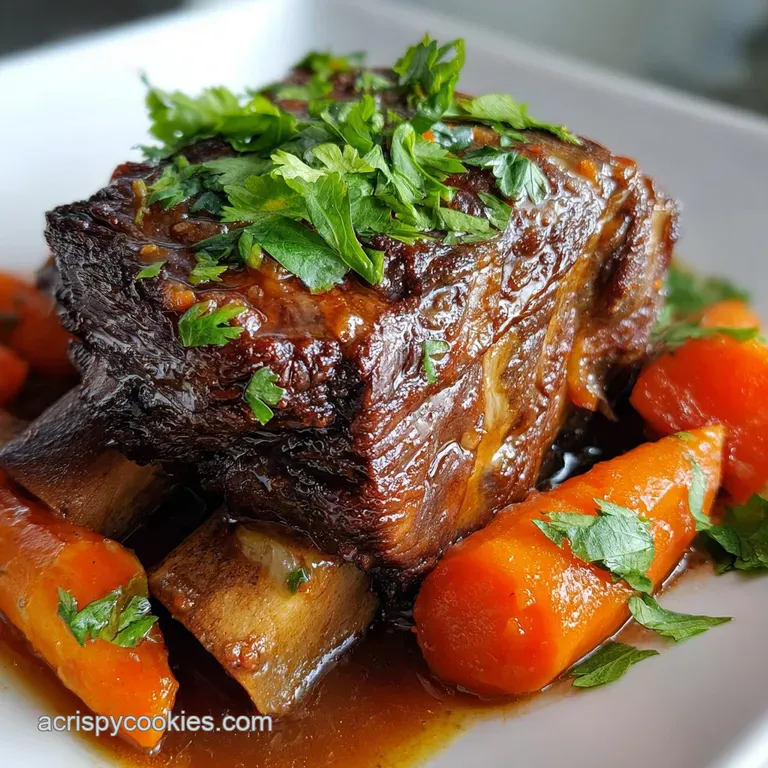
Even with a reliable Short Ribs Slow recipe, things can go sideways. The most common complaint is that the meat is "tough" after 8 hours. Ironically, this usually means it hasn't cooked long enough, not that it's overcooked. Beef ribs move through a phase where they tighten up before the collagen finally surrenders.
Troubleshooting Guide
| Problem | Root Cause | Solution |
|---|---|---|
| Greasy Sauce | Excessive rendered fat | Use a fat separator or chill sauce overnight to skim. |
| Tough Meat | Collagen hasn't melted | Cook for another 45-60 minutes on low. |
| Bland Sauce | Insufficient reduction | Simmer the liquid in a wide pan for 15 mins to concentrate. |
Common Mistakes Checklist
- ✓ Skipping the sear: You'll lose the depth of flavor that only the Maillard reaction provides.
- ✓ Using "Cooking Wine": These are often overly salty; use a wine you would actually drink.
- ✓ Cooking on HIGH: High heat can boil the meat, making the protein fibers stringy and dry.
- ✓ Crowding the searing pan: Work in batches so the meat fries instead of steaming.
- ✓ Not straining the sauce: The aromatic veggies have given their all; strain them for a professional finish.
Flavor Variations and Simple Swaps
1. Asian Beef Short Ribs Slow Cooker Version
Swap the red wine for 1/2 cup soy sauce and 1/2 cup rice vinegar. Add a 2 inch piece of ginger and 2 star anise to the pot. This creates a salty, punchy profile that is incredible over jasmine rice.
2. Boneless Beef Short Ribs Crockpot Adjustment
If using boneless ribs, reduce the cook time to 6 hours on LOW. Without the bone to insulate the meat, they can overcook and become mushy if left for the full 8 hours.
3. BBQ Beef Short Ribs Slow Cooker Style
Replace the wine and herbs with your favorite BBQ rub and 1 cup of beef broth. After 8 hours, brush the ribs with a thick BBQ sauce and pop them under the oven broiler for 3 minutes to caramelize the exterior.
Chef's Tip: If you find your sauce is too thin but you're in a hurry, whisk 1 tsp of cornstarch with 1 tbsp of cold water and stir it into the simmering sauce. It will turn clear and glossy within 60 seconds.
Storage and Batch Cooking Tips
This is one of the few dishes that is better on day two. As the meat cools in the liquid, it acts like a sponge, soaking up all the wine and beefy goodness it lost during the cook.
- Fridge: Store in an airtight container for up to 4 days. Keep the meat submerged in the sauce to prevent it from drying out.
- Freezer: These freeze beautifully for 3 months. I like to freeze the meat and sauce separately in heavy duty bags.
- Reheating: Avoid the microwave. Place the ribs and sauce in a small pot with a splash of water, cover, and heat on low until the sauce is liquid and the meat is hot through (about 15 minutes).
Zero Waste Tip: Don't throw away those braised carrot and onion scraps! While they might look mushy, they are flavor bombs. Blend them into a gravy or add them to a Sunday morning hash with potatoes.
Pairing Ideas for Short Ribs
To balance the heavy, rich nature of the beef, you need something creamy to soak up the sauce and something bright to cut the fat. A classic creamy polenta or a Crock Pot Short recipe inspired mash is the gold standard.
Decision Shortcut
- If you want a classic feel: Serve over garlic mashed potatoes with a side of honey glazed carrots.
- If you want something lighter: Use a cauliflower purée and a crisp arugula salad with a lemon vinaigrette.
- If you want a modern twist: Shred the meat and toss it with pappardelle pasta and a dollop of ricotta.
Myths About Slow Braising
One persistent myth is that searing meat "seals in the juices." Science tells us this is false; moisture loss happens regardless of a crust. However, the sear is essential for the Maillard reaction, which creates hundreds of new flavor compounds that you simply cannot get through boiling or steaming.
Another misconception is that you need to completely submerge the meat in liquid. This is a braise, not a soup. The meat should be roughly halfway submerged. The steam trapped in the slow cooker does the rest of the work, and using less liquid results in a much more concentrated, flavorful sauce at the end.
Trust the process, and let that 8 hour timer do the heavy lifting!
#
Critical in Sodium
1180 mg mg of sodium per serving (51% % of daily value)
The American Heart Association recommends limiting sodium intake to about 2,300mg per day.
Tips to Reduce Sodium in Your Short Ribs
-
Low-Sodium Broth-30%
Swap regular beef bone broth with a low-sodium or no-salt added version. This can significantly reduce the overall sodium content without sacrificing flavor.
-
Reduce Salt-25%
Reduce the amount of kosher salt added. Try using 1 tsp instead of 2 tsp initially, and adjust to taste after cooking.
-
DIY Tomato Paste-20%
Consider making your own tomato paste from fresh tomatoes or use no-salt added canned tomato paste. store-bought tomato paste is often high in sodium.
-
Worcestershire Watch-20%
Worcestershire sauce is a significant source of sodium. Reduce the amount used or replace it with a low-sodium alternative. You could also experiment with a splash of balsamic vinegar for a similar depth of flavor.
-
Choose Fresh Beef-15%
Ensure your short ribs are fresh and not pre-seasoned or injected with sodium solutions. Ask your butcher for options.
-
Spice It Up!
Enhance the flavor with fresh herbs and spices like garlic powder, onion powder, smoked paprika, or red pepper flakes. Experiment with different combinations to create a robust flavor profile without relying on salt.
FAQ: Your Questions Answered
Can I cook this on high for 4 hours instead of 8? While technically "safe," I strongly advise against it. High heat causes the protein fibers to contract too quickly, squeezing out moisture before the collagen has a chance to melt. You'll end up with meat that is simultaneously dry and tough.
What kind of red wine is best? Go for a dry, medium to full bodied red like Cabernet Sauvignon, Merlot, or Malbec. Avoid sweet wines like Moscato, as the sugar will concentrate and make the sauce cloying.
Is it okay if the bones fall out during cooking? Yes! That is actually a sign of success. It means the connective tissue at the bone joint has completely dissolved. Just be careful when serving so you don't lose them in the sauce.
Recipe FAQs
Can you cook beef short ribs in a slow cooker?
Yes, absolutely. The slow cooker provides the ideal long, low temperature environment necessary to break down tough connective tissue into gelatin, resulting in extremely tender ribs.
What are some common mistakes when slow cooking short ribs?
Skipping the initial sear is the most common mistake. Searing builds the Maillard reaction flavors that boiling or steaming alone cannot replicate, so always brown the meat first in a separate, hot pan.
Are short ribs better in the oven or slow cooker?
The slow cooker generally yields superior moisture retention. While the oven offers slightly more natural sauce reduction, the sealed environment of the slow cooker ensures the meat remains incredibly succulent throughout the long cook time.
How do I ensure my slow cooker sauce is rich instead of watery?
Strain the cooking liquid and reduce it vigorously on the stovetop afterward. You need to simmer the liquid rapidly to evaporate excess water until it coats the back of a spoon, creating that necessary glossy texture.
How can I add depth to the braising liquid without using expensive wine?
Substitute the wine with a mix of strong beef broth and balsamic vinegar. The vinegar provides the essential acid component needed for tenderizing, much like the tannins in wine. If you're interested in balancing flavors like this, see how we apply acid/fat ratios in our Authentic Albondigas Soup recipe.
What is the minimum time required for the meat to become tender?
Aim for a minimum of 8 hours on the LOW setting. Cooking on high heat rushes the process, causing the muscle fibers to tighten up before the tough collagen has converted into smooth gelatin.
Is it true that I must use bone-in short ribs for this recipe?
No, you can use boneless, but the flavor profile changes significantly. The bone adds crucial marrow and structural integrity during the long braise; boneless cuts cook faster and may require checking after 6 hours to prevent them from turning mushy.
Slow Cooker Beef Ribs
Ingredients:
Instructions:
Nutrition Facts:
| Calories | 812 kcal |
|---|---|
| Protein | 48 g |
| Fat | 56 g |
| Carbs | 14 g |
| Fiber | 3 g |
| Sugar | 5 g |
| Sodium | 1180 mg |
