Short Ribs in Slow Cooker with Garlic
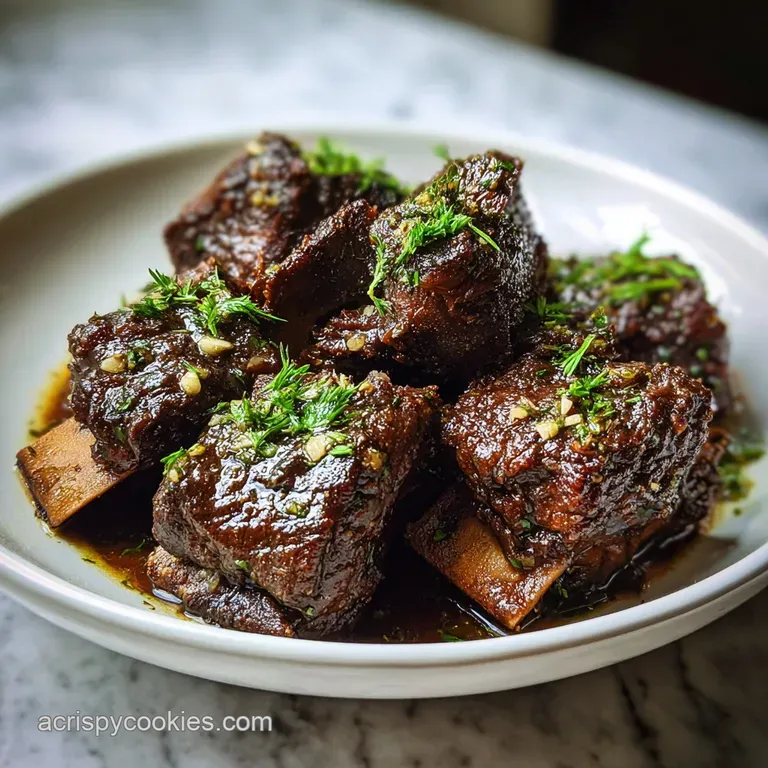
- Time: Active 20 minutes, Passive 8 hours, Total 8 hours 20 minutes
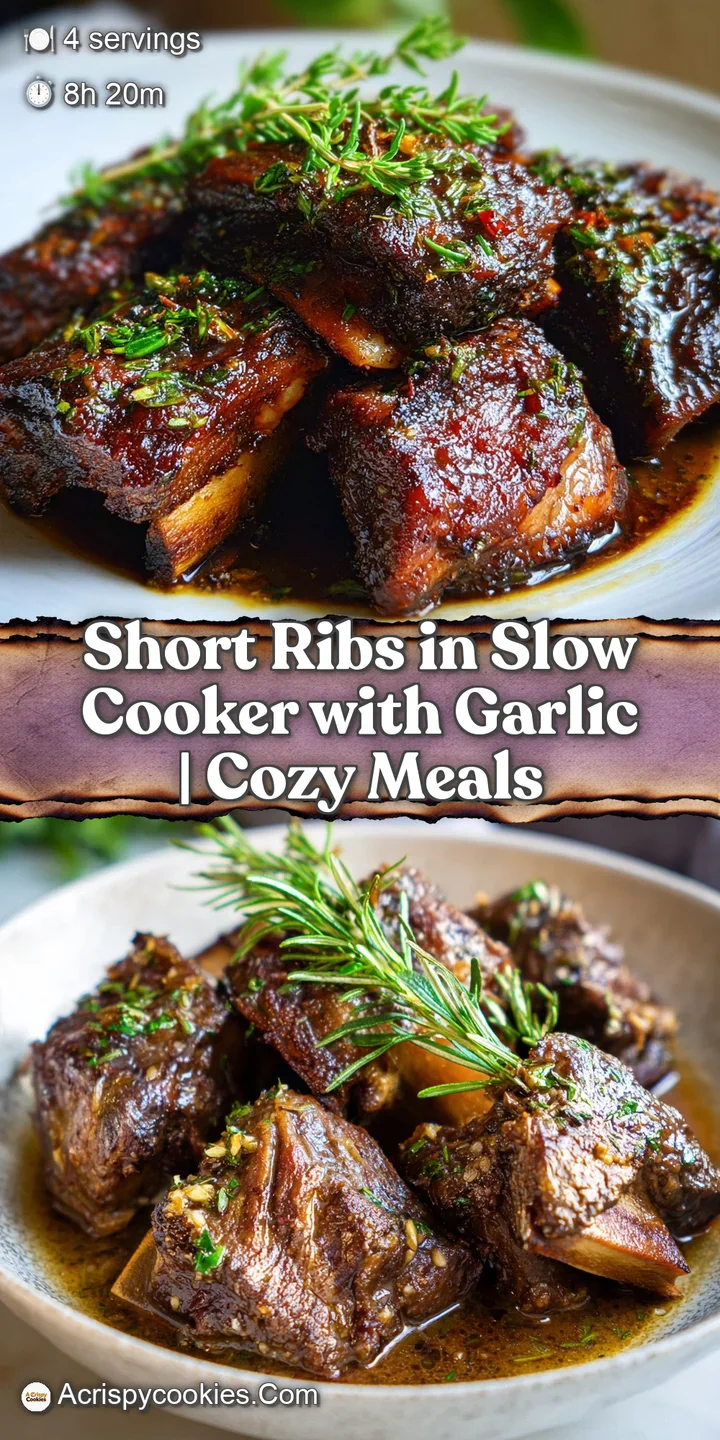
- Flavor/Texture Hook: Velvety, melt in-your mouth beef with a deep, savory garlic herb finish.
- Perfect for: Slow Sunday dinners, impressive hosting, or hands off meal prep.
- Slow Cooker Short Ribs with Garlic and Herbs
- The Science of Deep Flavor
- The Flavor Component Analysis
- Essential Elements and Smart Substitutes
- Necessary Tools for Success
- Step-By-Step Infusion Process
- Fixing Common Braising Errors
- Creative Seasonal Recipe Variations
- Debunking Braising Misconceptions
- Storing and Repurposing Leftovers
- Perfect Pairings for Beef
- High in Sodium
- Recipe FAQs
- 📝 Recipe Card
Slow Cooker Short Ribs with Garlic and Herbs
I still remember the first time I tried to make short ribs without a plan. I threw them straight into a pot with some water and salt, thinking they’d magically turn into that restaurant style delicacy. Instead, I ended up with something that had the texture of a rubber tire. It was a disaster.
But that failure sparked my obsession with "cracking the code" of the perfect braise. I spent months experimenting with sear times and liquid ratios until I realized the magic isn't just in the heat it’s in the layers of flavor we build before the lid even goes on.
There is something hypnotic about the sizzle of 3 lbs bone in beef short ribs hitting a hot pan. That sound is the first sign of success. When that deep mahogany crust forms, you know you’ve unlocked the savory depth that defines this dish.
This recipe delivers fall off-the bone Short Ribs in a Slow Cooker with Garlic and Herbs, and honestly, the aroma that fills your house by hour six is enough to make anyone lose their mind. It’s warm, herbaceous, and incredibly inviting.
We aren't just making a meal here; we’re conducting a slow motion transformation. We take these humble, tough cuts and use science to turn them into something that practically shatters at the touch of a fork.
If you’ve been looking for that one recipe that makes everyone at the table go silent after the first bite, this is it. Trust me, once you see how those 12 cloves of garlic melt into the red wine sauce, you’ll never go back to any other method.
The Science of Deep Flavor
Collagen Conversion: The low, steady heat breaks down tough collagen into gelatin, which provides the signature velvety mouthfeel and rich body.
The Maillard Reaction: Searing the meat creates hundreds of new flavor compounds through the interaction of amino acids and reducing sugars, which the slow cooker cannot do alone.
Acidic Balancing: The tannins in Cabernet Sauvignon and the acetic acid in Worcestershire sauce tenderize the muscle fibers while cutting through the heavy fat content.
Osmotic Infusion: Salt and aromatics move from the high concentration liquid into the low concentration meat fibers over eight hours, seasoning the beef from the inside out.
| Thickness | Internal Temp | Rest Time | Visual Cue |
|---|---|---|---|
| 1.5 inches | 203°F (95°C) | 15 minutes | Meat pulls easily from bone |
| 2.0 inches | 205°F (96°C) | 20 minutes | Connective tissue is translucent |
| 2.5 inches | 208°F (98°C) | 20 minutes | Rib bone slides out clean |
When you’re aiming for that perfect texture, remember that internal temperature is more important than the clock. Beef short ribs need to go past the "done" stage for steak and into the "breakdown" stage for braises. If you try to serve these at 145°F, they will be incredibly tough.
You need that higher temp to ensure the fat has fully rendered into the sauce.
The Flavor Component Analysis
| Ingredient | Science Role | Pro Secret |
|---|---|---|
| Bone In Short Ribs | Collagen Source | Leave the bone in; it adds marrow richness to the sauce. |
| Red Wine (Dry) | Solvent & Acid | Use a wine you'd actually drink; the flavors concentrate as it reduces. |
| Tomato Paste | Umami Booster | Sauté it until it turns rust colored to remove the raw metallic tang. |
| Fresh Rosemary | Essential Oils | Bruise the leaves slightly before adding to release the pinene oils faster. |
If you find yourself needing a slightly different flavor profile or perhaps a more sandwich ready version of a slow cooked beef dish, you might find the technique in my Italian Beef Sandwich recipe quite useful. Both rely on that long, slow breakdown of fibers to achieve a specific texture that just can't be rushed.
Essential Elements and Smart Substitutes
To get started, gather your 3 lbs bone in beef short ribs. I prefer bone in because the marrow adds a silkiness to the sauce that boneless cuts just can't match. You'll also need 2 tbsp high smoke point oil like grapeseed or avocado oil for that initial sear.
For the aromatics, grab 12 cloves fresh garlic, smashed, and 2 large shallots, halved. These will melt into the liquid and create a sweet, pungent base.
The liquid gold of this recipe consists of 1 cup dry red wine (Cabernet Sauvignon or Merlot), 1 cup low sodium beef bone broth, 2 tbsp tomato paste, and 1 tbsp Worcestershire sauce. To finish the infusion, we use 4 sprigs fresh rosemary and 6 sprigs fresh thyme, plus Kosher salt and coarse black pepper to taste.
| Original Ingredient | Substitute | Why It Works |
|---|---|---|
| Red Wine (1 cup) | Extra Beef Broth + 1 tbsp Balsamic | Provides the necessary acidity and depth without the alcohol. |
| Shallots | Red Onion | Similar sweetness, though slightly more pungent than shallots. |
| Fresh Rosemary | Dried Rosemary (1 tsp) | Same piney notes. Note: Reduce quantity as dried is more concentrated. |
| Grapeseed Oil | Ghee or Clarified Butter | High smoke point with an added nutty richness for the sear. |
I've found that using high-quality bone broth makes a massive difference. If you have some leftover broth from a previous Beef Short Ribs recipe, feel free to use it here. The more layers of beefy flavor you can stack, the better the final result will be.
Necessary Tools for Success
You don’t need a kitchen full of gadgets, but a few specific tools make this process much easier. A heavy bottomed cast iron skillet (like a Lodge) is non negotiable for the sear. Thin pans won't hold the heat, and you'll end up steaming the meat instead of browning it.
You’ll also need a 6 quart slow cooker. If yours is much larger, the liquid might evaporate too quickly; if it's smaller, you might overcrowd the ribs.
A good pair of stainless steel tongs is essential for flipping the ribs without piercing the meat and losing those precious juices. I also recommend a fat separator or a wide spoon for skimming the sauce at the end.
If you want to get really fancy, an immersion blender can help you turn the shallots and garlic into a perfectly smooth gravy once the meat is done, though I usually prefer the rustic look of the whole garlic cloves.
step-by-step Infusion Process
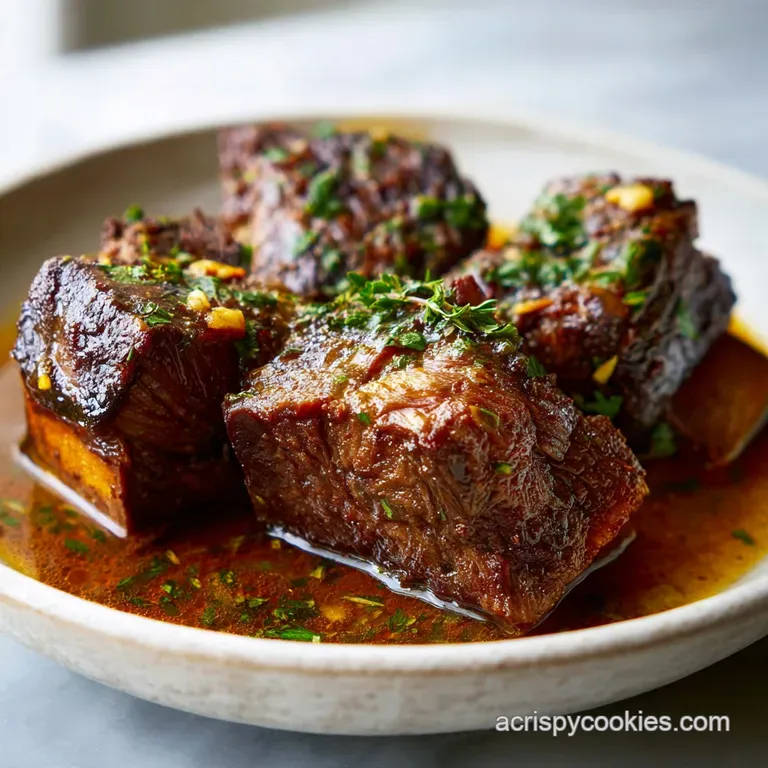
- Season the beef. Generously coat the 3 lbs bone in beef short ribs with Kosher salt and coarse black pepper. Note: Do this 30 minutes early if possible to let the salt penetrate.
- Heat the skillet. Add 2 tbsp high smoke point oil to your cast iron pan over medium high heat until the oil shimmers and barely smokes.
- Sear the ribs. Place ribs in the pan and cook for 3-4 minutes per side until a deep, dark brown crust forms.
- Transfer to cooker. Move the seared ribs into the slow cooker insert, arranging them in a single layer if possible.
- Sauté the aromatics. In the same skillet, add the 2 halved shallots and 12 smashed garlic cloves for 2 minutes until fragrant and slightly softened.
- Caramelize the paste. Stir in 2 tbsp tomato paste and cook for 1 minute until it smells toasted and darkens in color.
- Deglaze the pan. Pour in 1 cup dry red wine, scraping the bottom with a wooden spoon until all the brown bits (fond) are dissolved.
- Combine liquids. Add 1 cup beef bone broth and 1 tbsp Worcestershire sauce to the skillet, then pour the entire mixture over the ribs.
- Add the herbs. Nestles 4 sprigs rosemary and 6 sprigs thyme into the liquid until they are partially submerged.
- Slow cook. Cover and cook on Low for 8 hours until the meat is tender and yields to a fork.
Chef's Tip: If you have 10 extra minutes, freeze your tomato paste in a thin layer on parchment paper. You can then break off exactly what you need, and it melts instantly into the pan without clumping.
Fixing Common Braising Errors
One of the most common issues people run into is a sauce that feels too greasy. Short ribs are naturally fatty, and as they cook for 8 hours, that fat renders out into the liquid. If you don't address this, the final dish can feel heavy. Another hurdle is "mushy" herbs.
If you leave the sprigs in too long after cooking, they can break apart and leave woody bits in your sauce.
Why Your Sauce Is Greasy
This usually happens because short ribs have a high ratio of intermuscular fat. If you find a thick layer of yellow oil on top of your sauce, don't panic. You can use a fat separator, or if you have time, chill the sauce in the fridge for an hour. The fat will solidify on top, making it easy to lift off in one piece.
| Problem | Root Cause | Solution |
|---|---|---|
| Tough Meat | Underlooked | Cook for another 1-2 hours on low; collagen hasn't melted yet. |
| Bland Sauce | Lack of Reduction | Simmer the liquid in a saucepan for 10 minutes after cooking. |
| Dry Meat | Overcooked on High | Always use the 'Low' setting for 8 hours to preserve moisture. |
Common Mistakes Checklist
- ✓ Pat the ribs bone dry with paper towels before searing (moisture prevents browning).
- ✓ Avoid crowding the skillet; sear in batches if necessary to maintain high heat.
- ✓ Don't skip the deglazing step - those brown bits are where 50% of your flavor lives.
- ✓ Use fresh herbs instead of dried for a more vibrant, aromatic finish.
- ✓ Let the meat rest for at least 15 minutes before serving to reabsorb juices.
Creative Seasonal Recipe Variations
If you want to change things up, try the Balsamic Twist. Replace half of the red wine with a high-quality balsamic vinegar and add 1 tbsp of brown sugar. This creates a glaze that is much stickier and sweeter, perfect for serving over creamy polenta.
It’s a bit more aggressive in flavor but absolutely stunning for a cold winter night.
For those looking for an Alcohol Free Version, simply swap the wine for an equal amount of beef bone broth and add 2 tbsp of pomegranate juice. The juice provides the tannins and acidity that wine usually offers without any of the alcohol. It keeps the color deep and the flavor complex.
You can also add a splash of apple cider vinegar at the very end to brighten everything up.
Debunking Braising Misconceptions
One major myth is that searing "seals in the juices." Science tells us this isn't true; moisture is lost during the searing process regardless. However, we sear for the Maillard reaction, which creates the complex flavors that make the sauce taste "expensive." Without the sear, your short ribs will taste boiled rather than braised.
Another misconception is that you can't overcook meat in a slow cooker. While it's hard to do, if you leave short ribs on high for 10+ hours, the muscle fibers will eventually give up all their moisture and become "stringy" and dry, even though they are sitting in liquid.
Stick to the 8 hour low setting for the most "velvety" results.
Storing and Repurposing Leftovers
These ribs are actually better the next day. Store them in an airtight container with the sauce for up to 4 days in the fridge. The fat will solidify on top, acting as a natural seal that keeps the meat moist. When you're ready to eat, just scrape off the fat and reheat gently on the stovetop.
You can also freeze the cooked meat (off the bone) in the sauce for up to 3 months.
For a zero waste approach, don't throw away those bones! You can toss them into a pot with some water and veggie scraps to make a quick beef stock. Any leftover meat can be shredded and used for a spectacular ragu over pappardelle or as a filling for the most decadent tacos you've ever had.
I’ve even used the leftover garlic infused sauce as a base for a French onion soup.
Perfect Pairings for Beef
The rich, heavy nature of Short Ribs in a Slow Cooker with Garlic and Herbs demands a side dish that can either soak up the sauce or cut through the fat. A classic choice is buttery mashed potatoes with plenty of heavy cream. The starch acts as a canvas for the red wine reduction.
If you want something lighter, a simple gremolata made of parsley, lemon zest, and raw garlic sprinkled over the top provides a necessary hit of freshness.
For a low carb option, try serving these over a cauliflower puree or alongside roasted Brussels sprouts with a hit of balsamic. The earthy bitterness of the sprouts balances the richness of the beef perfectly. No matter what you choose, make sure you have some crusty bread nearby.
You'll want to mop up every last drop of that garlic and herb infused liquid. It's essentially liquid gold.
High in Sodium
1120 mg mg of sodium per serving (49% % of daily value)
American Heart Association recommendation: Limit sodium intake to about 2,300mg per day for better heart health.
Sodium Reduction Tips for Your Short Ribs Recipe
-
Broth Swap-30%
Replace the 1 cup of low-sodium beef bone broth with homemade broth or a no-sodium added broth. This can significantly cut down on the recipe's sodium content.
-
Salt Control-25%
Carefully measure and reduce the amount of added kosher salt. Try using a pinch less than you normally would and taste as you go to avoid over salting.
-
Tomato Paste Tweak-20%
Consider using fresh tomatoes instead of tomato paste or using a smaller amount of low-sodium tomato paste, as even some low-sodium varieties contain sodium.
-
Worcestershire Watch-15%
Use a reduced sodium Worcestershire sauce or dilute the regular Worcestershire sauce with a small amount of water to lessen the sodium impact. Alternatively, experiment with other umami rich flavors like a tiny splash of balsamic vinegar or coconut aminos as a substitute.
-
Herb Power
Enhance the flavors with fresh herbs like rosemary and thyme. Experiment with other herbs and spices like bay leaf, smoked paprika, or garlic powder to add depth of flavor without any sodium.
Recipe FAQs
Should I sear the short ribs before placing them in the slow cooker?
Yes, searing is crucial. Searing initiates the Maillard reaction, developing deep, savory flavors that the slow cooker heat alone cannot achieve.
Is it true I must cook short ribs until they reach 160°F internal temperature?
No, this is a common misconception. Short ribs require much higher internal temperatures, typically between 203°F and 208°F, to allow collagen to fully break down into gelatin, resulting in tenderness.
How do I adjust the recipe if I don't want to use any alcohol?
Substitute the wine with beef broth and balsamic vinegar. Replace the 1 cup of red wine with an equal amount of beef bone broth, plus an extra 1 tablespoon of balsamic vinegar to provide necessary acidity for tenderizing.
How long should I cook bone-in short ribs on the LOW setting?
Cook on LOW for 8 hours for optimal breakdown. While they might feel done earlier, this duration ensures the tough connective tissues have fully converted into tender, melt-in-your mouth gelatin.
How can I ensure my slow cooker sauce isn't overly greasy at the end?
Chill the sauce after cooking to solidify the fat. The rendered fat will rise and solidify on top when cooled, allowing you to easily skim it off the top before serving or reducing the sauce further.
What is the purpose of sautéing the tomato paste before adding liquids?
Sautéing the tomato paste removes its raw, metallic tang. Cooking it until it darkens deepens its umami presence, which is a key flavor foundation in this braise, much like we enhance flavor bases in the OnePot Ground Beef recipe.
What vegetable side dish best complements the richness of the beef?
Serve with something acidic or starchy to cut the richness. Mashed potatoes are classic for soaking up the sauce, but a simple gremolata sprinkled over the top adds a necessary bright, fresh counterpoint.
Slow Cooker Short Ribs 2
Ingredients:
Instructions:
Nutrition Facts:
| Calories | 984 kcal |
|---|---|
| Protein | 52g |
| Fat | 68g |
| Carbs | 9g |
| Fiber | 1g |
| Sugar | 3g |
| Sodium | 1120mg |
