Stovetop Mac and Cheese
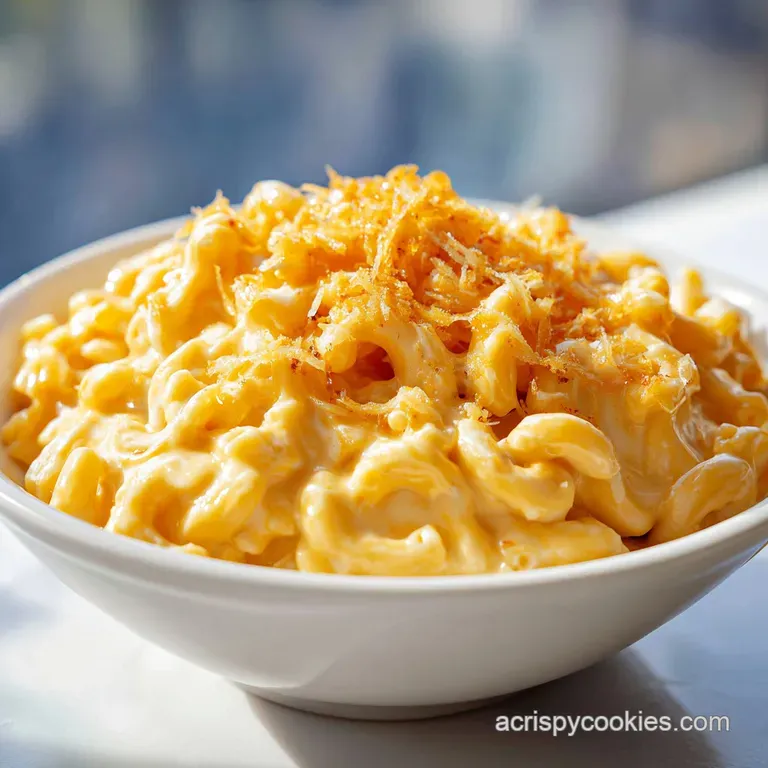
- Time: Active 10 mins, Passive 5 mins, Total 15 minutes
- Flavor/Texture Hook: Sharp, tangy cheddar with a glossy, glass smooth finish
- Perfect for: High end weeknight comfort or a restaurant quality side
- The Secret to Stovetop Mac and Cheese
- Vital Recipe Specifications
- Essential Components and Substitutes
- Required Tools for Success
- Step-by-Step Cooking Process
- Fixes for Common Cooking Errors
- Flavor Variations and Ideas
- Storage and Waste Management
- Ideal Side Dish Pairings
- Kitchen Myths Debunked
- Recipe FAQs
- 📝 Recipe Card
The Secret to Stovetop Mac and Cheese
The kitchen transforms the second that sharp yellow cheddar hits the steaming pasta. I remember the first time I ditched the blue box for this scratch version; the aroma was different deeper, more complex, with a hit of garlic and smoke that actually made my mouth water. It wasn't just salty; it was real.
I spent weeks as a flavor detective trying to crack the code on how restaurants get that sauce so impossibly glossy without it turning into a greasy, separated mess by the time it hits the table.
The trick isn't some fancy additive or a complicated French technique. It's about the water. Most people boil pasta in a gallon of water and pour all that liquid gold down the drain. We've learned to use just enough liquid so the pasta absorbs it, leaving behind a thick, starchy slurry.
When you fold in the Monterey Jack and Cheddar, that starch acts as a natural stabilizer. It's brilliant. You get a result that mimics the most expensive bistro versions right in your own pot.
To Harness Natural Thickening
Starch Concentration: Cooking pasta in minimal liquid concentrates released starches, creating a natural emulsifier. This prevents the fats in the cheese from separating into a greasy pool.
To Ensure a Perfectly Smooth Emulsion
Protein Buffering: The casein proteins in whole milk coat the pasta and provide a stable environment for the cheese to melt. This ensures the sauce stays velvety even as it cools slightly.
| Method | Total Time | Sauce Texture | Flavor Depth |
|---|---|---|---|
| Fresh (This Recipe) | 15 minutes | Glass smooth & velvety | Deep, sharp, and authentic |
| Shortcut (Boxed) | 12 minutes | Thin or grainy | Artificial and overly salty |
| Baked (Traditional) | 45 minutes | Set and crusty | Muted cheese notes |
We've found that the fresh stovetop method beats the shortcut every time because you control the "sharpness" of the cheddar. While the boxed versions rely on powdered chemicals, our Oven Baked Cheesy recipe uses similar real dairy principles to ensure maximum melt.
Vital Recipe Specifications
| Component | Science Role | Pro Secret |
|---|---|---|
| Elbow Macaroni | Starch Provider | Use ridges to trap sauce |
| Whole Milk | Fat Emulsifier | Never use skim; fat stabilizes |
| Sharp Cheddar | Flavor Anchor | Grate it yourself for melting |
| Ground Mustard | Emulsion Aid | Sharpens the fat's flavor profile |
The ratio of 225g of pasta to 355ml of milk is the "sweet spot" for hydration. If you go higher on the liquid, the sauce becomes a soup; lower, and the pasta stays chalky.
Essential Components and Substitutes
To recreate that iconic flavor, you'll need these specific items. I've found that using sharp yellow cheddar is non negotiable for that classic look, while the Monterey Jack provides the stretch.
- 8 oz elbow macaroni (225g): Why this? Classic shape with a hollow center to hold the maximum amount of sauce.
- 1.5 cups whole milk (355ml): Why this? Provides the necessary fat to keep the emulsion from breaking.
- 1 cup filtered water (235ml): Why this? Dilutes the milk to prevent scorching while the pasta hydrates.
- 0.5 tsp kosher salt: Why this? Enhances the dairy notes without making it taste "salty."
- 2 cups sharp yellow cheddar (225g): Why this? Freshly grated is vital; pre shredded has cellulose that causes graininess.
- 0.5 cup Monterey Jack (60g): Why this? The "melting" cheese that adds a silky, pull apart texture.
- 2 tbsp unsalted butter (28g): Why this? Adds a glossy sheen and a rich finish to the sauce.
- 0.5 tsp dry ground mustard: Why this? An old catering trick to deepen the yellow color and cut through fat.
- 0.25 tsp garlic powder & smoked paprika: Why this? Adds the "secret ingredient" aroma that mimics high end restaurant versions.
| Original Ingredient | Substitute | Why It Works |
|---|---|---|
| Whole Milk | Evaporated Milk | Higher protein content makes the sauce even more "shatter proof" |
| Elbow Macaroni | Shells or Cavatappi | Similar surface area; shells hold "pockets" of cheese |
| Monterey Jack | Mild Provolone | Similar melting point. Note: Slightly saltier profile |
Required Tools for Success
You don't need a pantry full of gadgets, but a heavy bottomed pot is essential. I prefer a 3 liter stainless steel saucepan or a Dutch oven. These hold heat evenly, which is critical during the "Final Tempering" phase when the cheese is melting.
A sturdy whisk or a silicone spatula is your best friend here. You need to be able to scrape the bottom of the pot to prevent the milk solids from sticking. Honestly, don't even bother with a flimsy plastic spoon; you need something with a bit of "heft" to fold the heavy cheese into the pasta effectively.
step-by-step Cooking Process
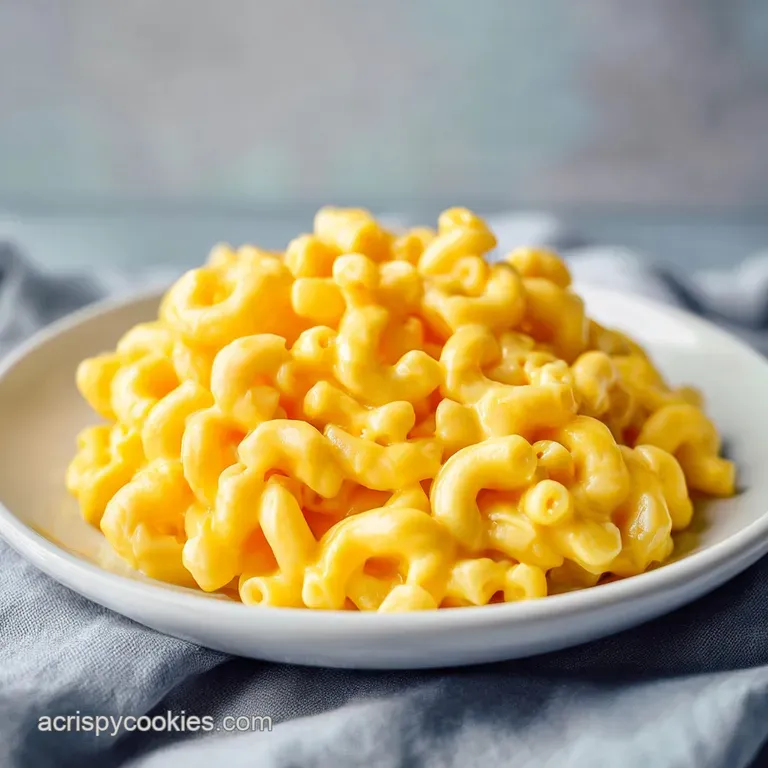
- Combine liquids. Place 225g dry macaroni, 355ml milk, 235ml water, and 0.5 tsp salt in your pot. Note: Starting with cold liquid prevents the starch from clumping.
- Initial simmer. Bring the mixture to a gentle boil over medium heat, stirring constantly to prevent sticking.
- Monitor the aroma. As the liquid heats, you'll notice a sweet, malty scent as the pasta starch begins to bloom in the milk.
- Reduce and cook. Lower heat to a simmer and cook for about 8 to 10 minutes. Cook until the pasta is tender and the liquid has reduced to a thick, bubbly gravy.
- Add aromatics. Stir in 0.5 tsp dry mustard, 0.25 tsp garlic powder, and 0.25 tsp smoked paprika.
- Aroma Checkpoint. You should smell a sudden savory punch from the garlic and a faint wood smoke note from the paprika.
- Mount with butter. Add 28g cubed butter, stirring until it disappears into the starch.
- The Cheese Fold. Remove the pot from the heat entirely. This is crucial.
- Temper the sauce. Gradually fold in 225g sharp cheddar and 60g Monterey Jack in three batches.
- Final rest. Let the pot sit for 2 minutes. Rest until the sauce transforms from liquid to a thick, clinging velvet.
Chef's Tip: If you want a more "grown up" flavor, freeze your butter for 10 minutes before cubing. The cold fat hits the hot starch and creates a micro emulsion that is noticeably creamier than room temp butter.
Fixes for Common Cooking Errors
Why Your Sauce Is Grainy
This is the most common heartbreak. It usually happens because of pre shredded cheese. Those bags are coated in potato starch or cellulose to keep the shreds from sticking together. In your pot, that coating refuses to melt, leaving you with a gritty texture. Always grate your own from a block.
Why Your Sauce Broke
If you see a layer of oil floating on top, your heat was too high when you added the cheese. Cheese is an emulsion of fat, water, and protein. If it gets too hot (above 160°F/70°C), the protein clumps together and squeezes out the fat.
Always take the pot off the burner before adding your dairy.
| Problem | Root Cause | Solution |
|---|---|---|
| Liquid won't thicken | Heat too low; starch not released | Increase heat slightly and stir aggressively for 1 minute |
| Pasta is mushy | Overcooked in too much liquid | Use exact 235ml water/355ml milk ratio; check doneness at 8 mins |
| Sauce is too dry | Pasta absorbed too much liquid | Stir in 1-2 tbsp of warm milk at the very end |
Common Mistakes Checklist
- ✓ Grate your own cheese to avoid the "grainy" cellulose film.
- ✓ Remove the pot from the heat before adding cheese to prevent oil separation.
- ✓ Stir the pasta constantly during the first 3 minutes to release maximum starch.
- ✓ Don't rinse your pasta; you need every bit of that surface starch for the sauce.
Flavor Variations and Ideas
- For a Spicy Kick: Add a tablespoon of pickled jalapeño brine and a dash of cayenne during the butter phase.
- For a Lighter Version: Replace the Monterey Jack with a low moisture part skim mozzarella. It won't be as rich, but it keeps the "pull."
- For a "Grown Up" Version: Stir in a teaspoon of truffle oil or a pinch of nutmeg at the very end to mimic a high end steakhouse side.
If you are looking for a more "bready" experience, this Cheddar Bay Biscuit recipe uses the same sharp cheddar notes but in a hearty, bakeable format.
Storage and Waste Management
Storage: This keeps in the fridge for up to 3 days. To reheat, add a splash of milk and heat on low power in the microwave or in a small saucepan. The extra milk is necessary because the pasta will continue to soak up moisture as it sits.
Zero Waste: Never toss those cheese rinds! If you have the hard end of a Parmesan or Cheddar block, throw it into the pot while the pasta simmers. It releases deep umami flavors and can be fished out before serving.
If you have leftovers that are too dry, press them into a square container, chill, then slice and pan fry the squares for "Mac and Cheese croutons."
Ideal Side Dish Pairings
- For a Balanced Meal: Serve alongside a crisp green salad with a sharp vinaigrette to cut through the heavy dairy.
- For the Ultimate Comfort Duo: Pair this with a spicy buffalo wing or a plate of roasted broccoli.
- For a Party Spread: This is the ultimate base for a Baked Spinach Artichoke recipe on the side double the cheese, double the fun.
To Fix a Dry Sauce
If the mac looks "tight" after resting, whisk in 1 tablespoon of warm milk at a time. The sauce should move like a heavy lava, not a solid block.
For a gluten-free Alternative
You can use gluten-free elbows (like Barilla), but increase the milk by 10%. GF pasta tends to be more "thirsty" and releases less natural starch, so you may need a tiny bit of cornstarch slurry to help it along.
Decision Shortcut If you want a thicker sauce, use 225g pasta but reduce the water to 180ml. If you want a sharper bite, replace the Monterey Jack with an extra aged white cheddar.
If you want maximum creaminess, use the "Evaporated Milk" swap mentioned in the tables above.
Kitchen Myths Debunked
"You must make a roux for good mac and cheese." This is simply false. While a roux (flour and butter) is classic, it often mutes the cheese flavor. The "Starchy Simmer" method used here provides a cleaner, more intense cheese profile.
"Adding oil to the boiling water prevents sticking." In reality, oil just makes the pasta slippery, preventing the sauce from actually sticking to the noodles. Constant stirring during the first few minutes of cooking is the only true way to prevent a pasta clump.

Recipe FAQs
Is it true that I must use a roux (butter and flour) for a creamy stovetop mac and cheese?
No, this is a common misconception. Cooking the pasta directly in the milk and water concentrates the natural starches, which act as a superior, flavor neutral thickening agent.
How do I prevent my cheese sauce from separating or becoming grainy?
Remove the pot from the heat completely before adding the cheese. The high temperature causes the milk proteins to seize and squeeze out the fat, resulting in a broken sauce; gently folding the cheese in off-heat ensures a stable emulsion.
What is the single most important ingredient adjustment for a genuinely sharp cheddar flavor?
Grate your own sharp yellow cheddar cheese immediately before use. Pre-shredded cheeses contain anti caking agents like cellulose which actively inhibit smooth melting, leading to a grainy texture.
How to adjust the liquid content if my pasta seems too dry after simmering?
Whisk in one tablespoon of warm milk at a time off the heat. Since the pasta continues to absorb liquid even after cooking, adding a small amount of warm dairy helps re-establish the sauce's velvety consistency.
Can I substitute whole milk with skim milk to make this recipe lighter?
No, substituting with skim milk is strongly discouraged. The fat content in whole milk is crucial for coating the starch and fat molecules, which prevents the sauce from breaking and ensures that glossy finish.
How long should the pasta simmer in the milk/water mixture to release enough starch?
Simmer for approximately 8 to 10 minutes until al dente and the liquid has reduced significantly. You are aiming for a thick, bubbly gravy consistency before you introduce the cheese.
What technique can I borrow from this stovetop method for a richer sauce in a baked dish?
Master the starch concentration technique by minimizing initial cooking water. If you enjoyed controlling the sauce's body here, see how similar fat-to-starch balancing works in our French Onion Chicken recipe for textural success.
Stovetop Mac And Cheese
Ingredients:
Instructions:
Nutrition Facts:
| Calories | 562 kcal |
|---|---|
| Protein | 26g |
| Fat | 31g |
| Carbs | 47g |
| Fiber | 2g |
| Sugar | 6g |
| Sodium | 728mg |
