Soft Peanut Butter Blossoms Recipe: Velvety Crumb
Combining a nutty dough with a chocolate center, this version focuses on a tender crumb that stays soft for days after baking in the oven.
peanut butter chocolate combo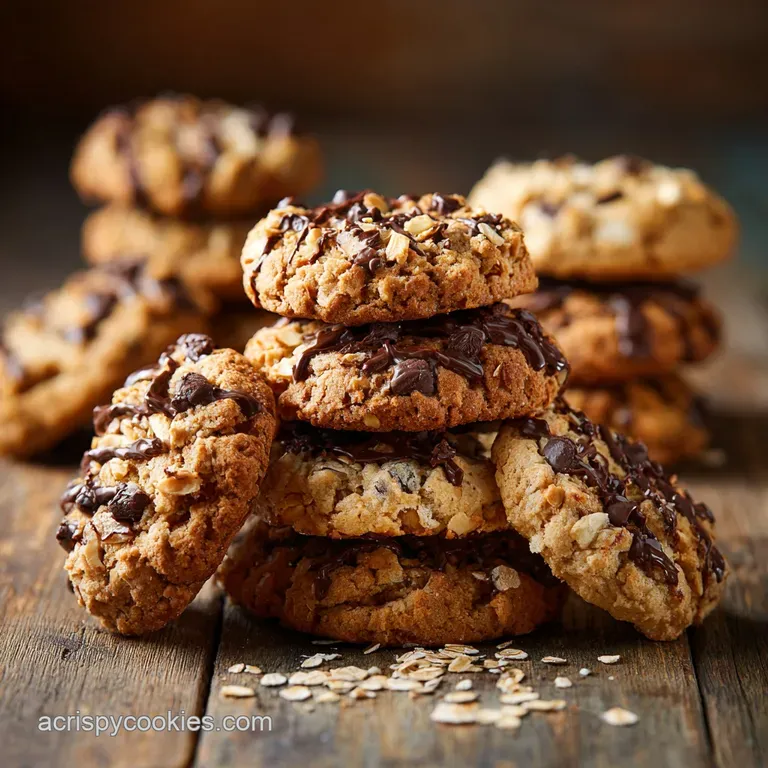
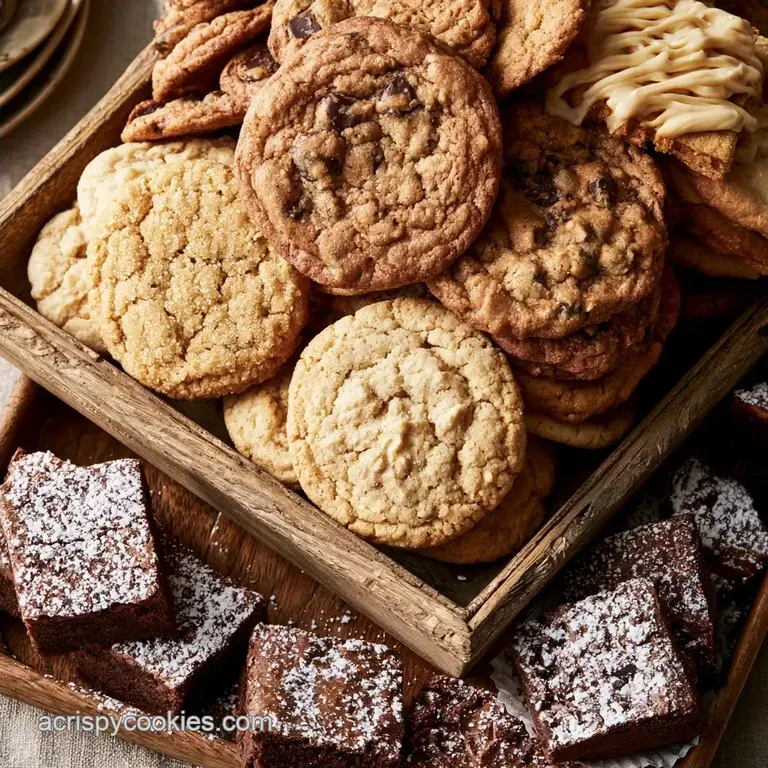
Homemade cookies are a staple of the kitchen because they offer a freshness and texture that store-bought versions cannot replicate. Whether you prefer a soft, yielding center or a distinct snap, the variables of flour ratios and oven temperatures make all the difference in the final result.
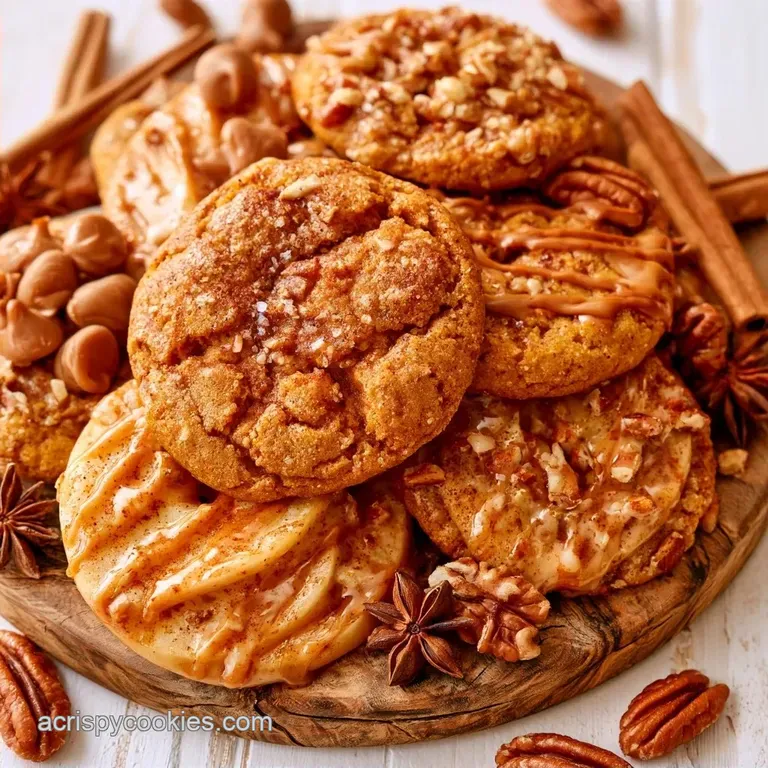
This collection focuses on diverse textures and flavors, ranging from massive bakery-style chocolate chips to classic no-bake oats. We've gathered options that work for quick afternoon snacks or more decorative displays for parties and gatherings.
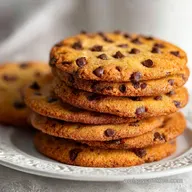
Texture is often the most important factor when choosing a recipe. Some people prefer the crispy edges of a thin chocolate chip cookie, while others look for the soft, tender crumb found in a chewy peanut butter blossoms recipe.
Achieving these different results often comes down to the fat content and how long the dough rests before baking.
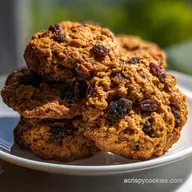
For a traditional snack, oatmeal raisin varieties provide a hearty alternative. These recipes rely on a balance of moisture and leavening agents to ensure the cookies stay soft without becoming cakey, providing that familiar homemade feel.
Combining a nutty dough with a chocolate center, this version focuses on a tender crumb that stays soft for days after baking in the oven.
peanut butter chocolate comboThis recipe uses a specific hydration approach to ensure the oats soften properly, resulting in a classic bakery-style chewy finish that avoids being dry.
hydrated oat textureDesigned for those who love a distinct crunch, these cookies are rolled thin to achieve a snap that pairs perfectly with a glass of milk.
crispy thin textureLarge, heavy cookies have become a popular trend, inspired by famous bakeries known for their thick, gooey centers. These recipes replicate that massive scale, using specific techniques to prevent the dough from spreading too thin in the oven.
You'll find versions that mimic large chocolate chunks and the dense, oversized profile of modern boutique cookies.
Working with these larger portions requires careful temperature control. Keeping the dough cold before it hits the heat helps maintain the height and structure that defines this style of baking.
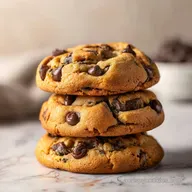
Massive in scale and weight, these thick treats replicate the iconic NYC style with a gooey center and substantial chocolate content in every single bite.
thick NYC styleThis dense cookie offers a rich, satisfying bite with a texture that mimics popular oversized shop varieties, focusing on volume and a soft center.
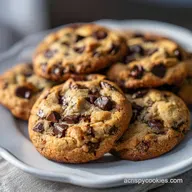
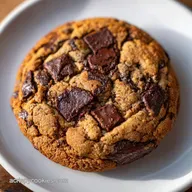
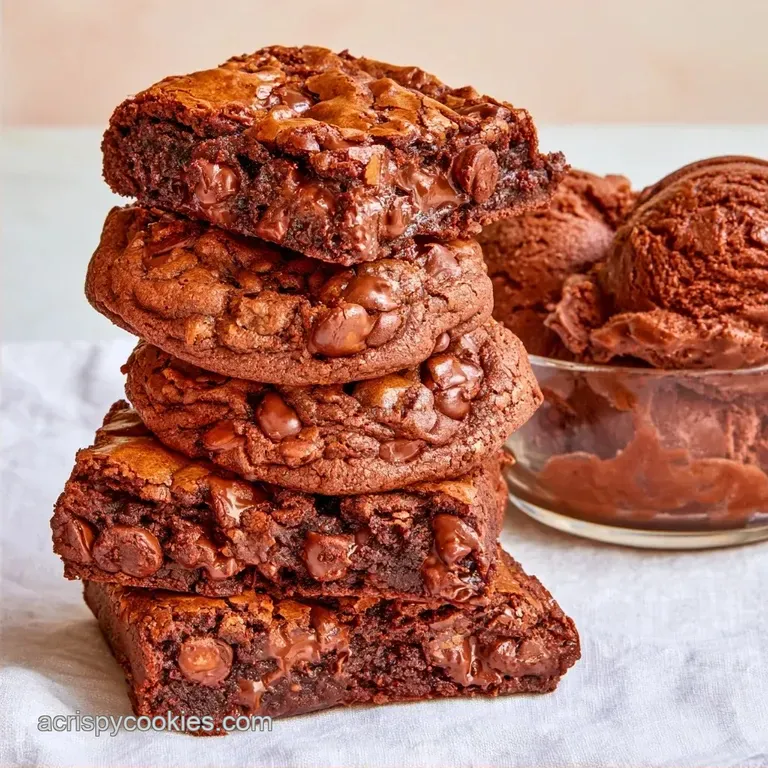
dense copycat styleFocusing on large chocolate chunks rather than small chips, this recipe produces a hearty cookie with melted pockets of cocoa throughout the golden dough.
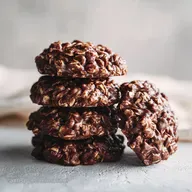
large chocolate chunksWhen you need a treat without turning on the oven, no bake chocolate oatmeal cookies are the standard. They set quickly on the counter and use simple pantry staples like cocoa and oats. They are particularly useful during warmer months or when oven space is limited.
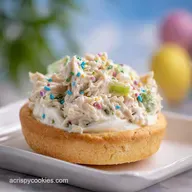
For something more decorative, a frosted sugar cookie provides a soft base for buttercream. This style is a great choice for celebrations where appearance matters as much as flavor, allowing for various colors and toppings to suit the event.
This quick option provides a fudgy, oat-filled texture without using the oven, making it ideal for warmer months or busy schedules when a fast treat is needed.
no-bake stovetop methodA soft sugar cookie base topped with a smooth buttercream layer, this recipe is modeled after the famous restaurant version for a sweet, frosted finish.
buttercream frosted finish| # | Recipes | Best For | Time | Difficulty |
|---|---|---|---|---|
| 1 | Soft Peanut Butter Blossoms | holiday cookie swaps | 45 Min | Medium |
| 2 | Chewy Oatmeal Raisin Cookies | afternoon snacks | 25 Min | Easy |
| 3 | Crispy Thin Chocolate Chip Cookies | milk and cookies pairing | 31 Min | Easy |
| 4 | Levain Bakery Copycat | thick cookie fans | 40 Min | Medium |
| 5 | Dad Bod Cookie Crumbl Copycat | dense texture cravings | 32 Min | Medium |
| 6 | Penn Station Chocolate Chunk Cookies | chocolate lovers | 2 Hours | Easy |
| 7 | No Bake Chocolate Oatmeal Cookies | last-minute treats | 30 Min | Easy |
| 8 | Chicken Salad Chick Cookie | birthday parties | 30 Min | Medium |
Discover more curated recipe collections
Explore more recipe collections →