Chewy Oatmeal Raisin Cookies from Scratch: Bakery Style

- Servings36 cookies
- Total52 Mins
- Calories148 kcal
- Time: 10 min active + 12 min baking + 30 min optional chilling
- Taste: Warm cinnamon and toasted oats with juicy, sweet raisins
- Best for: Rainy afternoon snacks or a cozy treat for the office
Chewy Oatmeal Raisin Cookies From Scratch
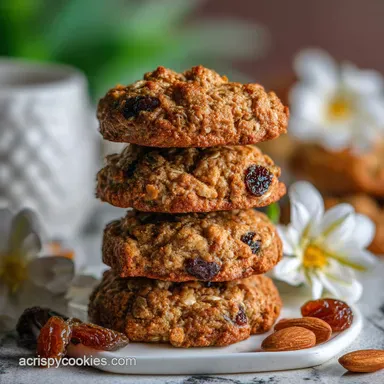
Imagine a kitchen that smells like warm cinnamon and toasted oats. You pull a tray out of the oven, and the cookies are just starting to slump, with edges that look like molten gold. They have that specific, bendy texture that makes a cookie feel professional rather than homemade.
These aren't those dry, hard discs that break your teeth. We're going for a soft, pillowy center and a hint of caramelization on the bottom. It's the kind of treat that feels like a warm hug on a cold day.
Whether you're baking for a neighborhood potluck or just want something to go with a cold glass of milk, these chewy oatmeal raisin cookies from scratch deliver. They look effortless but taste like you spent all day in a professional pastry shop.
Why This Recipe Works
- Rolled Oats: Opting for old-fashioned oats over quick-cooking ones provides a heartier chew and prevents the cookies from becoming too cakey.
- Brown Sugar Ratio: The generous amount of brown sugar introduces molasses, which retains moisture and keeps the centers soft.
- Cool Butter: Using butter that is slightly cool rather than melted stops the dough from spreading into a flat puddle.
| Method | Time | Texture | Best For |
|---|---|---|---|
| Fast (No Chill) | 22 mins | Thinner, softer edges | Quick cravings |
| Classic (Chill) | 52 mins | Thicker, chewier center | Bakery-style look |
In all honesty, chilling the dough is where the magic happens. It allows the flour to hydrate and the fats to firm up, ensuring you get plump, rounded cookies rather than flat circles.
Gathering Your Essentials
| Ingredient | What It Does | Best Swap |
|---|---|---|
| Brown Sugar | Adds moisture and caramel flavor | Coconut sugar (results in a drier cookie) |
| Rolled Oats | Gives the hearty, chewy structure | Quick oats (makes it softer, less chew) |
- 1 cup (225g) unsalted butter, slightly cool Why this? Keeps the cookies from spreading too much
- 1 cup (200g) packed light brown sugar
- ½ cup (100g) granulated white sugar
- 2 large (100g) eggs, room temperature
- 1 tsp (5ml) vanilla extract
- 1 ½ cups (190g) all-purpose flour
- 1 tsp (2.5g) ground cinnamon
- 1 tsp (5g) baking soda
- ½ tsp (3g) salt
- 3 cups (270g) old-fashioned rolled oats Why this? Essential for that chunky, chewy texture
- 1 ½ cups (225g) raisins
Must-Have Kitchen Tools
You don't need professional equipment, but a few tools make the process much simpler. For the creaming stage, a handheld electric mixer or a KitchenAid stand mixer is a big help. Use a 2-tablespoon cookie scoop to ensure consistent sizing.
Finally, line your sheets with silicone mats or parchment paper to prevent sticking and ensure a clean release.
The Baking Process
Preparing the Base
Heat your oven to 350°F (180°C). Line your baking sheets with parchment paper. Cream the slightly cool butter with the light brown and white sugars using a mixer on medium-high for 2 to 3 minutes. Wait until the mixture looks pale and fluffy.

Integrating the Wet Ingredients
Add the eggs one at a time. Beat well after each egg, then stir in the vanilla extract. This helps the fats and liquids emulsify, so the dough looks smooth rather than curdled.
Blending Dry Elements
In a medium bowl, whisk the flour, cinnamon, baking soda, and salt. Gradually pour this into the butter mixture on low speed. Mix only until the white flour streaks vanish. Overmixing here makes the cookies tough.
Folding in the Texture
Use a spatula to fold in the old-fashioned rolled oats and raisins by hand. This keeps the air in the batter and distributes the raisins evenly.

Baking to Perfection
Optional: Chill the dough in the fridge for 30 minutes. Use your 2-tablespoon scoop to place rounded mounds 2 inches apart. Bake 10 to 12 minutes until the edges are just golden brown. The centers should still look soft and slightly underbaked.
Let them firm up on the hot pan for a few minutes before moving them to a wire rack.

Solving Common Cookie Problems
Fixing Flat Cookies
Excessive spreading usually happens when the butter is too warm, causing the fats to melt too quickly in the oven. For better results, use cooler butter or chill the scooped dough balls for 30 minutes before baking.
Stopping Dry Cookies
Cookies become dry if they are left in the oven for too long. Because of the oats, the centers may still look slightly moist when they are actually finished. Take them out the moment the edges turn golden.
Avoiding Grainy Dough
If the dough feels grainy, the butter and sugar likely weren't creamed for a sufficient amount of time. Beat the mixture for 2 to 3 minutes until it looks pale to incorporate enough air for a smooth texture.
Adding Your Own Twist
To get a viral, trendy look, I love playing with color accents. For a deep, rich contrast, swap half the raisins for dark chocolate chips. If you want a pop of bright red, use dried cranberries. A pinch of bright orange zest in the dough adds a fresh, zesty note that balances the cinnamon.
If you enjoy a fruitier vibe, check out this Apple Raisin Oatmeal Cookies version. For something with a bit more crunch, the Apple Walnut Oatmeal Cookies are a great choice.
Storing Your Treats
Keep these in a sealed jar on the counter for up to 5 days. To keep them soft, toss a slice of white bread into the jar. The cookies will pull moisture from the bread, staying chewy for longer.
You can also freeze the dough. Scoop the dough into balls and freeze them on a tray before moving them to a bag. Bake them straight from the freezer, but add about 2 minutes to the baking time. Baked cookies also freeze well for up to 3 months in a freezer bag. Just thaw them at room temperature for an hour.
Best Ways to Serve

These are stunning on a white platter, piled high in a pyramid. To add a final visual touch, press a few extra raisins or a pinch of flaky sea salt onto the tops immediately after they come out of the oven. Pair them with a cold glass of oat milk or a hot cup of coffee for the full experience.
Frequently Asked Questions
What makes an oatmeal raisin cookie chewy?
The combination of brown sugar and careful timing. Brown sugar adds essential moisture, while removing the cookies when the centers still look slightly underbaked prevents them from drying out.
Which common mistakes lead to poor results?
Overmixing the flour or baking too long. Mixing the dough too much develops gluten, making cookies tough, and overbaking removes the signature soft center.
Can quick-cooking oats be used instead of old-fashioned oats?
Yes, but the texture will change. Quick oats create a softer, more cake-like cookie, whereas old-fashioned rolled oats provide more chew and structure.
Is it possible to refrigerate the dough before baking?
Yes, chill it for 30 minutes. This step ensures the cookies stay thicker and prevents them from spreading too much on the pan.
Could the dough be frozen for later use?
Yes, scoop into balls and freeze them. When baking directly from the freezer, simply add about 2 minutes to the total baking time.
Are raisins swappable for other mix-ins?
Yes, you can substitute the raisins for other add-ins. This allows you to customize the flavor while keeping the base dough and proportions the same.
Why do some cookies turn out flat?
Overcreaming the butter or using butter that is too soft. This incorporates too much air or weakens the structure, causing the dough to spread quickly in the oven.
How to keep these cookies soft after they cool?
Store them in a sealed jar on the counter. Adding a slice of white bread to the jar helps the cookies maintain their chewiness for up to 5 days.
Chewy Oatmeal Raisin Cookies: Bakery Style
Ingredients:
Instructions:
Try These Next

Cookies With Candy Canes with Applesauce
Holiday bakers will love these Cookies with Candy Canes. Our key baking steps ensure they stay…

Chocolate Chip Pumpkin Cookies
Remove excess water from the puree for chewy Easy Chocolate Chip Pumpkin Cookies.

Apple Pie Thumbprint Cookies
Buttery and spiced Apple Pie Thumbprint Cookies with a jammy center.

Chewy Apple Walnut Oatmeal Cookies
Bake delicious Apple Walnut Oatmeal Cookies with Granny Smith apples, walnuts, and brown sugar.

Maple Syrup Applesauce Oatmeal Cookies
Want chewy Applesauce Oatmeal Cookies? Swapping butter for fruit purée maintains moisture for a…

Cinnamon Sugar Apple Cookies with Applesauce
Cinnamon Sugar Apple Cookies offer a soft, spiced bite. Learn about the magic of applesauce for a…
