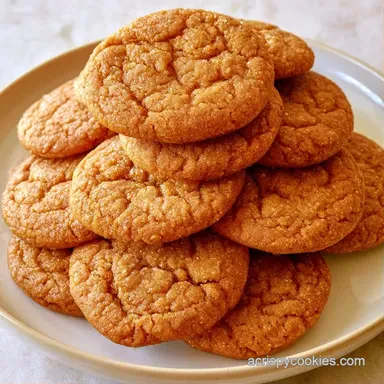
Glutenfree Gingerbread Cookies with Coconut Sugar
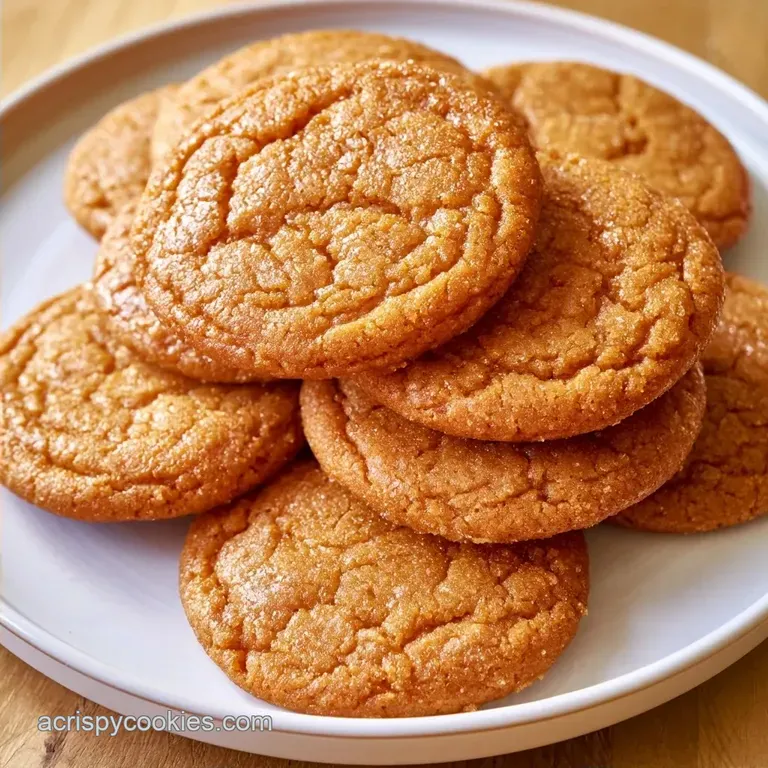
- Time: 20 min active + 12 hours chilling
- Flavor/Texture Hook: Warm, spiced mahogany snap with a soft center
- Perfect for: Festive holiday platters and gluten-free gift boxes
GlutenFree Gingerbread Cookies
Ever wonder why most gluten-free holiday treats taste like cardboard or crumble the second you touch them? I used to think it was just the nature of the beast until I stopped treating gluten-free dough like regular dough. Most people rush the process, but the magic happens in the fridge.
These GlutenFree Gingerbread Cookies don't rely on a miracle; they rely on time. When you let the dough rest, the rice flours and starches actually absorb the liquids. It gets rid of that gritty texture that ruins so many GF bakes.
You'll get a cookie that looks like a classic holiday treat and tastes even better. They have that deep, dark color and a spice profile that hits you right in the nose the moment they leave the oven.
Why the Long Chill Matters
Flour Hydration: gluten-free flours take longer to soak up moisture. Serious Eats' testing shows that letting GF dough rest prevents a gummy center and gives the cookie more structural integrity.
Fat Stability: Chilling the butter ensures it doesn't melt instantly in the oven. This keeps your gingerbread men from turning into ginger puddles on the baking sheet.
Flavor Development: The spices meld with the molasses over 12 hours. The result is a cohesive, warm taste rather than just tasting raw ginger.
Baking Method Comparison
| Method | Time | Texture | Best For |
|---|---|---|---|
| Standard Oven | 10 mins | Consistent snap | Large batches |
| Stovetop/Broil | 6 mins | Charred edges | Small, quick treats |
The oven is the gold standard here, but if you're in a pinch, a heavy skillet on the stove followed by a quick broil can work for a rustic look.
What You'll Need
Getting the right flour blend is where most people trip up. I use a 1 to-1 blend that already has xanthan gum included. If you're used to making gluten-free sugar cookies, you'll find the dough for these GlutenFree Gingerbread Cookies is a bit stickier because of the molasses.
Ingredient Deep Dive
| Ingredient | Role | If You Don't Have It |
|---|---|---|
| GF Flour Blend | Structure | Almond flour (will be softer) |
| Dark Molasses | Color & Moisture | Maple syrup (lighter flavor) |
| Coconut Sugar | Toasted Sweetness | Brown sugar (more caramel notes) |
| Baking Soda | Lift & Browning | Baking powder (less browning) |
For the Gingerbread Dough
- 280g gluten-free all purpose flour blend Why this? Needs xanthan gum for a sturdy snap
- 5g ground ginger
- 2g ground cinnamon
- 1g ground cloves
- 3g baking soda
- 1.5g salt
- 115g unsalted butter, softened
- 90g coconut sugar Why this? Adds a rich, earthy depth
- 80ml unsulfured dark molasses
- 1 large (50g) egg, room temperature
- 5ml pure vanilla extract
For the Icing
- 120g powdered sugar
- 30ml water
- 2.5ml vanilla extract
Chef's Note: If your molasses is too thick to pour, microwave it for 10 seconds. It makes emulsifying the wet ingredients a breeze.
Equipment Needed
While a high-end kitchen isn't necessary, these tools make the process much smoother. I typically use a KitchenAid stand mixer to cream the ingredients, although a hand mixer works just as well.
- Electric mixer (hand or stand)
- Medium mixing bowl
- Rolling pin
- Two sheets of parchment paper
- Gingerbread man or star cutters
- Baking sheets
- Plastic wrap (for the dough disc)
Bringing It Together
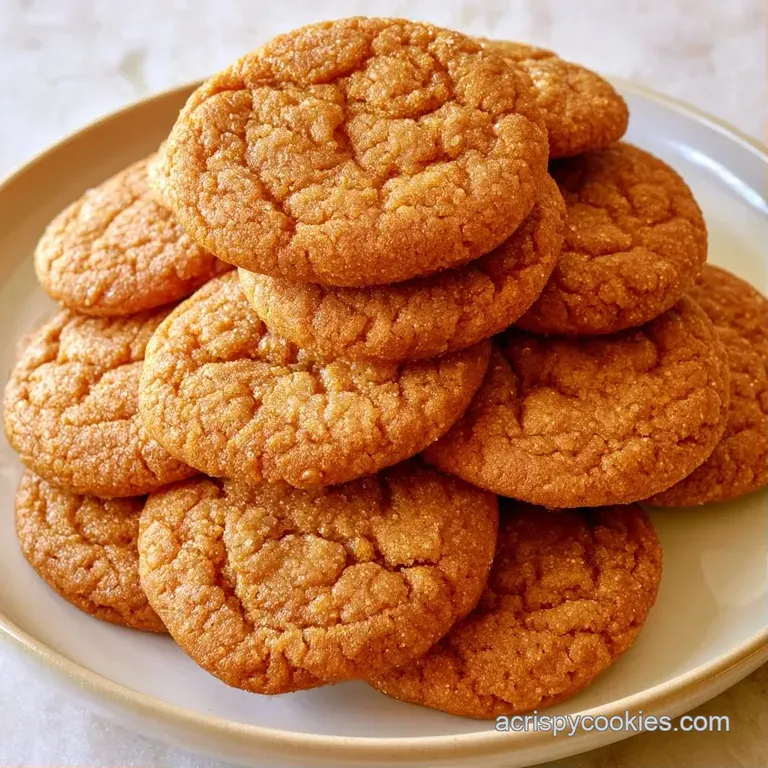
Time to get started. The secret is to avoid overworking the dough once you add the flour.
Mixing the Dry Base
Whisk together 280g gluten-free flour, 5g ginger, 2g cinnamon, 1g cloves, 3g baking soda, and 1.5g salt. Stir well to break up any cinnamon lumps; this ensures your GlutenFree Gingerbread Cookies don't have "spice pockets."
Emulsifying the Wet Ingredients
Cream the 115g softened butter with 90g coconut sugar until the mixture is light and airy. Next, blend in the 50g egg, 80ml molasses, and 5ml vanilla extract. Mix until the texture is smooth and has a deep mahogany hue.
Incorporating the Flour
Slowly blend the dry flour mixture into the wet ingredients. Use a low speed and stop as soon as a soft dough forms. Be careful not to overmix, or the dough may become too dense.
Chilling the Dough for Stability
Wrap the dough tightly in plastic wrap and flatten it into a disc about 2 inches thick. Let it rest in the fridge for 12 hours. This is a vital step, omitting the chill is the fastest way to spoil your GlutenFree Gingerbread Cookies.
Rolling and Cutting Shapes
Set the oven to 175°C (350°F). Place the cold dough between two sheets of parchment paper and roll it out to 6mm (1/4 inch) thickness. Use your cutters to create shapes and transfer them to a lined baking sheet.
Baking to a Golden Finish
Bake for 8-10 minutes until the edges are set and feel firm. The centers should still appear slightly soft; they will firm up during the cooling process.
Finishing with Icing
Whisk together 120g powdered sugar, 30ml water, and 2.5ml vanilla until the icing is silky and ready to pour. Pipe the icing onto the cooled cookies.
Precision Checkpoints:
- Dough thickness: Exactly 6mm.
- Internal temp: Cookies are done when the edges stop glistening.
- Chill time: Minimum 12 hours.
Common Mistakes & Troubleshooting
Even with a plan, GF baking can be moody. I've had batches that spread too much or felt too grainy. Usually, it comes down to temperature or flour brands.
Fixing Sticky Dough
If the dough feels tacky when you're rolling it, don't just dump more flour on it. That makes the cookies dry. Instead, pop the dough in the freezer for 10 minutes. This firms up the butter and makes it manageable again.
Preventing Spreading
If your GlutenFree Gingerbread Cookies are flattening out, your oven might be too cool or your dough wasn't chilled long enough. Make sure the oven is fully preheated and the dough is ice cold when it hits the pan.
Avoiding Over browning
Molasses has a lot of natural sugar, which burns quickly. If the edges are darkening too fast, move the baking sheet to the top rack or lower the temp by 10 degrees.
| Problem | Root Cause | Solution |
|---|---|---|
| Cookies are crumbly | Not enough hydration/chill time | Chill dough for full 12 hours |
| Too much spreading | Butter was too warm | Freeze dough 10 mins before rolling |
| Gritty texture | Flour didn't hydrate | Ensure 1 to-1 blend is used |
| Icing is too runny | Too much water | Whisk in 1 tbsp more powdered sugar |
Mix It Up
After mastering the basic recipe, feel free to experiment with different flavor profiles. These GlutenFree Gingerbread Cookies serve as a perfect foundation for seasonal variations.
- Maple Twist: Substitute the molasses with Grade A dark maple syrup for a woodsy sweetness and a paler hue.
- Orange Zest: Mix in 1 tsp of fresh orange zest while creaming to balance the heavy molasses flavor.
- Vegan Option: Swap in vegan butter and a flax replacement (1 tbsp ground flax mixed with 3 tbsp water). Keep in mind that these might spread a bit more.
If you enjoy this consistency, you'll love my chewy GF chocolate chip cookies for another delicious option.
Adjusting Batch Sizes
Scaling Down (1/2 batch): Use a smaller mixing bowl and shorten the baking window by 1-2 minutes. For the egg, whisk one in a cup and measure out exactly 25g.
Scaling Up (2x batch): For a double batch, don't simply double all the spices; use 1.5x the cinnamon and cloves for better balance. Process the dough in stages to prevent it from warming up during shaping.
Quick Guide:
- Seeking a brighter flavor? → stir in 1 tsp lemon zest
- Prefer more snap? → bake for an additional 2 mins
- Like a softer middle? → remove from oven at 8 mins
Preservation Secrets
Thanks to the molasses, these treats stay moist longer than your average sugar cookie. To preserve that signature snap, however, you'll want to store them properly.
Place the cooled GlutenFree Gingerbread Cookies in a sealed jar on your counter for up to 5 days. For longer storage, transfer them to a freezer bag where they will remain fresh for 3 months. To revive them, simply heat them in a 150°C oven for 3 minutes.
To embrace zero waste, keep the molasses jar. Once empty and cleaned, it works great for storing leftover icing or holding cinnamon sticks. If you have any dough scraps left, just re-roll them into "ginger blobs" for a quick bite.
How to Serve and Enjoy
Presentation is half the pleasure since these are such visual treats. Whether you are hosting a casual tea or an elegant party, you can shift the mood with just a few adjustments.
Simple Level: Set three cookies on a small ceramic dish with a chilled glass of oat milk for a cozy, homey feel.
Polished Level: Arrange the GlutenFree Gingerbread Cookies on a wooden platter. Add thin drizzles of white icing and a few pomegranate seeds for a vibrant pop of red.
Restaurant Level: Place a single cookie on a slate plate. Top it with a dollop of whipped mascarpone, one fresh raspberry, and a light dusting of powdered sugar.
Plating Tweaks
| Level | Plate | Garnish | Vibe |
|---|---|---|---|
| Simple | Ceramic | Glass of milk | Cozy |
| Polished | Wood Board | Pomegranate seeds | Festive |
| Restaurant | Slate | Mascarpone & Raspberry | Upscale |
To find the most accurate nutrition facts, refer to USDA FoodData Central for your specific flour blend. These GlutenFree Gingerbread Cookies bring all the holiday nostalgia without the gluten. Now, grab your cutters and get baking!
Recipe FAQs
Can people with celiac disease eat these gingerbread cookies?
Yes, since this recipe uses a gluten-free all-purpose flour blend.
Tip: verify that your molasses and vanilla extract are certified gluten-free.
Which flour blend works best for this recipe?
A gluten-free all-purpose flour blend that already contains xanthan gum provides the best structure.
Tip: whisk the dry ingredients thoroughly to ensure no clumps remain.
How to get clean edges when cutting the dough?
Roll the chilled dough between two sheets of parchment paper to 1/4 inch thickness.
Tip: dip your cookie cutters in powdered sugar to prevent them from sticking.
Is it true that you can bake the dough immediately without refrigerating?
No, and here's why. Chilling the dough for at least 12 hours is essential to allow the flours to hydrate and remove grittiness.
Tip: flatten the dough into a disc before wrapping for a more efficient chill.
Why do some gluten-free cookies feel grainy?
This typically happens when the dough is not chilled long enough for the flour to absorb the liquids.
Tip: if you enjoyed mastering the hydration period here, apply the same patience to our fudgy chocolate cookies for a professional texture.
GlutenFree Gingerbread Cookies Soft