Ground Chicken Meatballs Recipe
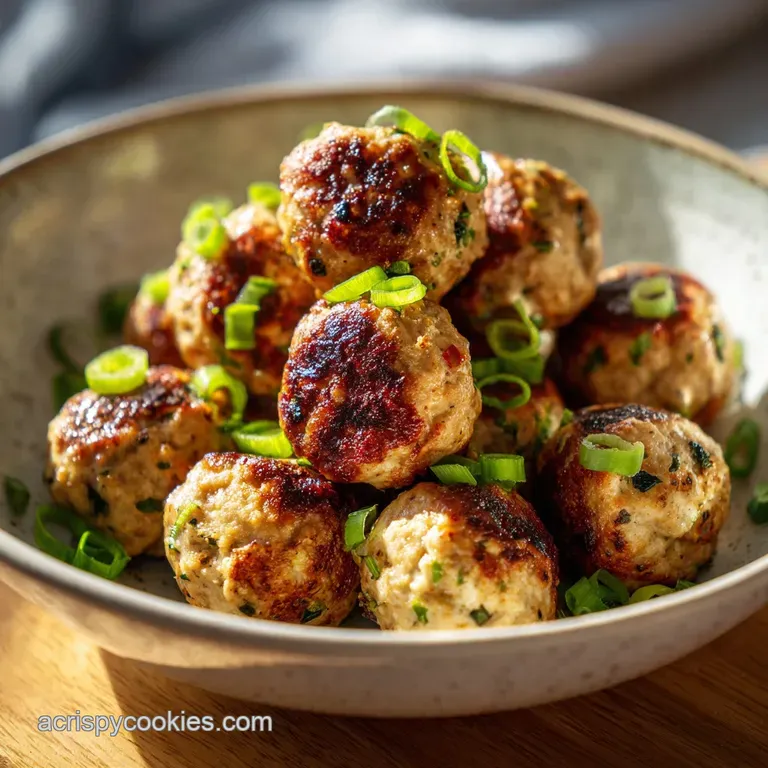
- Time: Active 15 minutes, Passive 20 minutes, Total 35 minutes
- Flavor/Texture Hook: Golden brown crispy exterior with a buttery, garlic forward interior.
- Perfect for: High protein meal prep or a refined twist on a family dinner.
- Perfect Juicy Ground Chicken Meatballs Recipe
- Essential Culinary Physics and Moisture Secrets
- Standard Preparation and Performance Specifications
- Balanced Components for Maximum Umami Impact
- Primary Tools for Seamless Meatball Production
- Executing the Technique with Precision Cues
- Solving Critical Preparation and Texture Hurdles
- Strategic Scaling for Volume and Efficiency
- Debunking Traditional Meatball Preparation Myths
- Maintaining Freshness and Minimizing Waste
- Creative Pairing and Flavor Compositions
- Recipe FAQs
- 📝 Recipe Card
Perfect Juicy Ground Chicken Meatballs Recipe
The sizzle of meat hitting a hot pan is one of my favorite kitchen soundtracks, but for years, I struggled with the silence of the chicken meatball. Most recipes I tried ended up dry, bouncing off the plate like a squash ball.
I became a flavor detective, determined to re create the tender bite of a high end Italian restaurant without using heavy red meats.
I finally realized the secret isn't just in the meat, it's in the chemistry of the fillers. Ground chicken is incredibly lean, meaning it doesn't have the fat cushion that beef provides. If you treat it like beef, you'll fail.
But when you balance the lean protein with a moisture locking panade, you get a result that is surprisingly rich and satisfying.
We've all been there: staring at a bowl of sticky ground poultry, wondering why it won't hold its shape. Trust me on this, once you understand how to hydrate the breadcrumbs properly, you'll never go back to those store-bought, frozen pucks.
This recipe is about that beautiful contrast between a seared, savory crust and a silky center that practically melts.
Essential Culinary Physics and Moisture Secrets
Capillary Action: Breadcrumbs soaked in milk create a gel like panade that traps moisture within the meat matrix during cooking. This prevents the chicken proteins from tightening too much and squeezing out their natural juices.
Fat Emulsification: The addition of finely grated Parmesan provides a source of fat that melts at a different temperature than the meat. It acts as a secondary lubricant, ensuring a velvety mouthfeel even with lean breast meat.
Protein Cross Linking: Using a beaten egg provides a structural web that holds the light chicken together without requiring dense packing. This keeps the texture airy and tender rather than compact and tough.
| Thickness | Internal Temp | Rest Time | Visual Cue |
|---|---|---|---|
| 1 inch | 165°F (74°C) | 3 mins | Surface is opaque and bouncy |
| 1.5 inches | 165°F (74°C) | 5 mins | Golden brown with clear juices |
| 2 inches | 165°F (74°C) | 5 mins | Deep crust, no pink center |
If you are planning a full Italian inspired spread, these meatballs match the quality of my Oven Baked Cheesy recipe which uses similar melting techniques for flavor.
Standard Preparation and Performance Specifications
When I'm in flavor detective mode, I like to see how different methods stack up against each other. For these Ground Chicken Meatballs, you have options depending on your schedule and desired texture.
A quick air fry gives you that intense crunch, while the oven method provides a more uniform, classic result that's easier for large batches.
| Method | Time | Texture | Best For |
|---|---|---|---|
| Oven Baked | 20 mins | Evenly tender | Large family dinners |
| Air Fryer | 12 mins | Extra crispy skin | Quick weeknight meals |
| Stovetop Searing | 15 mins | Rich Maillard crust | Finishing in a sauce |
Balanced Components for Maximum Umami Impact
The magic here lies in the "Flavor Map" we are building. We want the savory depth of garlic and oregano to hit first, followed by the salty tang of Parmesan, and finished with the brightness of fresh parsley. It is a game of contrasts that makes the dish feel complex.
| Ingredient | Science Role | Pro Secret |
|---|---|---|
| Panko Breadcrumbs | Moisture Reservoir | Use Panko over fine crumbs for a lighter, less dense structure. |
| Whole Milk | Protein Softener | The fat in whole milk helps lubricate lean chicken fibers during the bake. |
| Parmesan Cheese | Umami Booster | Grate it yourself for better melting; pre shredded has waxy coatings. |
| Fresh Garlic | Aromatic Depth | Mince into a paste so it distributes evenly without biting into raw chunks. |
- 1 lb ground chicken: A mix of breast and thigh is best. Substitute with ground turkey if needed.
- 1/2 cup Panko breadcrumbs: These provide the structure. Why this? They absorb more liquid without becoming heavy or gummy.
- 1/4 cup whole milk: Hydrates the panade. Substitute with heavy cream for a richer finish.
- 1 large egg: The binder. If you're out, use 2 tablespoons of mayo for a similar fat/protein hit.
- 1/2 cup freshly grated Parmesan cheese: Adds salt and fat. Why this? It provides a savory "aged" flavor that complements the mild chicken.
- 3 cloves garlic: Freshly minced. Substitute with 1 teaspoon garlic powder in a pinch.
- 2 tbsp fresh parsley: Adds color and freshness. Substitute with 1 tablespoon dried parsley.
- 1 tsp dried oregano: For that classic herb profile. Substitute with Italian seasoning.
- 1/2 tsp onion powder: Distributes flavor evenly. Substitute with very finely minced shallots.
- 1 tsp kosher salt: Use Diamond Crystal if possible. Why this? The larger grains season the meat more gently than fine table salt.
- 1/2 tsp freshly cracked black pepper: For a subtle floral heat.
Primary Tools for Seamless Meatball Production
To get that restaurant quality finish, you don't need fancy gadgets, but a few specific tools make the process much smoother. I always use a cookie scoop to ensure every meatball is the exact same size.
This isn't just for looks; it ensures they all finish cooking at the same time, so you don't end up with some raw centers and other overcooked rocks.
A large rimmed baking sheet lined with parchment paper is your best friend here. It allows air to circulate and prevents sticking without needing excess oil. If you have a wire rack that fits inside the baking sheet, even better.
Elevating the meat allows the heat to hit the bottom, giving you a 360 degree sear without having to flip them halfway through.
Executing the Technique with Precision Cues
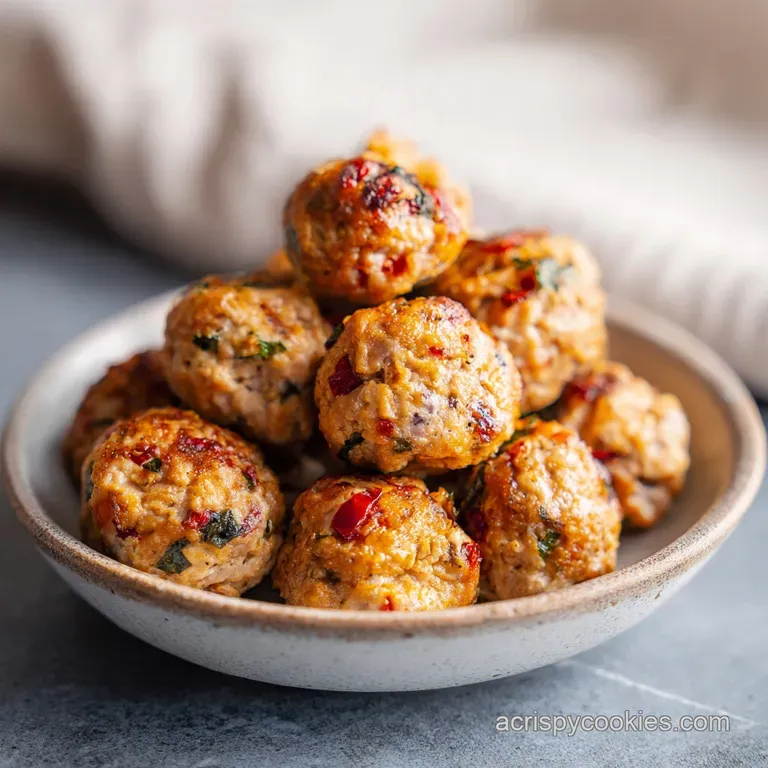
- Hydrate the panade. Mix the 1/2 cup Panko and 1/4 cup milk in a small bowl. Note: Letting this sit for 5 minutes ensures the crumbs are fully saturated.
- Prep the aromatics. Mince the 3 garlic cloves into a fine paste and chop the 2 tbsp parsley.
- Combine the base. In a large bowl, whisk the 1 large egg with the 1 tsp salt, 1/2 tsp pepper, 1 tsp oregano, and 1/2 tsp onion powder.
- Add the cheese. Fold the 1/2 cup Parmesan into the egg mixture until it forms a thick slurry.
- Integrate the chicken. Add the 1 lb ground chicken and the soaked panade to the bowl.
- Mix gently. Use your hands or a fork to combine until the ingredients are just distributed. Note: Overworking the meat will make the meatballs rubbery.
- Shape the rounds. Scoop approximately 1.5 tablespoons of mixture and roll into balls.
- Arrange and chill. Place on a parchment lined tray. Note: Chilling for 10 minutes helps them hold their shape better during the sear.
- Bake the batch. Roast at 400°F (200°C) for 18 to 20 minutes until the tops are golden and sizzling.
- Check the temp. Insert a thermometer into the center; it should read 165°F (74°C).
For those busy nights, you can use a similar batch cooking mindset found in my Chicken Broccoli Rice recipe to save time later in the week.
Solving Critical Preparation and Texture Hurdles
One mistake I once made was skipping the milk soak. I thought I could just toss everything in a bowl and be done. The result? Meatballs so dry I needed a gallon of water just to finish one. The moisture balance is the most common pitfall when working with poultry.
Why Your Meatballs Are Sticky
Chicken is naturally wetter and stickier than beef. If you find the mixture clinging to your skin, it's usually because the meat has warmed up too much. Keep the chicken in the fridge until the very second you are ready to mix.
| Problem | Root Cause | Solution |
|---|---|---|
| Falling apart | Too much moisture/No binder | Add 1 tbsp more Panko or chill the mix before rolling. |
| Tough texture | Over mixing the meat | Mix with a fork or cold hands until just combined. |
| Bland flavor | Lack of salt/parmesan | Ensure you use kosher salt and high-quality aged cheese. |
Common Mistakes Checklist
- ✓ Never skip the panade (the bread/milk soak) or your meatballs will be dry.
- ✓ Wet your hands with cold water before rolling to prevent sticking.
- ✓ Use a thermometer to hit 165°F; every minute over makes them tougher.
- ✓ Don't overcrowd the tray; leave at least an inch between each ball for airflow.
- ✓ Avoid "extra lean" chicken if possible; a little thigh meat adds much needed fat.
Strategic Scaling for Volume and Efficiency
If you're cooking for a crowd or meal prepping, doubling this recipe is a breeze. However, don't just double everything blindly. When you scale up, the moisture can accumulate differently.
For a 2x batch (2 lbs of chicken), keep the spices at about 1.5x the original amount first, then taste a small bit of the mix (cooked) to see if it needs more. Scaling up the salt too fast can ruin the batch.
If you are halving the recipe, use a small egg or beat a large one and use only half of it to keep the hydration levels perfect.
| Servings | Chicken Amount | Pan Size | Bake Time |
|---|---|---|---|
| 5 people | 1 lb | 9x13 sheet | 20 mins |
| 10 people | 2 lbs | Two sheets | 22 mins |
| 15 people | 3 lbs | Three sheets | 25 mins |
For more efficient meal planning, I often think about how these proteins can transition into other meals, similar to how I handle the OnePot Ground Beef recipe for variety throughout the week.
Debunking Traditional Meatball Preparation Myths
Searing meat does not "seal in juices." This is a classic kitchen tale that science has debunked. Moisture loss happens as soon as the protein reaches high temperatures. Searing is actually for the Maillard reaction, which develops those complex, savory flavors on the crust.
Another myth is that you need high fat meat for flavor. While fat helps, you can achieve an incredibly rich profile using aromatics and cheese. Lean chicken can taste just as decadent as beef if you focus on the hydration of the binders rather than just the fat content of the meat itself.
Maintaining Freshness and Minimizing Waste
Storage: Store your cooked meatballs in an airtight container in the fridge for up to 4 days. They actually taste even better the next day as the garlic and oregano permeate the meat. For the freezer, place them on a tray to freeze individually first, then bag them up. They'll stay fresh for 3 months.
Zero Waste: If you have leftover parsley stems, don't toss them! Finely mince them and add them to the mix for extra flavor and crunch. If you have stale bread instead of Panko, pulse it in a blender for homemade crumbs.
Even the Parmesan rind can be saved and tossed into a simmering sauce to accompany the meatballs later.
Creative Pairing and Flavor Compositions
These meatballs are a blank canvas. For a classic Italian vibe, simmer them in a bright marinara and serve over al dente spaghetti. The contrast of the rich cheese in the meatball and the acidic tomato sauce is brilliant.
If you want something different, try an "Asian Ground Chicken Meatballs" variation by swapping the oregano and Parmesan for ginger, soy sauce, and sesame oil. Serve those over jasmine rice with a side of steamed bok choy.
They also make incredible sliders tuck three of them into a toasted brioche bun with a dollop of pesto and a slice of provolone for a satisfying lunch.
Recipe FAQs
What is a good binder for chicken meatballs?
A soaked Panko breadcrumb mixture (panade) is the best binder. Mix Panko with whole milk and let it sit for five minutes until fully saturated; this hydrates the dry meat and adds structure without making the final product heavy.
How do you keep chicken meatballs from falling apart?
Chill the formed meatballs for at least 10 minutes before cooking. This sets the shape and allows the egg and breadcrumb binder to firm up slightly, preventing them from crumbling when they hit the heat. If they are still falling apart, increase the binder slightly.
How to make chicken balls from ground chicken?
Combine your ingredients gently until just incorporated, then scoop and roll into uniform shapes. Mix the ground chicken with a pre-soaked panade, egg, cheese, and seasonings, using cold hands or a light touch to avoid overworking the protein. If you master the texture control here, you'll find similar success when controlling spread in our Sugar Cookie recipe.
Can you substitute ground chicken for ground pork in meatballs?
Yes, but you must compensate for the lack of pork fat. Chicken is much leaner than pork, so you need to boost the moisture and fat content using Parmesan cheese or a splash of heavy cream in the panade to maintain a juicy texture.
Why are my ground chicken meatballs tough or rubbery?
You likely overmixed the meatball mixture. Chicken proteins bind very quickly, and mixing for too long activates them, resulting in a tight, rubbery texture. Mix only until the ingredients are evenly distributed, then stop immediately.
What is the proper internal temperature for cooked ground chicken meatballs?
The safe internal temperature is 165°F (74°C). Use an instant read thermometer inserted into the center of the largest meatball to confirm doneness. Anything above this temperature will start drying out the lean meat significantly.
Can I skip the egg in ground chicken meatballs?
No, you should not skip the egg entirely. The egg acts as a crucial coagulant that stabilizes the structure. If you have an allergy, substitute with two tablespoons of mayonnaise or a flax egg to provide the necessary binding and fat element.
Ground Chicken Meatballs
Ingredients:
Instructions:
Nutrition Facts:
| Calories | 260 kcal |
|---|---|
| Protein | 22.3 g |
| Fat | 13.9 g |
| Carbs | 8.6 g |
| Fiber | 0.6 g |
| Sugar | 1.2 g |
| Sodium | 595 mg |
