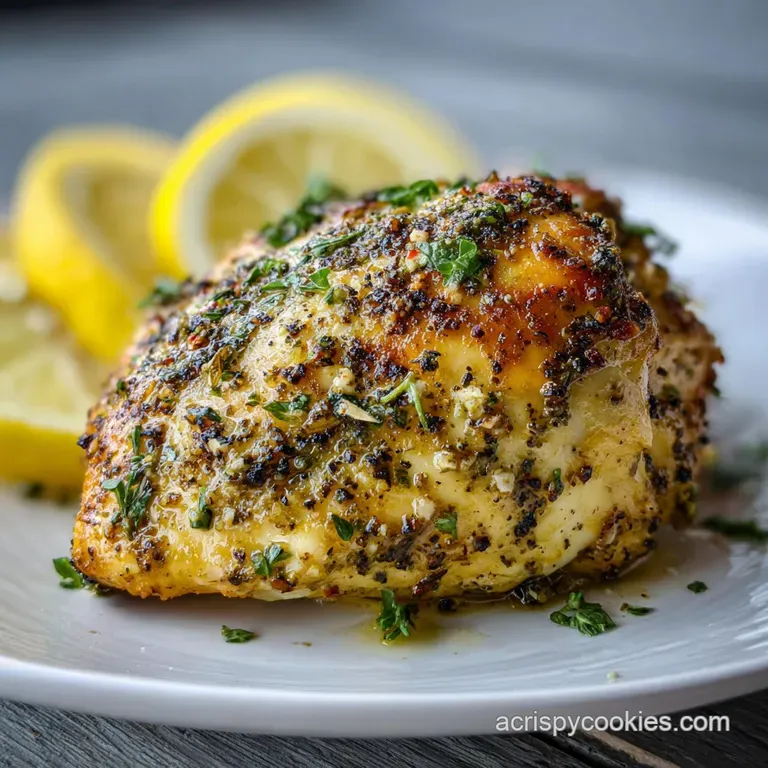
Baked Lemon Pepper Chicken: Juicy & Zesty
- Time: Active 10 minutes, Passive 20 minutes, Total 30 minutes
- Flavor/Texture Hook: Zesty, peppery, and velvety
- Perfect for: Busy weeknight dinners or healthy meal prep
- Mastering Baked Lemon Pepper Chicken
- Science of the Zesty Roast
- Precision Timing and Specs
- Ingredient Analysis and Substitutes
- Recommended Kitchen Equipment
- Step-by-Step Roasting Guide
- Troubleshooting and Common Fixes
- Tasty Variations and Swaps
- Storing and Reheating Safely
- Best Sides for Pairing
- High in Sodium
- Recipe FAQs
- 📝 Recipe Card
Mastering Baked Lemon Pepper Chicken
I’ll never forget the first time I tried to make a citrus based chicken. I was nineteen, living in a tiny apartment, and I thought "lemon chicken" meant drenching a breast in that yellow plastic squeeze bottle juice and hoping for the best.
The result was a rubbery, metallic mess that tasted more like a cleaning product than dinner. It was a total disaster, but it taught me the most valuable lesson in my kitchen: the difference between acid and aromatics.
Real Baked Lemon Pepper Chicken shouldn't just be sour; it should be vibrant, earthy, and have that specific "shatter" of coarsely cracked black pepper against a silky piece of meat. To get there, we have to stop treating lemon as just a liquid and start treating it as a spice.
This recipe is the culmination of years of testing how to balance the harshness of pepper with the delicate floral notes of fresh zest. We're going for a crust that bites back and a center that practically melts.
The trick I've found is all about the timing of the lemon. If you bake the juice for too long, the flavor flattens out and the meat becomes "chalky" from the acid breaking down the fibers too aggressively. Instead, we use the zest for the over high heat roast and save the fresh juice for a finishing glaze.
It’s a total game changer that ensures every bite is bright and balanced. Trust me, once you smell this hitting the oven, you'll see why the extra two minutes of zesting is worth it.
Science of the Zesty Roast
Essential Oil Extraction: The lemon zest contains limonene, a fat soluble aromatic compound that infuses into the olive oil, carrying flavor deeper into the meat than juice ever could.
Maillard Reaction Facilitation: The small amount of unsalted butter mixed with olive oil provides milk solids that brown at a lower temperature, giving the chicken a golden hue despite the short cooking time.
| Thickness | Internal Temp | Rest Time | Visual Cue |
|---|---|---|---|
| 0.5 inch | 165°F (74°C) | 3 minutes | Firm to touch, clear juices |
| 1 inch | 165°F (74°C) | 5 minutes | Opaque center, no pink |
| 1.5 inches | 165°F (74°C) | 8 minutes | Slight resistance when pressed |
To ensure the best results, always use a meat thermometer. Pulling the chicken at 160°F (71°C) and letting it carry over to 165°F (74°C) during the rest period prevents that dreaded "stringy" texture.
This method is much more reliable than the classic pan searing method, which often results in a burnt exterior and raw middle.
Precision Timing and Specs
To get this right every single time, you need to treat your oven like a laboratory. We are working with 1.5 lbs chicken breasts, which usually come in packs of two or three. If your breasts are massive (some are nearly 12 ounces each!), you must butterfly them.
Thick chicken is the enemy of even cooking; the outside will dry out before the center is safe to eat.
1. The Zest vs. Juice Ratio
We use exactly 2 tbsp lemon zest for the rub and 2 tbsp fresh lemon juice for the finish. This 1:1 ratio ensures the "cooked" lemon flavor is deep and savory, while the "fresh" lemon provides the high notes.
2. The over High heat Sealing Method
Baking at 400°F (200°C) is non negotiable here. A lower temp like 350°F (180°C) will steam the chicken in its own juices, leaving it grey and soggy.
High heat allows the surface moisture to evaporate quickly, letting the oils and spices create a crust.
3. The Salt Pepper Synergy
We use 1.5 tsp sea salt and 1 tbsp coarsely cracked black pepper. This might seem like a lot of pepper, but the heat of the oven mellows the spice, leaving behind a toasted, woody flavor that pairs perfectly with the citrus.
| Ingredient | Science Role | Pro Secret |
|---|---|---|
| Lemon Zest | Aromatic Infusion | Zest directly over the oil to catch escaping oils |
| Coarse Black Pepper | Texture & Heat | Use a mortar and pestle for irregular "shattering" bits |
| Sea Salt | Protein Denaturation | Helps the meat retain water during the over high heat blast |
| Unsalted Butter | Emulsification | Creates a velvety mouthfeel when mixed with lemon juice |
The combination of these elements creates a chemical environment where the chicken is protected from the dry air of the oven while being bombarded with flavor. Just like when making a Mexican Chicken Thighs recipe, the balance of fat and acid is what prevents the protein from becoming tough.
Ingredient Analysis and Substitutes
When shopping for this dish, your choice of pepper is actually more important than your choice of chicken. Avoid the pre ground "dust" found in tins. That stuff has lost its volatile oils and will just make your chicken taste like ash. You want whole peppercorns that you crack yourself.
- 1.5 lbs chicken breasts: The star of the show. Why this? Lean protein that acts as a blank canvas for the bold lemon pepper flavor.
- 2 tbsp extra virgin olive oil: For the base of the rub. Why this? High smoke point and carries fat soluble aromatics effectively.
- 2 tbsp lemon zest: From about two large lemons. Why this? Provides the punchy citrus scent without the sourness of the juice.
- 1 tbsp coarsely cracked black pepper: The "pepper" in lemon pepper. Why this? Large cracks provide a spicy crunch and toasted flavor.
- 1 tsp garlic powder: Adds a savory baseline.
- 1 tsp onion powder: Provides a subtle sweetness to balance the acid.
- 1.5 tsp sea salt: Vital for moisture retention.
- 0.5 tsp dried oregano: Adds an earthy, Mediterranean undertone.
- 2 tbsp fresh lemon juice: For the finishing glaze.
- 1 tbsp unsalted butter, melted: For richness and shine.
- 2 tbsp fresh parsley, finely chopped: For a pop of color and freshness.
| Original Ingredient | Substitute | Why It Works |
|---|---|---|
| Chicken Breasts | Chicken Thighs (boneless) | Higher fat content; more forgiving if overcooked. |
| Sea Salt | Kosher Salt | Similar clean saltiness. Use 2 tsp if using Diamond Crystal. |
| EVOO | Avocado Oil | Neutral flavor with a very high smoke point. |
| Fresh Parsley | Fresh Cilantro | Changes the profile to a more bright, herbal note. |
If you decide to go with thighs, check out my Skillet Chicken Thighs recipe for tips on getting that skin extra crispy.
Recommended Kitchen Equipment
You don't need a professional kitchen, but a few specific tools will make this significantly easier. A Microplane zester is the only way to get that 2 tbsp of zest without hitting the bitter white pith. If you use a standard box grater, be very gentle. You only want the yellow part.
I also highly recommend a heavy rimmed baking sheet. Thin pans tend to warp at 400°F (200°C), which causes the oil to pool in one corner and leave half your chicken dry.
If you have a cast iron skillet, that’s even better as it holds heat beautifully and helps brown the bottom of the breasts.
Finally,, get a meat thermometer. I cannot stress this enough. Chicken breast has a window of about 2 minutes between "perfectly juicy" and "dry sponge." An instant read thermometer takes the guesswork out of the equation and is the single best investment you can make for your cooking.
step-by-step Roasting Guide
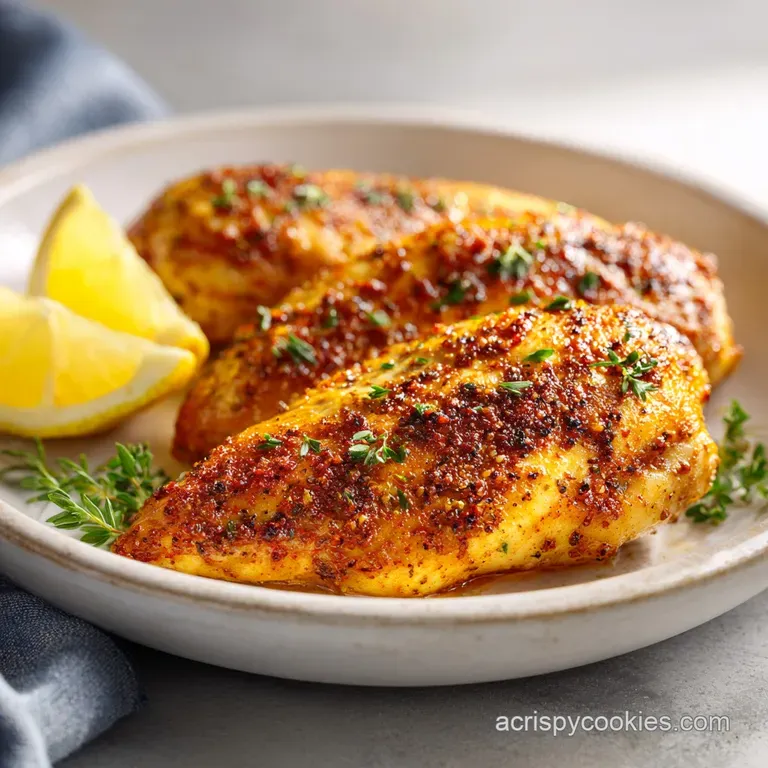
- Preheat oven to 400°F (200°C). Note: This ensures the chicken starts cooking the second it hits the pan.
- Pat chicken dry with paper towels. Note: Moisture on the surface creates steam, which prevents browning.
- Mix the rub: In a small bowl, combine olive oil, lemon zest, cracked pepper, garlic powder, onion powder, sea salt, and oregano.
- Coat the chicken: Rub the mixture over all sides of the 1.5 lbs chicken breasts.
- Place on pan: Arrange the chicken on a baking sheet, leaving space between each piece.
- Roast 18-22 minutes: Cook until the internal temperature reaches 165°F (74°C).
- Prepare glaze: While chicken roasts, whisk the 2 tbsp lemon juice and 1 tbsp melted butter together.
- Rest and glaze: Remove from oven and immediately brush with the lemon butter mixture. Let rest for 5 minutes to allow juices to redistribute.
- Garnish: Sprinkle with fresh parsley and an extra crack of pepper before serving.
Troubleshooting and Common Fixes
Even the simplest recipes can go sideways. The most common issue people face with Baked Lemon Pepper Chicken is a lack of flavor depth. If it tastes "flat," you likely forgot to pat the chicken dry or your spices are old.
1. Why is my chicken dry?
This is almost always a result of overcooking or a lack of resting. Breasts are very lean. If you leave them in the oven until they look "done" to the naked eye, they are probably already over 175°F (79°C).
Use the thermometer and pull them at 160°F (71°C) to allow for carryover cooking.
2. Why is the lemon flavor dull?
Heat destroys the bright, volatile compounds in lemon juice. If you put the juice in the oven for the full 20 minutes, it will taste muted. The secret is the "double hit" zest for the bake, juice for the finish. Also, ensure your lemons are fresh; older lemons have less oil in the skin.
3. How do I get crispy skin on thighs?
If you are using thighs instead of breasts, you need to start them skin side down in a cold pan and bring them up to heat on the stove first. This renders the fat. Then, flip and finish in the oven as directed.
| Problem | Root Cause | Solution |
|---|---|---|
| Rubbery Texture | Acidic marinade sat too long | Don't marinate for more than 30 minutes; the rub is meant for immediate use. |
| Gray Meat | Excess surface moisture | Pat the meat bone dry with paper towels before applying oil. |
| Bitter Aftertaste | Zested the white pith | Only grate the very top yellow layer of the lemon. |
Common Mistakes Checklist
- ✓ Always use fresh lemons; bottled juice is too acidic and lacks aroma.
- ✓ Coarsely crack your pepper right before using for maximum flavor.
- ✓ Don't skip the rest period; 5 minutes keeps the juices inside the meat.
- ✓ Preheat the oven for at least 15 minutes to ensure a true 400°F (200°C).
- ✓ Use a meat thermometer to avoid the "guessing game" of doneness.
Tasty Variations and Swaps
If you're looking to change things up, this base recipe is incredibly flexible. You can easily turn this into a Mediterranean feast by adding some kalamata olives and cherry tomatoes to the sheet pan. They’ll roast right alongside the chicken and create a built in sauce.
1. The Mediterranean Upgrade
Add 1 tsp of dried thyme and replace the parsley with fresh dill. Serve with a side of feta cheese and warm pita bread. The saltiness of the feta cuts through the black pepper beautifully.
2. The Honey Lemon Pivot
If you prefer a sweeter profile, whisk 1 tbsp of honey into the lemon butter glaze. This creates a sticky, lacquer like finish that kids usually love. It tames the "bite" of the pepper.
3. Keto & Paleo Swap
This recipe is already naturally keto friendly! To keep it paleo, simply swap the 1 tbsp of unsalted butter for ghee or more olive oil. The flavor remains just as robust.
| If you want... | Do this... |
|---|---|
| Extra Crunch | Add 1/4 cup of Panko breadcrumbs to the rub. |
| Spicy Kick | Add 1/2 tsp of red pepper flakes to the spice mix. |
| Garlic Punch | Add 3 cloves of minced fresh garlic to the finish glaze. |
Storing and Reheating Safely
Leftover Baked Lemon Pepper Chicken is actually a meal prep dream. It holds its texture well and the lemon flavor actually settles and deepens overnight. Just make sure you store it correctly to prevent it from becoming a brick in the fridge.
Storage: Place leftovers in an airtight container within 2 hours of cooking. It will stay fresh in the fridge for up to 4 days. If you want to freeze it, wrap each breast tightly in plastic wrap and then place in a freezer bag for up to 3 months.
Zero Waste: Don't throw away those squeezed lemon halves! Toss them into a pot of water with the chicken scraps (if you used bone in) to make a bright, citrusy chicken stock. You can also use the leftover chicken to top a salad or shred it into a Chicken Broccoli Rice recipe for a quick lunch.
Reheating: To keep it from drying out, reheat in a skillet over medium low heat with a splash of water or chicken broth. Cover with a lid to create steam. Avoid the microwave if possible, as it tends to make the protein rubbery.
Best Sides for Pairing
Because this dish is so bright and acidic, it needs something earthy or creamy to balance the plate. I love serving it over a bed of fluffy jasmine rice or with roasted root vegetables. The pepper in the chicken acts as a seasoning for whatever it touches, so you don't need to go overboard with side dish flavors.
If you’re looking for a one pan vibe, you can toss some halved baby potatoes in the same lemon pepper rub and start them in the oven 15 minutes before you add the chicken. They'll finish at the same time and soak up all the lemon butter glaze.
For a comforting Sunday dinner, this chicken pairs beautifully with a French Onion Chicken recipe inspired side, or even just a simple green salad with a light vinaigrette. The goal is to keep the sides simple so the citrus and pepper remain the stars of the show. Whatever you choose, make sure you have a little extra parsley on hand to brighten up the whole plate!

High in Sodium
895 mg mg of sodium per serving (39% % of daily value)
The American Heart Association recommends limiting sodium intake to about 2,300mg per day.
Tips to Reduce Sodium in This Chicken Recipe
-
Reduce Sea Salt-25%
Sea salt is a major contributor to the sodium content. Reduce the amount of sea salt from 1.5 tsp to 0.75 tsp. This can significantly lower the sodium without sacrificing too much flavor. You can always add more later if needed.
-
Enhance Lemon Flavor-10%
Increase the amount of fresh lemon juice from 2 tbsp to 3 tbsp. The added acidity will enhance the overall flavor profile, allowing you to further reduce the need for salt. You may also want to consider adding some lemon slices while the chicken is cooking.
-
Fresh Garlic > Powder-5%
Use 2-3 cloves of minced fresh garlic instead of 1 tsp of garlic powder. Fresh garlic provides a more potent flavor, which can help offset the reduction in sodium. Fresh ingredients often have much less sodium than their powdered alternatives.
-
Fresh Onion > Powder-5%
Use 1/4 cup of finely chopped fresh onion instead of 1 tsp of onion powder. Similar to garlic, fresh onion offers a more intense and natural flavor that helps compensate for less salt. Fresh ingredients contain less sodium.
-
Herb Power!
Experiment with other sodium free herbs and spices like smoked paprika, cayenne pepper, or Italian seasoning to boost flavor. Different herbs offer different flavors, so find what you love!
Recipe FAQs
How do you bake lemon pepper chicken?
Pat the chicken very dry and roast at 400°F (200°C). Create a rub using olive oil, lemon zest, black pepper, and seasoning, thoroughly coating the dry meat.
Bake for 18-22 minutes until 165°F (74°C) internal temperature is reached, then finish with a glaze of fresh lemon juice and butter.
Is it better to bake chicken at 350 or 400?
400°F (200°C) is the superior temperature for this recipe. Baking at a lower temperature like 350°F (180°C) tends to steam the chicken, resulting in a grey, soggy exterior. High heat quickly evaporates surface moisture, allowing the spices to form a proper crust.
Should baked chicken be covered or uncovered in the oven?
It should be baked uncovered for the entire duration. Covering the chicken traps steam, which directly prevents the development of the zesty, peppery crust this recipe relies on. If you are concerned about extreme dryness, only cover it for the final two minutes of resting.
What is the secret ingredient to the most flavorful baked chicken ever?
The secret is separating the lemon zest from the lemon juice application. The zest is baked with the fat for deep aromatic infusion, and the fresh juice is reserved for a post bake brush to provide vibrant, high notes. If you mastered controlling the acid fat balance here, you'll see the same principle applied in our Marinated Beef Kebabs recipe.
Why is my lemon pepper chicken turning out dry?
You likely overcooked it or skipped the crucial resting period. Chicken breast needs to be pulled from the oven when the internal temperature hits 160°F (71°C) and allowed to rest for five minutes so carryover heat brings it safely to 165°F (74°C).
This resting allows the muscle fibers to relax and reabsorb the juices.
Can I skip cracking the pepper myself?
No, using pre-ground pepper severely compromises the flavor profile. Pre-ground pepper has lost its essential volatile oils, leaving behind a dull, dusty taste. You need coarsely cracked pepper to achieve the necessary spicy crunch and toasted woody flavor against the citrus.
What is the best way to reheat leftovers without losing moisture?
Reheat gently in a covered skillet over medium low heat with a liquid. Add a tablespoon of water or broth to the pan and cover it immediately; the resulting steam will reintroduce moisture back into the protein. Avoid the microwave when possible, as it heats unevenly and rapidly dries the meat fibers.
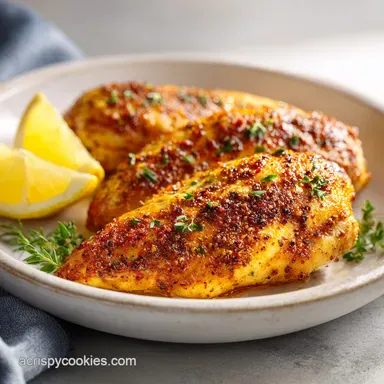
Juicy Lemon Pepper Chicken
Ingredients:
Instructions:
Nutrition Facts:
| Calories | 308 calories |
|---|---|
| Protein | 39.2 g |
| Fat | 15.4 g |
| Carbs | 2.8 g |
| Fiber | 0.8 g |
| Sugar | 0.4 g |
| Sodium | 895 mg |
