Braised Short Ribs Slow Cooker Recipe
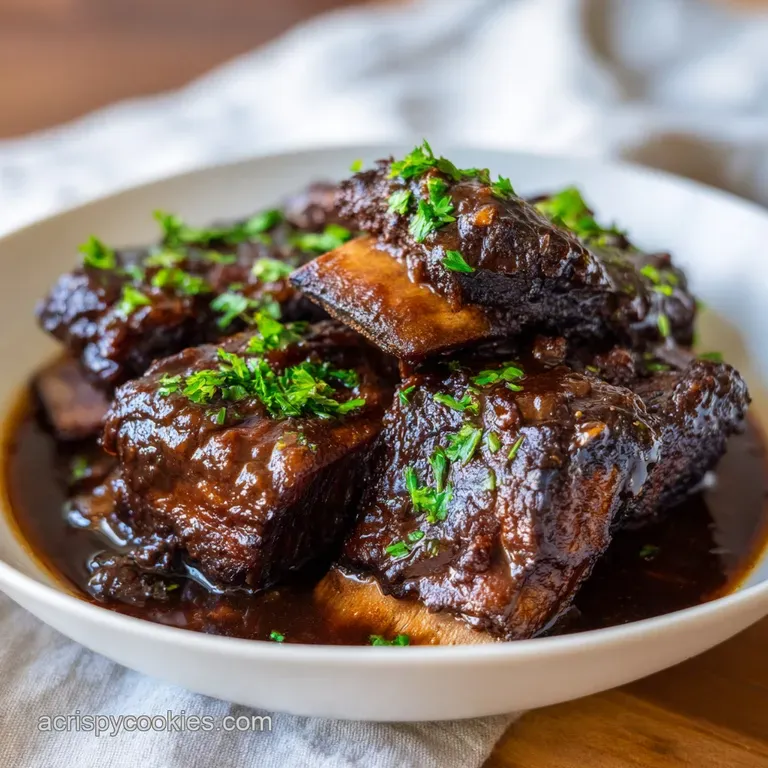
- Time: Active 20 minutes, Passive 8 hours, Total 8 hours 20 mins
- Flavor/Texture Hook: Silky, wine infused beef that shatters at the touch of a fork
- Perfect for: Stress free Sunday dinners or impressive hosting without the last minute kitchen chaos
- Finding the Best Short Ribs Slow Cooker Technique
- Cracking the Science of the Slow Braise
- Analyzing the Components of This Recipe
- Gathering Your Elements and Possible Swaps
- Essential Tools for a Professional Braise
- The Step-by-Step Cooking Process
- Solving Problems for the Perfect Short Rib
- Adjusting for Larger Crowds or Small Dinners
- Debunking Common Braising Misconceptions
- Storing and Reheating Your Leftovers
- The Best Side Dishes to Pair with Braised Beef
- Very High in Sodium
- Recipe FAQs
- 📝 Recipe Card
Finding the Best Short Ribs Slow Cooker Technique
There is a specific moment when you know you have won at cooking. For me, it was a rainy Tuesday when I decided to test if my "flavor detective" skills could actually replicate that $45 short rib dish from my favorite downtown bistro.
I remember the house filling with the scent of toasted garlic and reducing Cabernet Sauvignon around the four hour mark. It was so intoxicating I actually struggled to focus on my work. When I finally lifted the lid after 8 hours, the meat didn't just fall off the bone - it surrendered.
You know that frustration when you order expensive beef at a restaurant and it is dry or chewy? We've all been there. My mission was to crack the code on how to get that velvety, rich texture without a professional kitchen setup.
I made a few mistakes early on, like skipping the sear or using too much liquid, which left me with "pot roast" rather than the refined braise I was after. This version is the result of those experiments, focusing on the chemistry of the braise to ensure every bite is better than the last.
We are going to focus on building layers. It starts with a hard sear that creates a dark, flavorful crust and ends with a slow, gentle simmer that turns tough collagen into liquid gold. Trust me, the wait is the hardest part, but your kitchen will smell like a five star steakhouse.
If you've been looking for a way to make high end comfort food while you're busy with life, this is the one.
Cracking the Science of the Slow Braise
- Collagen Metamorphosis: At around 160°F (71°C), the tough connective tissue in the ribs begins to melt into gelatin, which provides that signature silky mouthfeel and keeps the meat moist.
- Maillard Complexity: Searing the beef at high heat creates hundreds of new flavor compounds that are not possible to achieve through boiling or slow cooking alone.
- Atmospheric Pressure: The heavy lid of the cooker traps steam, creating a moist environment that prevents the meat from drying out during the long 8 hour stretch.
- Acid Interaction: The tannins and acidity in the dry red wine help to tenderize the beef fibers while balancing the intense richness of the fat.
| Thickness | Internal Temp | Rest Time | Visual Cue |
|---|---|---|---|
| 2 inch Bone In | 205°F (96°C) | 15 mins | Meat shatters when pressed with a fork |
| 1.5 inch Boneless | 200°F (93°C) | 10 mins | Fibers pull apart with zero resistance |
| 1 inch Flanken Style | 195°F (90°C) | 5 mins | Fat is completely translucent and soft |
The key to a successful braise is patience. If you pull the beef out too early, it will be tough because the collagen hasn't had time to convert. Think of it like a marathon, not a sprint. We are looking for that sweet spot where the meat is tender but hasn't turned into flavorless mush.
Analyzing the Components of This Recipe
| Ingredient | Science Role | Pro Secret |
|---|---|---|
| 4.5 lbs Beef Short Ribs | Primary Protein/Fat | Choose "English Cut" for the best meat to bone ratio and fat marbling. |
| 1.5 cups Dry Red Wine | Acid & Solvent | Use a Cabernet or Malbec; the alcohol dissolves flavor compounds that water cannot. |
| 2 tbsp Tomato Paste | Umami & Body | Sauté it until it turns brick red to remove the raw metallic tang. |
| 6 cloves Garlic | Aromatic Depth | Smash them rather than mincing to prevent burning during the initial sear. |
Each part of this dish serves a specific purpose. For example, the 2 cups of beef bone broth provide more than just liquid, they add a layer of protein rich depth that standard stock simply cannot match. If you are looking for another beefy project that hits these same savory notes, you might want to try my OnePot Ground Beef recipe for those nights when you don't have 8 hours to wait.
Gathering Your Elements and Possible Swaps
- 4.5 lbs beef short ribs, bone in: Why this? The bone adds incredible depth and gelatin to the final sauce during the long cook.
- 2 tbsp avocado oil: Why this? High smoke point prevents the oil from breaking down during the intense searing phase.
- 1 tbsp kosher salt & 1 tsp black pepper: Essential for drawing out moisture and building the initial crust.
- 1.5 cups dry red wine: A bold Cabernet or Merlot works best to stand up to the heavy beef flavors.
- 2 cups beef bone broth: Provides the liquid base; bone broth offers more body than standard broth.
- 2 tbsp tomato paste: Thickens the sauce and adds a concentrated savory punch.
- 1 tbsp Worcestershire sauce: The "secret" fermented kick that rounds out the saltiness.
- Aromatics: 1 large yellow onion, 3 large carrots (1 inch chunks), 2 stalks celery.
- Herbs: 6 cloves garlic (smashed), 3 sprigs thyme, 2 sprigs rosemary, 2 dried bay leaves.
| Original Ingredient | Substitute | Why It Works |
|---|---|---|
| Dry Red Wine | Beef Broth + 1 tbsp Balsamic | Provides the necessary acidity without the alcohol content. |
| Avocado Oil | Ghee or Beef Tallow | High smoke points and adds an extra layer of buttery flavor. |
| Fresh Rosemary | 1 tsp Dried Rosemary | Same earthy profile, though less floral than the fresh sprigs. |
| Yellow Onion | Shallots (4-5 large) | Offers a more delicate, sweeter onion flavor that melts into the sauce. |
Using the right wine is crucial. Avoid anything labeled "cooking wine" as it's often loaded with salt and lacks the complexity needed for a deep braise. I usually go for a bottle I’d actually enjoy drinking a glass of while the ribs are searing. It makes the prep work much more enjoyable.
Essential Tools for a Professional Braise
To get these results, you need a slow cooker (like a Crock Pot or Hamilton Beach) with at least a 6 quart capacity. This allows the 4.5 lbs of ribs to sit comfortably without being stacked too high. You also need a heavy bottomed skillet, preferably cast iron or stainless steel, to handle the over high heat searing.
A pair of sturdy tongs is non negotiable for flipping those heavy ribs without splashing hot oil everywhere.
Don't forget a fine mesh strainer. Once the ribs are done, you'll want to strain the cooking liquid to create a velvety sauce. If you leave the spent vegetables in, the sauce can feel a bit "muddy." Removing them and skimming the fat is the difference between a home cooked meal and a restaurant masterpiece.
The step-by-step Cooking Process
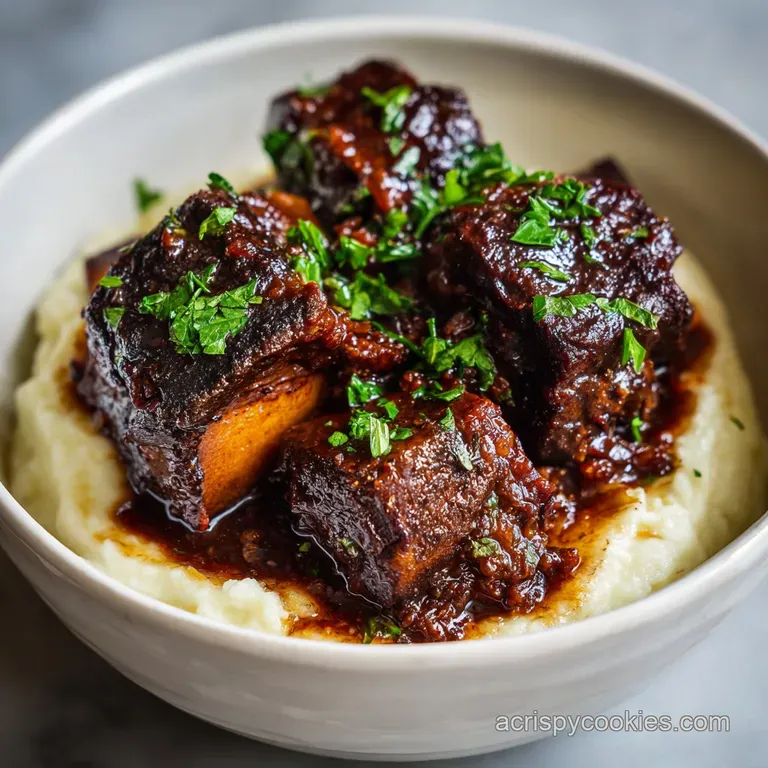
- Season the beef. Liberally coat all sides of the 4.5 lbs short ribs with the kosher salt and black pepper. Note: This helps create the crust during searing.
- Sear the ribs. Heat the avocado oil in a large skillet over medium high heat. Place ribs in the pan and cook until a dark, mahogany crust forms (about 3-4 mins per side).
- Transfer to cooker. Place the seared ribs into the slow cooker insert, bone side down if possible.
- Sauté the vegetables. In the same skillet, add the onion, carrots, and celery. Cook until the onions are translucent and edges are browned.
- Bloom the aromatics. Stir in the smashed garlic and tomato paste. Cook for 2 mins until the paste smells toasted and rich.
- Deglaze the pan. Pour in the red wine, scraping the bottom of the pan to release the brown bits (fond). Simmer until the wine reduces by half.
- Build the liquid. Stir in the bone broth and Worcestershire sauce, then pour the entire mixture over the ribs in the cooker.
- Add the herbs. Nestling the thyme, rosemary, and bay leaves into the liquid.
- Slow cook. Cover and set to LOW for 8 hours. Cook until the meat pulls away from the bone effortlessly.
- Finish the sauce. Remove the ribs and strain the liquid into a saucepan. Simmer for 10 mins until the sauce coats the back of a spoon.
Chef's Tip: If you have time, sear the ribs the night before and keep them in the fridge. This makes the morning setup for the slow cooker take less than 5 minutes.
Around the 6 hour mark, you’ll notice a shift in the aroma. It moves from a sharp, wine heavy scent to a deep, savory, and almost sweet perfume that indicates the fats and sugars are fully harmonizing. If you are looking for a faster weeknight fix, our Chicken Broccoli Rice recipe is a great alternative that provides comfort in a fraction of the time.
Solving Problems for the Perfect Short Rib
Why is my sauce too greasy?
Short ribs are naturally high in fat. As they cook, that fat renders out into the liquid. If you don't remove it, the sauce will feel heavy and oily on the tongue. The easiest way to fix this is to use a fat separator or to chill the liquid so the fat hardens on top, making it easy to lift off.
Why is the meat tough after 8 hours?
This usually happens if the slow cooker didn't reach a high enough temperature or if the ribs were exceptionally large. Despite being "slow," the meat still needs to reach that internal 205°F mark to break down the collagen. If it's still tough, simply give it another hour.
You cannot really "overcook" short ribs in a slow cooker unless you leave them for 12+ hours.
| Problem | Root Cause | Solution |
|---|---|---|
| Dry Meat | Cooked on High heat too long | Always use the Low setting for the full 8 hours to preserve moisture. |
| Bland Sauce | Didn't deglaze the skillet | Ensure you scrape all the "fond" (brown bits) into the wine reduction. |
| Meat falling apart too much | Bone in ribs were over processed | Leave the ribs whole; don't stir them during the final 2 hours of cooking. |
Common Mistakes Checklist
- ✓ Never skip the searing step; you lose 50% of the flavor potential without it.
- ✓ Don't use "cooking wine" from the grocery store aisle; use a drinkable dry red.
- ✓ Ensure the liquid only covers about 2/3 of the meat; we aren't making soup.
- ✓ Let the meat rest for at least 15 minutes before serving to keep it juicy.
- ✓ Trim excess thick layers of hard fat from the exterior of the ribs before searing.
Adjusting for Larger Crowds or Small Dinners
Scaling this recipe is fairly straightforward because the slow cooker is forgiving. If you need to double the recipe for a party, you will likely need two slow cookers. Avoid stacking the ribs more than two layers deep, or the ones on top won't cook evenly in the liquid.
For spices and salt, increase them to about 1.5x the original amount rather than a literal double, as flavors can become overly concentrated in a large batch.
If you are cooking for just two people, you can halve the recipe. However, I actually recommend making the full batch. The leftovers are even better the next day after the flavors have had time to "marry" in the fridge.
You can shred the leftover meat into a ragu for pasta or use it as a filling for the most incredible tacos you've ever had.
| Cooking Method | Time | Texture | Best For |
|---|---|---|---|
| Slow Cooker | 8 hours (Low) | Extremely tender/shreddy | Hands off meal prep |
| Dutch Oven (Oven) | 3 hours (300°F) | Succulent/Structured | Weekend afternoon cooking |
| Stovetop Braise | 3.5 hours (Simmer) | Dense/Rich | When you want to monitor the reduction |
Debunking Common Braising Misconceptions
One of the biggest myths is that searing meat "seals in the juices." Science tells us this isn't true; moisture loss happens regardless of the sear. What searing actually does is trigger the Maillard reaction, creating complex sugars and proteins that provide the deep "beefy" flavor we love.
Without it, your short ribs will taste boiled.
Another misconception is that you need to completely submerge the meat in liquid. In a slow cooker, very little moisture evaporates. The meat will actually release its own juices as it cooks. If you start with too much liquid, you'll end up with a thin, watery broth instead of a concentrated, glossy sauce.
Aim for the liquid to come about halfway to two thirds of the way up the sides of the ribs.
Storing and Reheating Your Leftovers
Short ribs are one of those rare dishes that actually taste better the next day. You can store them in the fridge in an airtight container for up to 4 days. The fat will solidify on top, which is actually a blessing you can scrape it off easily before reheating.
This results in a much cleaner, more refined sauce.
For long term storage, these ribs freeze beautifully for up to 3 months. I recommend freezing the meat and the sauce together in a freezer safe bag to prevent freezer burn. When you're ready to eat, thaw them overnight in the fridge and reheat gently on the stovetop.
Avoid the microwave if possible, as it can cause the meat to become rubbery.
Zero Waste Tip: Don't throw away those braised carrots and onions! Even though they’ve given their all to the sauce, you can blend them into the liquid to create a thicker, heartier gravy without needing extra flour or cornstarch.
Also, save the bones to make a quick "remouillage" (a second stock) for soups later in the week.
The Best Side Dishes to Pair with Braised Beef
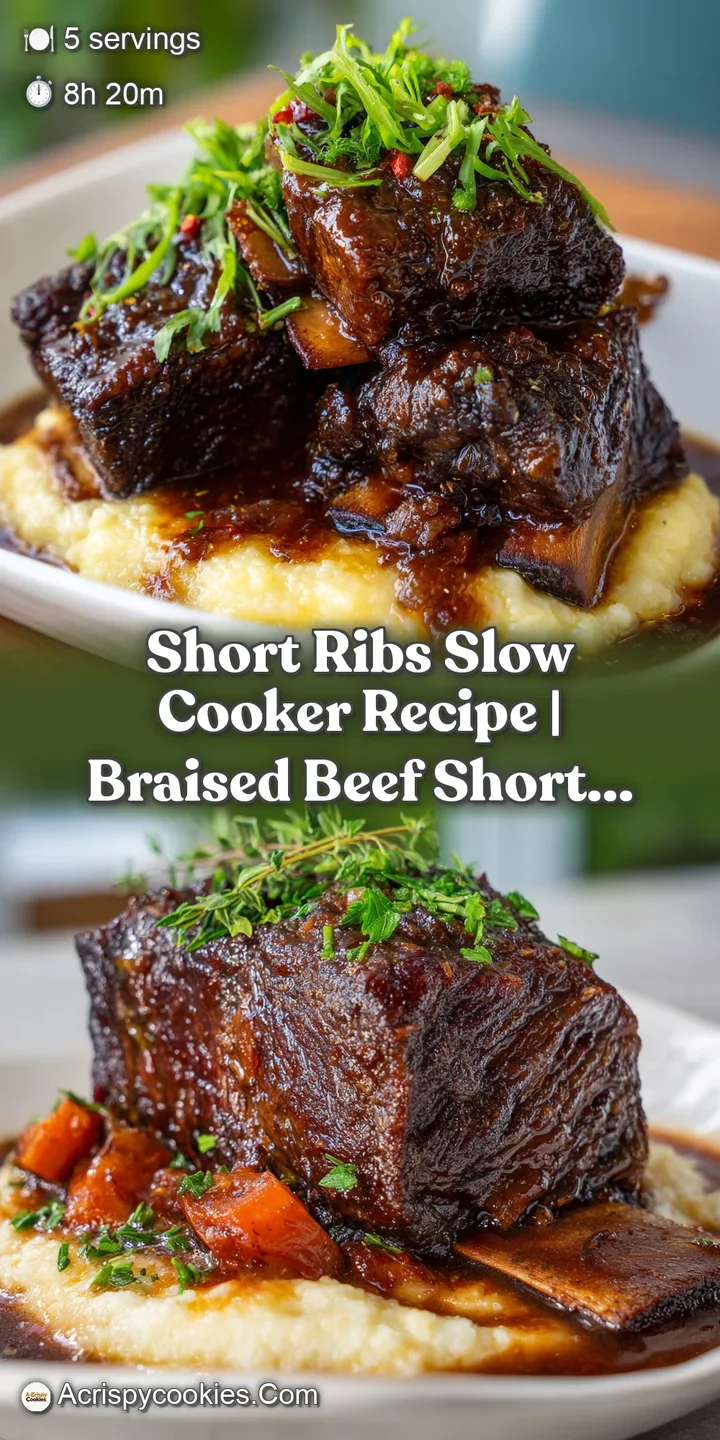
The richness of these ribs demands a side dish that can either soak up the sauce or cut through the fat. A creamy polenta or garlic mashed potatoes are the classic choices. The starch acts as a canvas for that wine reduction.
If you're looking for something lighter, a simple arugula salad with a lemon vinaigrette provides a sharp acidity that cleanses the palate between bites of the decadent beef.
- If you want a classic pairing, do mashed potatoes.
- If you want something lower carb, do cauliflower puree.
- If you want a variation on your usual beef dinner, try our Crock Pot Short recipe which uses a slightly different spice profile.
I personally love serving these with a piece of crusty sourdough bread. There is nothing quite like using a piece of warm bread to swipe up the last drops of that mahogany sauce from the bottom of the bowl. It’s the ultimate "flavor detective" reward for a job well done.
Very High in Sodium
1380 mg mg of sodium per serving (60% of daily value)
The American Heart Association recommends limiting sodium intake to about 2,300mg per day for most adults.
Sodium Reduction Tips for Short Ribs
-
Low-Sodium Broth-30%
Replace the regular beef bone broth with low-sodium or no-salt added beef broth. This is a significant source of sodium in the recipe.
-
Reduce Salt-25%
Cut the kosher salt in half. Consider using only 1/2 tablespoon of kosher salt initially, and adjust to taste at the end. Remember you can always add more, but you can’t take it away.
-
Low Sodium Tomato Paste-20%
Use low-sodium tomato paste or tomato puree. If low-sodium options aren't available, consider reducing the amount used by half and supplementing with a touch of balsamic vinegar for depth of flavor.
-
Worcestershire Alternative-20%
Worcestershire sauce is a significant source of sodium. Use a low-sodium alternative or reduce the amount by half and add a splash of red wine vinegar for a similar tang.
-
Herbs & Spices
Enhance the flavor with a variety of fresh or dried herbs and spices like garlic powder, onion powder, smoked paprika (check for sodium), and additional fresh thyme and rosemary. These add flavor without adding sodium.
Recipe FAQs
Can you cook short ribs in a slow cooker?
Yes, absolutely. The slow cooker is ideal because the low, moist heat effectively breaks down the tough collagen in the ribs over several hours.
Do you have to sear short ribs before slow cooking?
Yes, searing is highly recommended for best results. Searing triggers the Maillard reaction, creating deep flavor compounds that boiling in liquid alone cannot achieve.
How long to cook slow cooked short ribs?
Cook on LOW for 8 hours. This duration is crucial for the connective tissue to melt into gelatin, resulting in meat that is fork tender.
How long do you cook ribs in a slow cooker?
Set your slow cooker to LOW for a full 8 hours. If they are very thick bone-in ribs, check them at 7 hours, but avoid pulling them out early.
Is it true you should not fully submerge the short ribs in liquid?
Yes, this is true for a good braise. Only fill the liquid about two-thirds up the side of the meat; too much liquid results in thin, watery sauce rather than a concentrated glaze.
What is the ideal internal temperature for finished slow cooked short ribs?
Aim for an internal temperature between 200°F and 205°F. At this point, the tough collagen has completely converted into rich, velvety gelatin, making the meat fall apart tender.
What happens if my short ribs are still tough after 8 hours?
Continue cooking them on LOW for another 60 to 90 minutes. Toughness means the collagen hasn't fully converted; they need more time at a low temperature, not higher heat.
Short Ribs Slow Cooker Recipe
Ingredients:
Instructions:
Nutrition Facts:
| Calories | 748 kcal |
|---|---|
| Protein | 34 g |
| Fat | 55 g |
| Carbs | 9 g |
| Fiber | 2 g |
| Sugar | 4 g |
| Sodium | 1380 mg |
