Hawaiian Bread Recipe: Soft and Buttery
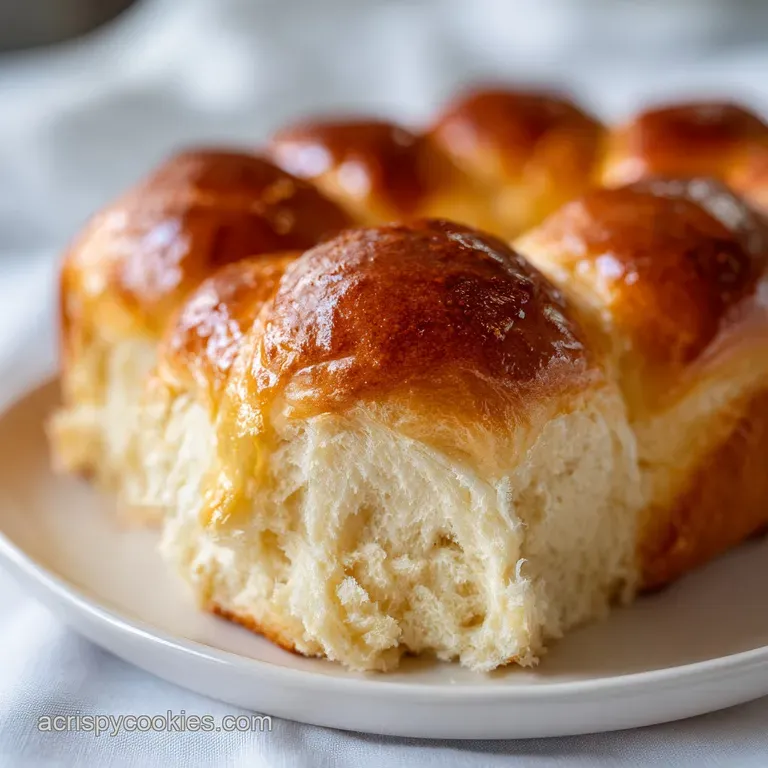
- Time: Active 45 mins, Passive 2 hours 30 mins, Total 3 hours 15 mins
- Flavor/Texture Hook: Airy, buttery, and subtly tangy
- Perfect for: Pulled pork sliders, holiday dinners, or gourmet sandwiches
- Mastering the Fluffy Hawaiian Bread Recipe
- Science of the Signature Sweet Crumb
- Component Analysis for Perfect Dough
- Selecting the Best Tropical Components
- Essential Tools for Successful Kneading
- Steps to Fluffy Bread Perfection
- Preventing Common Dough Failure Points
- Customizing Your Tropical Sweet Rolls
- Adjusting for Large Dinner Crowds
- Debunking Enriched Dough Myths
- Storing and Reusing Your Leftovers
- Serving Your Golden Pull Apart Rolls
- Recipe FAQs
- 📝 Recipe Card
Mastering the Fluffy Hawaiian Bread Recipe
The air in my kitchen currently smells like a tropical bakery, and honestly, I’m not mad about it. There’s a specific, heady aroma that happens when pineapple juice hits active yeast it’s sweet, slightly sharp, and promises a crumb so velvety you’ll want to use it as a pillow.
I remember the first time I tried making these; I used cold juice straight from a can in the fridge, and my dough sat there like a lead weight for three hours. I almost gave up on the idea of homemade rolls entirely, thinking I should just stick to the store-bought bags.
But once I figured out the temperature triggers and how to handle a sticky, enriched dough, everything changed. We’ve all been there, staring at a bowl of shaggy flour wondering if it’ll ever actually rise. This version is the result of those failed "bricks" and several sticky countertop disasters.
It’s sturdy enough to hold a pile of kalua pork but soft enough to shatter slightly when you pull a warm roll apart. Let’s get into the mechanics of why this works so you can skip the trial and error I went through.
Science of the Signature Sweet Crumb
Enzyme Acid Reaction: The bromelain in pineapple juice can break down gluten proteins, but using canned juice (which is heat treated) neutralizes this effect while providing the necessary acidity to strengthen the yeast.
Osmotic Pressure Management: High sugar content draws moisture away from yeast cells, so we use a specific hydration ratio and a dedicated "bloom" phase to ensure the yeast stays active despite the heavy sugar load.
Speed vs Texture Comparison
| Method | Total Time | Crumb Density | Best For |
|---|---|---|---|
| Fast (Bread Machine) | 1 hours 45 mins | Tight and uniform | Quick weeknight sliders |
| Classic (Manual/Stand Mixer) | 3 hours 15 mins | Open, airy, and irregular | Authentic dinner rolls |
| Overnight Cold Proof | 12 hours + | Deep, complex tang | Maximum flavor development |
If you have the time, the manual method is always my preference. The way the gluten strands align during the secondary rise creates those long, feathery pulls that define a true Hawaiian roll. If you’re looking for a sturdier structure for bigger sandwiches, you might actually prefer the texture of our Hoagie Bun Recipe, but for that iconic sweetness, stay right here.
Component Analysis for Perfect Dough
| Ingredient | Science Role | Pro Secret |
|---|---|---|
| Bread Flour | Provides high protein for structural integrity | Never swap for cake flour; the rolls will collapse |
| Pineapple Juice | Adds natural sugars and subtle acidity | Use canned only to avoid raw enzymes killing the gluten |
| Unsalted Butter | Coats flour particles to shorten gluten strands | Melt and cool to room temp to avoid killing the yeast |
Selecting the Best Tropical Components
To get that authentic aloha flavor, we aren't just throwing sugar at the dough. We need a balance of fats and sugars to keep the crumb moist for days.
- 2.25 tsp active dry yeast: This is exactly one standard packet. Why this? Provides the reliable lift needed for heavy, enriched doughs.
- 0.25 cup (60 ml) warm water: Keep it at 105°F (40°C).
- 1 tsp granulated sugar: Just for the initial bloom.
- 0.75 cup (180 ml) canned pineapple juice: Ensure it is room temperature. Why this? The acidity creates a tender crumb and distinct tropical profile.
- 0.5 cup (115g) unsalted butter: Melted and cooled.
- 0.5 cup (100g) brown sugar: Packed tightly. Why this? Molasses adds moisture and a deeper caramel note than white sugar.
- 2 large eggs: Must be room temperature.
- 1 tsp vanilla extract: high-quality extract makes a massive difference.
- 4.5 cups (560g) bread flour: Spooned and leveled.
- 1 tsp fine sea salt: To balance the sweetness.
- 1 tbsp unsalted butter: Extra for the post bake glaze.
- 1 tsp honey: Mix with the glaze butter for a sticky finish.
Essential Tools for Successful Kneading
You don't need a professional bakery setup, but a few specific tools will make your life significantly easier. I highly recommend using a stand mixer with a dough hook if you have one, such as a KitchenAid.
This dough is "enriched," meaning it has a lot of fat and sugar, which makes it naturally stickier than a standard loaf.
If you are working by hand, a flexible bench scraper is your best friend. It allows you to fold the dough over itself without adding excessive amounts of extra flour. Adding too much flour is the number one reason homemade bread ends up dry and crumbly. Also, grab a digital thermometer.
Knowing your water is exactly 105°F (40°C) takes the guesswork out of whether your yeast will survive or "sleep" through the process.
Steps to Fluffy Bread Perfection
- Activate the yeast. Combine 2.25 tsp yeast, 105°F (40°C) water, and 1 tsp sugar in your mixer bowl. Note: Wait 5-10 mins until it looks like bubbly, beige foam.
- Whisk the liquids. Add 0.75 cup pineapple juice, 0.5 cup melted butter, 0.5 cup brown sugar, 2 eggs, and 1 tsp vanilla to the yeast. Stir until the sugar mostly dissolves.
- Incorporate the flour. Add 4.5 cups bread flour and 1 tsp sea salt. Use the paddle attachment until a shaggy, wet mass forms.
- Knead for structure. Switch to the dough hook. Knead on medium low for 7-9 mins until the dough cleans the sides of the bowl. It should still be slightly tacky to the touch.
- Start the first rise. Place the dough in a greased bowl, cover with a damp cloth, and let sit in a warm spot (75°F/24°C). Wait 1 hours 30 mins until doubled in size.
- Shape the rolls. Punch the air out and divide into 15 equal pieces (about 70g each). Roll into tight balls until the skin on top feels taut.
- Conduct the second proof. Arrange in a greased 9x13 inch (23x33 cm) pan. Cover and let rise again until the rolls are touching and puffy (about 45-60 mins).
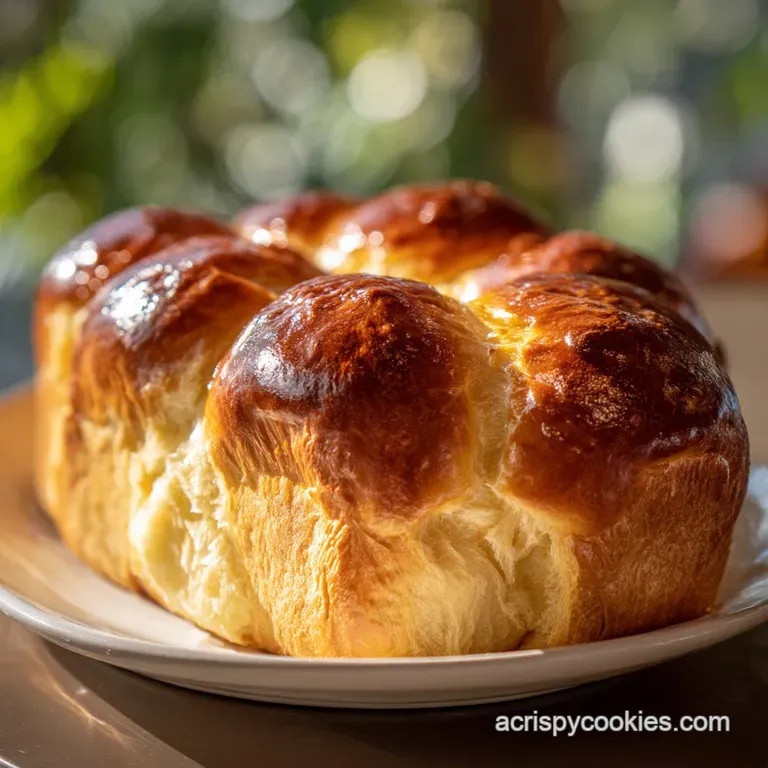
- Bake the bread. Heat oven to 350°F (180°C). Bake for 20 mins until the tops are deep mahogany golden.
- Glaze and cool. Mix 1 tbsp melted butter and 1 tsp honey. Brush over the hot rolls until they glisten brilliantly. Let them rest in the pan for 10 mins before moving to a wire rack.
Preventing Common Dough Failure Points
Handling enriched dough is a bit like managing a toddler it needs the right environment and a lot of patience. If your kitchen is cold, your rise times will easily double. Don't rush it.
Why Your Rolls Might Struggle
The most common issue I see is the "dead rise." This usually happens because of temperature shocks. If you add melted butter that's too hot, you'll kill the yeast instantly. If your eggs are cold, they’ll chill the dough and put the yeast into a dormant state.
| Problem | Root Cause | Solution |
|---|---|---|
| Dough won't rise | Yeast was old or water was too hot | Check expiration; keep water under 110°F (43°C) |
| Sticky, unmanageable mess | Under kneaded or too much liquid | Knead longer to develop gluten before adding flour |
| Rolls are dry/crumbly | Too much flour added during kneading | Weigh flour (560g) instead of using measuring cups |
Common Mistakes Checklist
- ✓ Never use raw pineapple juice; the enzymes will turn your dough into a puddle.
- ✓ Ensure eggs are room temperature by soaking them in warm water for 5 minutes.
- ✓ Don't skip the second rise this is where the internal air pockets are created.
- ✓ Use bread flour instead of all purpose for a better "shred" and lift.
- ✓ Let the rolls cool slightly before pulling them apart to prevent "gumminess."
Customizing Your Tropical Sweet Rolls
If you want to deviate from the classic, you have options. For a denser, more rustic feel, you could look into a Fry Bread Recipe, but if you want to stay within the Hawaiian theme, try these swaps.
Ingredient Adjustments
| Original Ingredient | Substitute | Why It Works |
|---|---|---|
| Brown Sugar | Coconut Sugar | Adds a toasted, nutty flavor with less moisture |
| Pineapple Juice | Guava Nectar | Changes the fruit profile while maintaining acidity |
| Bread Flour | 50% Whole Wheat | Increases fiber. Note: Result will be much denser |
Decision Shortcut
- If you want a slider base: Shape into 20 smaller rolls and bake for 15-18 mins.
- If you want a dessert bread: Add 0.5 tsp ground cardamom to the dry ingredients.
- If you want a glossy, dark crust: Brush with an egg wash before baking, then the honey butter after.
Adjusting for Large Dinner Crowds
Scaling this Hawaiian bread recipe is fairly straightforward because the ratios are forgiving. However, when doubling the batch (30 rolls), don't simply double the yeast. Use 4 tsp of yeast instead of 4.5 tsp (2 packets) to avoid a "yeasty" aftertaste during the longer shaping process.
If you are scaling down to 7-8 rolls, beat one egg in a small bowl and use exactly half by weight. Reducing liquids is also tricky; for a half batch, reduce the pineapple juice by about 10% more than the math suggests to maintain the right dough consistency.
Always use two separate pans rather than crowding one large pan when doubling, as the center rolls will struggle to bake through before the edges burn.
Debunking Enriched Dough Myths
"You must knead until the dough is no longer sticky." This is a recipe for a dry roll! Enriched doughs should remain slightly tacky. If you add flour until it’s as dry as pizza dough, you’ll lose that velvety signature texture.
The stickiness is actually a sign of high hydration which leads to a better steam rise in the oven.
Another myth is that "more sugar means a faster rise." Actually, too much sugar inhibits yeast by drawing water out of the yeast cells (osmosis). That’s why we bloom the yeast with just a pinch of sugar first, giving it a "head start" before introducing the heavy brown sugar and pineapple juice.
Storing and Reusing Your Leftovers
Storage: These rolls stay surprisingly fresh for 3 days in an airtight container at room temperature thanks to the fat content. Do not refrigerate them; the starch retrogradation happens fastest at fridge temperatures, making them go stale overnight.
For long term storage, wrap them individually in plastic wrap and freeze for up to 2 months.
Zero Waste: If you somehow have leftover rolls that have gone a bit firm, they make the world's best French toast. Because the crumb is so tight and sweet, it soaks up custard without falling apart.
You can also dice them up, toss with a little melted butter, and bake at 300°F (150°C) for the most incredible sweet croutons for a fruit salad.
Serving Your Golden Pull Apart Rolls
For the best experience, serve these within an hour of baking. If you’re making them ahead of time, a quick 5 minute stint in a 300°F (150°C) oven wrapped in foil will revive that "just baked" softness.
I love setting the whole pan in the middle of the table. There’s something communal about everyone reaching in to pull their own roll away from the pack. If you really want to lean into the theme, serve them with a side of whipped honey salted butter.
The salt cuts through the pineapple sweetness and creates a flavor profile that is absolutely addictive. Trust me, you won't have any left to worry about storage anyway!
Recipe FAQs
How is Hawaiian bread different from regular bread?
Yes, it is significantly different due to enrichment. Hawaiian bread uses substantial amounts of sugar, butter, and pineapple juice, resulting in a sweeter flavor and an extremely soft, moist, and slightly yellow crumb.
Who is the billionaire family behind King's Hawaiian?
The Abe family founded the original company. Robert R. Miller acquired King's Hawaiian in 1977, and the company remains privately owned, currently operating under Miller family leadership.
What does Hawaiian bread have in it that makes it sweet?
It primarily contains brown sugar and pineapple juice. The brown sugar adds molasses notes for moisture retention, while the pineapple juice provides the essential mild acidity and tropical flavor profile.
Why does Hawaiian bread taste different from standard white bread?
The difference lies in the flavor balancing between fat and acid. The inclusion of fruit juice provides an acidic note that cuts the richness of the high butter content, creating a complex, signature tanginess.
Can I substitute all-purpose flour for bread flour in this recipe?
No, stick to bread flour for the best structure. Bread flour has higher protein content needed to support the heavy sugars and fats in this enriched dough, preventing collapse.
How do I prevent the yeast from dying when using pineapple juice?
Ensure the juice is room temperature and canned, not fresh. Fresh juice contains bromelain, an enzyme that breaks down gluten, but canned juice is heat treated, neutralizing the enzymes before you bloom your yeast.
What is the best way to achieve that glossy, sticky top coating?
Brush the rolls immediately after baking with a melted butter and honey glaze. The heat of the rolls absorbs the mixture instantly, creating that characteristic sticky, shimmering finish.
Soft Hawaiian Bread Recipe
Ingredients:
Instructions:
Nutrition Facts:
| Calories | 241 kcal |
|---|---|
| Protein | 5.6 g |
| Fat | 8.1 g |
| Carbs | 37.2 g |
| Fiber | 1.1 g |
| Sugar | 10.4 g |
| Sodium | 162 mg |
