Sunday Roast Recipe: Silky Gravy
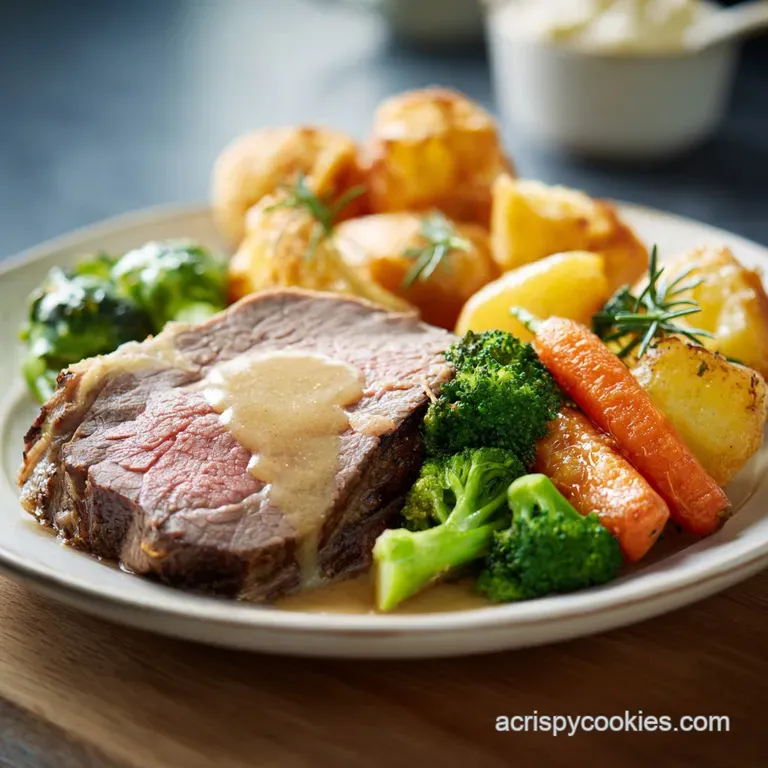
- Time: Active 25 minutes, Passive 1 hours 15 mins, Total 1 hours 40 mins
- Flavor/Texture Hook: Shatter crisp potatoes with silky honey glazed roots
- Perfect for: Traditional family gatherings and meal prep masters
- Mastering the Traditional Sunday Roast Recipe
- The Science of Flavor Layers
- Essential Sunday Roast Recipe Specs
- The Anatomy of Flavor Elements
- Choosing the Right Kitchen Tools
- Step-by-Step From Prep to Plate
- Fixing Common Roasting Pitfalls
- Making the Flavor Your Own
- Storage Secrets and Zero Waste
- Serving the Perfect Sunday Feast
- Very High in Sodium
- Recipe FAQs
- 📝 Recipe Card
Mastering the Traditional Sunday Roast Recipe
The sizzle of beef dripping hitting a hot tray is the soundtrack of my childhood. I remember standing in the kitchen, watching my grandmother "scuff" the potatoes in a giant pot until they looked almost like mashed potato on the outside. At the time, I thought she was just being rough, but that was her secret.
Those ragged edges are exactly what transform into a glass like crust once they hit the fat. It's that specific texture contrast the soft, fluffy interior against a shell that actually snaps that makes or breaks this dish.
When I first started cooking this sunday roast recipe on my own, I made the mistake of crowding the pan. I ended up with steamed, sad potatoes and a chicken that looked pale. I’ve spent years investigative testing the exact timing to ensure the bird rests long enough to stay juicy while the vegetables finish their transformation.
We aren't just putting food in an oven; we are managing a series of heat exchanges to get that restaurant quality finish.
This is the ultimate comfort meal, but it requires a bit of strategy. We’re going to build flavor in stages, starting with an aromatic butter for the bird and ending with a wine reduced jus. If you've ever struggled with dry breast meat or soggy spuds, you're in the right place.
We are going to break down the physics of the crunch and the chemistry of the gravy so you can nail it every single time.
The Science of Flavor Layers
Understanding how heat interacts with different surfaces is how we move from a "good" meal to a "legendary" one. Every step in this sunday roast recipe serves a specific chemical purpose.
- Maillard Reaction: The butter and honey contain sugars and proteins that, when hit with 200°C heat, create hundreds of new flavor compounds and a deep brown color.
- Starch Retrogradation: Parboiling the potatoes gelatinizes the outer starch layer, which then dehydrates in the hot fat to create a rigid, crispy lattice.
- Enzymatic Browning: The honey on the carrots reacts with the natural vegetable sugars to create a complex, caramel like sweetness that balances the salty chicken skin.
- Protein Denaturation: Smashing the garlic cloves releases alliinase, which creates that pungent aroma that mellows into a savory base during the long roast.
| Thickness (Bird/Veg) | Internal Temp | Rest Time | Visual Cue |
|---|---|---|---|
| 1.8kg Chicken | 165°F (74°C) | 20 minutes | Juices run clear when pierced |
| 2 inch Potato Chunks | N/A | 5 minutes | Golden brown and rigid edges |
| Halved Carrots | N/A | None | Fork tender with charred tips |
If you are looking for a different profile, perhaps something with a bit more heat, you might enjoy my Mexican Chicken Thighs recipe for a weeknight alternative. But for a classic weekend, nothing beats the traditional method we’re covering here. The layering of fats butter for the bird and beef dripping for the potatoes is non negotiable for that deep, savory profile.
Essential Sunday Roast Recipe Specs
This recipe is designed to serve 5 people generously. The timing is calibrated for a standard fan assisted oven, but I always recommend using a meat thermometer to be 100% sure. We are aiming for a total cook time of 1 hours 15 mins, but remember that the chicken comes out before the potatoes are finished to allow for proper resting.
| Component | Science Role | Pro Secret |
|---|---|---|
| 100g Beef Dripping | High smoke point fat | Heat the tray until the fat smokes before adding potatoes. |
| 1 tsp Semolina | Surface area expander | The tiny grains create extra "nooks" for the fat to crisp up. |
| 100ml White Wine | Deglazing agent | The acidity cuts through the heavy fats in the pan jus. |
| Fresh Rosemary | Fat soluble aromatics | Tucking these under the skin infuses the meat directly. |
The chicken provides the foundation, but the potatoes are the star of the show. By using King Edward or Maris Piper varieties, we take advantage of their high starch content. When you parboil them for 8 minutes, the outside becomes a slurry of starch.
Adding that teaspoon of semolina acts like a sandpaper finish, creating a massive amount of surface area that fries in the beef dripping. It's a texture you simply cannot get with waxy salad potatoes.
The Anatomy of Flavor Elements
To execute this sunday roast recipe perfectly, you need ingredients that can stand up to high heat and long cooking times. Don't settle for "cooking" wine; use something you'd actually drink.
- 1.8kg whole chicken: Look for air chilled birds for the best skin texture.
- 50g unsalted butter: Softened so it can be easily rubbed under the skin.
- 2 tbsp extra virgin olive oil: Helps the salt and pepper adhere to the skin.
- 4 cloves garlic: Smashed to release oils without burning as quickly as minced garlic.
- 1 bunch fresh thyme and rosemary: Woody herbs hold their flavor better than soft herbs like parsley.
- 1 whole lemon: Halved and placed in the cavity to provide aromatic steam.
- 1.5kg King Edward potatoes: These are the gold standard for roasting. Why this? High starch content creates the fluffiest centers.
- 100g beef dripping: Provides a much deeper flavor than vegetable oil. Why this? Higher smoke point allows for extreme crisping.
- 1 tsp semolina: The secret weapon for crunch.
- 500g carrots and parsnips: Peeled and halved for uniform roasting.
- 2 tbsp clear honey: For the glaze. Why this? Sugar facilitates the Maillard reaction on root veg.
- 1 tbsp plain flour: The thickening base for your gravy.
- 500ml chicken stock: Use high-quality liquid stock, not just a cube.
- 100ml dry white wine: To deglaze the pan and lift the fond.
| Original Ingredient | Substitute | Why It Works |
|---|---|---|
| Beef Dripping | Goose Fat or Lard | Similar high smoke point and saturated fat structure. |
| Semolina | Polenta or Flour | Provides extra surface area, though polenta is grittier. |
| White Wine | Verjus or Apple Cider | Provides the necessary acidity to balance the fat. |
Choosing the Right Kitchen Tools
You don't need a thousand gadgets, but a heavy bottomed roasting tin is essential. Thin tins warp under high heat, which leads to uneven fat distribution and sad, half burnt potatoes.
I prefer a stainless steel or cast iron roasting pan because it builds up a better "fond" (those brown bits at the bottom) which is the soul of your gravy.
A sharp carving knife is also a must. If you tear the meat with a dull blade, all those juices we worked so hard to keep inside will just run out onto the board. I also swear by a large colander for the potatoes.
The "scuffing" process requires a sturdy vessel where you can really shake the spuds around until the edges are frayed and fuzzy.
step-by-step From Prep to Plate
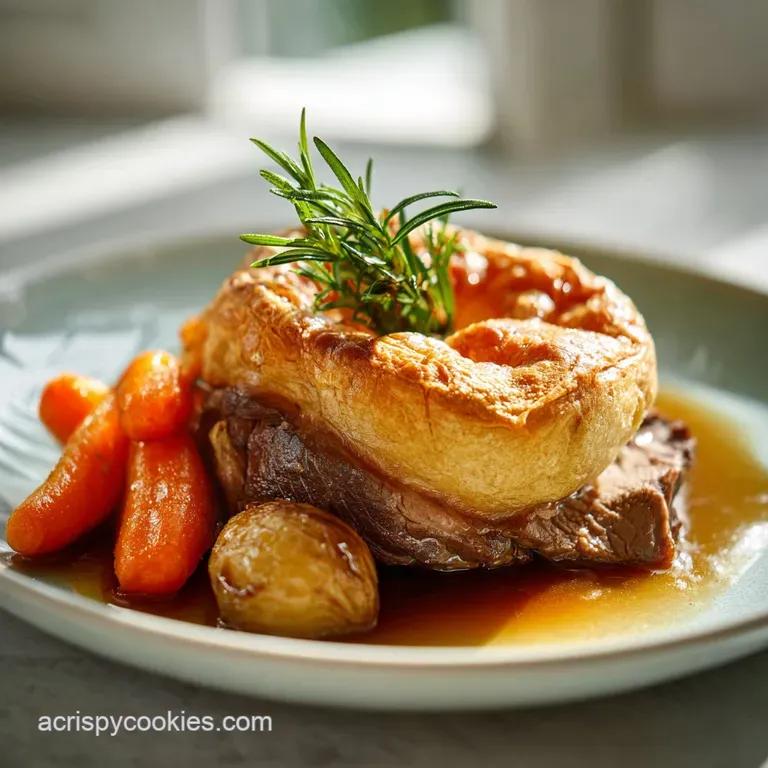
- Preheat your oven to 200°C (400°F). Note: A hot oven is vital for starting the skin's dehydration.
- Pat the 1.8kg chicken dry with paper towels. Dry skin is the only path to crispy skin.
- Stuff the lemon halves and half the herbs into the cavity. Note: This perfumes the meat from the inside out.
- Rub the 50g butter under the breast skin and over the legs, then season heavily with sea salt and pepper.
- Place the chicken in a large roasting tin and roast for 1 hours 15 mins.
- While the chicken cooks, parboil the 1.5kg potatoes in salted water for 8 minutes. They should be tender on the outside but firm in the middle.
- Drain the potatoes and shake them vigorously in the colander with 1 tsp semolina until the edges are "scuffed" and fuzzy.
- Add the 100g beef dripping to a separate tray and heat in the oven for 10 minutes until it is shimmering and slightly smoking.
- Carefully drop the potatoes into the hot fat and roast for 50 minutes, turning once.
- Toss the carrots and parsnips with honey and oil, roasting them alongside the potatoes for the final 30 minutes.
- Remove the chicken when the internal temp hits 165°F and let it rest on a board for 20 minutes.
- Make the gravy by whisking 1 tbsp flour into the chicken roasting juices, adding 100ml wine, then 500ml stock, simmering until velvety and thick.
Fixing Common Roasting Pitfalls
Why Your Potatoes Are SOGGY
This usually happens because the fat wasn't hot enough when the potatoes were added, or the pan was overcrowded. When potatoes sit in warm oil, they absorb it rather than frying in it. Also, if you don't parboil them long enough, the starch doesn't "fuzzy up" enough to create a crust.
Why Your Chicken Is DRY
The most common culprit is skipping the resting phase. If you cut into a chicken the second it comes out of the oven, the muscle fibers are still tight and will push all the moisture out. Resting allows those fibers to relax and reabsorb the juices.
| Problem | Root Cause | Solution |
|---|---|---|
| Bitter Gravy | Burnt flour or garlic | Keep heat medium low when whisking the flour into the fat. |
| Pale Chicken Skin | Too much moisture | Leave the bird uncovered in the fridge for 2 hours before cooking. |
| Tough Root Veg | Pieces too large | Cut parsnips and carrots into uniform 1/2 inch thick batons. |
Common Mistakes Checklist
- ✓ Never cover the chicken with foil while roasting (it steams the skin).
- ✓ Always preheat the roasting tray with fat for at least 10 minutes.
- ✓ Don't skimp on the salt; it's essential for breaking down the potato surface.
- ✓ Let the wine reduce by half before adding the stock to the gravy.
- ✓ Use a meat thermometer instead of "guessing" based on color.
Making the Flavor Your Own
While this is a classic sunday roast recipe, you can easily pivot based on what's in your pantry. If you want a more "Italian" feel, swap the rosemary for oregano and use a splash of balsamic vinegar in the gravy instead of wine. This pairs beautifully with a Cheddar Bay Biscuit recipe if you want to skip the traditional Yorkshire puddings for something a bit more buttery.
If you are cooking for a larger crowd, you can scale the potatoes up to 3kg, but you must use two separate trays. Overcrowding is the enemy of the crunch. For a pork version, use a shoulder joint with the skin scored deeply and rubbed with plenty of salt to get that perfect crackling.
The timing for pork is longer (usually 35 minutes per 500g), so plan your potato parboiling accordingly.
Storage Secrets and Zero Waste
Leftover roast chicken is a gift. It stays fresh in the fridge for up to 3 days when stored in an airtight container. If you have leftover potatoes, don't microwave them they will turn into rubber. Instead, fry them in a pan with a little butter the next morning for the best breakfast hash you've ever had.
For zero waste, never throw away the chicken carcass. Throw it into a pot with your veggie scraps (onion skins, carrot tops, celery ends) and cover with water. Simmer for 4 hours to create a "liquid gold" stock that beats anything you can buy in a store. You can freeze this stock for up to 6 months.
Even the leftover gravy can be frozen in ice cube trays to add a boost of umami to future stews or sauces.
Serving the Perfect Sunday Feast
Presentation is part of the experience. I like to serve the chicken on a large wooden board surrounded by the "glass crisp" potatoes and the honey glazed roots. Pour the gravy into a warmed boat so it stays silky as it hits the plate.
This dish is rich, so a simple side of steamed greens or a crisp salad provides a necessary break from the heavy fats.
If you’re looking for a sandwich idea the next day, this chicken is incredible in an Italian Beef Sandwich recipe style build, using the leftover gravy as a "dip" or jus. There’s something deeply satisfying about a meal that feeds you for two days. This sunday roast recipe isn't just a dinner; it's a weekend ritual that honors the ingredients and the time spent in the kitchen. Just remember: trust the rest, scuff those spuds, and don't be afraid of the salt. Enjoy!
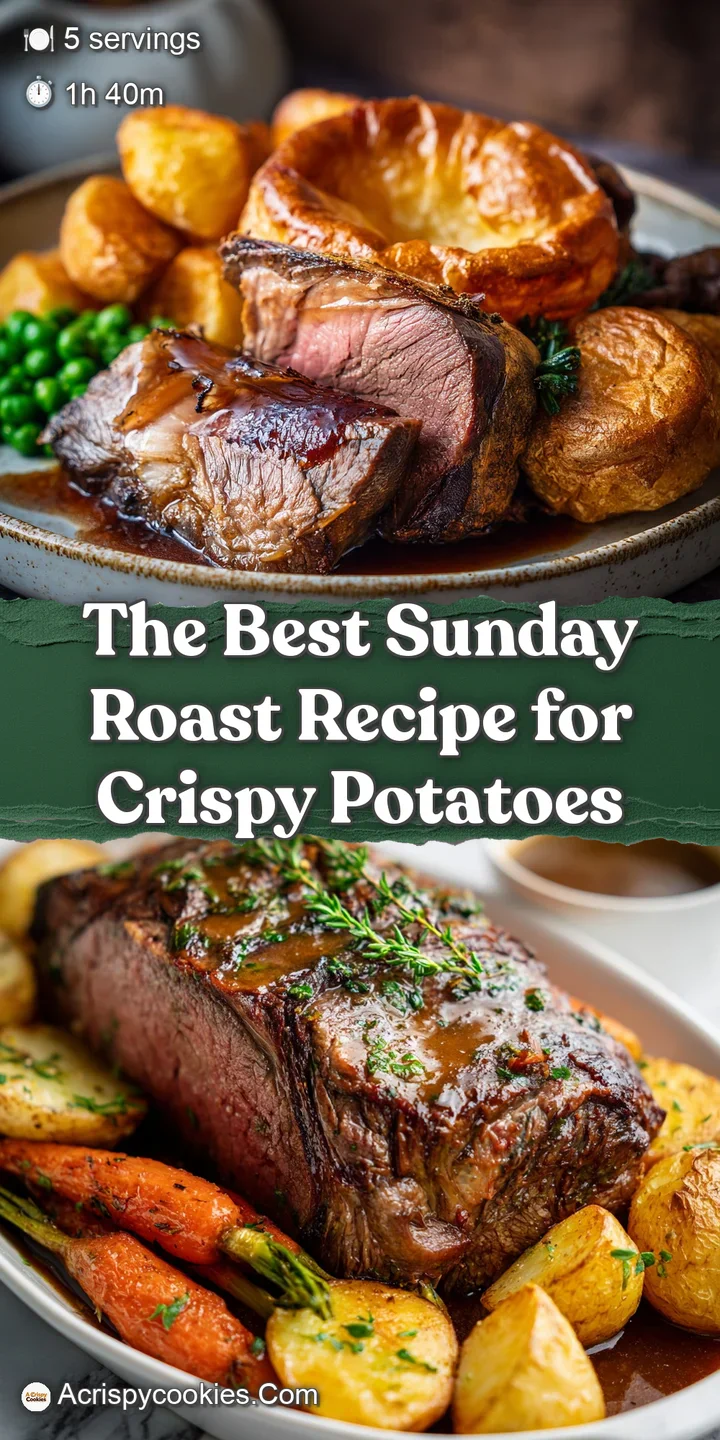
Very High in Sodium
1240 mg mg of sodium per serving (54% % of daily value)
The American Heart Association recommends limiting sodium intake to about 2,300mg per day.
Tips to Reduce Sodium in Your Roast Chicken Recipe
-
Low-Sodium Broth-30%
Replace the high-quality chicken stock with a low-sodium or no-salt added chicken broth. This swap can significantly decrease the sodium content of the gravy.
-
Reduce Sea Salt-25%
Cut back on the sea salt flakes. Start by using only 1/2 tbsp or even less, and adjust to taste after cooking. Remember, you can always add more salt, but you can't take it away!
-
Unsalted Dripping-20%
Use unsalted beef dripping or replace it with more olive oil. This eliminates a significant source of added sodium.
-
Sodium Free Wine-5%
Although the sodium content in 100ml of dry white wine is relatively low, consider a low-sodium alternative or even skipping it entirely. The other flavors will still create a delicious dish.
-
Herbs & Spices
Enhance the flavor with plenty of fresh herbs like thyme and rosemary, as well as cracked black pepper, garlic, and lemon. These add flavor without any sodium.
Recipe FAQs
What is in a traditional Sunday roast?
Roasted meat, potatoes, root vegetables, and gravy. A traditional roast centers around beef, chicken, or lamb, accompanied by Yorkshire puddings, roast potatoes, carrots, parsnips, and a rich pan gravy.
What is the best cut of meat to use for a Sunday beef roast?
Ribeye or Sirloin are top choices for flavor and tenderness. These cuts have excellent marbling, which melts during roasting to keep the meat juicy and flavorful.
What is the main dish in a traditional Sunday roast?
The main dish is always the roasted joint of meat. Classically, this is beef, but chicken, pork, or lamb are equally acceptable variations today.
What to season beef with for Sunday roast?
Generous amounts of coarse salt, cracked black pepper, and crushed garlic. For deeper flavor, rub the exterior with olive oil and fresh rosemary or thyme before resting it at room temperature.
How do I ensure my roast potatoes get incredibly crispy?
Parboil, drain, and vigorously shake the potatoes before roasting in smoking hot fat. Parboiling creates a starchy slurry on the outside, and shaking "scuffs" this layer, maximizing the surface area that fries when it hits the hot dripping. If you mastered this texture control here, see how the same principle applies to achieving crispy edges on our Ground Chicken Meatballs recipe.
Can I use vegetable oil instead of beef dripping for the potatoes?
No, beef dripping yields superior flavor and texture. Dripping has a higher smoke point and saturated fat content, which is crucial for achieving that shatteringly crisp exterior without burning.
How long should the roast rest before carving?
Rest the meat for a minimum of 15 to 20 minutes, loosely tented with foil. This resting period allows the pressurized internal muscle fibers to relax, reabsorbing the juices, ensuring the meat remains moist when sliced.
Ultimate Sunday Roast Recipe
Ingredients:
Instructions:
Nutrition Facts:
| Calories | 1035 kcal |
|---|---|
| Protein | 65.1 g |
| Fat | 54.6 g |
| Carbs | 69.4 g |
| Fiber | 7.2 g |
| Sugar | 11.2 g |
| Sodium | 1240 mg |
