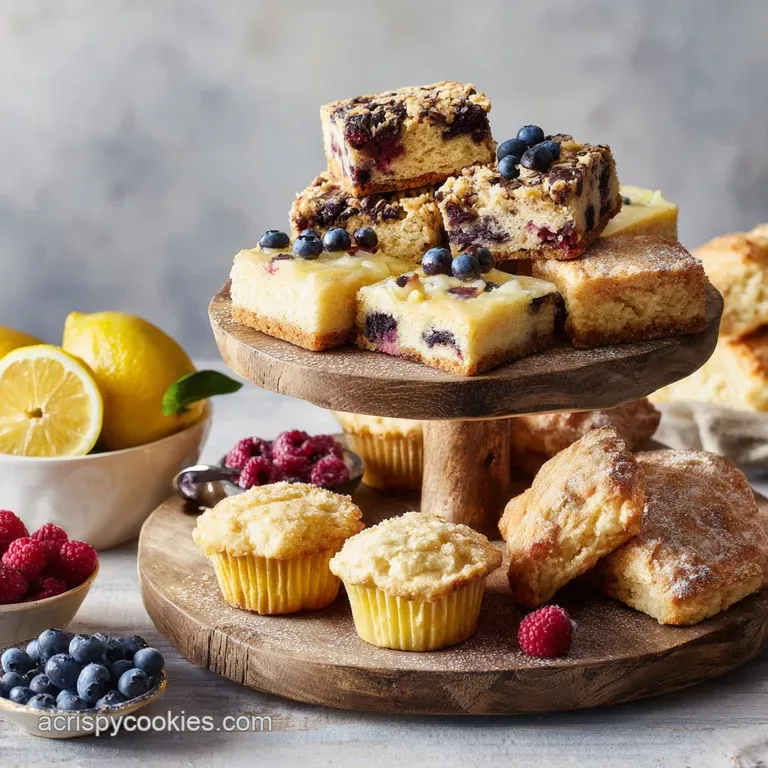
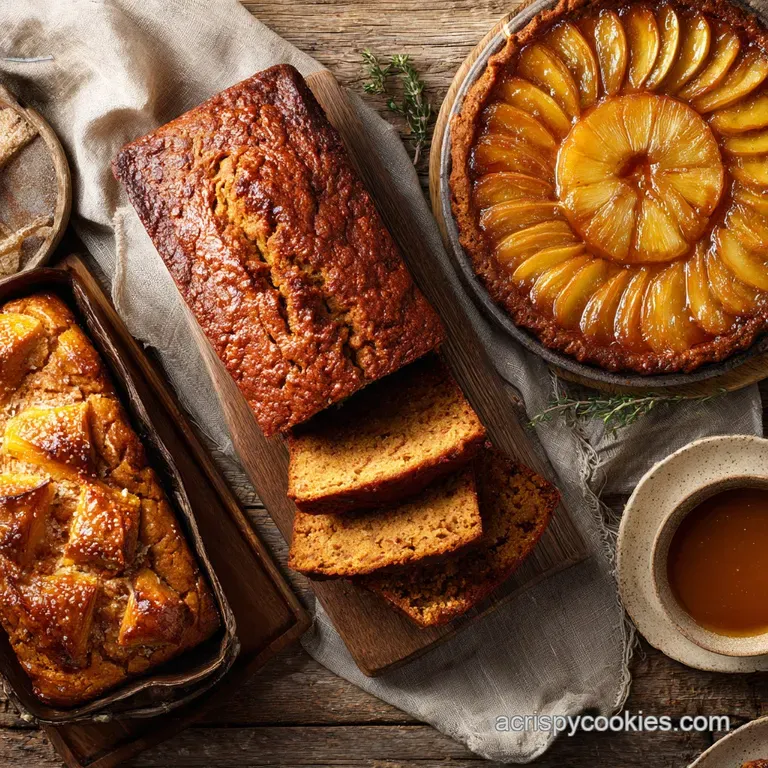
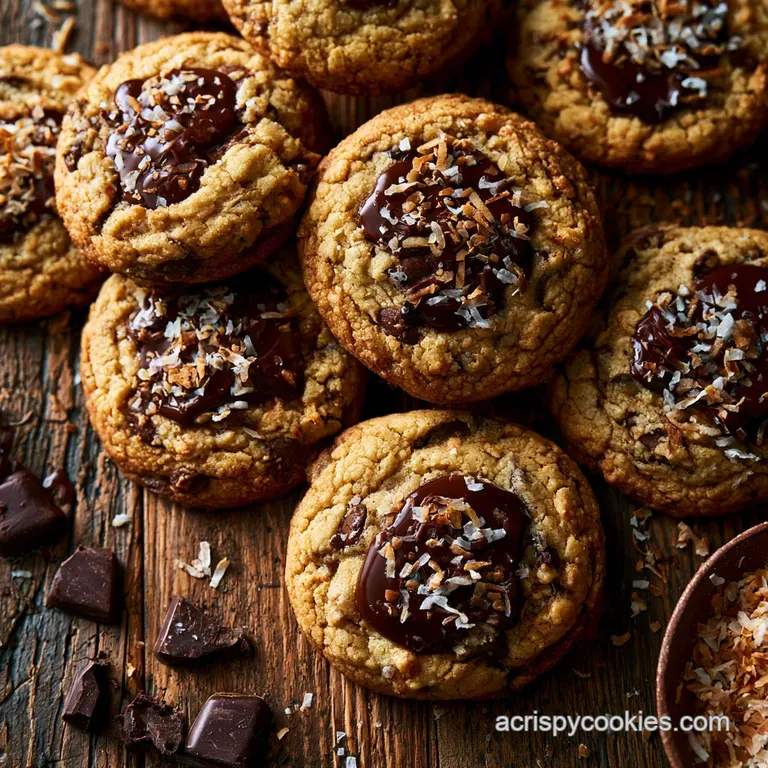
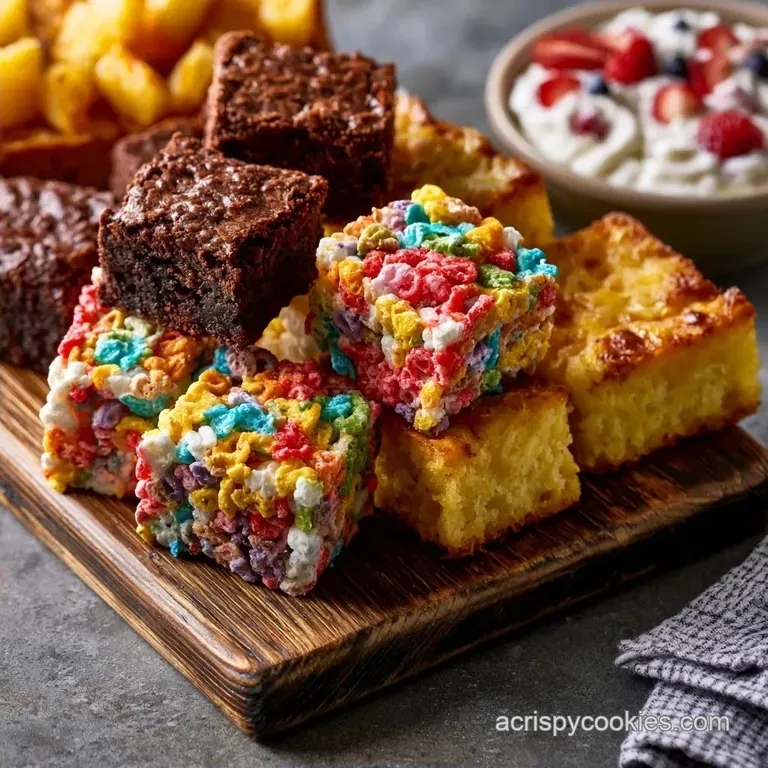
Baking at home shouldn't require professional equipment or a full day in the kitchen. These recipes focus on pantry staples and straightforward methods to get fresh treats on the table in under an hour.
Whether you're prepping a batch of fruit-filled muffins for a busy school morning or a layered dessert bar for a neighborhood potluck, this collection provides dependable results without the stress.
By focusing on simple mixing techniques and manageable bake times, these dishes work well for those just starting their baking journey. You'll find options ranging from high-protein morning snacks to classic tea-time scones that pair perfectly with a hot cup of coffee.
Easy Baking Bar Recipes
These bar recipes are designed for efficiency, using pressed crusts and layered toppings instead of individual cookie shaping. They offer a dense, substantial texture that holds up well during transport, making them a practical choice for gatherings or lunchbox treats.
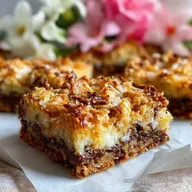
These 7-layer magic cookie bars with condensed milk offer a rich, sweet base that holds together beautifully. The condensed milk creates a fudgy bond between the coconut and chocolate layers.
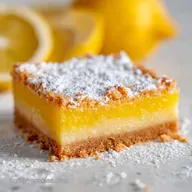
This lemon bars graham cracker crust recipe features a thick, buttery base that balances the tangy citrus curd. It is a faster alternative to traditional shortbread-crust lemon squares.
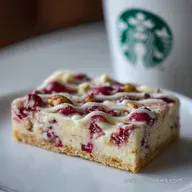
This copycat version of a coffeehouse classic uses a ginger-spiced blondie base and orange cream cheese frosting. It provides a sophisticated flavor profile that stands out in any dessert spread.
Fresh and frozen fruit provide the base for these muffins, which use Greek yogurt or fruit purees to maintain a moist crumb. They serve as a portable morning protein source or a light afternoon snack that isn't overly sweet.
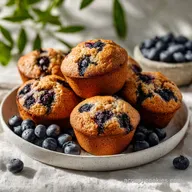
Greek yogurt provides a protein boost while keeping these blueberry muffins moist without extra oil. They are a filling choice for those looking for a lighter, fruit-forward breakfast option.
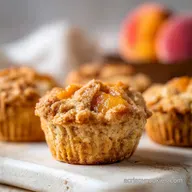
Fresh peach chunks and a crumbly topping give these muffins a summer cobbler feel. They are a great way to use ripe stone fruit when it is in peak season.
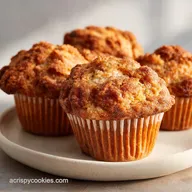
These apple cinnamon muffins use Greek yogurt to reduce the need for refined sugars while maintaining a soft crumb. They are excellent for meal-prepping simple, on-the-go morning snacks.
These recipes lean into warm spices and creamy textures, like pumpkin swirls and custard-soaked centers. They bridge the gap between dessert and breakfast, offering a more indulgent option for weekend brunch menus.
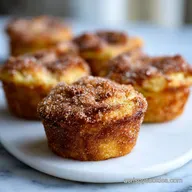
These muffins combine the flavors of classic French toast into a portable, baked format. The custard-soaked center provides a soft, pudding-like texture that makes them unique among breakfast bakes.
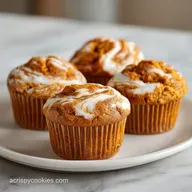
A velvety cream cheese swirl provides a rich contrast to the spiced pumpkin muffin base. These are an ideal choice for fall gatherings or as a more indulgent brunch treat.
Scones provide a flaky, tender alternative to traditional muffins and require minimal kneading to achieve the right lift. These versions use buttermilk and citrus to keep the dough feeling light and bright.
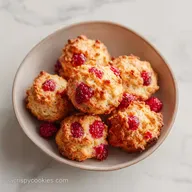
Fresh raspberries and citrus zest create a bright flavor profile in these fluffy scones. They require very little active prep time to achieve a bakery-quality lift and light texture.
Buttermilk ensures these lemon scones stay tender and flaky rather than dry. They are a substantial, tangy option that pairs well with jam or clotted cream for afternoon tea.
Dense muffins usually result from overmixing the batter, which develops too much gluten, or using expired baking powder that fails to provide lift.
Can I use frozen fruit in these baking recipes?
Yes, frozen fruit works well in most muffins and scones, though you should avoid thawing them first to prevent the juice from bleeding into the batter.
What is the best way to store these baked goods?
Most muffins and bars stay fresh for 2-3 days in an airtight container at room temperature, while scones are generally best served the day they are made.
Should I use salted or unsalted butter for baking?
Typically, unsalted butter is preferred because it allows you to control the exact amount of salt in the recipe, though salted butter can be used in a pinch.
How do I know when dessert bars are finished baking?
Dessert bars are usually done when the edges are golden brown and starting to pull away from the pan, even if the center still looks slightly soft.