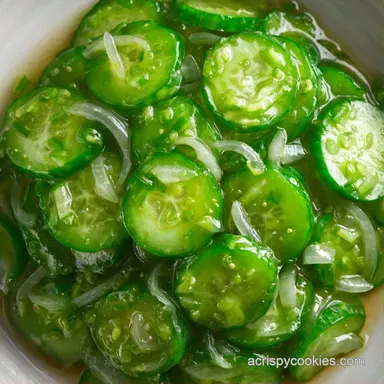
Old Fashioned Bread and Butter Pickles: Crisp and Tangy
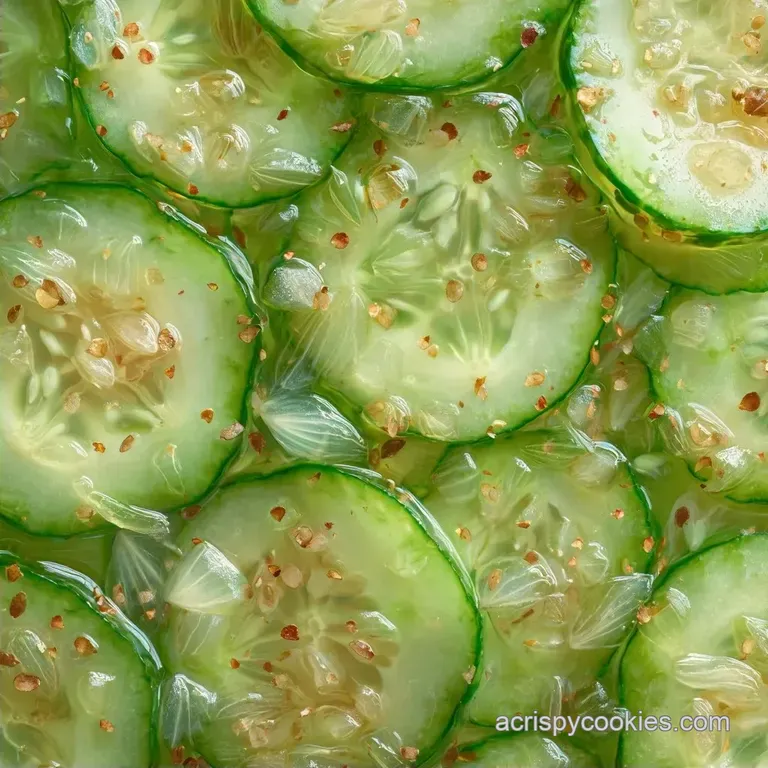
- Time: 30 min active + 3 hrs 10 mins resting/chilling
- Flavor/Texture Hook: Golden yellow hue with a shattering, crisp crunch
- Perfect for: Deli style burgers, roast beef sandwiches, and charcuterie boards
The smell hits you first. It is that sharp, stinging scent of apple cider vinegar hitting a hot pan, mixed with the earthy, warm musk of turmeric. When the brine starts to simmer, the sugar melts into the acid, creating a glossy, gold liquid that looks more like a syrup than a pickle juice.
I remember trying to copy the pickles from a tiny deli in New York. They had this specific, loud crunch that echoed in your head and a sweetness that didn't feel cloying, just balanced. My first few tries at home were too soft, almost limp. The mistake was skipping the long salt soak.
Once I realized that pulling the water out of the cucumber cells is the only way to let the flavor in, everything changed.
These Bread and Butter Pickles aren't just a side dish. They are a tool to cut through fat. Whether you're eating a greasy burger or a rich piece of pork, that hit of acid and sugar resets your palate. We're going for a professional grade, copycat deli result here, focusing on that specific, golden yellow look and a snap that you can hear from across the room.
Bread and Butter Pickles
The beauty of this recipe is the contrast. You have the cold, raw crunch of the vegetable meeting the boiling heat of the brine. It is a process of flavor layers. We start with the salt to strip the cucumber of its excess moisture, then we hit it with the aromatic seeds and turmeric, and finally, we lock it all in with the sugar and vinegar.
If you've ever wondered why store-bought pickles feel "off," it's usually because they've been pasteurized into submission. They lose that raw, living snap. By using a refrigerator method or a quick can approach, we keep the cellular structure of the cucumber intact.
It's about preserving the integrity of the veg while forcing the brine into every tiny pore.
Trust me on the turmeric. It is not just for the neon yellow color. It adds a subtle, bitter earthiness that stops the sugar from taking over. Without it, you just have sweet cucumbers. With it, you have a complex, balanced condiment that feels like it came from a high end larder.
What Makes These Work
To get that restaurant quality snap, we have to manipulate the vegetable on a cellular level. It isn't magic, just a few basic movements of water and acid.
- The Salt Draw: Salt pulls water out of the cucumber cells through osmosis. This prevents the pickles from becoming watery and creates space for the brine to enter.
- Acid Sugar Balance: The cider vinegar provides the tang, while the sugar rounds out the sharp edges. This creates a "round" flavor profile rather than a one dimensional sourness.
- Thermal Shock: Pouring hot brine over cold, rinsed cucumbers helps the liquid penetrate the skin quickly, locking in the flavor while the cold core of the vegetable stays crisp.
- Aromatic Infusion: Mustard and celery seeds release their oils when simmered in the brine, ensuring the spice is evenly distributed rather than just floating on top.
According to Serious Eats, the type of salt you use matters because non pickling salts often contain anti caking agents that can make your brine cloudy. That is why we stick to pure pickling salt here.
| Method | Prep Time | Texture | Best For |
|---|---|---|---|
| Quick Fridge | 30 mins | Very Crisp | Immediate eating (1-2 weeks) |
| Classic Cure | 3+ hours | Dense/Shattering | Long-term storage/Deli style |
| Vinegar Soak | 1 hour | Soft/Juicy | Quick salads or appetizers |
Component Analysis
Before we get into the list, let's look at why these specific ingredients are non negotiable for a copycat deli result.
| Ingredient | Science Role | Pro Secret |
|---|---|---|
| Pickling Salt | Water Extraction | Prevents cloudy brine and ensures a clean salt taste |
| Cider Vinegar | Preservative/Acid | Adds a fruity depth that white vinegar lacks |
| Turmeric | Color/Earthiness | Provides the "golden" look and cuts through the sugar |
| Mustard Seeds | Pungency | Adds tiny pops of flavor and stabilizes the brine |
Essential Ingredient List
Get your mise en place ready. I recommend slicing everything before you start the timer on the salt soak.
- 3 lbs pickling cucumbers, sliced into 1/4 inch rounds Why this? Firmer skin than English cucumbers, holds the crunch
- 2 medium white onions, thinly sliced Why this? Mild flavor that absorbs the brine without overpowering
- 1/4 cup pickling salt Why this? Pure salt without additives for clear liquid
- 2 cups ice water Why this? Shocks the veg and removes excess salt residue
- 2 cups apple cider vinegar Why this? Balanced acidity with a hint of apple sweetness
- 1 cup granulated white sugar Why this? Clean sweetness that doesn't alter the color
- 1 tbsp mustard seeds Why this? Traditional deli flavor profile
- 1 tsp celery seeds Why this? Adds a subtle, savory "green" note
- 1/2 tsp turmeric powder Why this? The source of the iconic gold color
- 1/2 tsp salt Why this? Final seasoning adjustment for the brine
| Original Ingredient | Substitute | Why It Works |
|---|---|---|
| Apple Cider Vinegar | White Distilled Vinegar | Sharper, cleaner acid. Note: Lacks the fruity depth |
| Granulated Sugar | Honey or Maple Syrup | Natural sweetness. Note: Changes the gold color to amber |
| Pickling Salt | Kosher Salt | Coarse grains work. Note: May slightly cloud the brine |
If you love this kind of acidity, it's a great contrast to something rich. For example, these pickles are the perfect companion to Crispy Homemade Roast Potatoes because the vinegar cuts right through the potato starch and oil.
Tools for the Job
You don't need a professional lab, but a few specific tools keep this from becoming a mess.
- Non reactive bowl: Use glass, stainless steel, or plastic. Never aluminum, as the vinegar will react with the metal and give your pickles a metallic taste.
- Colander: A fine mesh version is best for rinsing the small onion slices.
- Medium saucepan: Something with a heavy bottom to prevent the sugar from scorching.
- Sterilized jars: Use wide mouth pints for easier packing.
- Slotted spoon: For gently pressing the vegetables into the jars.
Step by step Guide
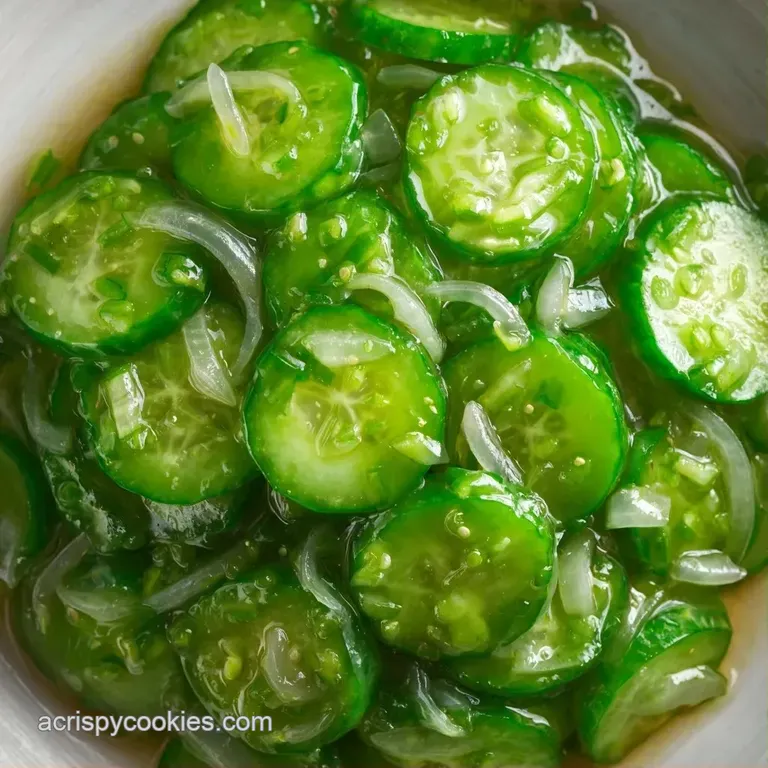
Right then, let's get into the actual process. This is where the flavor layers are built.
- Combine sliced cucumbers and onions in a large non reactive bowl. Toss with the 1/4 cup pickling salt and let them sit for 2 to 3 hours. Note: You'll see a pool of water form at the bottom; this is the "draw" we want.
- Drain the vegetables in a colander. Rinse them thoroughly under ice cold water. Wash until the salt is gone and the vegetables feel firm and cold.
- In a medium saucepan, combine the apple cider vinegar, sugar, mustard seeds, celery seeds, turmeric, and 1/2 tsp salt.
- Bring the brine to a gentle simmer over medium heat. Stir constantly until the sugar is completely dissolved and the liquid is a clear, glowing gold.
- Pack the rinsed cucumbers and onions tightly into sterilized canning jars. Press them down firmly so there are no large air gaps.
- Pour the hot brine over the vegetables. Ensure they are completely submerged. Note: This thermal shock helps the brine penetrate the skins.
- Seal the jars immediately with airtight lids.
- Allow the jars to cool to room temperature on the counter. Do not put hot jars in the fridge or you might crack the glass.
- Once cool, place them in the refrigerator for at least 24 hours before eating.
Fixing Common Mistakes
Even for a flavor detective, things can go sideways. Usually, it comes down to water content or temperature.
Fixing Mushy Texture
The most common complaint. This usually happens because the salt draw was too short or the cucumbers were too old. If you don't pull enough water out, the brine just sits on the surface, and the internal cells collapse.
The Brine Tastes Too Sharp
If the vinegar is overwhelming, it's usually because the sugar didn't fully dissolve or the ratio was off. You can't easily fix this after jarring, but you can balance it by serving the pickles with something creamy, like a mayo based slaw.
The Pickles Aren't Gold
If they look pale, you likely used a low quality turmeric or didn't simmer the brine long enough to bloom the spice. The turmeric needs heat to release its pigment and flavor.
| Problem | Root Cause | Solution |
|---|---|---|
| Soft/Limp Veg | Skipped salt draw | Salt for full 3 hours; use ice water rinse |
| Cloudy Brine | Used table salt | Switch to pure pickling salt |
| Too Sweet | Sugar not balanced | Add a splash more cider vinegar to the jar |
Common Mistakes Checklist
- ✓ Did you use a non aluminum bowl?
- ✓ Did you rinse the salt off completely?
- ✓ Is the sugar fully dissolved before pouring?
- ✓ Are the vegetables packed tightly?
- ✓ Did you let them cool before refrigerating?
Customizing Your Batch
Once you have the base Bread and Butter Pickles down, you can start playing with the flavor profile to match what you're serving.
The Heat Twist If you want a "Sweet and Spicy" version, add 1/2 tsp of red pepper flakes or a sliced habanero to the jar before pouring the brine. The heat creates a fantastic tension with the sugar.
The Herb Addition For a more garden fresh taste, tuck a sprig of fresh dill or a few peppercorns into the jar. This moves the flavor slightly away from the classic deli style and toward a hybrid pickle.
Dietary Adjustments For a lower sugar version, you can replace half the sugar with a monk fruit sweetener. Be aware that the texture of the brine will be slightly thinner, as sugar provides a bit of that syrupy viscosity.
Scaling the Recipe If you're making a massive batch for a party, don't just multiply everything by four.
- Scaling Up (2x-4x): Increase the salt and spices to 1.5x only. Liquids can be doubled, but the aromatic seeds can become overpowering if you go 1:1. Work in batches when rinsing to ensure you get all the salt off.
- Scaling Down (1/2): Use a smaller saucepan so the brine doesn't evaporate too quickly during the simmer. Reduce the simmer time by about 2 minutes.
Storage and Freshness
These are refrigerator pickles, meaning they stay fresh thanks to the acid and the cold.
Fridge Life Keep them in the refrigerator for up to 4 weeks. Ensure the vegetables stay submerged in the brine; any veg poking above the liquid line will soften and potentially spoil.
Freezing Do not freeze these. Freezing destroys the cellular structure of the cucumber, and they will turn into mush the moment they thaw.
Zero Waste Tips Don't throw away the leftover brine! It is a goldmine of flavor. Use it as a base for a potato salad dressing or whisk it with a bit of olive oil and Dijon mustard for a zesty vinaigrette. Since these pickles are so sweet and tangy, the brine works great on grilled chicken.
If you have leftover onion slices from your prep, sauté them in butter and serve them atop a slice of Cinnamon Sugar Sourdough Bread for a weird but wonderful sweet and savory snack.
Best Serving Ideas
To really let these Bread and Butter Pickles shine, you need a fat heavy partner.
The Ultimate Burger Layer these on a beef patty with sharp cheddar and a swipe of garlic aioli. The acidity of the pickle cuts through the richness of the meat and cheese, making every bite taste like the first one.
Charcuterie Boards Pair them with a sharp white cheddar or a creamy brie. The sweetness of the pickle complements the saltiness of cured meats like prosciutto or salami.
Sandwich Upgrades They are a must for a classic Reuben or a roast beef dip. The crunch provides a necessary textural contrast to the soft bread and melted cheese.
For a full meal experience, I love serving a platter of savory sandwiches and these pickles, followed by a slice of Classic Pineapple Upside Down Cake for dessert. The caramelized pineapple echoes the sweet tart profile of the pickles, tying the whole meal together.
Common Misconceptions
"Boiling the cucumbers makes them safer" Actually, boiling the cucumbers before jarring them ruins the snap. The salt draw handles the water removal, and the hot brine handles the flavor penetration. Keep the veg raw for that shattering crunch.
"You must use white vinegar for clarity" While white vinegar is clear, apple cider vinegar provides a much more complex flavor. Any slight cloudiness is a fair trade for the depth of taste you get from the cider base.
"More sugar equals better flavor" Too much sugar turns a pickle into a preserve. The goal is a balance. If the brine is too thick, it won't penetrate the cucumber skin, and you'll end up with a sweet exterior and a bland interior.
Recipe FAQs
How to make sweet pickles without canning?
Pack sliced cucumbers and onions into jars and pour over a hot simmered brine. Allow the containers to cool to room temperature before storing them in the refrigerator.
Can brine for refrigerator pickles be reused?
Yes, the leftover liquid is a flavor goldmine. If you enjoyed mastering this quick-brining technique, see how we apply similar acid-balancing logic in our sweet refrigerator pickles.
How long does it take for the flavors to develop in the pickle?
Wait 24 to 48 hours for the best results. This window allows the apple cider vinegar, sugar, and turmeric to fully penetrate the cucumber slices.
Why do I need to salt the cucumbers for 3 hours first?
To draw out excess water. Removing this moisture prevents the pickles from becoming watery and ensures they stay crunchy after brining.
Is it true that these pickles can be frozen for long-term storage?
No, this is a common misconception. Freezing destroys the cellular structure of the cucumber, which turns the vegetables into mush upon thawing.
Do I need to boil the vegetables in the brine?
No, only the brine should be brought to a simmer. Pouring the hot liquid over raw, rinsed vegetables preserves the snap and texture of the cucumber.
Why use apple cider vinegar instead of white vinegar?
It provides a fruitier, milder acidity. This complements the granulated white sugar and turmeric better than the harsh sharpness of distilled white vinegar.
Bread and Butter Pickles: Crisp Texture