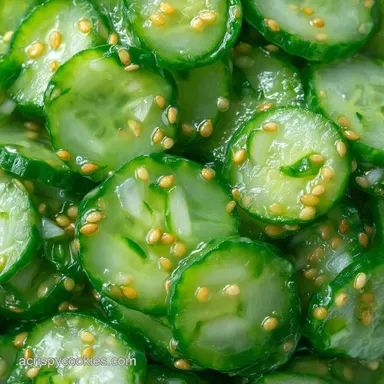
ACV Sweet Pickles: Shatter Crisp
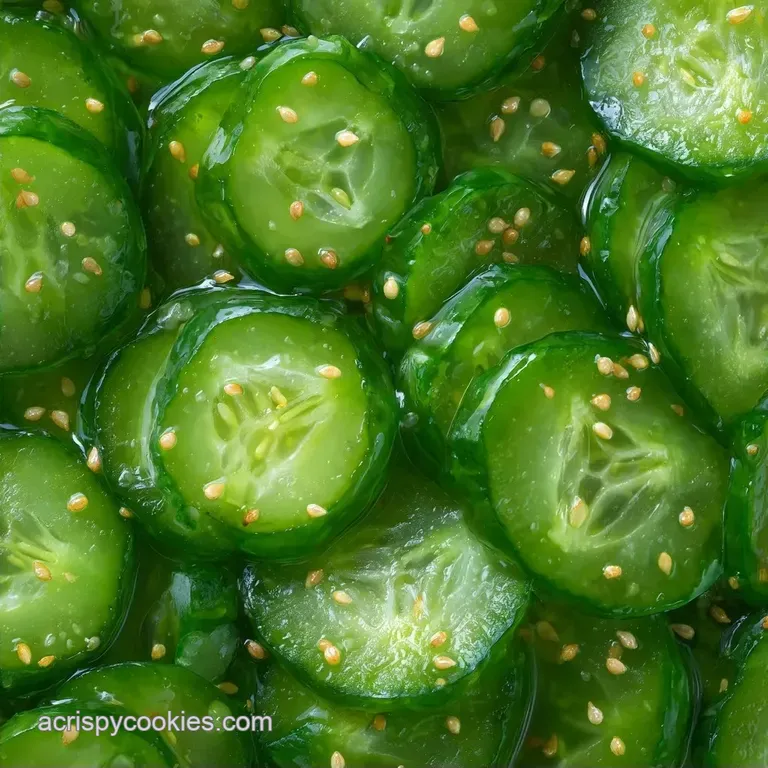
- Time:15 minutes active + 24 hours chilling
- Flavor/Texture Hook: Tangy, fruity, and shatter crisp
- Perfect for: Picnic spreads, burger toppers, or meal prep
- ACV Sweet Pickles: The Ultimate Tangy Snap
- The Secret to the Snap
- Understanding Every Single Ingredient
- The Gear You Actually Need
- Step by Step Brining Process
- Solving Common Pickling Problems
- Twists and Ingredient Swaps
- Debunking Pickling Myths
- Keeping Your Pickles Fresh
- The Best Ways to Serve
- Recipe FAQs
- 📝 Recipe Card
The air in the kitchen changes the second that vinegar hits the heat. It's a sharp, bright scent that cuts through everything, smelling like a nostalgic summer afternoon at a county fair. I remember the first time I tried making these, thinking any vinegar would do, but the result was too harsh.
It wasn't until I switched to apple cider vinegar that the flavor softened into something deeper and more complex.
These are not your average grocery store slices. They have a specific, old school charm that comes from the way the apple notes in the vinegar play with the sugar. When you bite into one, you get that initial hit of sweetness, followed by a punch of tang, and finally the earthy hum of celery seed and turmeric.
If you've been craving that classic deli style snap but want something you can make in your own kitchen without a canning setup, ACV Sweet Pickles are the way to go. They are bright, vibrant, and honestly a bit addictive once you have a jar in the fridge.
ACV Sweet Pickles: The Ultimate Tangy Snap
The magic here is all about the contrast. Most people think pickling is just about preservation, but for a flavor detective, it's about layering. We start with the fresh, watery crunch of English cucumbers and layer on the sweetness of granulated sugar and the fruity acidity of the vinegar.
The turmeric isn't just for that neon yellow glow, it adds a subtle, musky base that grounds the higher notes of the brine.
I’ve found that the key to getting this right is the temperature of the brine when it hits the vegetables. You want it hot enough to infuse the flavors quickly, but not so boiling that you cook the cucumbers into mush.
It's a delicate balance, but once you hit it, the result is a pickle that feels restaurant quality.
But what about the sogginess? We'll get to that. Most home cooks struggle with a "soft" pickle, but by using English cucumbers and a specific chilling window, we can ensure every single slice has that satisfying crack.
The Secret to the Snap
I’ve spent a lot of time figuring out why some pickles stay firm while others turn into wet sponges. It usually comes down to how the brine interacts with the cell walls of the vegetable.
Osmotic Pressure: Salt draws out the excess water from the cucumbers, which makes room for the sugar and vinegar to move in. This exchange is what creates the firm, dense texture.
Acidity Buffer: The apple cider vinegar lowers the pH level of the cucumber. This acidity prevents enzymes from breaking down the pectin in the cell walls, essentially "freezing" the crunch in place.
Thermal Shock: Pouring hot brine over cold vegetables creates a quick seal on the outside of the slice. As it cools slowly in the fridge, the brine penetrates the core without breaking the structure.
Tannin Balance: Using English cucumbers instead of standard garden cucumbers is a move for the win. They have thinner skins and fewer seeds, which means there are fewer "soft spots" to ruin the texture.
| Method | Time | Texture | Best For |
|---|---|---|---|
| Fast (Cold Brine) | 2 hours | Soft/Fresh | Immediate snacking |
| Classic (Hot Brine) | 24 hours | Shatter Crisp | long-term fridge storage |
| Canned (Water Bath) | 1 week | Dense/Vinegary | Pantry storage |
Understanding Every Single Ingredient
When you look at a brine, it seems like a random collection of pantry staples. But each one has a specific job in the flavor architecture of these ACV Sweet Pickles.
| Ingredient | Science Role | Pro Secret |
|---|---|---|
| English Cucumbers | Structural Base | Slice to exactly 1/8 inch for the best snap |
| Apple Cider Vinegar | Acid/Preservative | Provides a fruitier, mellower tang than white vinegar |
| Turmeric Powder | Color/Earthiness | A tiny bit goes a long way; too much tastes like soap |
| Kosher Salt | Water Extraction | Coarser grains dissolve more evenly in hot brine |
The Gear You Actually Need
You don't need a professional lab to do this. A few basic tools will get the job done, but there are a couple of things that make the process smoother.
I highly recommend using a medium stainless steel saucepan. Avoid aluminum, as the acidity of the vinegar can react with the metal and give your brine a weird, metallic aftertaste. For the jars, 16 oz mason jars are the gold standard. They seal tight and fit perfectly in the fridge door.
A slotted spoon is your best friend here. Once you pour the brine in, you'll notice some cucumber slices trying to float to the top. If they aren't fully submerged, they can soften or spoil. Use the spoon to gently tuck them back down.
Step by step Brining Process
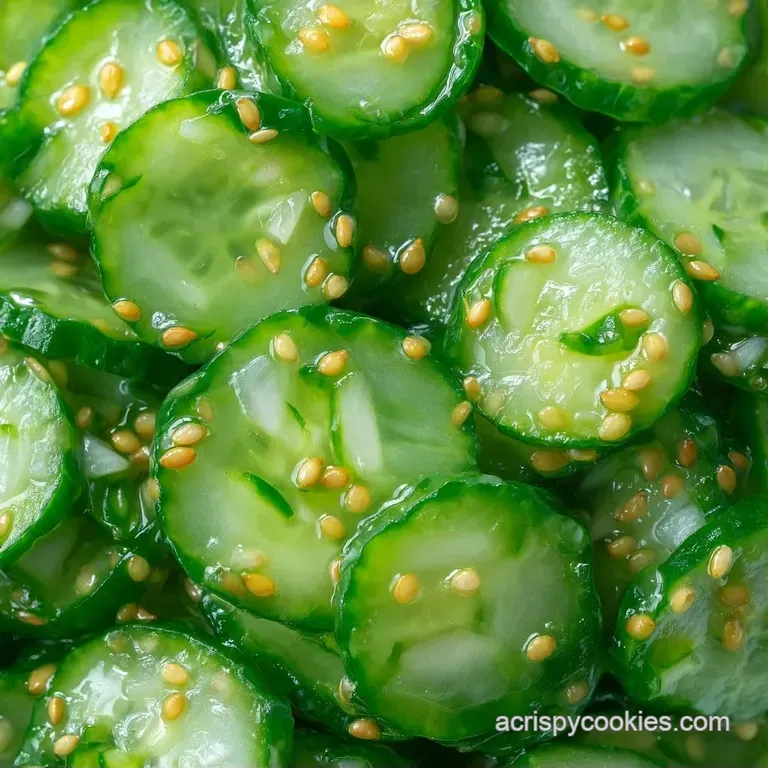
Right then, let's get into the actual making. This is where the flavor layers start to build.
Prepping the Vegetables
Slice the English cucumbers and white onion into thin, uniform rounds. I aim for about 1/8 of an inch. Note: Uniform thickness ensures every slice pickles at the same rate.
Distribute the vegetables evenly between four 16 oz mason jars, alternating between cucumber and onion slices. This keeps the onion from clumping at the bottom and ensures every bite has a bit of both.
Simmering the Sweet Brine
Combine the apple cider vinegar, granulated sugar, kosher salt, mustard seeds, celery seeds, peppercorns, and turmeric powder in your saucepan.
Heat the mixture over medium high heat, stirring occasionally, until the sugar and salt have completely dissolved. You'll see the liquid go from cloudy to a clear, golden amber.
Bring the brine to a gentle simmer, then remove from heat immediately. You don't want a rolling boil, just a light bubble.
Pouring and Sealing
Carefully pour the hot brine over the vegetables in each jar, ensuring they are completely submerged. Watch for the sizzle as the hot liquid hits the cold cucumbers.
Use a slotted spoon to press down any floating slices to ensure full immersion. This prevents air pockets from forming.
Seal the lids tightly. Let the jars cool to room temperature on the counter. This slow cooling process helps the flavors settle.
Once cooled, transfer them to the refrigerator to chill for 24 hours. Trust me on this - don't open them early. The infusion needs that full day to reach peak flavor.
Solving Common Pickling Problems
Even the best home cooks hit a snag now and then. Most pickle problems come down to temperature or produce quality.
Why Your Pickles Are Mushy
Mushiness usually happens if the brine was too hot when poured or if the cucumbers weren't fresh. If the brine is boiling, it essentially "cooks" the cucumber, destroying the pectin. Another cause is using "slicing" cucumbers instead of English or Persian varieties, which have a higher water content.
Correcting Overly Sweet Brine
If you find the ACV Sweet Pickles are leaning too far into the "candy" territory, it's usually a balance issue with the salt. Salt doesn't just make things salty; it suppresses the perception of sweetness. Adding a tiny pinch more salt to the finished jar can often balance the sugar.
Fixing Dull Color
If your pickles look pale instead of golden, you might be using an old jar of turmeric. Turmeric loses its potency and color over time. Always check the expiration date on your spices.
| Problem | Root Cause | Solution |
|---|---|---|
| Soft Texture | Brine too hot | Let brine cool for 2 mins before pouring |
| Bitter Taste | Too much turmeric | Reduce turmeric to 1/8 tsp next time |
| Floating Veg | Air pockets | Press down with a slotted spoon |
Common Mistakes Checklist
- ✓ Using boiling brine (should be a gentle simmer)
- ✓ Slicing vegetables too thick (limits brine penetration)
- ✓ Opening jars before the 24 hour mark (ruins infusion)
- ✓ Using non stainless steel pots (causes metallic taste)
- ✓ Skipping the room temperature cooling phase (shocks the veg)
Twists and Ingredient Swaps
The beauty of an ACV sweet pickle recipe is that it's a great canvas for other flavors. If you want to move away from the classic profile, there are a few easy pivots.
For a spicy kick, add a sliced jalapeño or a teaspoon of red pepper flakes to the brine. The heat cuts through the sugar and creates a really interesting tension. If you want more depth, a clove of smashed garlic in each jar adds a savory, pungent note that pairs great with the apple vinegar.
If you're serving these with a hearty meal, a side of toasted Cinnamon Sugar Sourdough Bread can actually provide a sweet, buttery contrast to the acidic snap of the pickles.
Substitution Guide
| Original Ingredient | Substitute | Why It Works |
|---|---|---|
| English Cucumber | Persian Cucumber | Smaller and crunchier. Note: Use 10-12 instead of 3 English |
| Apple Cider Vinegar | White Wine Vinegar | Similar acidity. Note: Loses the fruity apple notes |
| Granulated Sugar | Honey | Natural sweetness. Note: Makes the brine thicker/stickier |
| White Onion | Red Onion | Same flavor profile. Note: Turns the brine a pinkish hue |
Decision Shortcut
- If you want more heat → add red pepper flakes.
- If you want a softer bite → slice the cucumbers 1/4 inch thick.
- If you want more tang → reduce sugar by 1/4 cup.
Debunking Pickling Myths
There are a lot of old wives' tales in the pickling world. Let's clear a few up.
First, some people claim you need to soak cucumbers in ice water for hours to make them crisp. While it helps, it's not necessary if you use English cucumbers and the hot pour method. The thermal shock does the heavy lifting.
Second, there's a myth that you can't use "refrigerator" methods for long-term storage. While they aren't shelf stable like canned goods, they stay perfectly crisp and safe in the fridge for weeks. You don't need a pressure canner for a great snack.
Keeping Your Pickles Fresh
Since these are refrigerator pickles, you don't have to worry about the stresses of water bath canning. Just keep them chilled.
Storage Guidelines Store your jars in the coldest part of the fridge (usually the back). They will stay fresh and crisp for 3 to 4 weeks. Always use a clean fork to pull pickles out of the jar; introducing bacteria from your fingers can shorten the shelf life.
Zero Waste Tips Don't throw away the leftover brine! The liquid from ACV Sweet Pickles is essentially a pre made vinaigrette. It's incredible on a kale salad or used as a marinade for grilled chicken. If you have leftover onion slices, toss them into a tuna salad for an instant flavor boost.
If you're looking for a snack to pair with these salty treats, some Healthy Low Sugar Applesauce Oatmeal Cookies provide a soft, chewy contrast that balances the vinegar's acidity.
The Best Ways to Serve
These ACV Sweet Pickles are incredibly versatile. Because they balance sweet and sour, they work as a palate cleanser between heavy flavors.
The most obvious pairing is a burger or a pulled pork sandwich. The acidity cuts through the fat of the meat, making the whole meal feel lighter. They also shine on a charcuterie board, nestled between a sharp cheddar and some salty salami.
If you're feeling adventurous, try chopping them up and folding them into a potato salad. Instead of using a bland relish, the apple cider vinegar notes give the potatoes a brightness that wakes up the whole dish. Trust me, it's a total upgrade.
Recipe FAQs
Does apple cider vinegar make good pickles?
Yes, it provides a fruitier, milder tang than standard white vinegar. This creates a more complex flavor that balances perfectly with the granulated sugar.
How to make sweet pickles without canning?
Pour hot brine over sliced vegetables in mason jars. Seal the lids and allow them to cool to room temperature before chilling in the refrigerator. These tangy slices are a refreshing contrast to a batch of crispy cookies.
Do these vinegar pickles need to be refrigerated?
Yes, because they are not processed in a water bath. Keeping them chilled maintains the crisp texture of the English cucumbers and ensures food safety.
How long does it take for the flavors to develop in the pickle?
Chill the jars for 24 hours. This window allows the brine to fully penetrate the cucumber and white onion slices for maximum flavor.
Can brine for refrigerator pickles be reused?
No, it is best to start fresh. The salt and acid balance shifts after the first batch of vegetables absorbs the flavors, which can lead to bland results.
Can you use store-bought pickle juice to make more pickles?
No, store-bought juices often lack the necessary acidity. Using them as a primary brine can lead to spoilage or an inconsistent taste.
Is it true that you must boil the vegetables to make them safe?
No, this is a common misconception. For refrigerator pickles, the acidity of the apple cider vinegar combined with cold storage prevents spoilage without needing to boil the vegetables.
ACV Sweet Pickles: Shatter Crisp