Cornbread Recipe Using Buttermilk
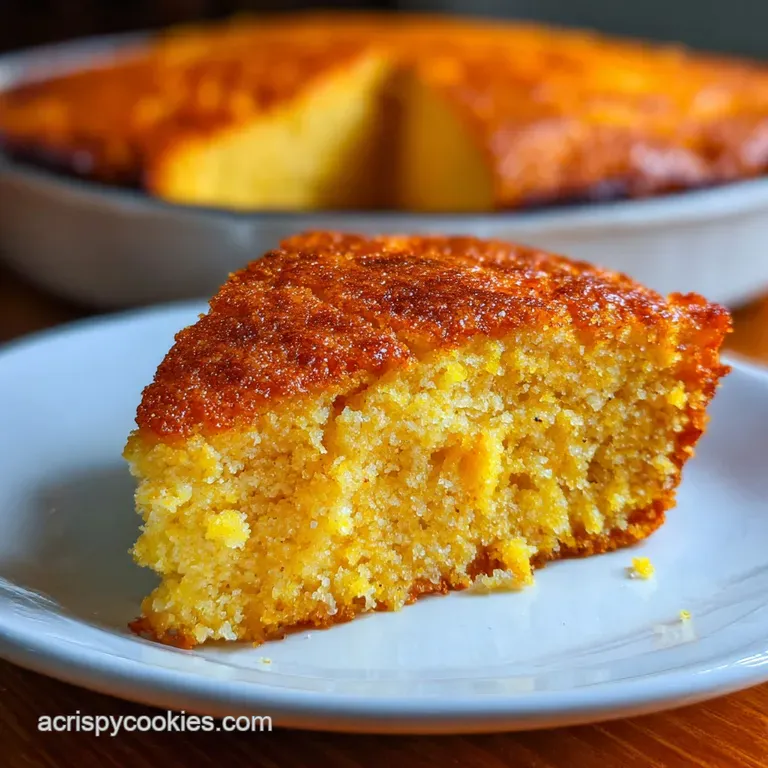
- Time: Active 10 mins, Passive 20 mins, Total 30 mins
- Flavor/Texture Hook: Buttery sweet with a savory, crackling edge
- Perfect for: Chili nights, holiday sides, or a sturdy breakfast
- Mastering This Southern Cornbread Recipe Using Buttermilk
- The Chemistry of the Golden Crumb
- Precision Metrics for a Foolproof Bake
- Selecting the Best Components for Texture
- Essential Tools for a Crispy Crust
- Step-by-Step Guide to the Perfect Sizzle
- Solving Common Problems for Better Baking
- Creative Flavor Variations and Ingredient Swaps
- Guidelines for Storing and Reheating Leftovers
- Best Ways to Serve Your Cornbread
- Recipe FAQs
- 📝 Recipe Card
Mastering This Southern Cornbread Recipe Using Buttermilk
I remember the first time I tried making cornbread without a plan. I just threw cornmeal and water together, thinking it would work out. It didn't. I ended up with something so dry and hard I could have used it as a doorstop. Honestly, it was embarrassing.
I spent the next few months obsessing over the physics of the crumb, testing everything from fat ratios to pan temperatures until I found the sweet spot.
The secret I discovered isn't just about the corn, it’s about the chemistry of the liquid. When we use buttermilk, we aren't just adding flavor. We're starting a chemical reaction that changes the entire structural integrity of the bread.
It's the difference between a dense block of grain and a light, airy slice that practically melts when you smear a bit of salted butter on it.
You'll see a lot of recipes that tell you to just "mix and bake," but we're going for precision here. I want you to hear that specific sizzle when the batter hits the pan. I want you to see that dark, lacquered bottom that only happens when the thermal mass of the skillet is just right.
Trust me on this, once you nail the buttermilk to cornmeal ratio, you'll never go back to the boxed stuff.
The Chemistry of the Golden Crumb
Acidic Tenderization: The lactic acid in buttermilk breaks down long protein chains in the flour and cornmeal, resulting in a significantly softer texture. This prevents the "gritty" mouthfeel often associated with inferior bakes.
The Leavening Lift: Baking soda reacts instantly with the buttermilk's acidity, creating tiny carbon dioxide bubbles that expand under heat. This is what creates those characteristic airy pockets rather than a flat, dense disc.
Thermal Searing: Preheating the fat in a cast iron skillet creates a Maillard reaction the second the batter touches the surface. This develops a complex, nutty flavor profile and a crust that stays crisp even after cooling.
Optimal Cooking Method Comparison
| Method | Time | Texture | Best For |
|---|---|---|---|
| Cast Iron Skillet | 20 mins | Shatter crisp bottom | Authentic Southern style |
| Glass Baking Dish | 25 mins | Soft, uniform edges | Potlucks and easy cleanup |
| Muffin Tin | 15 mins | Maximum edge to center ratio | Individual grab and-go servings |
Choosing the right vessel changes how heat travels into the batter. A skillet holds onto heat much longer than glass, which is why it's my top recommendation for achieving that signature crunch on the bottom.
Precision Metrics for a Foolproof Bake
| Ingredient | Science Role | Pro Secret |
|---|---|---|
| Stone ground Cornmeal | Structural base | Let it hydrate in the buttermilk for 5 minutes before baking |
| Full fat Buttermilk | Moisture & Acidity | Never use low-fat, as the fat solids prevent staling |
| Unsalted Butter | Fat & Flavor | Use high-quality butter with low water content for a better sear |
Precision Checkpoints
- Skillet Temp: The butter should be foaming and slightly browned before adding the batter.
- Internal Temp: Pull the bread when the center reaches 200°F (93°C) to avoid drying out the edges.
- Resting Period: Wait exactly 10 mins before slicing to allow the steam to set the crumb.
Selecting the Best Components for Texture
Success starts with the quality of your grain. I highly recommend stone ground yellow cornmeal because it retains more of the corn's natural oils. If you use the highly processed, "dust like" meal, you'll lose that beautiful texture.
For the flour, 0.5 cup (65g) of all purpose is the "glue" that keeps everything from falling apart.
If you are looking for other savory bakes to round out your meal, this Cheddar Bay Biscuit recipe uses a similar logic of fat and flour to create a tender bite.
- 2 cups (300g) stone ground yellow cornmeal: Provides the "grit" and soul of the dish. Why this? Stone ground varieties offer more flavor and a better "chew" than fine meal.
- 0.5 cup (65g) all purpose flour: Structural support. Why this? Prevents the cornbread from being too crumbly to hold.
- 1 tsp (6g) sea salt: Flavor enhancer.
- 1 tsp (5g) baking powder: For height.
- 0.5 tsp (3g) baking soda: Reacts with the buttermilk for lift.
- 1.5 cups (366g) full fat cultured buttermilk: The hydration agent. Why this? Essential for the chemical reaction with the baking soda.
- 1 large egg (50g): Binding and richness.
- 2 tbsp (42g) honey: For a hint of sweetness and browning.
- 5 tbsp (70g) unsalted butter, divided: 3 tbsp for the batter, 2 tbsp for the pan.
| Original Ingredient | Substitute | Why It Works |
|---|---|---|
| Full fat Buttermilk | Plain yogurt + milk | Mimics acidity and fat levels. Note: Crumb may be slightly denser |
| Honey | Maple syrup | Provides sweetness with earthier notes and faster browning |
| Sea Salt | Kosher salt | Similar salinity. Note: Use 1.5 tsp if using Diamond Crystal brand |
Essential Tools for a Crispy Crust
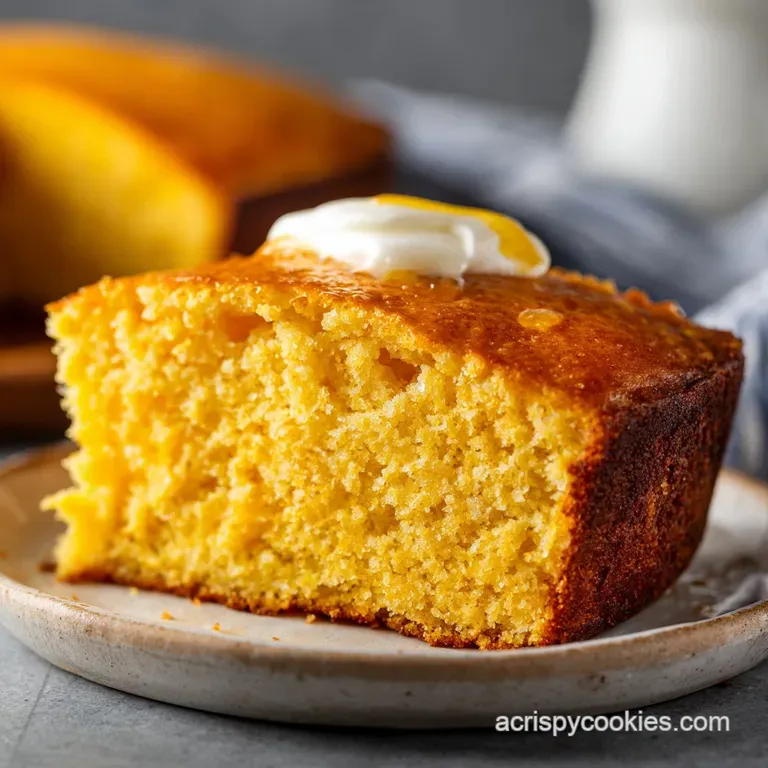
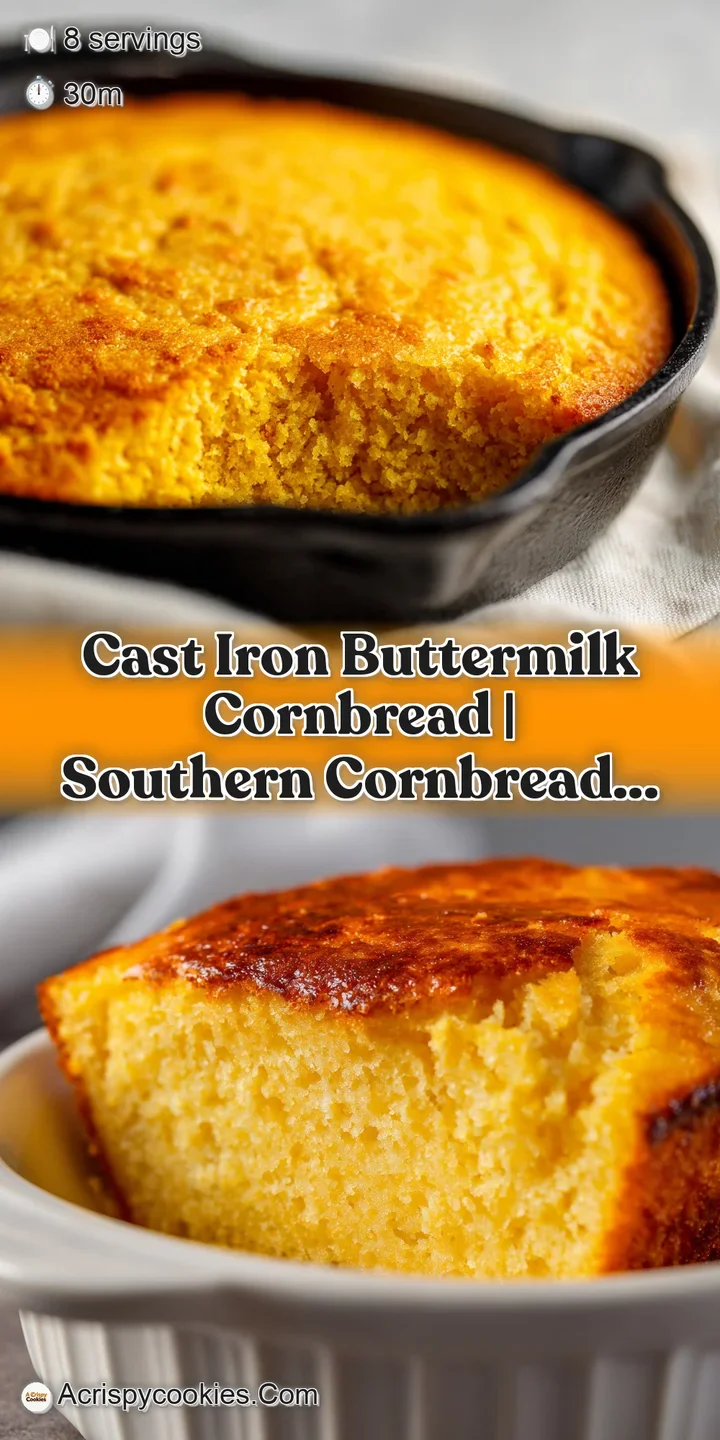
The most important tool in this cornbread recipe using buttermilk is a 10 inch cast iron skillet. It acts as a heat reservoir, ensuring the bottom of the bread gets as much heat as the top. If you don't have one, a heavy stainless steel pan works, but you'll miss out on some of that rustic char.
You'll also want a sturdy whisk and a large glass mixing bowl. Avoid using a stand mixer for this. We want to be gentle with the batter to keep those air bubbles intact. A digital scale is also a game changer here.
Measuring cornmeal by volume is notoriously inaccurate, but weighing out 300g ensures it's the same every single time.
step-by-step Guide to the Perfect Sizzle
- Preheat the oven to 400°F (200°C). Place your cast iron skillet inside while it heats. Note: This ensures the pan is screaming hot for the sear.
- Whisk the cornmeal, flour, salt, baking powder, and baking soda in a large bowl. Ensure no clumps remain.
- Combine the buttermilk, egg, honey, and 3 tbsp of melted butter in a separate jug.
- Whisk the wet ingredients into the dry. Stop the moment the flour streaks disappear. The batter should look slightly lumpy.
- Remove the hot skillet from the oven carefully. Drop the remaining 2 tbsp of butter into the pan.
- Swirl the melting butter until it stops foaming and turns golden brown. This adds a nutty depth.
- Pour the batter into the center of the skillet. You should hear a loud, aggressive sizzle.
- Smooth the top quickly with a spatula. Don't fuss with it too much.
- Bake for 20 minutes until the edges are dark brown and pulling away from the sides.
- Cool the pan on a wire rack for 10 minutes. This allows the internal steam to redistribute.
Solving Common Problems for Better Baking
One of the biggest heartbreaks is cutting into your bread only to have it turn into a pile of yellow sand. Usually, this happens because the cornmeal wasn't hydrated properly or the ratio of cornmeal to flour was off. We use 2 cups to 0.5 cup because it provides that traditional taste without the structural failure.
Why is my cornbread dry?
If your bread feels like sawdust, you likely overbaked it or used a "light" buttermilk. Fat is a lubricant for the starch molecules. Without enough fat from the buttermilk and the egg, the cornmeal will soak up every drop of moisture and leave the crumb parched.
Always use full fat cultured buttermilk for the best results.
Why didn't I get a crispy bottom?
This almost always comes down to pan temperature. If the skillet isn't hot enough to make the butter sizzle the moment it hits, you won't get that "fried" exterior. Make sure the skillet stays in the oven for at least 10 minutes at full heat before you add the fat and batter.
| Problem | Root Cause | Solution |
|---|---|---|
| Crumbly texture | Too much cornmeal ratio | Increase flour or ensure egg is large (50g) |
| Sunken center | Underbaked or old leavening | Test baking powder in hot water to ensure it fizzes |
| Pale crust | Skillet wasn't hot enough | Preheat pan for a full 10 mins at 400°F |
Common Mistakes Checklist
- ✓ Never overmix the batter; 15-20 strokes with a spoon is usually plenty.
- ✓ Use room temperature eggs to ensure the honey and butter don't seize up.
- ✓ Measure cornmeal by weight (300g) rather than using a measuring cup.
- ✓ Don't skip the preheating step for the skillet - it’s the secret to the crust.
- ✓ Ensure your baking soda is fresh, as it's the primary driver for the buttermilk reaction.
Creative Flavor Variations and Ingredient Swaps
If you want to take this cornbread recipe using buttermilk in a different direction, it's very easy to modify. For a "Spicy Tex Mex" version, fold in 1/2 cup of shredded sharp cheddar and two minced jalapeños. The cheese adds extra fat, which makes the crumb even more velvety.
For another traditional stovetop treat, my Fry Bread Recipe uses a similar logic of high heat and simple grains but focuses on a puffed, airy texture that's perfect for savory toppings.
To Make it dairy-free
You can swap the buttermilk for 1.5 cups of almond milk mixed with 1.5 tbsp of lemon juice. Let it sit for 10 minutes to curdle. Replace the butter with a high-quality vegan butter or even bacon drippings for a savory, smoky twist that is naturally dairy-free.
The "Southern Living" Minimalist Variation
If you prefer a version that is less "cake like," remove the honey and the all purpose flour entirely. You will need to increase the cornmeal to 2.5 cups and add an extra 1/4 cup of buttermilk. This version is much more crumbly and savory, making it perfect for crumbling into a bowl of pot likker or soup.
Guidelines for Storing and Reheating Leftovers
Cornbread is best the day it's made, but it stores surprisingly well if you keep it away from air. Wrap it tightly in plastic wrap or foil once it has cooled completely. Storing it while warm will create condensation, making that beautiful crust soggy and sad.
- Fridge: Store in an airtight container for up to 4 days.
- Freezer: Wrap individual slices in parchment paper, then place in a freezer bag. It stays fresh for up to 3 months.
- Reheating: To restore the crunch, place a slice in a dry skillet over medium heat for 2 minutes per side. Avoid the microwave if possible, as it can make the cornmeal rubbery.
- Zero Waste: If the bread does go stale, don't toss it. Crumble it up and toast it in the oven to make cornbread croutons for a salad, or use it as a base for a savory turkey dressing.
Best Ways to Serve Your Cornbread
There is something deeply nostalgic about a thick slice of cornbread served alongside a steaming bowl of chili. The sweetness of the honey in this recipe helps balance out the spice of peppers and cumin.
I personally love serving it with a side of honey butter just whip together softened butter and a drizzle of honey until fluffy.
For a modern breakfast, try toasting a thick wedge and topping it with a poached egg and a dash of hot sauce. The yolk runs into the porous crumb of the cornbread, creating a rich, decadent morning meal. However you choose to serve it, make sure it's warm enough to melt whatever you put on top.
The thermal mass of the bread is its best feature, so take advantage of it!
Recipe FAQs
Is it better to use milk or buttermilk in cornbread?
Buttermilk is highly recommended. The lactic acid in buttermilk reacts with baking soda, creating a lighter crumb structure and adding a distinct tang that balances the sweetness of the cornmeal.
Can a diabetic eat cornbread?
In moderation, yes, but check ingredients first. This recipe contains honey, a simple sugar, and white flour, which can raise blood glucose. You can lower the glycemic load by omitting the honey and substituting the white flour with fine almond flour, similar to techniques used when reducing carbs in a savory baked dish.
What is Dolly Parton cornbread?
It is a sweeter, cake like version often made with Bisquick. Dolly Parton’s famous recipe typically includes both sugar and cake flour along with the cornmeal, resulting in a sweeter, lighter texture far removed from traditional savory Southern cornbread.
What is the secret to perfect cornbread?
Preheat your cast iron skillet with the fat until it browns slightly. This thermal searing step is critical for achieving a crisp, dark bottom crust that contrasts beautifully with the moist interior. Mastering this high heat fat transfer is similar to achieving the perfect sear on a pan-seared steak.
How do I prevent my cornbread from becoming dry and gritty?
Ensure you use full fat cultured buttermilk and avoid overbaking. The fat content prevents premature staling, and the acid tenderizes the proteins. Pull the bread when the internal temperature reaches 200°F (93°C) to stop residual heat from drying out the edges.
Can I substitute buttermilk with regular milk?
No, you must replicate the acidity for proper lift. If you only have regular milk, create a substitute by mixing 1.5 cups of milk with 1.5 tablespoons of white vinegar or lemon juice and letting it sit for 10 minutes until it curdles slightly.
What is the best cornmeal grind for a classic texture?
Stone ground yellow cornmeal provides the best flavor and structure. The coarser grind offers superior "grit" and chew compared to fine, highly processed cornmeal. For a more delicate final product, you can use 50% fine and 50% stone ground.
Buttermilk Cornbread Recipe
Ingredients:
Instructions:
Nutrition Facts:
| Calories | 281 kcal |
|---|---|
| Protein | 6.1 g |
| Fat | 10.7 g |
| Carbs | 41.6 g |
| Fiber | 3.1 g |
| Sugar | 7.2 g |
| Sodium | 387 mg |
