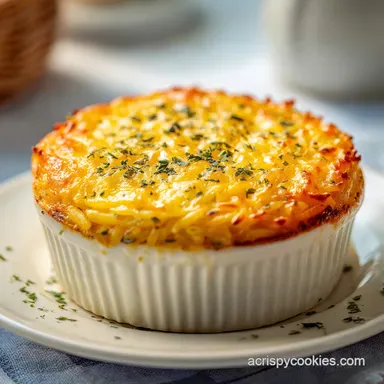
Cheesy Baked Orzo: Creamy and Rich

- Time: 10 min active + 40 min baking = Total 50 mins
- Flavor/Texture Hook: Velvety pasta with a shatter crisp cheese crust
- Perfect for: Lazy weeknight dinners or comforting potlucks
- Cheesy Baked Orzo
- Why This Bake Works
- Ingredient Component Analysis
- Essential Kitchen Tools
- The Step-by-Step Process
- Fixing Common Mistakes
- Troubleshooting Common Issues
- Taste Variations and Swaps
- Adjusting the Serving Size
- Debunking Pasta Myths
- Storage and Waste Tips
- Best Side Dish Pairs
- Recipe FAQs
- 📝 Recipe Card
Cheesy Baked Orzo
The sound of butter hitting a hot cast iron skillet is my favorite kitchen noise. That immediate, aggressive sizzle tells me everything is about to go right. I remember the first time I made this for a group of friends during a particularly brutal November rainstorm.
The house was freezing, and the mood was low, but as soon as the scent of sautéing garlic and toasted orzo started wafting through the hallway, the whole energy shifted. There is something about the aroma of melting cheese and warm broth that just signals "safety" to the brain.
I used to struggle with baked pastas becoming either a dry brick or a soggy mess, but this version hits that sweet spot. You get the creamy interior of a stovetop pasta but the golden, bubbling top that only an oven can provide. This Cheesy Baked Orzo isn't about being fancy, it's about that feeling of a warm hug in a bowl.
We're going for a restaurant quality result here, but we're doing it with stuff you already have in your pantry. You can expect a dish that is rich, slightly tangy from the Parmesan, and punctuated by the fresh, earthy scent of baby spinach.
It's the kind of meal that makes you want to put on your pajamas at 5 PM and just disappear into the couch.
Why This Bake Works
- Starch Release: By cooking the orzo directly in the broth and cream, the pasta releases its natural starches into the liquid. This creates a thick, creamy sauce that binds everything together without needing a separate flour based roux.
- Grain Toasting: Sautéing the dry orzo in butter before adding liquid creates a nutty base. According to Serious Eats, toasting grains or pasta enhances the flavor profile and helps the pasta maintain its structure.
- Controlled Hydration: Baking the dish covered with foil traps the steam. This ensures the orzo cooks evenly from the center out, preventing the edges from drying out before the middle is tender.
- Residual Heat Wilting: Adding the spinach at the very end using only the heat from the pan prevents the greens from turning into a brown mush, keeping the color vibrant.
- Two Stage Cheeseing: Using mozzarella for the "stretch" and Parmesan for the "salt" creates a complex flavor profile. The second bake uncovered is what gives us that golden, bubbling crust.
The way the liquid reduces in the oven creates a concentrated flavor that you just can't get from boiling pasta in a separate pot of water. It's a more efficient way to build taste.
| Freshly Grated Cheese | Pre Shredded Bagged Cheese | Impact on Result | Best For |
|---|---|---|---|
| No anti caking agents | Coated in potato starch | Bagged cheese can be grainy | Fresh is best for melt |
| More intense flavor | Muted flavor | Fresh melts into a silky pool | Gourmet results |
| Higher fat retention | Drier finish | Fresh creates a velvety sauce | Texture lovers |
Right then, let's look at what exactly is happening inside the pan. It's all about how the components interact under heat.
Ingredient Component Analysis
| Ingredient | Science Role | Pro Secret |
|---|---|---|
| Orzo Pasta | Starch Provider | Toast it until golden for a nuttier taste |
| Chicken Broth | Flavor Base | Use low sodium to control the salt level |
| Heavy Cream | Emulsifier | Adds the velvety mouthfeel that balances the salt |
| Parmesan | Umami Boost | Grate it yourself to avoid clumps |
It's worth noting that the ratio of liquid to pasta is the most critical part of this recipe. If you use too much broth, it becomes a soup; too little, and it's a cake. We've found the 2:1 liquid to pasta ratio to be the gold standard for this specific dish.
Essential Kitchen Tools
You don't need a professional kitchen for this, but a few specific tools make it much easier. I highly recommend an oven safe skillet or a deep baking dish. If you use a skillet, make sure it has a handle that won't melt at 400°F.
A tight fitting piece of aluminum foil is non negotiable here. If the steam escapes, your orzo will stay hard in the middle while the top burns. I also like using a silicone spatula for stirring, as it gets into all the corners of the pan and ensures no stray grains of pasta are left to burn.
Finally,, a decent cheese grater is your best friend. While I'm all for shortcuts, the difference between a block of mozzarella and the pre shredded stuff is noticeable in how the cheese stretches. Trust me on this, the five minutes of grating is worth the effort.
The step-by-step Process
Phase 1: Building the Aromatics
Melt the butter over medium heat in your skillet. You'll hear that lovely sizzle. Add the diced onion and minced garlic. Sauté them until they are translucent and smell fragrant, which usually takes about 4-5 minutes.
Stir in the dried oregano, salt, and black pepper. Let these toast for 30 seconds. This wakes up the dried herbs, turning them from "dusty" to "aromatic." Now, pour in the uncooked orzo. Stir constantly for 2 minutes until the grains look slightly golden and are coated in butter.
This is where the flavor begins.
Phase 2: The Oven Simmer
Pour in the chicken broth and heavy cream. Give it a good stir to make sure no orzo is clumping together. Cover the dish tightly with foil. This is the "steaming" phase.
Place the pan in the oven at 400°F (200°C) for 25-30 minutes. You'll know it's ready when you peel back the foil and the liquid has been mostly absorbed, leaving a thick, creamy sauce, and the pasta is tender.
Phase 3: The Cheesy Crust
Remove the pan from the oven. Stir in the chopped baby spinach. The residual heat will wilt the leaves in about 60 seconds. It'll go from bright green to a deep, rich emerald.
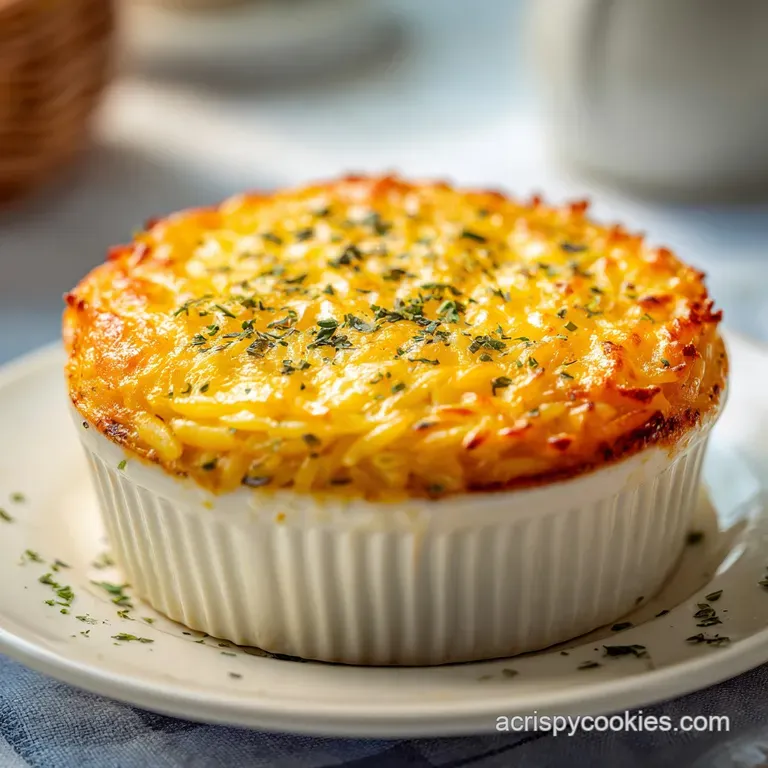
Spread the mozzarella and Parmesan evenly over the top. Don't be shy with the cheese. Return the dish to the oven, uncovered, for 5-10 minutes. Watch for the cheese to start bubbling and develop those little brown leopard spots.
Garnish with fresh parsley. The brightness of the parsley cuts through the richness of the cream and cheese, adding a necessary hit of freshness.
Chef's Note: If you want a truly "shatter" crust, sprinkle a tiny bit of extra Parmesan on top for the last 2 minutes of baking.
Fixing Common Mistakes
Troubleshooting Common Issues
| Issue | Solution |
|---|---|
| Why Your Orzo Is Too Dry | This usually happens if the foil wasn't sealed tightly or if the oven runs too hot. When steam escapes, the liquid evaporates faster than the pasta can absorb it. If you notice this happening, simply |
| Why Your Cheese Separated | If you see little beads of oil on top of your cheese, it's likely because the oven was too hot, causing the fats to break. To avoid this, ensure your oven is properly calibrated. You can also try usin |
| Why Your Pasta Is Mushy | Overcooking is the enemy. If the orzo has lost its shape, it's likely it stayed in the oven too long during the first phase. Start checking the pasta at the 25 minute mark. |
- ✓ Use a timer for the first 25 minutes.
- ✓ Always toast the orzo grains first.
- ✓ Use a heavy bottomed pan to prevent hotspots.
- ✓ Stir the spinach in quickly to avoid overcooking.
- ✓ Let the dish rest for 5 minutes before serving.
Taste Variations and Swaps
Depending on what you have in the fridge, you can easily tweak this Cheesy Baked Orzo to fit your mood. For a heartier version, try adding cooked shredded chicken or sautéed mushrooms during the aromatic phase.
If you're looking for a more veggie forward approach, you can add diced carrots or frozen peas along with the spinach. If you prefer a zesty Italian vibe, a tablespoon of capers or some sun dried tomatoes add a great punch of acidity. For another comfort classic to serve alongside this, you might like these Breakfast Enchiladas if you're doing a "comfort food" brunch.
| Original Ingredient | Substitute | Why It Works |
|---|---|---|
| Heavy Cream (1/2 cup) | Whole Milk + 1 tbsp Butter | Similar fat content. Note: Sauce will be slightly thinner |
| Chicken Broth (3 cups) | Vegetable Broth (3 cups) | Same liquid ratio. Note: Makes the dish vegetarian friendly |
| Mozzarella (1.5 cups) | Gruyère or Fontina | High meltability. Note: Adds a nuttier, more pungent flavor |
| Baby Spinach (2 cups) | Chopped Kale | Heartier texture. Note: Add kale 5 minutes earlier as it takes longer to wilt |
But what about the cheese? If you don't have Parmesan, a sharp white cheddar works brilliantly, though it will change the flavor from "Italian" to "Mac and Cheese."
Adjusting the Serving Size
Scaling a baked pasta is a bit different than scaling a soup because the surface area of your pan changes how the liquid evaporates.
Scaling Down (Half Batch): If you're cooking for two, use a smaller 8 inch oven safe pan. Reduce the baking time by about 20% during the first phase. I recommend checking the pasta at 20 minutes instead of 25.
Be careful not to over reduce the liquid, as smaller batches can dry out faster.
Scaling Up (Double Batch): When doubling the recipe, don't just double the salt and oregano. Increase spices to about 1.5x to avoid overwhelming the dish. Use a large 9x13 inch baking dish.
Because there's more mass, the center will take longer to heat through, so you may need to extend the covered baking time by 5-10 minutes.
Baking Large Batches: If you're making a massive amount, lower the oven temperature to 375°F (190°C) and extend the time. This prevents the edges from burning while the middle is still cold.
Debunking Pasta Myths
You might have heard that you need to boil orzo in water first before baking it. This is simply not true. In fact, boiling it first removes the starches that we need to make the sauce velvety. Cooking it in the broth is what gives the Cheesy Baked Orzo its signature richness.
Another common myth is that adding cream "kills" the flavor of the cheese. In reality, the fat in the cream carries the flavor of the Parmesan and mozzarella across your palate more effectively. It acts as a vehicle for the taste.
Some people claim that you must use a specific "pasta" shaped orzo. While there are variations, any standard orzo (which is essentially rice shaped pasta) works perfectly here. Just stick to the liquid ratios.
Storage and Waste Tips
If you have leftovers, store them in an airtight container in the fridge for up to 4 days. You'll notice that the pasta continues to absorb the sauce as it sits, so it will be thicker when you reheat it.
Reheating Strategy: To bring back that creamy texture, add a splash of milk or broth before microwaving. Heat in 30 second intervals, stirring in between. If you have the patience, put it back in the oven at 350°F (175°C) for 10 minutes with a cover to keep it moist.
Freezing Instructions: I don't generally recommend freezing this dish because the cream can separate and the pasta can become grainy. However, if you must, freeze it in individual portions. Thaw in the fridge overnight before reheating in the oven.
Zero Waste Tips: Don't throw away those onion skins and garlic ends! Toss them into a freezer bag. Once the bag is full, simmer them with water and a bay leaf to make a quick vegetable stock for your next bake.
Also, if you have leftover parsley stems, chop them finely and add them to the sauté phase, they have tons of flavor.
Best Side Dish Pairs
Since this Cheesy Baked Orzo is quite rich and decadent, you want sides that provide a contrast. Something acidic or crunchy works best to balance the velvety texture.
A crisp arugula salad with a lemon vinaigrette is my go to. The bitterness of the greens and the zing of the lemon cut right through the cheese. If you're making a full feast for the family, these go great with Homemade Roast Potatoes for an extra layer of comfort.
You could also serve this with roasted asparagus or sautéed broccolini. The charred flavor of roasted vegetables complements the toasted notes of the orzo. For a lighter option, a simple sliced tomato and basil salad with a drizzle of balsamic glaze provides a fresh, juicy counterpoint to the bake.
Right then, you're all set. This Cheesy Baked Orzo is the ultimate solution for when you want something that feels like a labor of love but only takes a few minutes of actual work. Just remember to seal that foil tight and let the oven do the heavy lifting. Happy cooking!
Recipe FAQs
Can I use a different pasta instead of orzo?
No, stick with orzo. Its small, rice-like shape is essential for absorbing the chicken broth and heavy cream during the baking process.
Why did my baked orzo turn out too dry?
The foil seal likely leaked. When steam escapes, liquid evaporates faster than the pasta can absorb it; ensure the dish is covered tightly.
How to reheat leftovers without them getting thick?
Add a splash of chicken broth before microwaving. Heat in 30-second intervals, stirring in between to restore the creamy texture.
Is it true I need to boil the orzo before baking it?
No, this is a common misconception. Adding uncooked orzo allows the pasta to absorb the fats and flavors directly from the sauce in the oven.
Why are there oil beads on top of my cheese?
Your oven was likely too hot. Excessive heat causes the fats in the mozzarella and Parmesan to break and separate into oil.
What should I serve with this cheesy orzo?
A crisp green salad or roasted vegetables work best. If you enjoy this creamy style of pasta, you might also like our French onion chicken orzo for a more substantial meal.
How long does this dish last in the fridge?
Up to 4 days. Store leftovers in an airtight container to prevent the pasta from drying out further.
Cheesy Baked Orzo: One-Pan Creamy