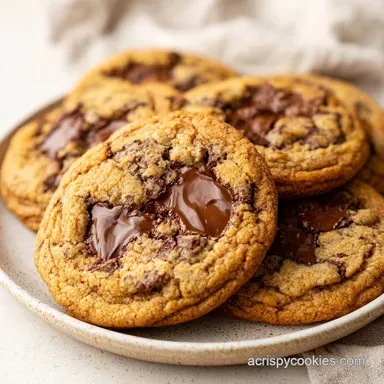
Chewy Chocolate Chip Cookies: Soft and Gooey
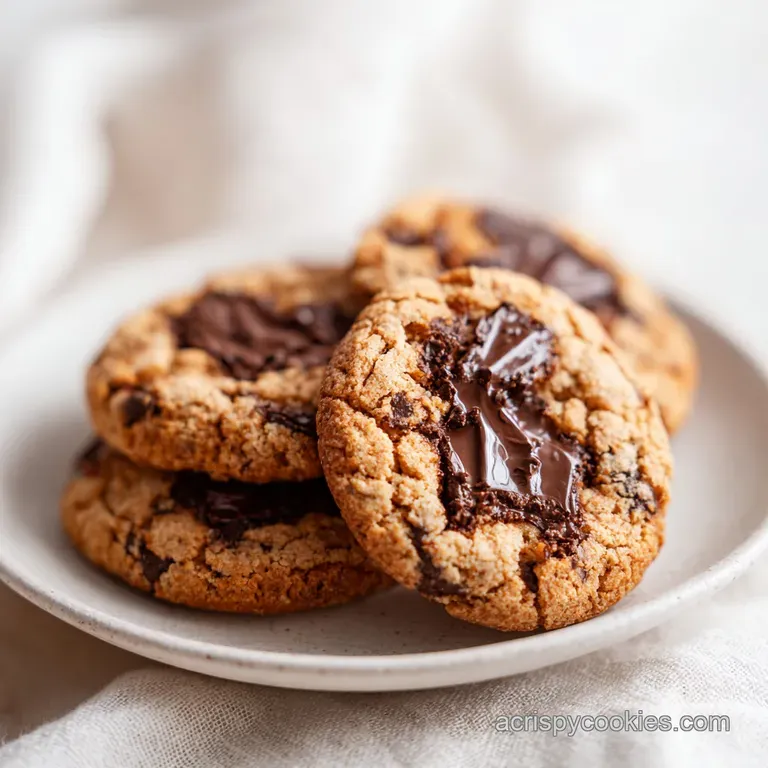
- Time: 15 min active + 2 hours chilling = Total 2 hours 25 mins
- Flavor/Texture Hook: Shatter crisp edges with a velvety, gooey center
- Perfect for: High end dessert platters or a late night craving
- Reasons For The Chewy Texture
- The Ingredient Deep Dive
- The Essential Ingredient List
- Step-by-Step Baking Process
- Avoiding Common Baking Errors
- Troubleshooting Common Issues
- Adjusting The Batch Size
- Common Baking Misconceptions
- Storage and Scrap Tips
- Best Pairings for Cookies
- Recipe FAQs
- 📝 Recipe Card
I remember the first time I tasted a truly professional bakery cookie in a tiny shop in Soho. The edges had this distinct, brittle snap, but the second you hit the middle, it was like biting into a piece of fudge.
I spent months trying to replicate that contrast at home, but my cookies always ended up either like flat pancakes or dry biscuits.
The real breakthrough happened when I stopped using all purpose flour and started treating the dough like a fine pastry. It turns out the "magic" isn't in some secret ingredient, but in the patience of the chill and the protein count of the flour.
When you let the dough rest, the flour fully hydrates, and the sugars concentrate, leading to a deeper, almost toffee like flavor.
This Ultimate Chewy Chocolate Chip Cookies Recipe is my final answer to that Soho cookie. It’s a study in contrasts: the hit of sea salt against the rich semi sweet chocolate, and the thin, crispy rim against a center that stays soft and bendy.
Trust me, once you move to bread flour and an extra yolk, there is no going back.
Reasons For The Chewy Texture
To get that specific bend and chew, we have to manipulate how the dough reacts to heat and moisture. It isn't about adding more sugar, but about managing the structure of the cookie.
Protein Strength: Using bread flour instead of all purpose increases the gluten, which provides the "chew" and prevents the cookie from spreading too thin.
Fat Emulsification: Adding an extra egg yolk introduces more lecithin and fat, which creates a velvety crumb and a richer mouthfeel.
Starch Hydration: The 2 hour chill allows the flour to absorb all the liquid, which prevents the cookies from leaking butter and flattening out in the oven. According to Serious Eats, chilling the dough also allows the fats to solidify, ensuring a slower melt and a thicker result.
Sugar Balance: A higher ratio of brown sugar to white sugar adds moisture and acidity, which reacts with the baking soda to create a softer, denser interior.
| Method | Chill Time | Texture | Best For |
|---|---|---|---|
| Fast Bake | 0 mins | Thin & Crispy | Quick cravings |
| Classic | 2 hours | Thick & Chewy | Restaurant quality |
| Deep Rest | 48 hours | Toffee like | Maximum flavor |
The Ingredient Deep Dive
Before we start mixing, it's helpful to understand why these specific components are in the bowl. I've spent a lot of time swapping things out, and this specific combination is what cracks the code for that professional texture.
| Ingredient | Science Role | Pro Secret |
|---|---|---|
| Bread Flour | Structure | Higher protein for a "bendier" cookie |
| Extra Egg Yolk | Emulsifier | Increases richness and softness |
| Brown Sugar | Moisture | Creates the chewy, fudge like center |
| Sea Salt | Contrast | Cuts the sugar and enhances chocolate |
The Essential Ingredient List
I'm a stickler for measurements here. If you have a kitchen scale, use it, but volume works if you spoon and level your flour.
- 1 cup unsalted butter, softened Why this? Provides the fat needed for a velvety texture
- 1 cup brown sugar, packed Why this? Adds molasses flavor and moisture
- 1/2 cup granulated sugar Why this? Ensures the edges shatter when you bite them
- 1 large egg Why this? Provides structure and lift
- 1 large egg yolk Why this? The secret to the dense, chewy center
- 2 tsp vanilla extract Why this? Rounds out the sugar with floral notes
- 2 1/4 cups bread flour Why this? Higher protein for better chew. Check King Arthur Baking for protein comparisons
- 1 tsp baking soda Why this? Helps the cookies brown and rise slightly
- 1/2 tsp sea salt Why this? Balances the richness of the butter
- 2 cups semi sweet chocolate chips Why this? Holds its shape better than chopped bars
Ingredient Swaps
If you're missing something or have a dietary preference, here is what actually works without ruining the texture.
| Original Ingredient | Substitute | Why It Works |
|---|---|---|
| Bread Flour | AP Flour + 1 tbsp Cornstarch | Mimics the softness, though less "chewy" |
| Brown Sugar | Coconut Sugar | Similar moisture; Note: Adds a slight caramel/coconut taste |
| Semi Sweet Chips | Dark Chocolate (60%) | Deeper flavor. Note: Less sweet overall |
| Unsalted Butter | Salted Butter (Reduce Salt) | Same fat content. Note: Omit the added sea salt |
Step-by-step Baking Process
Right then, let's get into the actual work. This isn't a "throw it all in" kind of recipe - the order of operations matters.
Phase 1: Creaming and Emulsifying
- Beat the softened butter with brown sugar and granulated sugar on medium high. Mix for 2-3 minutes until pale and fluffy. Note: This incorporates air for a better lift
- Add the whole egg, the extra egg yolk, and the vanilla extract. Beat until the mixture is glossy and fully combined.
Phase 2: Incorporating Dry Ingredients
- In a separate bowl, whisk together the bread flour, baking soda, and salt.
- Turn the mixer to low and gradually add the flour mixture. Mix only until no streaks of white flour remain. Note: Overmixing here makes the cookies tough
- Fold in the semi sweet chocolate chips by hand using a spatula.
Phase 3: The Chill and Bake
- Cover the dough and refrigerate for at least 2 hours. This is non negotiable for the Ultimate Chewy Chocolate Chip Cookies Recipe.
- Preheat oven to 350°F (175°C) and scoop dough onto baking sheets lined with parchment paper or silicone mats.
- Bake for 10 minutes until edges are golden brown but centers remain soft.
Chef's Note: Use a cookie scoop for consistency. If the cookies look too soft in the center when you pull them out, don't panic. They set as they cool on the pan.
Avoiding Common Baking Errors
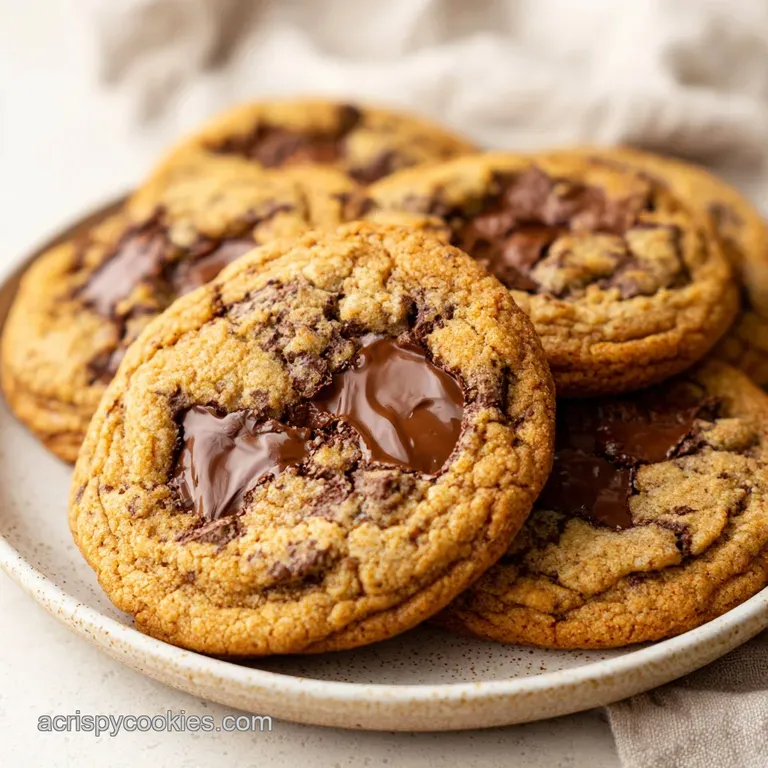
Most cookie disasters happen because of temperature. If your butter is too melty or your oven is off, the whole thing collapses.
Troubleshooting Common Issues
| Issue | Solution |
|---|---|
| Why Your Cookies Are Flat | This usually happens because the butter was too soft when you started, or you skipped the chilling phase. When butter melts too quickly in the oven, the cookie spreads before the flour can set. |
| Why Your Cookies Are Cakey | Too much flour is the culprit here. If you scoop your flour directly with the measuring cup, you pack it down and end up with way too much. Use a spoon to fill the cup instead. |
| Why Your Cookies Are Burnt | Your baking sheet might be too thin or your oven rack is too low. Always use parchment paper to create a thermal barrier between the metal and the dough. |
Mistakes Checklist:
- ✓ Did you avoid overmixing the flour?
- ✓ Is the butter softened but not melted?
- ✓ Did the dough chill for at least 2 hours?
- ✓ Are you using bread flour instead of all purpose?
- ✓ Did you pull them out while the centers still looked slightly underdone?
Adjusting The Batch Size
When you're making these for a crowd or just for yourself, you can't always just multiply everything by two.
Cutting it down (Half Batch) Use one egg but skip the extra yolk to keep the balance right, or beat one yolk and use half of it. Use a smaller baking sheet and reduce the bake time by about 1-2 minutes, as smaller batches can sometimes heat up faster.
Scaling up (Double Batch) Work in batches. If you crowd your mixer, the butter and sugar won't cream properly. Only increase the salt and baking soda to 1.5x instead of 2x to avoid a metallic taste.
Lower your oven temperature by 25°F and extend the time by 2-3 minutes if you're baking multiple sheets at once.
Decision Shortcut:
- If you want more "snap" → Increase white sugar by 2 tbsp.
- If you want a "fudgier" center → Add an extra 15 minutes of chilling.
- If you want a saltier finish → Sprinkle flaky sea salt on top immediately after baking.
Common Baking Misconceptions
I've seen a lot of "hacks" online that actually make the cookies worse. Let's clear a few things up.
The "Room Temp" Egg Myth Some people say it doesn't matter, but it does. Cold eggs can seize the creamed butter, breaking the emulsion and leading to a greasy cookie. Warm your eggs in a bowl of warm water for 5 mins.
Searing the Dough You can't "sear" a cookie. Some people try to melt the chips first or brown the butter excessively. While brown butter is great, if you overdo it, you lose the moisture needed for the chew.
Storage and Scrap Tips
Don't let your hard work go to waste. These cookies stay fresh longer than you'd think if you store them correctly.
Storage Guidelines Keep them in an airtight container at room temperature for up to 5 days. If you want them to stay velvety, put a slice of white bread in the container; the cookies will absorb the moisture from the bread. For longer storage, freeze the baked cookies for 3 months.
Zero Waste Tips If you have leftover dough scraps, roll them into tiny "button" cookies. They bake in about 5-6 minutes and are great for snacking. If you have a few leftover chocolate chips, melt them with a splash of cream for a quick dip for your cookies. You can also pair these with a velvety hot chocolate mix for a total chocolate overload.
Best Pairings for Cookies
To turn these into a real dessert experience, you need a bit of contrast. The richness of the Ultimate Chewy Chocolate Chip Cookies Recipe needs something to cut through the fat.
Try serving them warm with a scoop of velvety homemade ice cream. The cold cream melting into the warm chocolate is an unbeatable combination. If you want something lighter, a tart raspberry coulis or a fresh slice of Granny Smith apple provides the acidity needed to balance the brown sugar.
The Flavor Map:
- Sweet: Brown sugar and chocolate chips.
- Salty: Sea salt and salted butter.
- Rich: Extra egg yolk and bread flour.
- Texture: Shatter crisp edges vs. velvety center.
Recipe FAQs
What is the secret to a chewy chocolate chip cookie?
Using bread flour and an extra egg yolk. These ingredients create a denser, more bendable structure. If you enjoyed mastering texture control here, see how the same principle works in our Penn Station recipe.
What ingredient adds a chewy texture to cookies?
Brown sugar and bread flour. Brown sugar adds essential moisture and acidity, while bread flour provides the gluten needed for a chewy bite.
Is 375 or 350 better for chocolate chip cookies?
Stick with 350°F. This temperature ensures the edges brown perfectly while the centers remain soft and underbaked for a better chew.
What is Snoop Dogg's cookie recipe?
Snoop Dogg has his own version, but this is a different specialized recipe. This specific method prioritizes a 2-hour chill and bread flour to achieve a professional bakery result.
Why are my cookies coming out flat?
The butter was likely too soft or you skipped the chilling phase. When butter melts too quickly in the oven, the cookie spreads before the flour can set.
How to store these cookies to keep them soft?
Place them in an airtight container at room temperature. Add a slice of white bread to the container so the cookies absorb the moisture and stay velvety for up to 5 days.
Is it true that all-purpose flour is the best choice for chewiness?
No, this is a common misconception. Bread flour actually increases chewiness more than all-purpose flour due to its higher protein content.
Chewy Chocolate Chip Cookies: Crispy