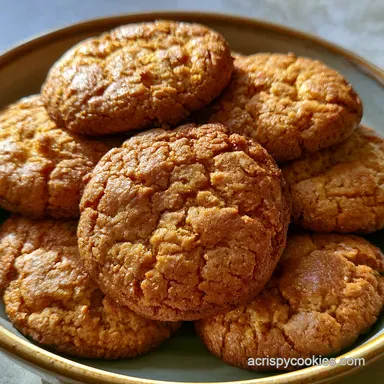
Grandma Krauses Coconut Cookies Recipe: Buttery and Chewy
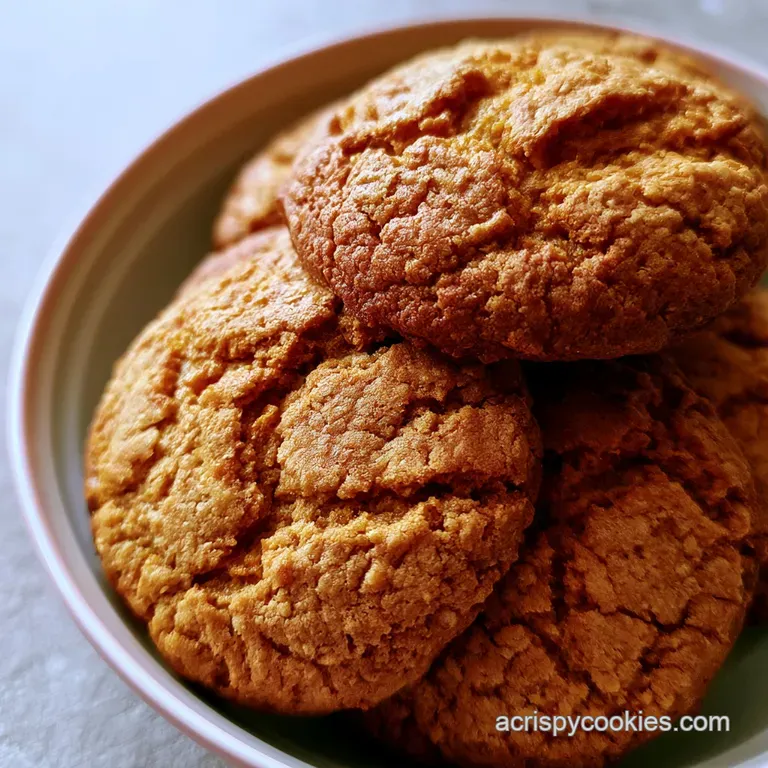
- Time: 20 min active + 12 min baking = Total 62 mins
- Flavor/Texture Hook: Toasted coconut aroma with a velvety, chewy crumb
- Perfect for: Holiday cookie swaps, rainy afternoon tea, or a little comfort baking
- Grandma Krauses Coconut Cookies Recipe
- Secrets Behind the Texture
- The Ingredient Breakdown
- Shopping List Breakdown
- Essential Baking Tools
- Step by Step Baking
- Fixing Common Baking Errors
- Troubleshooting Common Issues
- Fun Flavor Twists
- Adjusting the Batch Size
- Truths About Coconut Baking
- Storage and Freshness Tips
- The Best Pairings
- Recipe FAQs
- 📝 Recipe Card
Grandma Krauses Coconut Cookies Recipe
The smell of toasted coconut hitting a hot oven is a sensory trigger that takes me straight back to the 1990s. I remember standing on a stepstool in Grandma Krause's kitchen, the air thick with the scent of vanilla and browned butter.
She didn't use a fancy mixer for the final fold, just a worn out rubber spatula and a lot of patience, making sure every single shred of coconut was hugged by the dough.
These aren't those thin, crispy wafers you find in a grocery store. They're substantial, slightly nutty, and have this specific chew that only comes from the right ratio of coconut sugar to cane sugar.
If you've ever struggled with coconut cookies that either taste like cardboard or dissolve into a puddle of grease, you're in the right place.
The Grandma Krauses Coconut Cookies Recipe is about balance. We're looking for a cookie that holds its shape but remains tender. It's the kind of bake that makes your whole house smell like a tropical vacation, even if it's freezing outside. Let's crack on and get these in the oven.
Secrets Behind the Texture
I've spent a lot of time digging into why this specific combination of ingredients creates such a distinct mouthfeel. It's not just about the coconut, it's about how the sugars and fats interact.
The Sugar Split: Using both coconut sugar and cane sugar creates a complex sweetness. The coconut sugar brings a deep, caramel like note and retains moisture, while the cane sugar helps the edges get that slight shatter when you bite into them.
Fat Stabilization: Butter provides the flavor, but the shredded coconut acts as a structural stabilizer. Because the coconut absorbs some of the fat as it bakes, it prevents the cookie from spreading too thin.
Air Incorporation: Creaming the butter and sugar isn't just for show. It creates tiny air pockets that the baking soda then expands, giving us a lift that prevents the cookies from becoming dense bricks.
Moisture Control: The egg acts as the binder, but keeping it at room temperature is a non negotiable. Cold eggs can seize the creamed butter, leading to a broken batter and an uneven bake.
| Method | Time | Texture | Best For |
|---|---|---|---|
| Traditional Oven | 12 mins | Consistent gold edges | Batch baking |
| Stovetop (Dutch Oven) | 15 mins | Slightly softer bottoms | Small batches/No oven |
The difference between the oven and a stovetop method usually comes down to how the heat hits the bottom of the cookie. In a standard oven, the air circulates, giving us a more uniform toast.
If you're using a stovetop Dutch oven setup, you'll find the bottom browns faster, which some people actually prefer for a more "caramelized" base.
The Ingredient Breakdown
Before we get into the chemistry, let's look at the components. I've found that the quality of the shredded coconut makes or breaks the entire experience.
| Ingredient | Science Role | Pro Secret |
|---|---|---|
| Unsalted Butter | Flavor & Aeration | Use European style for higher fat content |
| Coconut Sugar | Moisture & Depth | Sift if you see large clumps |
| Shredded Coconut | Structure & Texture | Lightly toast it first for more punch |
| Baking Soda | Leavening | Always check the expiration date |
I once tried substituting the coconut sugar with just white sugar, and honestly, the result was bland. The coconut sugar is where that "Grandma's kitchen" depth comes from. It transforms the profile from a generic sweet treat to something that tastes like it's been simmering for hours.
Shopping List Breakdown
When you're heading to the store, don't just grab the first bag of coconut you see. You want the sweetened shredded variety for this specific version to match the original flavor profile.
- 1/2 cup (115g) unsalted butter, softened Why this? Provides the essential buttery base and creamy mouthfeel
- 1/2 cup (100g) coconut sugar Why this? Adds a caramel depth and keeps the center chewy
- 1/4 cup (50g) granulated cane sugar Why this? Ensures the edges crisp up nicely
- 1 large (50g) egg, room temperature Why this? Binds the dough and provides structure
- 1 tsp (5ml) pure vanilla extract Why this? Rounds out the coconut flavor with warmth
- 1 1/2 cups (190g) all purpose flour Why this? The standard for a reliable, sturdy crumb
- 1/2 tsp (3g) baking soda Why this? Creates the necessary lift and browning
- 1/4 tsp (1.5g) sea salt Why this? Cuts through the sugar to balance the taste
- 2 cups (200g) sweetened shredded coconut Why this? The star ingredient for texture and aroma
| Original Ingredient | Substitute | Why It Works |
|---|---|---|
| Coconut Sugar | Brown Sugar | Similar molasses notes. Note: Slightly sweeter, less "coconutty" |
| Cane Sugar | White Sugar | Same sweetness level. Note: Cookies will be slightly crispier |
| All Purpose Flour | Oat Flour | gluten-free alternative. Note: Denser texture, slightly nuttier |
| Butter | Coconut Oil (Solid) | dairy-free option. Note: More intense coconut flavor, less richness |
If you're looking for other ways to use coconut or oats in your baking, you might like my applesauce oatmeal cookies, which take a healthier approach to that chewy texture.
Essential Baking Tools
You don't need a professional kitchen to nail this, but a few specific tools make the process way smoother. I prefer a stand mixer such as KitchenAid for the creaming stage, but a hand mixer works just as well.
For the coconut folding, put the electric mixer away. A sturdy silicone spatula is your best friend here. If you over mix the flour and coconut with a machine, you'll develop too much gluten, and your cookies will be tough instead of tender.
Finally, use parchment paper or a silicone mat. Coconut cookies have a tendency to stick to bare pans because of the natural sugars in the shredded coconut, which can caramelize and act like glue.
Step by step Baking
Now, let's get into the rhythm of the Grandma Krauses Coconut Cookies Recipe. Pay attention to the scents - they're your best indicator of progress.
- Cream the softened butter and both sugars. Beat for 3-5 minutes until the mixture looks pale and fluffy. Note: This is where we build the air pockets for lift.
- Beat in the egg and vanilla extract. Mix until fully incorporated, ensuring no streaks of egg remain.
- Sift in the flour, baking soda, and salt. Mix on low speed just until the flour disappears. Note: Over mixing at this stage makes the cookies tough.
- Using a spatula, gently fold in the shredded coconut by hand. Mix until evenly distributed throughout the dough.
- Scoop rounded tablespoons of dough onto prepared baking sheets. Space them 2 inches apart to allow for slight spreading.
- Bake at 350°F (175°C) for 10–12 minutes. Wait until the edges are light golden brown and the center looks set but not dry.
- Remove from oven. Let them cool on the pan for 5 minutes to firm up before moving them.
- Transfer to a wire rack. Cool completely to allow the sugars to crystallize for that perfect chew.
Chef's Note: For a deeper flavor, try toasting your shredded coconut in a dry pan for 3 minutes before adding it to the dough. You'll smell a nutty, popcorn like aroma that transforms the cookie.
Fixing Common Baking Errors
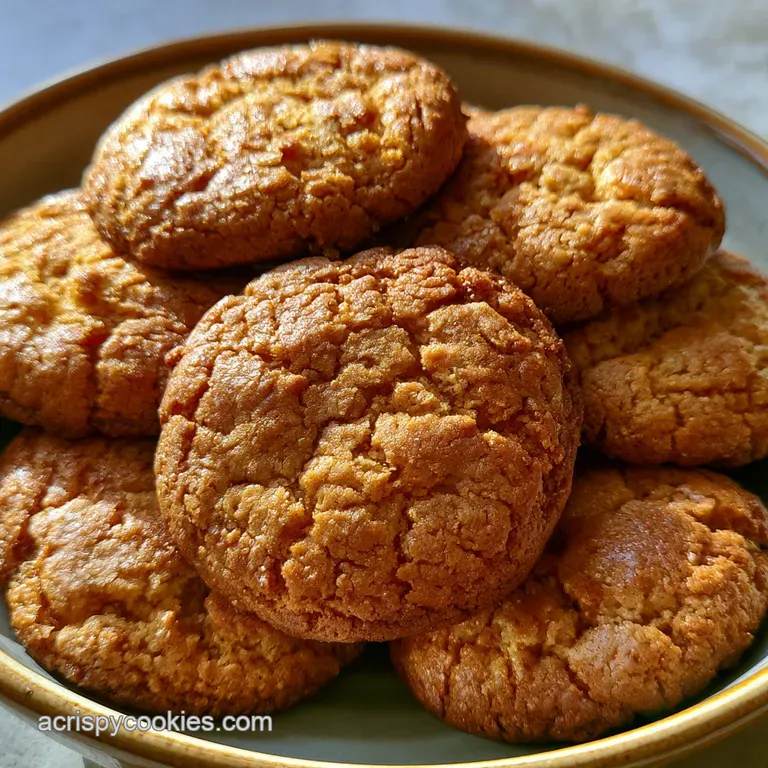
Even the best of us have batches that go sideways. Usually, it's a temperature issue.
Troubleshooting Common Issues
| Issue | Solution |
|---|---|
| Why Your Cookies Spread | If your cookies look more like pancakes, your butter was likely too soft or your oven wasn't quite up to temperature. When butter is too warm, it melts before the flour structure can set. |
| Why Coconut Burns | Coconut has a high fat content and can scorch quickly. If the tops are darkening too fast, your oven rack might be too high. Move it to the center position. |
| Why Dough Is Grainy | This usually happens when the egg is cold. The fat in the butter separates from the liquid in the egg, creating a curdled look. |
Common Mistakes Checklist
- ✓ Egg is truly at room temperature
- ✓ Flour was measured by weight or leveled off
- ✓ Butter is softened, not melted
- ✓ Coconut was folded by hand, not beaten
- ✓ Cookies were removed while edges were light gold, not dark brown
Fun Flavor Twists
Once you've mastered the base Grandma Krauses Coconut Cookies Recipe, you can start playing with the flavor profile. I love experimenting with additions that cut through the richness of the coconut.
Creating a Coconut Ginger Twist
Add 1 teaspoon of ground ginger to the dry ingredients and a tablespoon of finely minced crystallized ginger to the coconut fold. The spice provides a sharp contrast to the sweet coconut, making it feel more sophisticated.
Making Buttery Coconut Oatmeal Cookies
Swap half of the all purpose flour for quick cooking oats. This adds a heartier chew and a rustic look. It's a great way to make these feel more like a breakfast treat.
Swapping for a Vegan Version
Use a high-quality vegan butter stick and a flax egg (1 tbsp ground flax + 3 tbsp water). You'll lose a bit of the lift from the egg, but the coconut flavor remains dominant.
If you're in the mood for something even more decadent to serve alongside these, my velvety hot chocolate mix is the ultimate pairing. The deep chocolate notes complement the toasted coconut perfectly.
Adjusting the Batch Size
Scaling a recipe isn't always as simple as doubling the numbers, especially in baking where ratios are everything.
Scaling Down (Half Batch) If you only need 12 cookies, use 1/4 cup butter and half the sugars. For the egg, beat one large egg in a small bowl and use exactly 25g (about half). Reduce the baking time by about 2 minutes and keep a close eye on them.
Scaling Up (Double Batch) When doubling, be careful with the leavening. Increase the salt and baking soda to 1.5x instead of 2x to avoid a metallic aftertaste. Work in batches on your baking sheets; overcrowding the oven can drop the temperature and lead to uneven baking.
Baking Large Volumes If you're baking 48 or more cookies, lower your oven temp to 325°F (160°C) and extend the time by 2-3 minutes. This prevents the outside from burning while the sheer volume of cookies in the oven absorbs the heat.
Truths About Coconut Baking
There are a few things people say about coconut cookies that just aren't true. Let's clear the air.
Myth: You must use coconut oil for the best flavor. Actually, butter is superior here. Coconut oil is 100% fat, whereas butter contains water and milk solids. Those solids are what brown and create the complex flavor. Coconut oil makes the cookies too greasy.
Myth: Sifting flour is a waste of time. In a coconut cookie, it's actually helpful. Because we use baking soda and salt in small amounts, sifting ensures you don't get a "salty pocket" in one cookie and none in another.
Myth: Room temperature butter means "microwave for 10 seconds." Please don't do this. Microwaved butter often has "hot spots" where the fat has actually melted. This ruins the creaming process and leads to the flat cookie problem we talked about earlier.
Storage and Freshness Tips
To keep these cookies from going stale, you need to protect them from the air. Coconut can absorb surrounding scents, so an airtight container is a must.
Fridge and Counter Storage On the counter, these stay fresh for about 5 days in a sealed container. In the fridge, they'll last up to 2 weeks, but the texture becomes much firmer. I recommend a quick 10 second zap in the microwave to bring back that velvety chew.
Freezing for Later These freeze beautifully. Wrap them individually in parchment paper and place them in a freezer bag. They'll stay good for 3 months. Thaw them at room temperature for an hour, or warm them slightly in the oven at 300°F for 5 minutes.
Zero Waste Tips If you have leftover shredded coconut, don't toss it. You can toast the remainder and sprinkle it over oatmeal or yogurt. If you have a bit of butter and sugar left in the bowl, scrape it all into a small ramekin and bake it as a "tester" cookie.
The Best Pairings
Because the Grandma Krauses Coconut Cookies Recipe is so rich and buttery, you want pairings that provide a bit of acidity or a contrasting flavor.
A strong, black coffee or a tart Earl Grey tea is the gold standard here. The bitterness of the coffee cuts right through the sweetness of the coconut sugar. If you're serving these at a party, a platter of fresh raspberries or sliced green apples provides a bright, acidic balance.
For a real treat, serve these warm with a scoop of vanilla bean ice cream. The heat from the cookie slightly melts the ice cream, creating a creamy sauce that blends with the toasted coconut. It's an investigative flavor experience that transforms a simple cookie into a restaurant quality dessert.
Recipe FAQs
How long do these cookies last?
Five days on the counter. Store them in an airtight container so they don't pick up other smells from your kitchen.
Why did my cookies spread too much?
Your butter was likely too soft or the oven was too cool. This happens when the fat melts before the flour structure has a chance to set.
Why is the coconut on top burning?
Your oven rack is likely too high. Coconut has a high fat content and scorches easily, so keep the tray in the center of the oven.
Why is my cookie dough grainy?
The egg was too cold. This causes the butter to separate from the liquid, resulting in a grainy texture instead of a smooth dough.
How to incorporate the shredded coconut?
Gently fold the coconut in by hand using a spatula. Do this after the dry ingredients are mixed to ensure the coconut is evenly distributed.
Is it true that beating the flour for several minutes makes the cookies softer?
No, this is a common misconception. Mix on low speed only until the flour disappears to avoid overworking the dough.
Can I use a sugar substitute for the coconut sugar?
Yes, most granulated sugar alternatives work. If you are cutting back on sugar, you might enjoy the texture of our sugar free cookies.
Grandma Krauses Coconut Cookies: Chewy