Homemade Hoagie Rolls Recipe
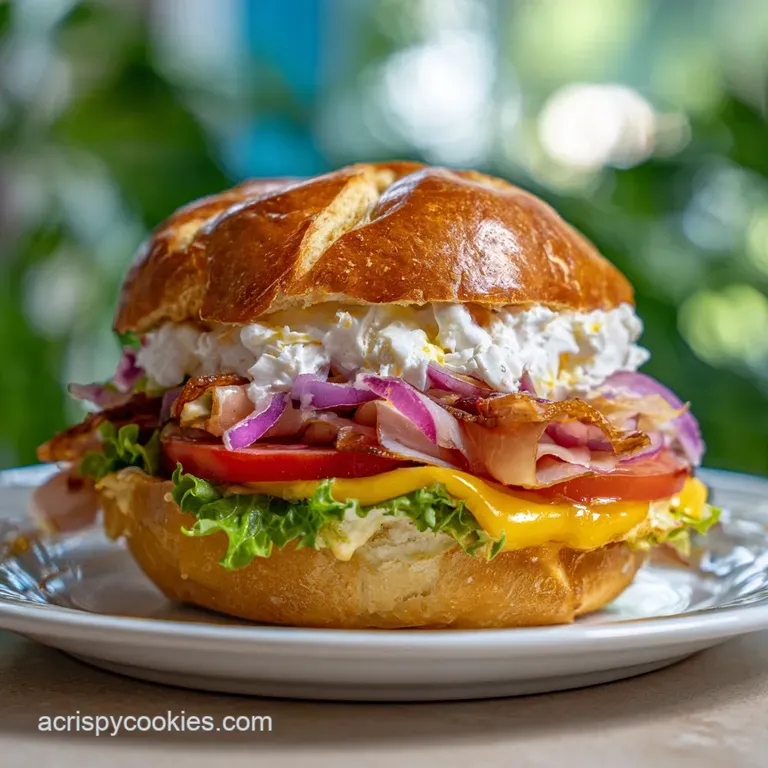
- Time: Active 20 minutes, Passive 1 hours 15 mins, Total 1 hours 35 mins
- Flavor/Texture Hook: A shatter crisp crust with a velvety, resilient crumb
- Perfect for: Overstuffed Philly cheesesteaks or messy meatball subs
- Creating the Perfect Homemade Hoagie Bun
- Why This Works
- Vital Statistics for Baking Success
- Selecting the Best Bread Components
- Essential Elements for Bread Success
- Tools for a Professional Finish
- Essential Steps for Best Texture
- Solving Common Baking Failure Points
- Flavor Variations and Easy Swaps
- Scaling the Recipe
- Myths about Bread Baking
- Long Term Bread Storage Tips
- The Best Ways to Serve
- Hoagie Bun FAQs
- 📝 Recipe Card
Creating the Perfect Homemade Hoagie Bun
The kitchen was dead quiet except for the rhythmic thwack of dough hitting the counter. I remember the exact moment I realized I’d been doing it all wrong. I had spent forty dollars on prime ribeye for cheesesteaks, only for the store-bought rolls to dissolve into a gummy, pathetic paste under the weight of the onions and grease.
It was heartbreaking. I stood there, looking at a plate of what could only be described as meat flavored sludge, and decided right then that the bread needed to be the structural engineer of the sandwich.
After months of messy trials and several "bread bricks" that could have doubled as doorstops, I found the balance. It’s all about the tension. When you pull a fresh tray out of the oven, the aroma isn't just "yeasty" it’s deep, almost like toasted nuts, thanks to a tiny bit of malt.
The sound when you squeeze one? A distinct crackle that promises the crust will stand its ground against whatever sauce you throw at it.
This isn't a soft, squishy dinner roll masquerading as a sub. This is a sturdy, professional grade vessel. We’re going to use a high protein flour and a specific hydration level to ensure the crumb stays bouncy.
You'll learn why we don't just "let it rise" but actually build a "skin" on the dough to give it that iconic bakery shape. Trust me, once you hear that first roll shatter under your knife, you’re never going back to plastic wrapped bags.
Why This Works
- Enzymatic Browning: Diastatic malt powder breaks down starches into simple sugars, feeding the yeast faster and creating a deeply bronzed crust without overcooking the interior.
- Protein Scaffolding: Using bread flour with at least 12.7% protein creates a dense gluten network that prevents the roll from collapsing under heavy toppings.
- Steam Saturation: Introducing moisture in the first ten minutes of baking delays crust formation, allowing the dough to expand fully before the outer layer sets.
- Controlled Fermentation: The addition of honey provides an immediate fuel source for the yeast, ensuring a rapid but stable rise in under 90 minutes.
Vital Statistics for Baking Success
Before you start mixing, it’s helpful to see how this homemade version stacks up against the convenience of the grocery store. It helps you decide if you have the time for the "real deal" today.
| Feature | Homemade Artisan | store-bought Shortcut | Outcome Trade off |
|---|---|---|---|
| Texture | Shatter crisp crust | Soft and pliable | store-bought lacks structural integrity |
| Crumb | Resilient/Bouncy | Airy/Sponge like | Homemade holds sauce without soaking |
| Shelf Life | 2 days (natural) | 7-10 days (preservatives) | Homemade is best eaten within 48 hours |
Right then, let's talk about the components that make this bread work. It isn't just a list of things to buy; it’s a specific chemical interaction that happens on your counter. Using the right flour is the difference between a baguette and a hoagie.
Selecting the Best Bread Components
| Ingredient | Science Role | Pro Secret |
|---|---|---|
| Bread Flour (500g) | Gluten formation | Weigh it. Volume measurements vary by 20% |
| Diastatic Malt | Enzyme activity | It’s the "bakery smell" secret weapon |
| Warm Water (355ml) | Yeast activation | Keep it at 110°F (43°C) exactly |
| Melted Butter (28g) | Crumb tenderness | Fat coats flour to prevent tough strands |
Essential Elements for Bread Success
I’ve tested this with various brands, and honestly, bread flour like King Arthur is the gold standard here because of the high protein. If you use all purpose, your rolls will be tasty but might go flat like a pancake.
- 1.5 cups (355ml) warm water: Use filtered water if your tap smells strongly of chlorine; it can slow down yeast. Why this? Hydration level is key for a soft interior.
- 2.25 tsp (7g) active dry yeast: One standard packet. Ensure it’s fresh or your buns won't rise. Why this? Provides the lift and classic bread aroma.
- 1 tbsp (21g) honey: Real honey, not flavored syrup. Why this? Acts as a humectant to keep bread moist.
- 4 cups (500g) high protein bread flour: The muscle of the recipe. Why this? Creates the strength needed for sub rolls.
- 2 tsp (12g) fine sea salt: Don't use coarse salt; it won't dissolve fast enough in the dough. Why this? Regulates yeast growth and adds flavor.
- 2 tbsp (28g) unsalted butter, melted and cooled: Ensure it's not hot enough to kill the yeast. Why this? Adds a velvety richness to the bite.
- 1 tsp diastatic malt powder: Found online or in specialty shops. Why this? Improves rise and creates a golden crust.
- 1 large egg white + 1 tbsp water: For the wash. Why this? Creates a shiny, professional looking finish.
Substitution Table
| Original Ingredient | Substitute | Why It Works |
|---|---|---|
| Honey | Granulated Sugar | Feeds yeast similarly but loses the humectant benefit |
| Diastatic Malt | 1 tsp Honey (Extra) | Won't help with enzymes but adds sugar for browning |
| Unsalted Butter | Neutral Oil | Adds fat but you lose the dairy rich flavor |
Tools for a Professional Finish
You don't need a professional bakery, but a few specific tools make this much easier. A bench scraper is non negotiable for me; it’s like an extension of your hand for moving sticky dough. I also highly recommend using a digital scale.
Bread is a game of ratios, and a "cup" of flour can weigh anywhere from 120g to 160g depending on how hard you pack it.
If you don't have a stand mixer, you can do this by hand, but be prepared for a workout. The dough is slightly tacky, so a mixer with a dough hook keeps things cleaner and ensures the gluten is fully developed. Finally, a spray bottle filled with water is your best friend.
Spritzing the oven creates that professional steam injected environment that makes the crust truly shatter.
Essential Steps for Best Texture
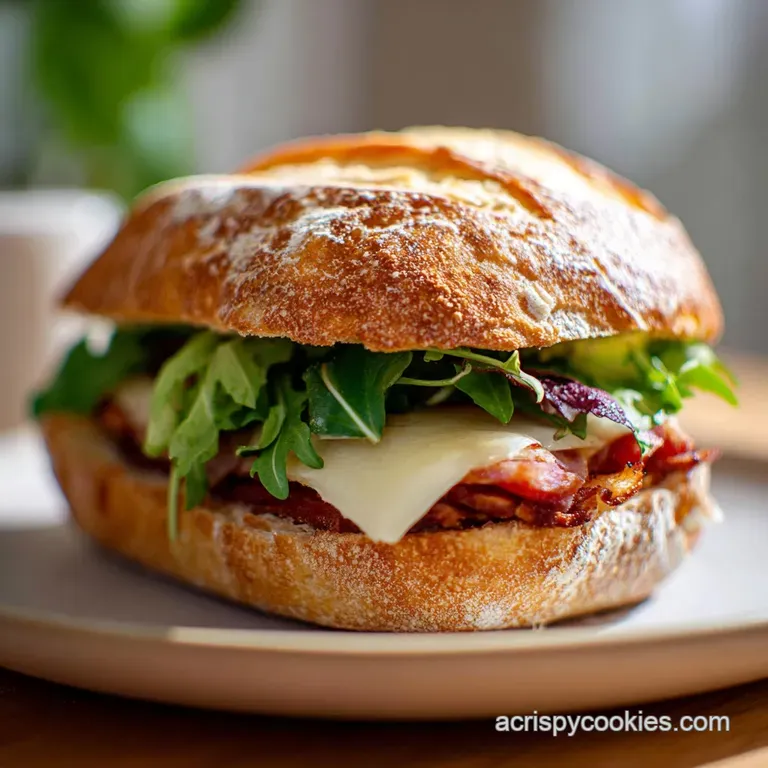
- Bloom the yeast. Combine 1.5 cups warm water, honey, and 2.25 tsp yeast in your mixer bowl. Note: Wait 5 minutes until a thick, foamy head appears.
- Mix the base. Add the 500g bread flour, salt, malt powder, and 2 tbsp melted butter. Mix on low until no dry flour remains.
- Develop the gluten. Increase speed to medium and knead for 6 minutes until the dough pulls away cleanly from the sides.
- First rise. Cover the bowl and let it sit in a warm spot for 30 minutes until nearly doubled in size.
- Divide and conquer. Turn dough onto a lightly floured surface and divide into 6 equal portions (about 150g each).
- Shape the rolls. Flatten each piece into a rectangle, then roll it up tightly like a sleeping bag. Note: Tension on the outer skin is vital for the rise.
- Final proof. Place on a parchment lined tray, cover loosely, and rest for 30 minutes until puffy and light.
- The finish. Whisk the egg white and 1 tbsp water, then brush onto each roll. Score the tops with a sharp knife.
- Bake with steam. Set oven to 400°F (200°C) and bake for 20 minutes until a deep mahogany brown.
- Cool down. Transfer to a wire rack immediately. Note: This prevents the bottoms from becoming soggy.
Solving Common Baking Failure Points
Why Your Hoagie Bun Is Dense
If your rolls feel like heavy lead weights, the issue is usually temperature or timing. If the water was too hot, it killed the yeast before it could start. If the water was too cold, the yeast is just hibernating.
Also, if you skip the second rise, the air bubbles haven't had time to expand, leaving you with a tight, tough crumb.
Why the Crust Is Leathery
A leathery crust happens when the oven temperature is too low or the bread cooks for too long. You want a blast of high heat (400°F/200°C) to set the structure quickly. If you forget the egg wash, the crust can also become dull and tough instead of crisp and shiny.
| Problem | Root Cause | Solution |
|---|---|---|
| Rolls went flat | Over proofing | Reduce second rise by 10 minutes next time |
| Crust is too thick | Lack of steam | Spritz oven walls with water during first 5 mins |
| Dough won't rise | Dead yeast | Test yeast in warm water/sugar before adding flour |
Common Mistakes Checklist
- ✓ Check yeast expiration dates before starting (old yeast is the #1 failure).
- ✓ Use a thermometer for the water to ensure it's between 105°F and 110°F.
- ✓ Resist the urge to add too much extra flour; the dough should be slightly tacky.
- ✓ Steam the oven! Use a spray bottle or a pan of water on the bottom rack.
- ✓ Let the rolls cool completely before slicing or the interior will turn gummy.
Flavor Variations and Easy Swaps
Chef's Tip: If you want that "everything bagley" vibe on your subs, sprinkle a mix of poppy seeds, sesame seeds, and dried garlic over the egg wash before baking.
If you are looking for a more rustic, European feel, try the Baguette Recipe for Hoagies Style. Simply omit the butter and honey. This results in a leaner dough with a much harder, crunchier crust and a larger, irregular hole structure inside.
It’s brilliant for dipping into hearty stews or for a classic French dip sandwich where you really want the bread to soak up the jus.
For those who love a bit of heat, you can fold 50g of diced pickled jalapeños and 100g of sharp cheddar into the dough during the final minute of kneading. This creates "pockets" of flavor that melt into the bread as it bakes.
Just be sure to pat the jalapeños dry first, or the extra moisture will mess with your dough consistency.
Scaling the Recipe
- To make 3 rolls (Half): Use half of all ingredients. Since you can't easily use half an egg white, whisk the whole white and use roughly 1 tablespoon for the wash, discarding the rest.
- To make 12 rolls (Double): Double all ingredients, but keep the salt and yeast at 1.5x the original amount (3 tsp salt and 3.5 tsp yeast). This prevents the dough from rising too fast and losing flavor.
- Baking Multiple Trays: If doubling, swap the trays halfway through baking to ensure the bottom tray gets enough heat to brown the tops.
Myths about Bread Baking
One huge misconception is that you need to knead dough for 20 minutes to get good gluten. With high protein bread flour and a stand mixer, 6 to 8 minutes is usually plenty. Over kneading can actually lead to a "rubbery" bread that is hard to chew.
Another myth is that salt kills yeast on contact. While salt regulates yeast, a quick toss in the mixer won't hurt it; just don't let the salt sit directly on top of the yeast for twenty minutes before mixing.
Long Term Bread Storage Tips
Storage Guidelines These rolls are best the day they are made. If you have leftovers, keep them in a paper bag at room temperature for up to 24 hours. Avoid plastic bags if you want to keep the crust crisp, as plastic traps moisture and turns the crust soft.
For longer storage, slice the rolls and freeze them in a vacuum sealed bag or a heavy duty freezer bag for up to 3 months.
Zero Waste Ideas Don't you dare throw away stale rolls! Cut them into cubes, toss with olive oil and herbs, and bake at 350°F (180°C) for 15 minutes to make the best croutons you've ever had.
Alternatively, pulse them in a food blender for fresh breadcrumbs that freeze beautifully. Even the ends of the rolls can be saved in a "scrap bag" in the freezer for stuffing or bread pudding later.
The Best Ways to Serve
For a Classic Philly Style, slice the bun three quarters of the way through (don't cut all the way!) so it creates a hinge. This helps hold the juices of the ribeye and melted provolone without everything falling out the back.
If you’re doing a Toasted Meatball Sub, brush the inside of the sliced roll with garlic butter and broil it for 60 seconds before adding the meatballs. This creates a "fat barrier" that prevents the marinara sauce from making the bread soggy.
Honestly, even a simple ham and cheese sandwich feels like a gourmet meal when the bread has this much personality. There’s something so satisfying about a roll that actually fights back a little when you bite into it. Happy baking!
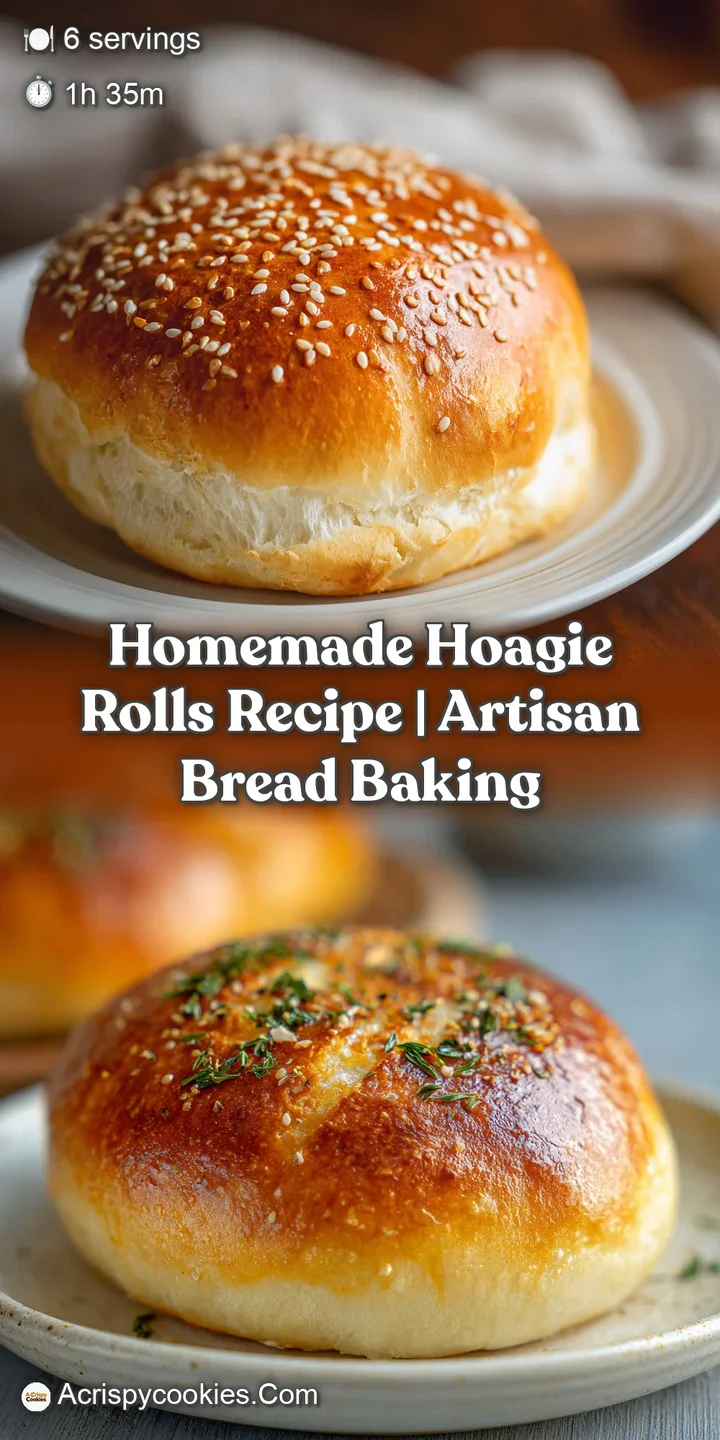
Hoagie Bun FAQs
Is a hoagie bun the same as a sub bun?
Yes, functionally they are the same. Both terms refer to a long, sturdy roll designed to hold heavy, wet fillings without disintegrating.
What kind of bread is a hoagie?
It is a lean, long hearth bread, similar to a French bâtard but softer. This recipe specifically uses high protein bread flour to create a resilient crumb capable of supporting heavy fillings.
What is the secret to soft hoagie rolls?
The secret is controlled steam during the initial baking phase. Introducing moisture in the first ten minutes delays crust formation, allowing the dough to fully expand before setting the exterior.
Why is it called a hoagie roll?
The name is rooted in Philadelphia regional slang for a submarine sandwich. The term originated near the Hog Island shipyard during World War I.
How do I ensure my homemade crust shatters instead of becoming leathery?
Bake at a high temperature (400°F/200°C) and use an egg white wash. The high initial heat sets the structure quickly, and the wash provides a thin, brittle exterior layer.
Can I make hoagie rolls ahead of time?
Yes, shape the dough up to 24 hours ahead and refrigerate it. This cold retardation develops flavor and can be baked directly from the fridge, slightly increasing the bake time.
Is it true that using all-purpose flour will ruin the roll structure?
No, it will not ruin them, but the structure will be compromised. All-purpose flour has lower protein, resulting in a softer, less resilient crumb that is more likely to flatten under heavy toppings.
Homemade Hoagie Buns Recipe
Ingredients:
Instructions:
Nutrition Facts:
| Calories | 347 kcal |
|---|---|
| Protein | 11.5 g |
| Fat | 4.6 g |
| Carbs | 66.2 g |
| Fiber | 2.3 g |
| Sugar | 2.9 g |
| Sodium | 785 mg |
