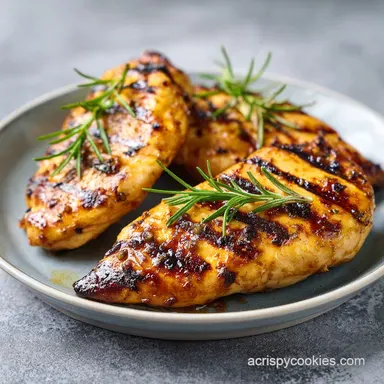
Chicken Marinade: Zesty Honey Lemon
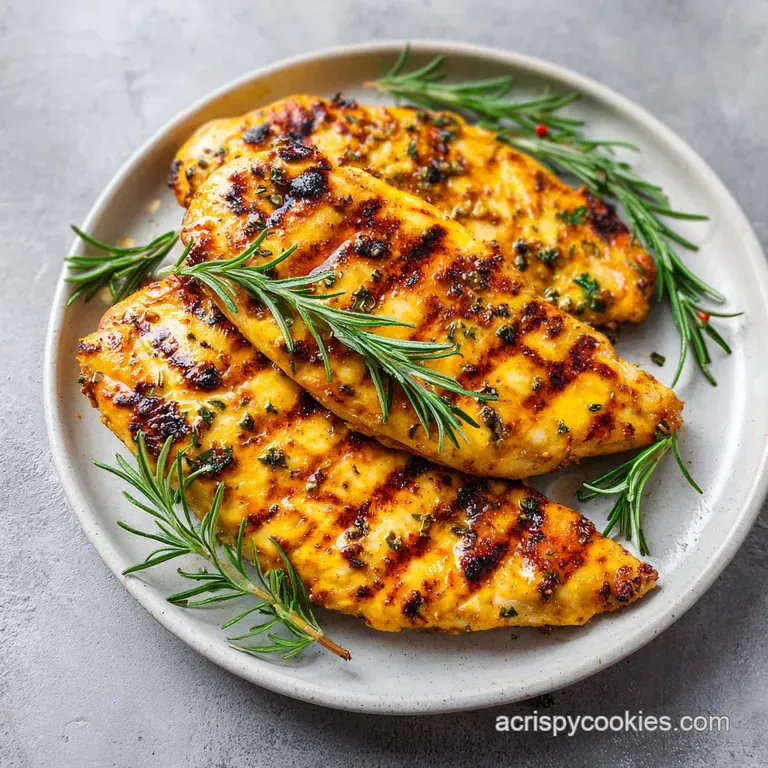
- Time: 10 min active + 30 min chilling = Total 60 mins
- Flavor/Texture Hook: Zesty, honey glazed, and velvety
- Perfect for: Weeknight dinner or meal prep
The Secret to This Chicken Marinade
The first thing you'll notice is that sharp, bright scent of fresh rosemary and lemon hitting the hot pan. It's a smell that instantly makes a kitchen feel like a bistro in Provence. For me, this recipe started with a disaster.
I once tried a "long soak" method and left my chicken in a heavy citrus bath for 12 hours. By the time it hit the grill, the meat had the texture of wet chalk. It was a total loss.
I realized that the key isn't how long you soak, but the balance of fat and acid. This specific Chicken Marinade is a quick win. You get the punchy flavor of a slow marinated dish but in a fraction of the time.
It's designed for those nights when you're exhausted but still want something that tastes like you spent all afternoon in the kitchen.
We're aiming for a result where the outside is deeply golden and the inside stays juicy. This isn't about complex techniques; it's about letting the ingredients do the heavy lifting. Trust me, once you see those honey glazed edges start to bubble, you'll never go back to plain seasoning.
The Trick Behind the Texture
Since we're working with protein, we have to handle the muscle fibers correctly. If you use too much acid, the meat breaks down too far and gets mealy. If you use too little, the flavor stays on the surface.
Acid Breakdown: Lemon juice and vinegar gently loosen the protein bonds, allowing flavor to penetrate deeper into the breast.
Sugar Caramelization: Honey provides simple sugars that brown quickly, creating a savory crust that traps juices inside.
Fat Barrier: Olive oil acts as a heat conductor, ensuring the meat cooks evenly and doesn't stick to the pan or grill.
Salt Infusion: Kosher salt draws the moisture and aromatics into the center of the meat through osmosis.
| Method | Prep Time | Texture | Best For |
|---|---|---|---|
| Stovetop | 10 mins | Searing/Charred | Quick weeknights |
| Oven | 10 mins | Even/Juicy | Larger batches |
| Grill | 10 mins | Smoky/Crispy | Summer hosting |
Ingredient Deep Dive
I like to think of myself as a flavor detective. To get a restaurant quality result, you have to understand what each component is actually doing. According to USDA FoodData, chicken breast is lean, which is why the fat content in our marinade is non negotiable.
| Ingredient | Science Role | Pro Secret |
|---|---|---|
| Lemon Juice | Fiber Tenderizer | Use fresh only; bottled lacks the brightness |
| Honey | Browning Agent | Adds a velvety cling to the meat |
| Olive Oil | Heat Transfer | Prevents the honey from burning too fast |
| Dijon Mustard | Emulsifier | Keeps the oil and acid from separating |
Equipment Needed
You don't need a fancy kitchen to make this work. I usually just grab whatever is in my drawer, but a few specific things make the process smoother.
First, a medium whisking bowl is essential. You need enough room to really whip that honey and mustard together. A Ziploc bag is my absolute favorite for the marinating phase. It allows you to push all the air out, meaning the meat is fully submerged in the liquid without needing a gallon of marinade.
For the cooking phase, a heavy cast iron skillet or a preheated baking sheet works best. If you're using a skillet, make sure it can handle high heat. The goal is to get a sizzle the moment the chicken hits the surface.
How to Make It
Right then, let's crack on with the actual process. Follow these steps to make sure you don't overcook the meat.
- Whisk together the olive oil, lemon juice, and apple cider vinegar in your bowl. Note: This creates the acidic base.
- Slowly whisk in the honey and Dijon mustard. Keep going until the mixture is thick and cohesive.
- Stir in the minced garlic, chopped rosemary, chopped thyme, salt, pepper, and paprika.
- Place the 1.5 lb chicken breasts into a large Ziploc bag.
- Pour the Chicken Marinade over the meat and seal the bag, squeezing out all the air.
- Massage the bag for about 30 seconds. Note: This ensures every nook and cranny is coated.
- Refrigerate for 30 minutes to 4 hours. Note: Don't go over 4 hours or the lemon will make the meat mushy.
- Heat your grill or oven to 400°F (200°C).
- Remove chicken from the bag and let the excess drip off.
- Cook for 6-8 minutes per side until a deep golden brown color develops and the internal temp is 165°F (74°C).
Pro Tips & Pitfalls
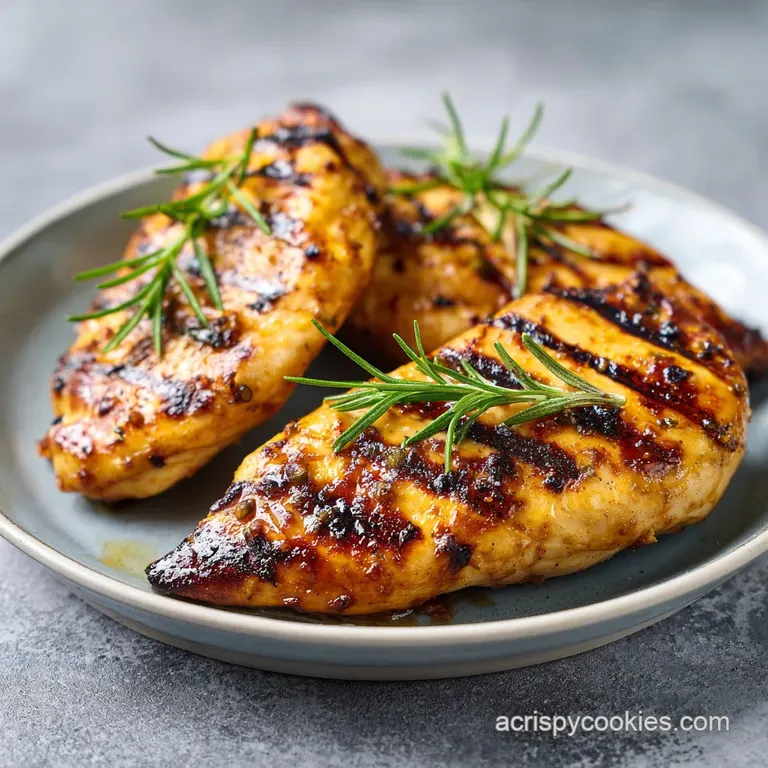
One mistake I once made was dumping the chicken straight from the fridge onto the pan. This causes the meat to seize up and cook unevenly. I always let my chicken sit on the counter for about 15 minutes before searing. It's a small step, but it's the difference between a rubbery breast and a juicy one.
If you're looking for more ways to handle chicken, my crispy skillet chicken thighs recipe uses a similar over high heat approach but with skin on meat. The logic is the same: get that sear first, then let the internal temp rise.
Chef's Note: Use a digital meat thermometer. Guessing the doneness of chicken breast is a gamble you'll eventually lose. Pull the meat at 160°F (71°C) and let it rest; carryover cooking will bring it up to the safe 165°F.
To Avoid "Rubbery" Chicken
When chicken breast overcooks, the proteins tighten and squeeze out all the moisture. This happens fast at 400°F. To prevent this, always rest your meat for 5 minutes before slicing.
To Prevent Burnt Edges
The honey in this Chicken Marinade can burn if the pan is screaming hot for too long. If you see the edges turning black too quickly, drop the heat slightly or add a tiny splash of oil to the pan.
For More Even Cooking
Pound your chicken breasts to an even thickness using a meat mallet or a heavy skillet. This ensures the thin end doesn't dry out while the thick center is still raw.
| Problem | Root Cause | Solution |
|---|---|---|
| Meat is mushy | Marinated too long | Stick to 4 hours max |
| Lack of crust | Pan wasn't hot enough | Wait for the oil to shimmer |
| Dry interior | Overcooked | Use a thermometer; pull at 160°F |
Common Mistakes Checklist:
- ✓ Did you squeeze the air out of the Ziploc bag?
- ✓ Did you let the meat rest for 5 minutes after cooking?
- ✓ Did you check the internal temp with a thermometer?
- ✓ Did you use fresh lemon juice instead of the bottled stuff?
- ✓ Did you pound the chicken to an even thickness?
Dietary Adaptations
Depending on what you're eating, you might need to tweak the ingredients. This is the best chicken marinade ever because it's so flexible.
For a Paleo or Whole30 Twist
Swap the honey for maple syrup or a bit of date paste. Most Paleo followers avoid honey, but maple syrup provides that same sugar for browning.
For a Spicy Kick
Add a teaspoon of crushed red pepper flakes or a dollop of Sriracha into the emulsion. The heat cuts through the sweetness of the honey beautifully.
For a Low Sodium Version
Reduce the kosher salt to 1/2 tsp. Since the Dijon mustard and apple cider vinegar already have a salty, tangy profile, you can get away with less added salt.
| Original Ingredient | Substitute | Why It Works |
|---|---|---|
| Honey (2 tbsp) | Maple Syrup (2 tbsp) | Similar sweetness and viscosity. Note: Adds a slight woody flavor |
| Apple Cider Vinegar | White Wine Vinegar | Similar acidity level. Note: Slightly sharper taste |
| Fresh Rosemary | Dried Rosemary (1 tsp) | Same herbal profile. Note: Much more potent; use less |
| Olive Oil | Avocado Oil | High smoke point. Note: Neutral flavor, better for very high heat |
If you're looking for a more complex meal, you could serve this with a Street Corn Chicken Bowl by using the marinated chicken as the protein base.
Scaling the Batch
When you're cooking for a crowd, you can't just multiply everything by four. Spices and acids don't always scale linearly.
Scaling Down (½ Batch): Use 0.75 lb of chicken. Reduce the cooking time by about 20% since the smaller pieces will heat through faster. If the recipe calls for an egg (not here, but generally), beat one and use half.
Scaling Up (2x-4x Batch): If you're doubling the recipe, only increase the salt and paprika by 1.5x. Over salting is a common issue when scaling. For the liquids, you can reduce the total volume by about 10% because the chicken will be more crowded in the bag, leading to better saturation.
For those baking large quantities, I recommend lowering the oven temp to 375°F (190°C) and extending the time. This prevents the outside from burning before the middle is cooked.
Fact Checking Common Beliefs
There are a few things people always say about marinating that just aren't true. As a flavor detective, I like to look at the facts.
The "Sealing" Myth: Many people think searing meat "seals in the juices." It doesn't. Searing creates a crust (the Maillard reaction) which adds flavor, but moisture loss happens regardless of how you start the cook.
The "Longer is Better" Myth: You'll see recipes suggesting a 24 hour soak. For a chicken marinade ever based on acid (lemon/vinegar), this is a mistake. As mentioned before, too much acid turns the meat into mush. Serious Eats explains that acid breaks down the protein structure; too much of it creates an unappealing texture.
Storage Guidelines
If you have leftover marinade in the bag, do not use it as a sauce unless you boil it first. Since it has touched raw chicken, it's a food safety risk.
- Fridge Storage
- Cooked chicken stays great in an airtight container for 3-4 days. It's actually fantastic cold on a salad.
- Freezer Storage
- You can freeze the chicken inside the marinade. When you freeze it, the meat marinates as it thaws in the fridge, which is a massive time saver for meal prep. It lasts up to 3 months.
- Zero Waste Tip
- Don't throw away the lemon hulls! If you used a whole lemon, zest it first and save the zest in a small jar in the freezer for future pastas or cakes.
Serving Suggestions
This is the best chicken marinade ever because it pairs with almost anything. Because of the honey and rosemary, it has a "warm" flavor profile that works year round.
For a light dinner, serve it alongside steamed asparagus or a crisp arugula salad. The bitterness of the greens balances the sweetness of the honey. If you want something heartier, I suggest a side of wild rice or roasted root vegetables.
Since the chicken has a velvety glaze, it also goes great with a side of quinoa or farro. Just make sure to pour any resting juices from the cutting board back over the meat to keep it moist. This simple chicken marinade for oven or grill use transforms a boring breast into the star of the plate.
Recipe FAQs
What is the best marinade for chicken?
A balanced blend of acid, fat, and aromatics. Combining lemon juice and apple cider vinegar with olive oil tenderizes the meat while honey and fresh herbs create a deep, savory glaze.
Is chicken breast good for diabetics?
Yes, it is an excellent lean protein. Chicken breast is naturally low-carb, though those monitoring glucose should be mindful of the honey used in this specific marinade.
How to marinate chicken so it is juicy?
Massage the meat in a sealed bag for at least 30 minutes. Ensuring every inch is coated in olive oil and acid protects the fibers from drying out when cooked at 400°F.
What's the secret to flavorful chicken?
Layering fresh herbs with a touch of sweetness. The pairing of rosemary and thyme with honey creates a complex profile; if you enjoyed this flavor balancing, see how we use similar principles in our Italian chicken pasta.
Can I freeze chicken in the marinade?
Yes, this is a great meal prep shortcut. The chicken marinates naturally as it thaws in the refrigerator and stays fresh in the freezer for up to 3 months.
Can I use the leftover marinade as a sauce?
No, not unless you boil it first. Since the liquid touched raw poultry, it must be brought to a full boil to eliminate food safety risks before being served.
Is it true that marinating for 24 hours makes the meat mushy?
No, this is a common misconception. While excessive acid can break down fibers over several days, this recipe is optimized for 30 minutes to 4 hours for the best texture.
Chicken Marinade with Fresh Lemon