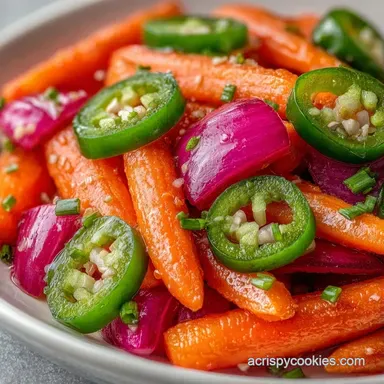
Pickled Carrots and Onions: Bright and Crisp
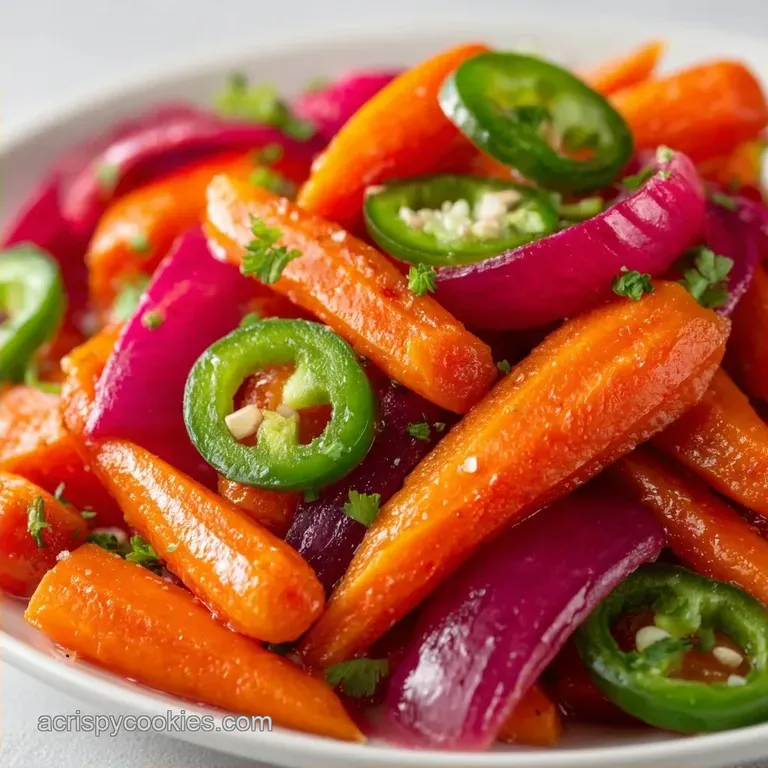
- Time: 10 min active + 1 hour chilling
- Flavor/Texture Hook: Shatter crisp vegetables with a tangy, acidic bite
- Perfect for: Tacos, banh mi, or brightening up a boring sandwich
- Making Pickled Carrots and Onions at Home
- Why Most Recipes Miss the Mark
- The Flavor Building Blocks
- The Necessary Kitchen Tools
- The Flavor Ingredients
- Clear Step-by-Step Process
- Stopping Common Pickle Mistakes
- Troubleshooting Common Issues
- Different Ways to Customize
- Storage and Zero Waste
- The Best Pairing Ideas
- High in Sodium
- Recipe FAQs
- 📝 Recipe Card
Making Pickled Carrots and Onions at Home
The smell of apple cider vinegar hitting a hot pan always reminds me of a specific taco truck in East LA. I used to think those bright, neon pink onions and orange carrots were the result of some secret, week long fermentation process.
I spent months trying to mimic that specific "snap" and zing, thinking I needed professional canning equipment or a cellar full of jars.
But here is the thing: you don't need to wait days for the flavor to sink in. Forget the idea that pickling is a slow game. The real trick is using heat to open up the cell walls of the vegetables, letting the brine slide right in.
This recipe for Pickled Carrots and Onions isn't about patience, it's about precision. You get that restaurant quality acidity and a vibrant color that doesn't fade. Once you try the hot brine method, you'll never go back to the "just pour and wait" approach.
Why Most Recipes Miss the Mark
Most home versions of this dish end up either too soft or completely bland in the middle. This happens because cold brine just sits on the surface of the vegetable. It takes forever to penetrate the core, which means you either wait a week or you eat raw carrots in vinegar.
Heat Penetration: Boiling the brine creates a vacuum effect when poured, pulling the salt and acid deep into the vegetable fibers.
Sugar Balance: Most people overdo the sugar, making it taste like candy. A small amount of sugar doesn't make it sweet; it just rounds off the harsh edges of the vinegar.
Salt Saturation: Using sea salt instead of table salt ensures the brine doesn't turn cloudy and keeps the crunch intact.
Cell Wall Integrity: Slicing the carrots diagonally increases the surface area, allowing more brine contact without needing to cook them.
| Method | Time | Texture | Best For |
|---|---|---|---|
| Hot Brine | 75 mins | Shatter crisp | Immediate use/Tacos |
| Cold Soak | 24 hours | Softer | Slow infusions |
| Quick Salt | 30 mins | Rubberier | Fast snacks |
The Flavor Building Blocks
I like to think of this as a flavor detective project. To get that copycat restaurant taste, you have to understand what each part is actually doing in the jar. It is not just about the vinegar.
Component Analysis
| Ingredient | Science Role | Pro Secret |
|---|---|---|
| Apple Cider Vinegar | Acid Base | Gives a fruitier, softer hit than white vinegar |
| Sea Salt | Osmosis | Draws out water to make room for the brine |
| Sugar | Buffer | Stops the vinegar from tasting like cleaning fluid |
| Garlic | Aroma | Smashed cloves release more oils than minced |
The Necessary Kitchen Tools
You don't need a lab, but using the right gear prevents the glass from cracking and the brine from evaporating.
- 1 Quart Mason Jar: This is the standard. Make sure it is sterilized with hot water first.
- Stainless Steel Saucepan: Avoid aluminum, as the acid in the vinegar can react with the metal and leave a metallic taste.
- Mandoline Slicer: Not mandatory, but if you want those paper thin onions that look professional, this is the way.
- Tongs: Essential for packing the vegetables tightly without bruising them.
The Flavor Ingredients
Get your produce fresh. If the carrots are limp from the store, they will be limp in the jar.
- 2 cups (250g) carrots, peeled and diagonally sliced Why this? Diagonal cuts provide a better brine to surface ratio
- 1 cup (150g) red onion, thinly sliced into half moons Why this? Red onions provide the vibrant pink color
- 2 medium (60g) jalapeños, sliced into rounds Why this? Adds a clean, sharp heat
- 2 cloves (6g) garlic, smashed Why this? Smashed cloves infuse without overpowering
- 1 cup (240ml) apple cider vinegar Why this? Balanced acidity with a hint of apple
- 1 cup (240ml) filtered water Why this? Prevents chlorine tastes from tap water
- 2 tbsp (25g) granulated sugar Why this? Balances the sharp acid
- 1 tbsp (18g) sea salt Why this? Coarse salt preserves the crunch better
- 1 tsp (2g) black peppercorns Why this? Adds a subtle woody depth
- 1 bay leaf Why this? Adds a herbal, floral note
- ½ tsp (1g) dried oregano Why this? Gives it a Mexican inspired profile
| Original Ingredient | Substitute | Why It Works |
|---|---|---|
| Apple Cider Vinegar | White Vinegar | Sharper, more neutral taste. Note: Loses the fruitiness |
| Granulated Sugar | Honey | Natural sweetness. Note: May thicken the brine slightly |
| Red Onion | White Onion | Same crunch. Note: You lose the bright pink color |
| Jalapeños | Serrano Peppers | Similar heat. Note: Serranos are typically spicier |
Clear step-by-step Process
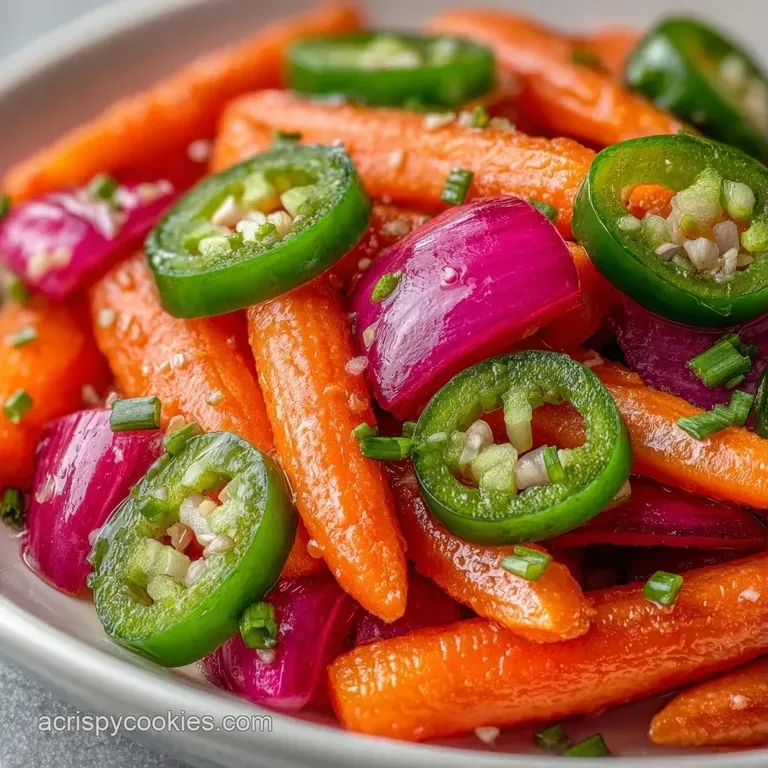
Follow these exactly. The timing of the pour is what separates a soggy pickle from a crunchy one.
- Pack the sliced carrots, red onions, jalapeños, and smashed garlic into a clean 1 quart mason jar. Note: Pack them tightly, but don't force them so much that they crush.
- Combine apple cider vinegar, water, sugar, salt, peppercorns, bay leaf, and oregano in a medium stainless steel saucepan.
- Bring the brine mixture to a rolling boil over medium high heat. Stir until the sugar and salt are completely dissolved and the liquid is clear.
- Carefully pour the boiling brine directly over the vegetables in the jar. Note: Ensure the liquid reaches the brim so no vegetables are exposed to air.
- Seal the lid immediately.
- Let the jar sit at room temperature. Wait until the glass is cool to the touch before moving it.
- Transfer the jar to the refrigerator.
- Chill for 1 hour. Wait for the colors to brighten and the flavors to set.
Stopping Common Pickle Mistakes
The most common complaint is that the vegetables lose their snap. This usually happens because the brine was either too salty or the vegetables were packed too loosely. If you find your veggies are bland, you probably didn't let the brine boil fully, meaning the salt didn't integrate.
Troubleshooting Common Issues
| Issue | Solution |
|---|---|
| Why Your Veggies Softened | If the carrots feel limp, it is often due to the sugar to salt ratio being off, or leaving the jar in the sun. The boiling brine should be poured and then cooled quickly. |
| Why Brine Looks Cloudy | Cloudiness is usually caused by impurities in the water or using iodized table salt. |
| Why Flavor is Dull | If it tastes like plain vinegar, you likely skipped the "rolling boil" phase. The spices, especially the bay leaf and oregano, need that heat to release their essential oils. |
Common Mistakes Checklist
- ✓ Did you use filtered water?
- ✓ Is the brine a rolling boil before pouring?
- ✓ Are the vegetables packed tightly?
- ✓ Did you wait 1 hour before tasting?
- ✓ Is the jar sealed immediately after the pour?
Different Ways to Customize
Once you have the base down, you can tweak this recipe to fit different cuisines. This is where you can get creative with the spice profile.
For a Vietnamese "Do Chua" Vibe
Skip the oregano and bay leaf. Use a higher ratio of sugar and a splash of rice vinegar. This version is essential for Korean Beef Bowls or traditional banh mi.
For a Spicy Mexican Twist
Double the jalapeños and add a sliced habanero. For a more authentic earthiness, use Mexican oregano. You can substitute with regular oregano, but the Mexican version has a citrusy lemon flavor that works better here.
For a Low Sugar Version
You can replace the granulated sugar with a monk fruit sweetener or simply omit it. The result will be much sharper and more aggressive. If you go this route, add a thinly sliced apple to the jar for a natural, subtle sweetness.
| Variation | Key Change | Flavor Profile |
|---|---|---|
| Banh Mi Style | Rice Vinegar + More Sugar | Sweet, mild, aromatic |
| Fire Starter | Habanero + Extra Garlic | Intense heat, pungent |
| Garden Fresh | Dill + Mustard Seeds | Classic deli style |
Storage and Zero Waste
These Pickled Carrots and Onions stay crisp in the fridge for about 3 weeks. Just make sure you use a clean fork every time you grab some. If you use your fingers, you introduce bacteria that will make the brine cloudy and the vegetables soft.
Storage Guidelines - Fridge: 3 weeks. Keep the lid tight and the veggies submerged. - Freezer: Do not freeze. The water in the vegetables will expand and destroy the cell walls, leaving you with mush.
Zero Waste Tips Don't throw away the leftover brine! It is basically a pre seasoned vinaigrette. Use it to marinate grilled chicken or whisk it with a bit of olive oil for a fast salad dressing. If you have leftover carrot peels, toss them into a freezer bag for your next batch of vegetable stock. If you love this style of preserving, you should definitely try making Sweet Fridge Pickles with a similar method.
The Best Pairing Ideas
The beauty of these vegetables is their versatility. Because they are so acidic, they work as a "palate cleanser" for rich foods.
- Tacos and Carnitas: The fat from the pork needs the sharp hit of the onions to feel balanced.
- Avocado Toast: Pile these on top of smashed avocado and a poached egg for a breakfast that actually tastes like it came from a bistro.
- Grain Bowls: Stir them into quinoa or farro with some roasted chickpeas for a burst of color and flavor.
- Burger Topper: Replace your standard raw onion with these. The pickling removes the "burn" of raw onion while keeping the crunch.
Right then, you've got everything you need. It's a fast process, and the result is something that makes any meal feel like you put in way more effort than you actually did. Trust me on this, keep a jar of these in your fridge at all times.
High in Sodium
1100 mg 1100 mg of sodium per serving (48% 48% of daily value)
The American Heart Association recommends a daily sodium limit of 2,300mg to maintain optimal heart health and blood pressure.
Tips to Reduce Sodium
-
Reduce Sea Salt-25%
Cut the sea salt by half. Because the apple cider vinegar provides a strong acidic punch, you can significantly lower the salt without losing the 'pickled' character.
-
Use Salt Alternatives-20%
Substitute a portion of the salt with a potassium-based salt substitute to maintain the savory profile while reducing actual sodium intake.
-
Boost Acidity-10%
Add a squeeze of fresh lemon or lime juice to the brine. This adds a bright, sharp flavor that mimics the taste of salt, allowing you to use less of it.
-
Enhance Aromatics
Increase the amount of dried oregano or add a pinch of red pepper flakes to build a more complex flavor profile without adding any sodium.
Recipe FAQs
Can I pickle onions and carrots together?
Yes, they work great together. The red onions add a sharp contrast and vibrant color that complements the natural sweetness of the carrots.
What vinegar is best for pickling carrots?
Apple cider vinegar is the best choice. It provides a mellow acidity and fruity undertone that balances the sugar and salt in the brine perfectly.
Do carrots have to be cooked before pickling?
No, use them raw. The rolling boil of the brine is sufficient to infuse flavor while maintaining a satisfying, crisp texture.
Do you peel carrots before you pickle them?
Yes, peel them first. Removing the skin ensures a cleaner mouthfeel and a more professional, bright appearance in the jar.
How do I make these homemade vegetable pickles?
Pack the vegetables tightly into a clean mason jar. Pour boiling brine over the top, then seal and refrigerate. If you enjoyed mastering the quick-brine technique here, see how the same principle works in our pickled bell peppers.
Is it true that I can use store-bought pickle juice to make more pickles?
No, this is a common misconception. store-bought juice lacks the precise concentration of fresh salt and sugar needed to preserve new vegetables and maintain their crunch.
Why are my pickled vegetables softening?
This is usually caused by an incorrect sugar-to-salt ratio or heat exposure. Ensure you cool the jar quickly after adding the brine and avoid storing the jar in direct sunlight.
Pickled Carrots and Onions: Mexican