Silky Condensed Milk Icing
- Time: Active 15 minutes, Passive 0 minutes, Total 15 minutes
- Flavor/Texture Hook: Velvety, milky, and intensely creamy
- Perfect for: High precision piping, summer celebrations, and beginner bakers
- How to Master Velvety Smooth Condensed Milk Icing
- Why This Emulsion Stays Stable
- Precision Metrics for Success
- Choosing High Quality Components
- Essential Tools for Aeration
- Step by Step Preparation
- Fixing Common Texture Issues
- Flavor and Texture Variations
- Long Term Storage Guidelines
- Best Uses for Topping
- Common Myths Debunked
- Recipe FAQs
- 📝 Recipe Card
How to Master Velvety Smooth Condensed Milk Icing
The first time I attempted a professional looking birthday cake, I ended up with a gritty, oversweet mess that crunched between my teeth. I had followed a standard American buttercream recipe, but the powdered sugar simply wouldn't play nice with my butter in the humid July heat.
Then, I discovered the magic of Russian style buttercream this incredible Condensed Milk Icing that changed everything.
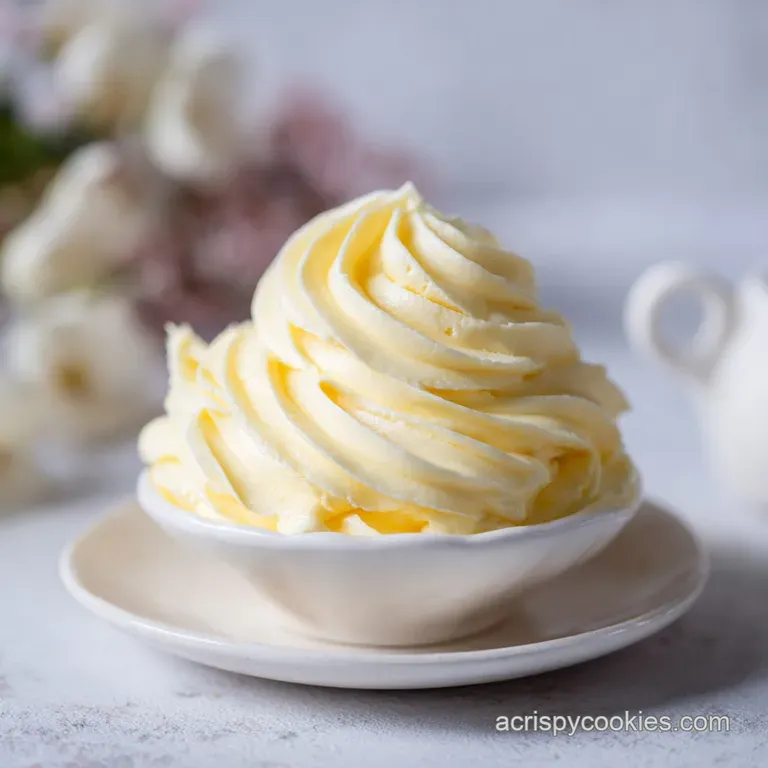
When you open that 14 oz (397g) tin, the thick, golden lava pours out with a satisfying weight. As you begin to whip it into the aerated butter, the transformation is hypnotic. What starts as a yellow, dense mass slowly pales into a shimmering, ivory cloud.
It doesn't just sit on the cake; it clings to it with a luxurious, satin sheen that catches the light in a way no other frosting can.
Trust me, once you experience the "snap" of the cold butter meeting the room temperature milk, you'll never go back to the gritty alternatives. It feels like a secret handshake between two simple ingredients, creating a medium that is as sturdy as it is supple.
We are going to focus on the temperatures today because that is where the real magic and the potential for disaster hides.
Why This Emulsion Stays Stable
Pre Dissolved Solutes: Unlike powdered sugar, the sucrose in sweetened condensed milk is already fully dissolved in a liquid medium, ensuring a grain free, velvety mouthfeel.
Fat in-Water Emulsion: The milk solids and fats in the condensed milk act as natural emulsifiers, bonding with the butter’s lipids to create a stable, pipeable structure.
Temperature Synergy: Keeping the butter at exactly 65°F (18°C) allows it to hold maximum air while resisting the melting point of the incoming milk.
| Usage Case | Texture Result | Stability Level | Best For |
|---|---|---|---|
| Chilled (40°F/4°C) | Firm and buttery | High | Sharp edged piping |
| Room Temp (70°F/21°C) | Soft and spreadable | Medium | Crumb coating |
| Slightly Warm (75°F/24°C) | Glossy and fluid | Low | Drizzles or glazes |
Whether you are decorating a tall layer cake or just looking for a simple topping for your Moist Vanilla Cake recipe, understanding these temperature windows is the difference between a masterpiece and a melted puddle.
Precision Metrics for Success
| Component | Science Role | Pro Secret |
|---|---|---|
| Unsalted Butter | Structural Matrix | Use high fat European style for a whiter, sturdier finish. |
| Sweetened Condensed Milk | Sweetener & Emulsifier | Cool it slightly in the fridge to match the butter's temp. |
| Fine Sea Salt | Flavor Enhancer | Tiny grains cut through the fat to brighten the milky notes. |
Getting the ratio right is vital because we are building a physical structure without the "bulk" of powdered sugar. The butter provides the scaffolding, while the milk provides the silkiness.
Choosing high-quality Components
- 1 cup (226g) unsalted butter: Must be softened to 65°F (18°C). Why this? Proper temperature ensures the butter aerates into a pale, stable foam.
- 14 oz (397g) sweetened condensed milk: Use the full tin. Why this? It provides both the sugar and the liquid for a velvety finish.
- 1 tsp pure vanilla extract: For depth. Why this? Pure extract offers floral notes that complement the dairy.
- 0.25 tsp fine sea salt: To balance. Why this? Salt prevents the icing from feeling cloyingly sweet.
If you're out of vanilla, you can use almond extract or even a splash of bourbon, but keep the liquid volume identical to maintain the emulsion. For those looking for a different project, this same creamy profile works beautifully when folded into a Homemade Custard Ice recipe.
Essential Tools for Aeration
To achieve that specific, light as-air texture, you’ll need a stand mixer (like a KitchenAid) equipped with the paddle attachment. While a whisk attachment incorporates more air, it can often create too many large bubbles, making the icing difficult to smooth on the sides of a cake.
A digital instant read thermometer is your best friend here. Don't guess the temperature of your butter; "room temperature" is a lie told by cookbooks that assume everyone lives in a perfect 70°F (21°C) environment. If your butter feels greasy to the touch, it’s too warm.
It should be matte and offer slight resistance when pressed with a finger.
step-by-step Preparation
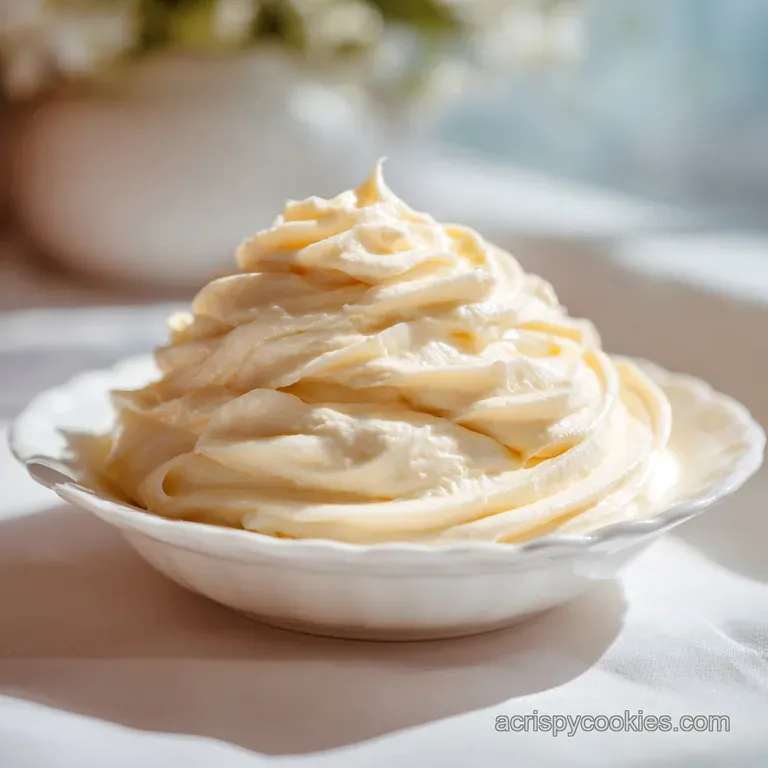
- Temper the butter. Place the 1 cup (226g) of butter on the counter until it reaches exactly 65°F (18°C). Note: This is cooler than most people think.
- Beat the base. Cream the butter on medium high speed for 5 minutes until it is pale ivory and doubled in volume.
- Prep the milk. Ensure your 14 oz (397g) of condensed milk is slightly cool to the touch, not warm.
- Begin the integration. Reduce the mixer speed to low and add the milk one tablespoon at a time. Note: Adding it too fast will break the emulsion.
- Monitor the texture. Scrape the bowl every 2 minutes until the mixture looks glossy and uniform.
- Incorporate the aromatics. Add the 1 tsp vanilla and 0.25 tsp salt once all the milk is integrated.
- Increase the speed. Turn the mixer back to medium high for 2 minutes until the icing peaks are stiff and satiny.
- Remove air pockets. Switch to a rubber spatula and fold the icing by hand for 60 seconds. Note: This creates a "glass like" finish for smoothing.
- Test for stability. Spoon a small amount onto a plate; it should hold a sharp ridge without slumping.
Chef Tip: If the icing looks like it’s curdling or "breaking" during the milk addition, stop the mixer. Take a bowl of hot water, hold it under the mixer bowl for 10 seconds to slightly warm the bottom, then resume beating on high. It will come back together instantly.
Fixing Common Texture Issues
Why Is My Icing Curdling?
This is the most common heartache with Condensed Milk Icing. It usually happens because the milk was significantly colder than the butter, causing the fat to seize into tiny pebbles. It looks like cottage cheese, but don't panic.
You just need to gently warm the mixture to encourage those fats to bond again.
Why Is It Soft?
If your kitchen is warm or the butter was too soft to start, the icing will lack the structural integrity to hold a pipe. It will look shiny and may even slowly slide down the sides of your cake.
| Problem | Root Cause | Solution |
|---|---|---|
| Curdled/Grainy appearance | Temperature imbalance | Warm the bowl with a hairdryer for 10 seconds and re whip. |
| Soupy/Liquid texture | Over softened butter | Chill the whole bowl for 15 minutes, then beat again. |
| Large air bubbles | Excessive whisking | Stir vigorously with a wooden spoon to knock out the air. |
- ✓ Always use a thermometer to check butter temperature (aim for 65°F/18°C).
- ✓ Add the condensed milk in tiny increments, especially at the start.
- ✓ Use the paddle attachment rather than the whisk to keep the texture dense and smooth.
- ✓ If the bowl feels warm to the touch, stop and chill it immediately.
- ✓ Never use "spreadable" butter from a tub; it contains too much oil.
Flavor and Texture Variations
If you want a deeper profile, you can sift in 30g of cocoa powder during the final whipping stage. This transforms the Milk Icing into a rich, malt like chocolate frosting. For a citrus twist, add the zest of two lemons and a teaspoon of citric acid.
The acid will slightly thicken the proteins in the condensed milk, making it even sturdier.
For those watching their dairy intake, you can find coconut based condensed milk. However, be aware that coconut fat has a lower melting point than dairy butter, so you'll need to keep the finished cake refrigerated until the moment of serving.
Long Term Storage Guidelines
Fridge: Store in an airtight container for up to 5 days. Before using, let it sit on the counter for 30 minutes, then re whip it to restore the fluffiness. It will naturally firm up like a stick of butter when cold.
Freezer: This icing freezes beautifully for up to 3 months. Thaw it overnight in the refrigerator. Zero Waste Tip: If you have a small amount of leftover icing, use it as a filling for cookies or even as a decadent spread for morning toast. It’s also the perfect "glue" for a Magic Cookie Bars recipe if you find yourself with extra condensed milk in the tin.
Best Uses for Topping
This icing is the "gold standard" for cakes that require clean lines. Because it lacks the gritty particles of powdered sugar, it glides over the surface of a cake like silk. It is also remarkably white compared to other butter heavy frostings, making it a favorite for wedding cakes.
Try using it on gingerbread or spiced cakes; the milky sweetness acts as a perfect foil for sharp ginger and cloves. It’s also stable enough to act as a dam for fruit fillings, ensuring your preserves don't leak out the sides of your tiered masterpieces.
If you're feeling adventurous, use a star tip to pipe "gems" onto cupcakes the definition will remain sharp even after hours on a display table.
Common Myths Debunked
"You must use a whisk to make it fluffy." This is actually a myth that leads to "spongy" icing full of holes. The paddle attachment, when used for a full 5 minutes on the butter alone, provides more than enough aeration while maintaining a velvety, "shatter proof" finish on the cake.
"Sweetened condensed milk is the same as evaporated milk." Absolutely not! Evaporated milk has no sugar and a much higher water content. If you try to use it for this Condensed Milk Icing, you will end up with a watery soup.
The sugar in the condensed milk is what provides the viscosity and the "link" to the butter fats.
Recipe FAQs
Can sweetened condensed milk be used as icing?
Yes, it is the base ingredient for this type of icing. Sweetened condensed milk provides the sweetness and liquid necessary to emulsify into a stable, velvety frosting when whipped with butter.
Can condensed milk be used as glaze?
Yes, but heat it gently first. For a pourable glaze consistency, thin the condensed milk slightly with a small amount of whole milk or cream over low heat until it drizzles easily off a spoon.
What is Dolly Parton frosting?
It is a colloquial term often referring to this style of icing. While many regional variations exist, the term frequently describes a simple, rich, and intensely sweet frosting made by whipping condensed milk with softened butter.
What happens if you whip sweetened condensed milk alone?
It will become slightly fluffier but remain dense and sticky. Alone, it lacks the necessary fat structure to build a stable, airy emulsion that holds peaks; you must incorporate softened butter to achieve true icing structure.
How do I prevent my condensed milk icing from curdling?
Ensure your softened butter is exactly 65°F (18°C) before starting. Temperature variance is the primary cause; if the butter is too cold, the milk will seize up, resulting in a broken texture that looks grainy or curdled.
How do I make this icing slightly less sweet?
Introduce a balancing acid or salt component early. You can substitute a portion of the condensed milk volume with unsalted butter, or add extra salt and a teaspoon of lemon juice to cut the intense sweetness, similar to the balancing act used in our Lemon Bar with recipe.
Can I substitute evaporated milk for condensed milk in this icing?
No, the icing will fail due to lack of sugar. Evaporated milk is primarily liquid and lacks the high concentration of dissolved sucrose necessary to create the stable structure and sweetness of this frosting.
Silky Condensed Milk Icing
Ingredients:
Instructions:
Nutrition Facts:
| Calories | 194 kcal |
|---|---|
| Protein | 2.1 g |
| Fat | 14.5 g |
| Carbs | 14.4 g |
| Fiber | 0 g |
| Sugar | 14.4 g |
| Sodium | 40 mg |
