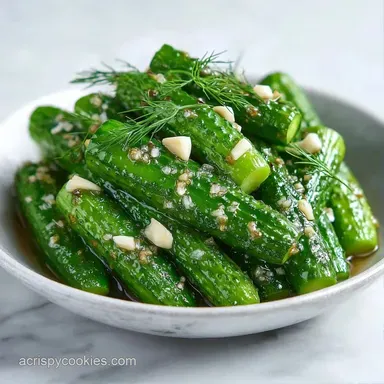
24 Hour Garlic Dill Pickle Recipe: Shatter Crisp
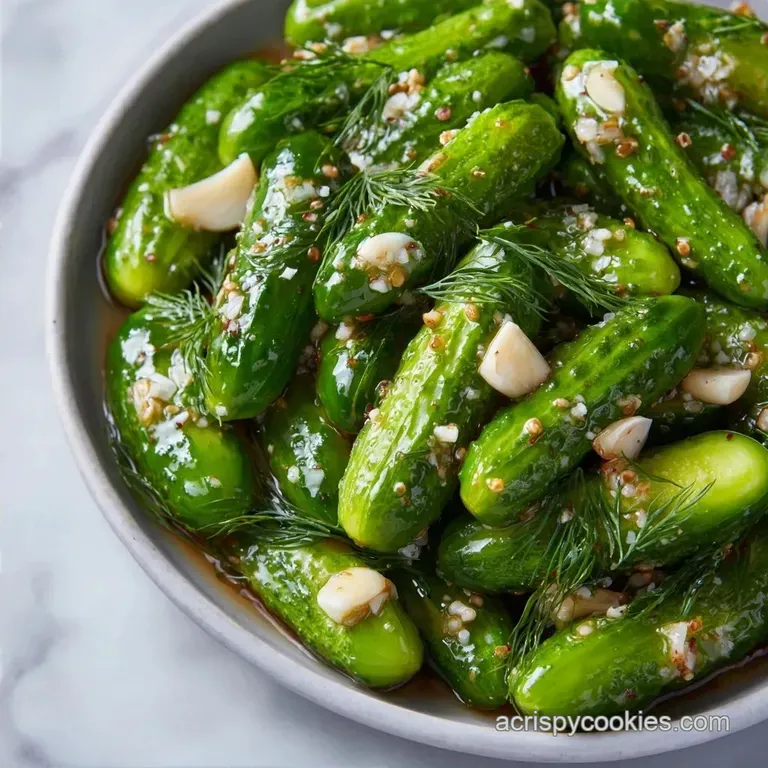
- Time: 15 min active + 24 hours chilling
- Flavor/Texture Hook: Shatter crisp texture with a pungent garlic punch
- Perfect for: Last minute party platters or upgrading a deli style sandwich
The Truth About My First Batch
That first sharp, vinegary scent hitting the air is always the best part. I remember the first time I tried a quick pickle method. I was hosting a small get together and realized my store-bought jars tasted like salty water and preservatives.
I wanted that aggressive, garlic heavy snap you only get from a high end deli, but I didn't have three weeks to let jars sit in a dark pantry.
I tried a raw brine first, but the salt didn't dissolve right, leaving a gritty residue at the bottom of the jar. It was a mess. I realized that to get the flavor to penetrate the cucumber skin in just one day, I needed a bit of heat to jumpstart the process.
This 24 Hour Dill Pickle Recipe with Garlic is the only one you'll ever need.
The secret is the "hot pour, cold set" method. By simmering the brine first, the aromatics wake up instantly. Then, the 24 hour fridge stay prevents the cucumbers from overcooking in the vinegar, keeping them from turning into mush. It's a balance of speed and stability that actually works.
How to Actually Nail This
To get a pickle that actually shatters when you bite into it, you have to understand what's happening inside the cucumber. Most people just throw things in a jar and hope for the best, but there are a few specific things that make this version hit different.
Osmotic Pressure: The salt draws water out of the cucumber cells, making room for the vinegar and garlic to move in.
Acidity Speed: Using distilled white vinegar provides a clean, sharp pH drop that preserves the vegetable quickly.
Thermal Shock: Pouring warm brine over cold cucumbers helps the liquid penetrate the skin faster than a cold steep would.
Cold Cure: The refrigerator slows down the softening process, ensuring the pectin in the cucumber walls stays firm.
| Method | Prep Time | Texture | Best For |
|---|---|---|---|
| Quick Heat Brine | 15 mins | Shatter Crisp | Fast cravings/Sandwiches |
| Cold Raw Steep | 10 mins | Softer/Fresh | Salads/Quick snacks |
| Traditional Ferment | 3 weeks | Sour/Complex | long-term storage/Probiotics |
Since I'm always playing flavor detective, I spent a lot of time testing the garlic ratio. Too little, and it's just a vinegar cucumber. Too much, and it tastes like a raw clove. Slicing the garlic instead of just smashing it creates more surface area, which lets the pungent oils leak into the brine faster.
Recipe Specs
For those who like to know the exact "why" before they start, let's look at the components. I don't call this chemistry, but it is a specific set of reactions. If you use the wrong salt, for example, you'll end up with cloudy brine that looks like dishwater.
Component Analysis
| Ingredient | Science Role | Pro Secret |
|---|---|---|
| Kirby Cucumber | Structural Base | Use small, firm ones; avoid "English" types |
| Distilled Vinegar | Acidification | White vinegar is the cleanest flavor profile |
| Kosher Salt | Texture Control | Coarse grains dissolve better without over salting |
| Garlic Cloves | Aromatic Punch | Slice them thin to release more allicin |
The key is using filtered water. Tap water often has minerals or chlorine that can react with the vinegar, leading to a weird aftertaste or that dreaded cloudiness. I've found that distilled or filtered water keeps the brine crystal clear, which makes the jars look professional.
Gathering Your Essentials
Don't skip on the cucumber variety here. I've tried using the long, plastic wrapped English cucumbers, and they're just too watery. They lose their structure within hours. You want Kirby or Persian cucumbers. They have a thicker skin and a denser seed cavity, which is what gives you that satisfying crack.
- 1 lb Kirby or Persian cucumbers Why this? Denser cell walls mean a better crunch
- 6 cloves garlic, smashed and sliced Why this? Slicing maximizes the garlic oil release
- 4 sprigs fresh dill, roughly chopped Why this? Fresh dill is more vibrant than dried
- 1 cup distilled white vinegar Why this? High acidity for fast curing
- 1 cup filtered water Why this? Prevents brine cloudiness
- 1 tbsp kosher salt Why this? Pure salt without iodine additives
- 1 tsp granulated sugar Why this? Balances the sharp vinegar bite
- 1 tsp mustard seeds Why this? Adds a subtle earthy depth
- 1 tsp black peppercorns Why this? Provides a slow, warm heat
- 1/2 tsp red pepper flakes Why this? Adds a tiny kick to the finish
For those who want a different twist, you might try my Homemade Garlic Dill Pickles recipe for a version that focuses on long-term crispness.
Equipment Needed
You don't need a professional lab for this. A couple of wide mouth pint Mason jars are the gold standard because they make it easy to pack the cucumbers tightly. If you use narrow jars, you'll end up with too many air gaps, and the pickles on top might not be fully submerged.
I also suggest a small stainless steel saucepan. Avoid aluminum if you can, as the vinegar can sometimes react with the metal and leave a metallic tang in your brine. A simple slotted spoon is helpful for tucking the dill and garlic into the gaps between the cucumbers.
Step-by-step Instructions
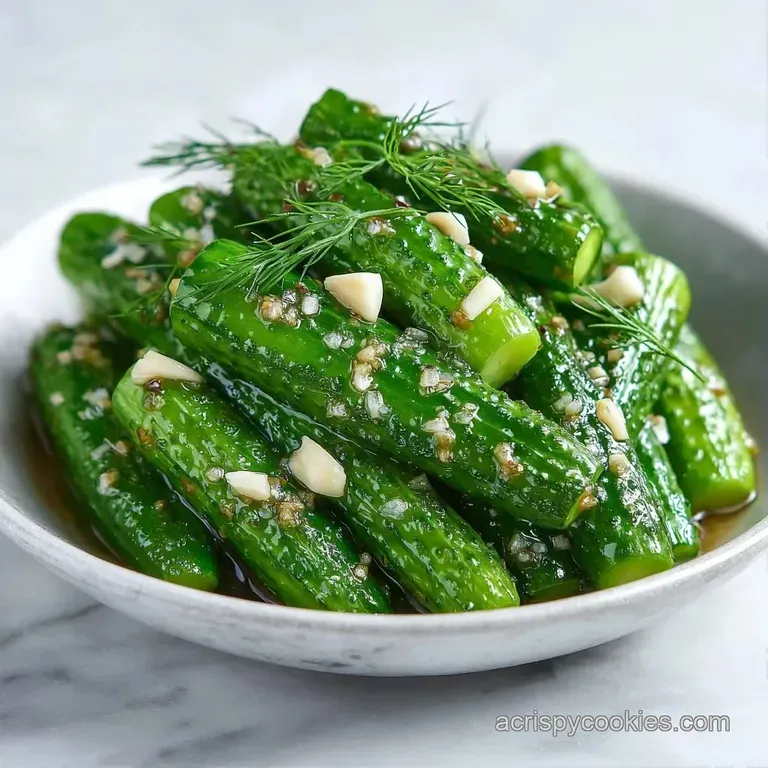
Right then, let's get into it. This is where the magic happens. Pay attention to the smells - the brine should go from a sharp vinegar scent to a mellow, aromatic fragrance as it simmers.
- Wash the cucumbers thoroughly. Leave them whole, slice them into spears, or slice them into 1/8 inch rounds. Pack the cucumbers into two wide mouth pint Mason jars snugly, leaving about 1/2 inch of headspace at the top. Note: Pack them tight so they don't float
- In a small saucepan, combine the water, distilled white vinegar, kosher salt, and granulated sugar. Bring the mixture to a simmer over medium heat, stirring until the salt and sugar are completely dissolved. Remove from heat immediately. Wait for the brine to stop bubbling.
- Distribute the smashed garlic cloves, peppercorns, mustard seeds, and fresh dill evenly between the two jars, tucking them into the cucumbers. Note: Push the garlic to the bottom and middle
- Pour the slightly cooled brine over the cucumbers and aromatics in the jars. Seal the lids tightly. Ensure the liquid covers every slice.
- Place the jars in the refrigerator and allow them to cold cure for 24 hours before serving.
Chef's Tip: If you want an even deeper garlic flavor, let the sliced garlic steep in the warm brine for 5 minutes before pouring it over the cucumbers.
Avoiding Kitchen Disasters
Even a straightforward 24 hour pickle recipe refrigerator method can go sideways if you're not careful. The most common issue is texture. If your pickles come out soft, it's usually because the cucumbers were too warm or the brine was boiling when it hit the veg.
Why Your Pickles Are Mushy
This usually happens when the pectin in the cucumber breaks down. This is caused by either using a cucumber variety with too much water (like English cucumbers) or pouring the brine in while it's still at a rolling boil.
Is the Brine Cloudy?
Cloudiness is almost always a mineral issue. If you use tap water with high calcium or a salt that contains anti caking agents, the brine will look milky. It's still safe to eat, but it doesn't look as clean.
The Brine Didn't Cover the Cucumbers?
If you see cucumbers poking out of the liquid, they can soften or develop mold. Use a clean spoon to press them down, or add a tiny bit more vinegar and salt to fill the gap.
| Problem | Root Cause | Solution |
|---|---|---|
| Mushy Texture | Brine too hot or wrong cucumber | Cool brine to 160°F; use Kirby |
| Cloudy Liquid | Tap water minerals/Iodized salt | Use filtered water and Kosher salt |
| Floating Veggies | Not packed tightly enough | Press down with a spoon or add weight |
Common Mistakes Checklist
- ✓ Used Kirby cucumbers instead of English
- ✓ Used distilled or filtered water
- ✓ Salt and sugar completely dissolved
- ✓ Brine cooled slightly before pouring
- ✓ Jars sealed tightly and kept cold
Make It Your Own
The beauty of a quick garlic dill pickle recipe is that it's basically a canvas. Once you have the base brine down, you can steer the flavor in a few different directions depending on what you're serving it with.
If you're planning a big feast, these pair brilliantly with Homemade Roast Potatoes with Crispy Golden Crust to cut through the richness of the potatoes.
The Spicy Garlic Heat
Double the red pepper flakes and add a sliced jalapeño to each jar. This creates a "spicy dill" that's incredible on burgers.
The Sweet Dill Hybrid
Increase the sugar to 2 teaspoons. This doesn't make them "sweet pickles," but it rounds out the sharp edges of the vinegar, making them more approachable for kids.
The Fire Roasted Twist
Quickly char your garlic cloves in a dry pan before adding them to the jar. This adds a smoky, caramelized layer to the brine.
Low Sodium Swap
You can reduce the salt to 2 teaspoons, but be warned: the texture will be slightly softer. To compensate, add a pinch of alum or a grape leaf to the jar to keep them crisp.
How to Store and Keep Fresh
Since these aren't fermented or pressure canned, they must stay in the fridge. They'll stay at peak crispness for about 3 to 4 weeks. After that, they're still safe to eat, but the "snap" will slowly fade as the vinegar continues to break down the cell walls.
For zero waste, don't toss the leftover brine. It's basically a seasoned vinegar. I use it as a marinade for grilled chicken or whisk it into a vinaigrette for a cold potato salad. If you have leftover dill stems, chop them finely and throw them into a compound butter for steak.
Presentation Tips
If you're serving these for a crowd, don't just pull them out of the jar. I like to slice them into thick coins and pile them in a chilled ceramic bowl. Garnish the top with a few fresh dill sprigs and a couple of the pickled garlic cloves from the jar.
For a more "deli" look, serve the spears vertically in a glass jar with the garlic and peppercorns visible through the glass. It looks intentional and artisanal without actually requiring any professional skill.
Just make sure the bowl is chilled before you add the pickles to keep that temperature driven crunch alive until the moment they hit the table.
High in Sodium
871 mg 871 mg of sodium per serving (38% 38% of daily value)
The American Heart Association recommends a daily sodium limit of no more than 2,300 mg for most adults to reduce the risk of cardiovascular disease.
Tips to Reduce Sodium
-
Reduce Kosher Salt-25%
The salt is the primary sodium source. Cut the kosher salt amount by half or substitute with a potassium-based salt alternative.
-
Increase Acidity-10%
Add a squeeze of fresh lemon juice or slightly increase the white vinegar to mimic the 'sharpness' of salt.
-
Amplify Garlic-5%
Increase the garlic cloves to 8 or 10 to provide a stronger aromatic base that compensates for lower salt levels.
-
Boost Fresh Herbs
Double the amount of fresh dill or add fresh parsley to maximize the flavor profile without adding sodium.
Recipe FAQs
How to make the brine for these pickles?
Combine water, distilled white vinegar, kosher salt, and granulated sugar in a small saucepan. Simmer over medium heat until the salt and sugar are completely dissolved, then remove from heat immediately.
What is the secret to crisp dill pickles?
Cold-curing the jars in the refrigerator for 24 hours. This process avoids the softening effects of heat-processing and maintains the firm texture of the Kirby or Persian cucumbers.
Is it true that any water works for the brine?
No, this is a common misconception. Filtered water is preferred to prevent chlorine or minerals from clouding the brine or altering the final taste.
How to ensure the garlic flavor is strong enough?
Smash and slice the 6 garlic cloves before packing them into the jars. This breaks the cell walls and releases more pungent aromatic oils into the vinegar.
Do homemade dill pickles in vinegar need to be refrigerated?
Yes, these must be kept chilled. Since they are cold-cured rather than canned in a boiling water bath, the refrigerator is necessary for both safety and crunch.
What are common pickling mistakes to avoid?
Avoid leaving excessive headspace in the jar. Pack the cucumbers snugly and leave only 1/2 inch of space at the top to ensure the vegetables stay submerged and don't float.
What are some great ways to serve these pickles?
Serve them as a sharp, acidic accompaniment to rich burgers or deli sandwiches. If you enjoyed the flavor balancing in this recipe, see how the same principle works in our pickled green beans.
24 Hour Garlic Dill Pickles: Crisp