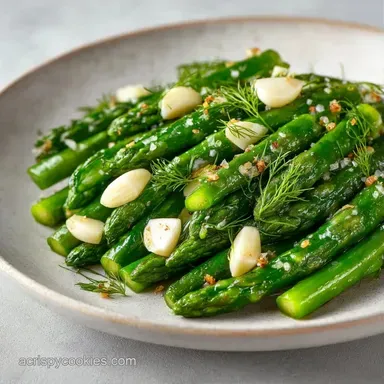
Homemade Garlic Dill Pickles: Shatter Crisp
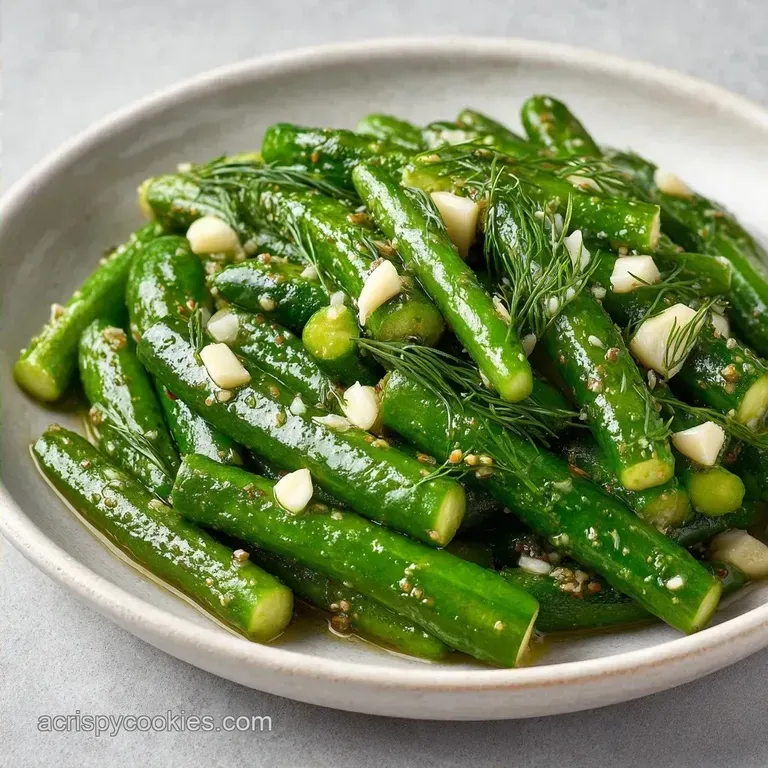
- Time: 30 min active + 24 hrs chilling
- Flavor/Texture Hook: Shatter crisp snap with a pungent garlic hit
- Perfect for: Charcuterie boards, burger toppings, or late night snacking
That sharp, stinging scent of boiling vinegar hitting the back of your throat is the first sign you're doing this right. It's a bold aroma, but once the fresh dill and smashed garlic hit the mix, it turns into something earthy and bright.
I remember my first attempt at pickling; I just threw everything in a jar and hoped for the best. The result? Soft, rubbery cucumbers that felt more like wet sponges than pickles. It was a total disaster.
The problem wasn't the brine or the salt. It was a tiny bit of organic matter at the end of the cucumber. I learned the hard way that the blossom end contains enzymes that break down pectin, which is what gives a vegetable its structure. If you leave that bit on, your pickles are doomed to be mushy.
These Homemade Garlic Dill Pickles are the fix. I've spent a lot of time figuring out the exact balance of white distilled vinegar for that sharp "deli" bite and apple cider vinegar for a mellow, fruity undertone. When you combine them with the right salt, you get a pickle that actually snaps when you bite into it.
Homemade Garlic Dill Pickles
Getting the crunch right is all about the preparation. I always use Kirby cucumbers because they have a thicker skin and a denser interior than the long English ones you see in plastic wrap. Persian cucumbers work too, but Kirbys are the gold standard for that old school snap.
If you use a slicing cucumber, you'll likely end up with a watery mess because those are bred to be eaten fresh, not preserved.
The packing process is where most people rush. You have to jam those cucumbers in there. I mean really pack them. The tighter they are, the less they move around, which helps them stay submerged in the brine. If they float, they can soften or, worse, develop a film.
I usually use a clean spoon to push them down until they're practically fused together in the jar.
Right then, let's look at what makes this specific version work. It's not just about the ingredients, but the way they interact. By boiling the brine first, we ensure the salt and sugar are fully dissolved, which creates a consistent salinity throughout the jar.
This prevents some pickles from being salt bombs while others stay bland.
Crunch and Flavor Factors
- Enzyme Removal: Slicing off the blossom end stops pectinase from destroying the cell walls, keeping the texture firm.
- Dual Acidity: Combining two types of vinegar provides a layered tartness that hits different parts of the palate.
- Brine Temperature: Pouring hot brine over the vegetables helps the flavors penetrate the skin faster.
- Salt Type: Using pickling salt avoids the cloudiness and additives found in table salt.
| Method | Time | Texture | Best For |
|---|---|---|---|
| Stovetop Brine | 30 min | Shatter crisp | Quick fridge snacks |
| Water Bath | 3 hrs | Softened | Long-term shelf storage |
| Cold Soak | 1 week | Firm/Tangy | Fermentation fans |
The Component List
I've found that the quality of your water matters more than you'd think. Tap water often contains chlorine or minerals that can react with the vinegar, leading to a cloudy brine. I always use filtered water to keep the liquid crystal clear, which makes the jars look professional.
Produce Details
- 3 lbs Kirby or Persian cucumbers Why this? Denser flesh prevents mushiness
- 6 cloves garlic, smashed Why this? Smashed releases more oils than sliced
- 1 cup fresh dill, roughly chopped Why this? Fresh is far more aromatic than dried
- 1 medium white onion, thinly sliced Why this? Adds a subtle savory depth
The Brine Base
- 2 cups white distilled vinegar Why this? Provides the classic sharp acidity
- 1 cup apple cider vinegar Why this? Adds a mellow, fruity complexity
- 3 cups filtered water Why this? Prevents brine cloudiness
- 1/2 cup pickling salt Why this? Pure salt without anti caking agents
- 2 tbsp cane sugar Why this? Balances the acidity without tasting sweet
The Spice Mix
- 1 tbsp mustard seeds Why this? Adds a peppery, pungent note
- 1 tbsp black peppercorns Why this? Provides a slow, warm heat
- 1 tsp coriander seeds Why this? Adds a hint of citrus aroma
- 1 tsp red pepper flakes Why this? Gives a tiny kick at the end
| Original Ingredient | Substitute | Why It Works |
|---|---|---|
| Kirby Cucumbers | Persian Cucumbers | Similar crunch. Note: Smaller size, usually no need to slice |
| White Distilled Vinegar | Rice Vinegar (Unseasoned) | Mild acidity. Note: Less "sharp" than the original |
| Pickling Salt | Kosher Salt | Pure salt. Note: Check for additives; might be slightly cloudier |
| Fresh Dill | Dill Weed (Dried) | Concentrated flavor. Note: Use 1/3 amount; lacks fresh brightness |
The Pantry Gear
You don't need a professional lab to make Homemade Garlic Dill Pickles, but a few specific tools make it easier. I use five pint sized mason jars. Using smaller jars is better because it's easier to pack the cucumbers tightly, and you can open one jar at a time, keeping the others fresh in the fridge.
A medium stainless steel pot is essential for the brine. I avoid aluminum pots because the high acidity of the vinegar can react with the metal, which can give the brine a weird metallic taste. A heavy bottomed pot also ensures the sugar doesn't scorch at the bottom when you bring it to a boil.
Finally,, have a sharp chef's knife and a cutting board ready. The precision of that 1/16th inch slice on the blossom end is the most important cut you'll make. It's a tiny detail, but it's the difference between a pickle that snaps and one that bends.
The Process
- Wash cucumbers thoroughly in cold water. Slice off exactly 1/16th of an inch from the blossom end of each cucumber to remove enzymes that cause softening. Leave whole or slice into 1/4 inch rounds. Note: This prevents the "mushy" effect.
- Distribute the smashed garlic cloves, fresh dill, and sliced onions evenly across the bottom of 5 prepared pint mason jars. Note: This ensures aromatics are distributed.
- Pack the cucumbers tightly into the jars, leaving 1/2 inch of headspace. Press down firmly until they don't move.
- In a medium pot, combine white distilled vinegar, apple cider vinegar, filtered water, pickling salt, cane sugar, mustard seeds, black peppercorns, coriander seeds, and red pepper flakes.
- Bring to a rolling boil over medium high heat, stirring until salt and sugar are dissolved. Wait for the brine to smell sharp and pungent.
- Carefully pour the hot brine over the cucumbers in the jars, ensuring they are completely submerged.
- Seal the jars tightly with lids. Note: Use a clean towel to hold the jar if it's too hot.
- Allow the pickles to cool to room temperature.
- Refrigerate for a minimum of 24 hours before serving. Wait until the cucumbers turn a muted olive green.
Chef's Note: If you're making these for a party, make them 3-4 days in advance. The flavor actually peaks around day 5, as the garlic has more time to permeate the center of the cucumber.
Fixing Pickle Fails
It's common to run into a few snags when you first start making your own preserves. Most of these come down to temperature or ingredient choice. According to Serious Eats, the concentration of salt is what primarily controls the texture and prevents spoilage in refrigerator pickles.
Troubleshooting Common Issues
| Issue | Solution |
|---|---|
| Why Your Pickles Are Soft | This usually happens if the blossom end wasn't removed or if you used English cucumbers. Those enzymes are persistent. |
| Why the Brine Is Cloudy | Cloudiness is almost always caused by the salt. Table salt contains calcium iodide or anti caking agents that turn the liquid milky. |
| Why the Color Changed | It's normal for the bright green of a fresh cucumber to fade to a duller olive. |
Common Mistakes Checklist
- ✓ Always remove the blossom end.
- ✓ Use filtered water to avoid cloudiness.
- ✓ Pack cucumbers tightly to prevent floating.
- ✓ Ensure brine is a rolling boil before pouring.
- ✓ Use a non reactive (stainless steel) pot.
- ✓ Let them chill for a full 24 hours.
Flavor Tweaks
If you want to turn these into Spicy Garlic Dill Pickles, don't just add more red pepper flakes. I like to add a sliced habanero or two jalapeños to each jar. The heat from the fresh peppers is different from the flakes; it's more vibrant and cuts through the vinegar.
For those making Refrigerator Garlic Dill Pickles on a budget, you can swap the apple cider vinegar for more white vinegar, but you'll lose that rounded sweetness. If you're going for a Keto or Vegan version, this recipe is already naturally compliant.
The cane sugar is minimal, but you can swap it for a pinch of stevia or just leave it out entirely. The pickles will be more aggressive without the sugar, but still great.
These salty treats pair wonderfully with something hearty. I often serve these alongside my Homemade Roast Potatoes to balance out the richness of the potatoes with a sharp, vinegary snap.
Freshness Guide
Since these are refrigerator pickles and not water bath canned, they aren't shelf stable. Keep them in the fridge at all times. They'll stay at their peak for about 4 to 6 weeks. After that, they're still safe to eat, but the crunch will start to fade.
I never freeze pickles. The water in the cucumber expands when frozen, which completely destroys the cell structure. Once you thaw them, they'll be mushy, regardless of whether you removed the blossom end.
To avoid waste, don't throw away the leftover brine. It's a flavor bomb. I use it as a marinade for grilled chicken or splash a bit into a potato salad dressing. It adds a professional level acidity that you just can't get from store-bought vinegar. After a long day of salty pickling, I usually balance my palate with something sweet, like a batch of Chocolate Chip Cookies.
Serving Ideas
For the best experience, slice these into thin chips for burgers. The acidity cuts through the fat of the beef and cheese perfectly. I also love them on a charcuterie board with a sharp cheddar and some spicy salami.
If you're feeling fancy, try "Pickle Fries." Slice the pickles lengthwise into sticks, dip them in a light cornstarch batter, and fry them for 3 minutes until golden. Serve them with a side of ranch or a spicy aioli.
When plating, I like to keep a few of the garlic cloves and dill sprigs visible in the jar. It looks rustic and tells the guest exactly what flavors to expect. Just remember to pull the pickles out with a clean fork to avoid introducing bacteria into the jar, which will keep them fresh for longer.
Very High in Sodium
2947 mg 2,947 mg of sodium per serving (128% 128% of daily value)
The American Heart Association recommends a daily limit of 2,300mg, and ideally 1,500mg for most adults to maintain healthy blood pressure.
Tips to Reduce Sodium
-
Slash the Salt-30%
Reduce the pickling salt by half or more. As the primary sodium source, this change provides the most significant reduction.
-
Boost Acidity-10%
Increase the apple cider vinegar by 1/4 cup to maintain the preservative quality and sharp flavor when salt is reduced.
-
Add Citrus-5%
Stir in fresh lemon juice to the brine; the citric acid provides a zesty 'bite' that mimics the sensation of salt.
-
Enhance Aromatics
Double the amount of fresh dill and smashed garlic to create a bolder flavor profile that compensates for lower salt levels.
Recipe FAQs
How to make garlic dill pickles at home?
Pack jars with cucumbers, garlic, dill, and onions, then pour over a boiling brine of distilled vinegar, apple cider vinegar, water, salt, sugar, and spices. Seal the lids and refrigerate for at least 24 hours to set the flavor.
What is the secret to crisp dill pickles?
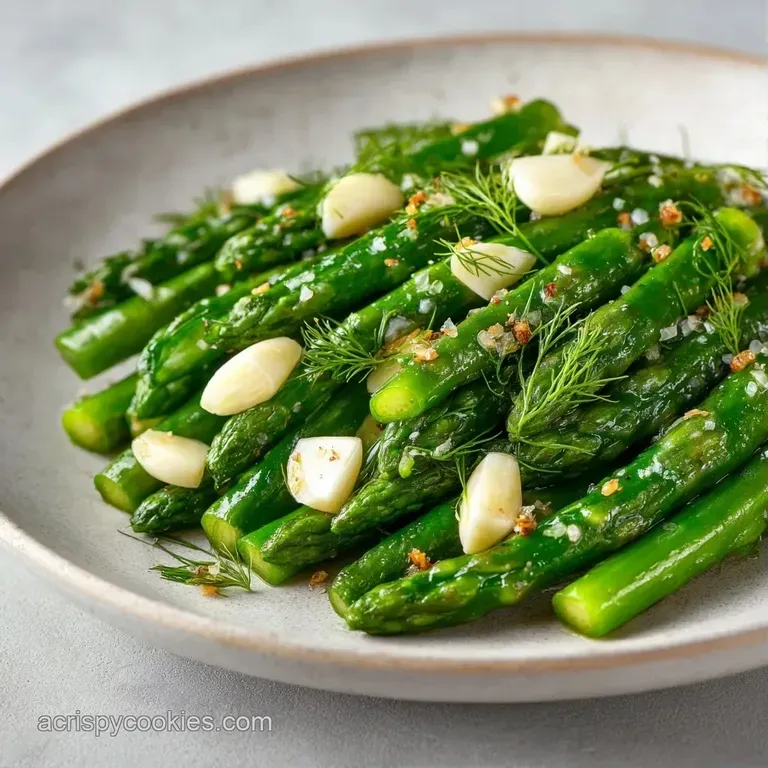
Remove the blossom end of every cucumber. Slicing off exactly 1/16th of an inch removes enzymes that cause softening. If you enjoy this level of texture control, see how the same principle applies to our shatter crisp beans.
What kind of vinegar is best for garlic pickles?
A combination of white distilled and apple cider vinegar. This blend provides a balance of sharp acidity and a subtle fruity depth.
Do homemade dill pickles in vinegar need to be refrigerated?
Yes, they must be kept in the refrigerator. Since these are not processed in a pressure canner, cold storage is required to maintain the crunch and ensure safety.
Is it true that any cucumber works for pickling?
No, this is a common misconception. English cucumbers are too soft for this method; stick to Kirby or Persian cucumbers for the best results.
Why is my pickle brine cloudy?
The salt used contains anti-caking agents. Table salt often contains calcium iodide, which turns the liquid milky. Use pickling salt to keep the brine clear.
How to prepare cucumbers for maximum crunch?
Wash cucumbers in cold water and slice 1/16th of an inch off the blossom end. Keep them whole or cut them into 1/4 inch rounds before packing them tightly into the jars.
Homemade Garlic Dill Pickles: Shatter Crisp