Fridge Pickles: Ultra Crispy and Tangy
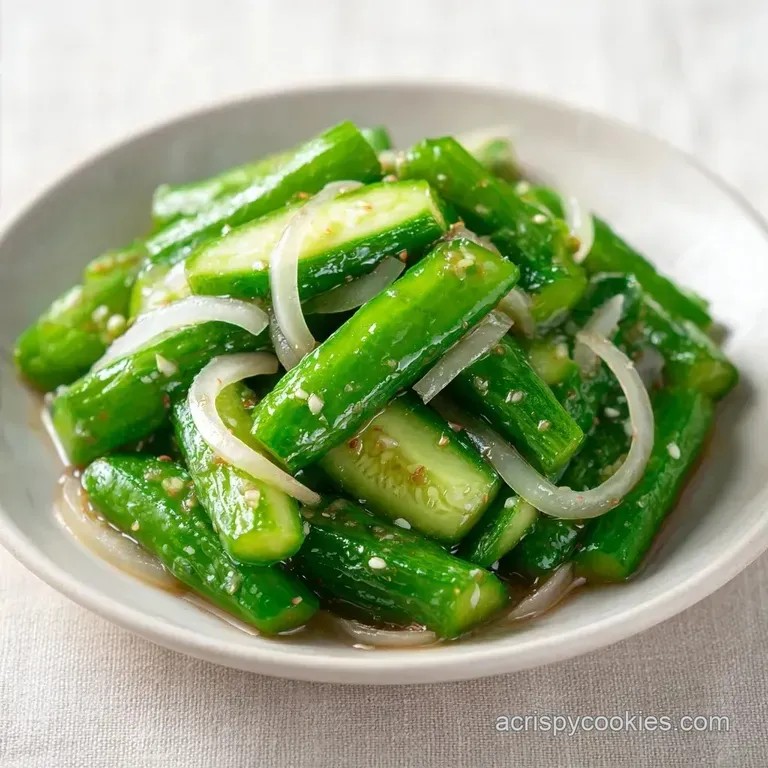
- Time:20 minutes active + 24 hours chilling
- Flavor/Texture Hook: Tangy, punchy, and shatter crisp
- Perfect for: Burger nights, charcuterie boards, or a low calorie snack
Ever wonder why some store-bought pickles feel like rubber while others have that satisfying, loud snap? I used to think it was some secret industrial additive, but it turns out it's actually about temperature and acidity.
When you don't boil the cucumbers, you don't cook the pectin, which is the glue that holds the vegetable together.
That's the beauty of making Fridge Pickles. You get all the bold, garlicky flavor without the risk of turning your cucumbers into mush. The scent of white vinegar hitting the air is sharp, but once it blends with the fresh dill and smashed garlic, it becomes something totally different, almost like a garden in a jar.
You can expect a pickle that is bright, acidic, and hits that specific salt meets-sour note. They aren't meant to sit on a shelf for years, but for a few weeks in the fridge, they're far better than anything you'll find in a plastic tub at the store.
Easy Snap Fridge Pickles
The secret to the snap comes down to a few basic things. First, we use a high concentration of vinegar. This doesn't just add flavor, it acts as a preservative and keeps the cucumbers firm. By avoiding the heat of a canning pot, we ensure the vegetables stay raw and crunchy.
- Osmosis
- Salt draws water out of the cucumber cells, making room for the vinegar and spices to seep in.
- Temperature Control
- Cold storage slows down the enzymes that normally soften vegetables over time.
- Acidity Balance
- The small amount of sugar doesn't make them "sweet," it just rounds off the harsh edge of the distilled vinegar.
- Cell Integrity
- Using Kirby cucumbers provides a thicker skin and denser flesh, which resists getting soggy.
| Feature | Fresh Slices | Fridge Pickles | store-bought |
|---|---|---|---|
| Texture | Soft/Watery | Shatter Crisp | Often Rubbery |
| Flavor | Mild | Punchy/Garlicky | Generic/Sweet |
| Shelf Life | 2 Days | 3-4 Weeks | 1 Year |
The Core Components
When you're assembling Fridge Pickles, the quality of your produce is the only thing that really matters since there's no cooking involved. I always go for Kirby cucumbers because they have a natural toughness that handles the brine well.
| Ingredient | Science Role | Pro Secret |
|---|---|---|
| Kirby Cucumber | Structural Base | Keep them ice cold before slicing |
| White Vinegar | pH Regulator | Use distilled for a clean, sharp taste |
| Kosher Salt | Water Extractant | Avoid table salt to prevent cloudiness |
| Fresh Dill | Aromatic Oil | Chop roughly to release more flavor |
Essential Kitchen Gear
You don't need a lab to do this, but a few specific tools make it a lot cleaner. I use wide mouth quart Mason jars because they're easier to pack tightly. If you use narrow jars, you'll end up with air gaps, and the cucumbers at the top might not stay submerged.
A decent vegetable peeler or a mandoline is great if you want perfectly uniform rounds, but I prefer the rustic look of hand-cut spears. Just make sure your knife is sharp. A dull knife crushes the cell walls of the cucumber, which can lead to a softer pickle.
Step by step Assembly
Right then, let's get these into the jars. The goal here is to pack them as tight as possible so they don't float once the liquid goes in.
The Produce
- Slice 2 lbs Kirby or Persian cucumbers into consistent spears or rounds. Note: Consistent sizes ensure they brine at the same rate.
- Pack the cucumbers into two wide mouth quart Mason jars along with 1 thinly sliced white onion and 6 smashed garlic cloves. Pack them tightly until you can't fit another slice.
The Brine Blend
- In a mixing bowl or pitcher, combine 2 cups distilled white vinegar, 1 cup filtered water, 2 tbsp kosher salt, and 1 tbsp granulated sugar.
- Stir vigorously until the salt and sugar are completely dissolved. You'll smell that sharp, pungent aroma as the salt integrates.
The Pack and Chill
- Tuck 4 sprigs of roughly chopped fresh dill, 1 tsp black peppercorns, and 1 tsp mustard seeds into the gaps between the cucumbers.
- Sprinkle 1/2 tsp red pepper flakes over the top. Note: These will float, but the heat will infuse the whole jar.
- Pour the prepared brine over the mixture until the cucumbers are fully submerged.
- Seal the lids tightly and refrigerate for at least 24 hours. Wait until the cucumbers shift to a muted, olive gold hue before eating.
Fixing Common Issues
Most people get these right on the first try, but a few things can go sideways. The most common complaint is a lack of crunch. If your Fridge Pickles feel a bit soft, it's usually because the cucumbers were too warm when they hit the brine or you used a "slicing" cucumber instead of a "pickling" one.
Another issue is cloudy brine. This usually happens if you use tap water with high mineral content or non kosher salt that has anti caking agents. It doesn't affect the taste, but it doesn't look as clean.
Causes of Soft Pickles
If you find your batch is lacking that snap, check your cucumber variety. Slicing cucumbers have thinner skins and more water, which makes them collapse under the acidity of the vinegar.
Cloudy Brine Solutions
To keep the liquid crystal clear, always use filtered water. The minerals in tap water can react with the vinegar and create a hazy appearance.
| Problem | Root Cause | Solution |
|---|---|---|
| Rubbery Texture | Wrong Cucumber Type | Use Kirby or Persian varieties |
| Brine Too Harsh | Lack of Sugar/Water | Add 1 tsp sugar to balance |
| Floating Veggies | Loose Packing | Use a weight or pack tighter |
Quick Fix Checklist:
- ✓ Use ice cold cucumbers for maximum snap.
- ✓ Ensure the brine completely covers every slice.
- ✓ Use distilled white vinegar, not apple cider, for that classic tang.
- ✓ Let them chill for the full 24 hours before tasting.
Tasty Flavor Twists
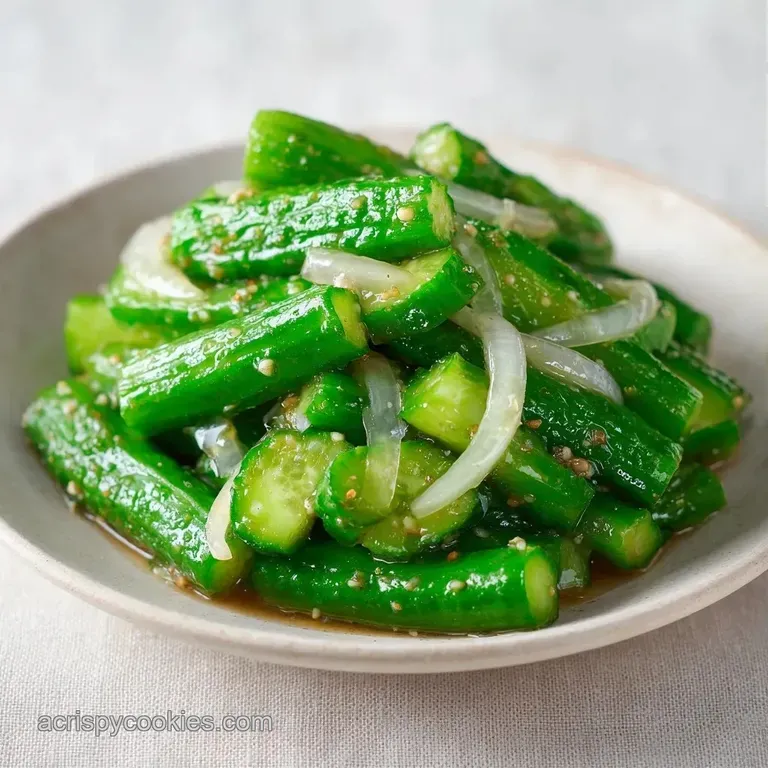
Once you've nailed the basic recipe, you can start playing with the aromatics. If you want something even more intense, try doubling the garlic or adding a few slices of fresh ginger for a zesty, Asian inspired vibe.
For those who love a massive punch of herbs, you can swap the dill for fresh oregano or thyme. If you're looking for something truly traditional, check out my Garlic Dill Pickles for a version that really leans into the savory side.
Decision Shortcut:
- Want more heat? Add 1 tsp red pepper flakes instead of 1/2.
- Want it sweeter? Increase sugar to 2 tbsp (but not more, or it becomes a bread and butter pickle).
- Want it extra tangy? Reduce the water to 1/2 cup.
Scaling and Adjustments
If you're making a massive batch for a party, don't just quadruple everything blindly. I've found that when you scale up, the salt and spices can become overwhelming.
Scaling Down (Half Batch): Use a single quart jar. Reduce the salt and sugar by half, but keep the garlic at 3 cloves. The brine ratio remains the same.
Scaling Up (Double Batch): Use four quart jars. Increase the liquids and cucumbers by 2x, but only increase the salt and red pepper flakes to 1.5x. Taste the brine before pouring to make sure it isn't too aggressive.
Pickling Truths
There are a few myths about making pickles that just aren't true. First, some people think you have to boil the brine to make the pickles "set." In reality, boiling the brine can actually soften the cucumbers if you pour it in while it's still hot. Room temperature brine is perfectly fine for these.
Another myth is that you need specialized "pickling salt." While it's a good option, any coarse kosher salt works just fine as long as it doesn't have additives. The key is the grain size and the lack of iodine, which can discolor the veg.
Storage and Leftover Tips
Since these aren't canned, they must stay in the refrigerator. They'll stay shatter crisp for about 3 to 4 weeks. After that, they're still safe to eat, but the texture will start to soften.
Don't throw away the leftover brine! It's basically a seasoned vinegar. I use it as a base for potato salad or even as a marinade for grilled chicken. It adds a bright acidity that cuts through fat perfectly.
If you have leftover cucumber ends that were too small to slice, toss them into a smoothie or compost them to keep things zero waste.
Serving and Plating Ideas
For the best experience, take the pickles out of the fridge about 10 minutes before serving. This lets the flavors open up slightly without losing the chill. They look great served in a small chilled bowl with a few sprigs of fresh dill on top for color.
These are the perfect side for anything heavy. I love serving them alongside Crispy Homemade Roast Potatoes to balance the richness of the potatoes with the sharp acidity of the vinegars. You can also chop them up and fold them into a tuna salad or use them as a topping for a smash burger.
Honestly, Fridge Pickles are one of those things you'll start making every single time you see a sale on cucumbers. They're low effort, high reward, and they make your fridge feel like a gourmet pantry. Trust me on this, once you have a jar of these ready to go, you'll never go back to the store-bought ones.
Critical Sodium Level
2280 mg 2,280 mg of sodium per serving (99% 99% of daily value)
The American Heart Association recommends a daily sodium limit of 2,300mg, and an ideal limit of no more than 1,500mg for most adults to reduce cardiovascular risk.
Ways to Reduce Sodium in Your Pickles
-
Reduce Kosher Salt-30%
Cut the kosher salt by half and slightly increase the amount of distilled white vinegar to maintain the preservation properties and tang.
-
Use Salt Substitutes-25%
Replace one tablespoon of salt with a potassium-based salt alternative to maintain the salty profile with significantly less sodium.
-
Amplify Aromatics-10%
Double the smashed garlic and sliced onion to create a more robust flavor profile, making the reduction in salt less noticeable.
-
Enhance Spices & Herbs
Add extra fresh dill and red pepper flakes to provide a spicy and herbal punch that distracts the palate from lower salt levels.
Recipe FAQs
What is the secret to making refrigerator pickles crispy?
Pack the cucumbers tightly into the jars. This prevents the vegetables from floating and ensures they remain fully submerged in the brine for a consistent, shatter-crisp texture.
Do you need a commercial pickle crisp product to get a crunch?
No, this is a common misconception. Using fresh Kirby or Persian cucumbers and keeping the jars chilled provides a natural crunch without additives.
Do homemade dill pickles in vinegar need to be refrigerated?
Yes, they must stay chilled. Since these are not processed in a water bath canner, refrigeration is required to prevent spoilage and maintain quality for 3 to 4 weeks.
How to make simple dill pickles?
Pack sliced cucumbers, onion, and garlic into jars. Stir white vinegar, water, salt, and sugar until dissolved, then pour over the vegetables and refrigerate for 24 hours. If you enjoyed this simple brining method, see how it works in our pickled veggie mix.
How to make sweet pickles without canning?
Increase the amount of granulated sugar in the brine. Combine the extra sugar with white vinegar and salt, pour over your sliced cucumbers, and store them in the fridge.
Do pickles get crunchier after sitting in the fridge?
No, they maintain their initial crispness. They are at their peak texture for the first month before the brine eventually begins to soften the cell walls of the cucumber.
What makes a great NY style kosher dill pickle at home?
Use a heavy hand with fresh dill and smashed garlic. Pairing these aromatic ingredients with Kirby cucumbers and a sharp white vinegar brine creates that classic deli flavor profile.
Fridge Pickles: Crispy and Tangy