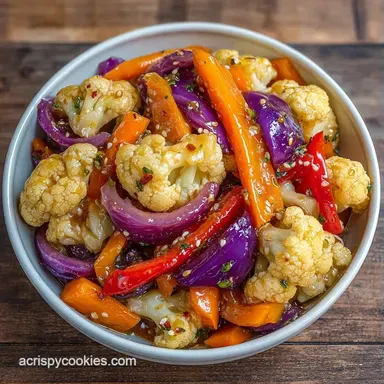
Refrigerator Pickled Veggie Mix: Rapid-Brine Method
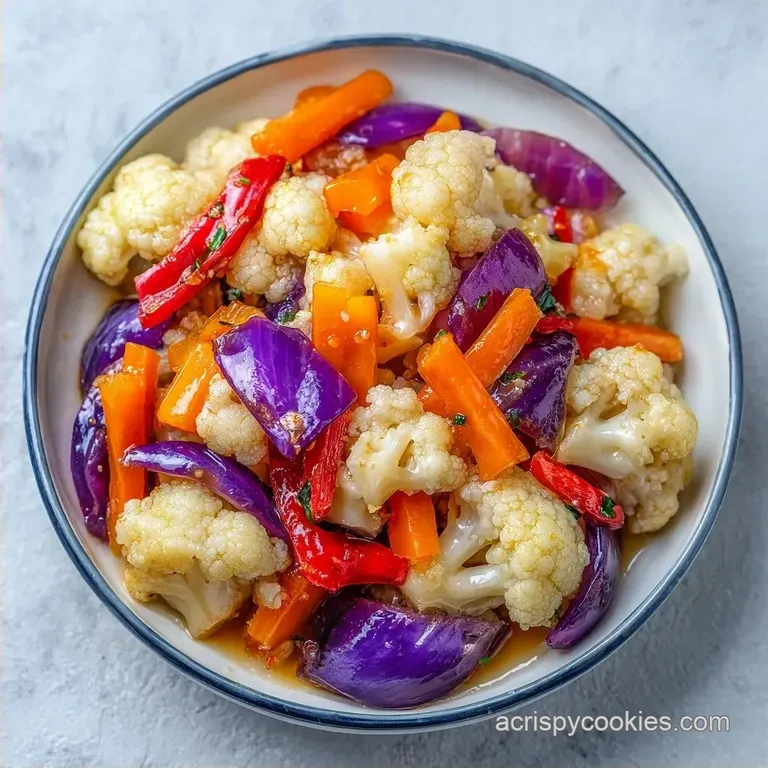
- Time: 20 min active + 2 hours 25 mins chilling
- Flavor/Texture Hook: Shatter crisp vegetables with a tangy, garlic forward brine
- Perfect for: Meal prep, sandwich toppers, or a bright side for heavy mains
- Refrigerator Pickled Veggie Mix
- The Component Breakdown
- Your Pantry Essentials
- Essential Kitchen Tools
- The Stepped Process
- Fixing Common Issues
- Troubleshooting Common Issues
- Customizing Your Flavors
- Adjusting Your Batch Size
- Truths About Pickling
- Storage and Waste
- Serving Your Pickles
- Very High in Sodium
- Recipe FAQs
- 📝 Recipe Card
That sharp pop of a mason jar lid is the best sound in the kitchen. I remember thinking for years that pickling was this scary, high stakes science project involving boiling water baths and a fear of things exploding in the pantry.
I thought if I didn't have a professional canning setup, I was stuck with store-bought jars that tasted like salty water and preservatives.
Forget that. You don't need to be a chemist or own a pressure canner to get a professional result. This Refrigerator Pickled Veggie Mix relies on the cold of your fridge to do the heavy lifting. It's a shortcut that doesn't sacrifice quality, giving you that bright, zingy contrast that cuts right through rich foods.
We're aiming for a specific balance here: the sweetness of the mini peppers, the earthiness of the cauliflower, and the sharp bite of the red onion. When you get the brine ratio right, the vegetables don't just sit in vinegar, they absorb it.
You end up with a mix that is velvety in its acidity but still has a loud, satisfying crunch.
Refrigerator Pickled Veggie Mix
Right then, let's get into why this works. Most people think pickling is just about soaking things in vinegar, but there's a bit of a tug of-war happening inside the jar. We want the brine to penetrate the cell walls of the vegetables without breaking them down completely.
If you boil the vegetables, they turn into mush. If you use a cold brine, it takes forever for the flavor to get deep into the center of a carrot coin.
The trick is using a hot brine poured over raw vegetables. The heat opens up the pores of the veg just enough for the vinegar and salt to rush in, but because they aren't being cooked in the pot, they keep their structural integrity. It's all about that temperature window.
The Salt Pull: Salt draws moisture out of the vegetables through osmosis, making room for the vinegar and spices to move in. This is why the vegetables stay firm rather than becoming waterlogged.
Sugar Balance: A small amount of sugar doesn't make this a "sweet pickle", but it rounds off the harsh edges of the distilled white vinegar. It creates a smoother flavor profile that hits different parts of your tongue.
Acid Stabilization: The vinegar prevents spoilage and gives that signature tang. Using distilled white vinegar ensures the flavor is clean and doesn't clash with the natural taste of the peppers or celery.
Aromatic Infusion: Smashed garlic and whole mustard seeds release oils more effectively when hit with hot liquid, ensuring the brine isn't just sour, but deeply savory.
| Method | Prep Time | Texture | Best For |
|---|---|---|---|
| Hot Brine (this way) | 20 mins | Shatter crisp | Immediate use, bright flavor |
| Cold Steep | 20 mins | Softer/Fresh | Very delicate herbs, mild tang |
| Traditional Canning | 60 mins | Preserved/Soft | Long-term shelf storage |
The Component Breakdown
I like to look at my ingredients as a flavor map. You've got the "crunch" (carrots, celery), the "sponge" (cauliflower), and the "aromatics" (garlic, onion). If you change one, you have to adjust the others to keep the balance.
| Ingredient | Science Role | Pro Secret |
|---|---|---|
| Distilled White Vinegar | Acid source | Use a clear vinegar to keep the colors of the veg vibrant |
| Kosher Salt | Osmotic agent | Avoid table salt; the additives can make the brine cloudy |
| Cauliflower | Texture sponge | Cut into tiny florets so the brine hits more surface area |
| Mini Sweet Peppers | Sugar source | Slice into thin rings to let the brine penetrate the skin |
Your Pantry Essentials
For this Refrigerator Pickled Veggie Mix, the quality of your vinegar matters. Don't use a cheap "cleaning" vinegar; stick to food grade distilled white vinegar. It's the neutral canvas that lets the garlic and dill shine.
- 1 cup (130g) cauliflower florets, cut into bite-sized pieces Why this? Great for absorbing the garlic brine
- 1 cup (130g) carrots, peeled and sliced into coins Why this? Adds a natural sweetness and hard crunch
- 1 cup (150g) mini sweet peppers, sliced into rings Why this? Balances acidity with a mild fruitiness
- 1/2 cup (75g) red onion, thinly sliced Why this? Adds a sharp, pungent contrast
- 1/2 cup (75g) celery, sliced into crescents Why this? Provides a salty, watery snap
- 1 cup (240ml) distilled white vinegar Why this? Standard acid for a clean, sharp taste
- 1 cup (240ml) water Why this? Dilutes the acid to prevent "vinegar burn"
- 2 tbsp (25g) kosher salt Why this? Pure salt for better brine clarity
- 1 tbsp (12g) granulated sugar Why this? Mellows the acidity
- 3 cloves (9g) garlic, smashed Why this? Smashed releases more allicin than minced
- 1 tsp (2g) whole black peppercorns Why this? Slow release heat
- 1 tsp (3g) mustard seeds Why this? Adds a nutty, vinegary depth
- 1 pinch (1g) red pepper flakes Why this? A tiny hint of back end warmth
- 2 sprigs (2g) fresh dill Why this? The classic "pickle" aroma
If you're out of mini sweet peppers, you can use sliced red bell peppers. They are a bit more watery, but they still work. For the vinegar, apple cider vinegar is a decent substitute, though it will turn the brine a golden hue and add a fruity note.
Essential Kitchen Tools
You don't need much, but the jars are non negotiable. Use glass. Plastic can react with the acidity of the vinegar and might leach smells into your food over time.
- Two 16 oz glass mason jars with lids
- A small stainless steel saucepan
- A sharp chef's knife and cutting board
- A measuring cup and tablespoon
- Tongs (for packing the veg)
Chef Note: If you have a wide mouth jar, use it. It makes packing the vegetables much easier and prevents you from crushing the cauliflower florets as you push them down.
The Stepped Process
Let's crack on. The goal here is speed and precision. We want the brine hot, but not boiling for ten minutes, or you'll lose the punch of the vinegar.
Phase 1: Precision Chopping
Cut all vegetables into uniform, bite-sized pieces. I'm talking about coins and crescents that are roughly the same thickness. This ensures a consistent pickling experience; you don't want a carrot that's still raw in the middle while the onion has turned to mush.
Phase 2: The Pack & Pour
Pack the vegetables, smashed garlic, and whole spices tightly into two 16 oz glass mason jars. Leave about 1/2 inch of headspace at the top. You want them snug - almost like you're packing a suitcase - so they don't float to the top once the liquid goes in.
Phase 3: The Rapid Brine
Combine distilled white vinegar, water, kosher salt, and sugar in a small saucepan. Bring the mixture to a simmer over medium high heat. Stir constantly until the salt and sugar have completely dissolved. You'll know it's ready when the liquid looks clear and starts to bubble gently.
Phase 4: The Cold Set
Remove the brine from heat immediately. Slowly pour the hot brine over the vegetables in the jars, ensuring every piece is completely submerged. Tap the jars gently on the counter to release any trapped air bubbles. Screw the lids on tight.
Phase 5: The Chill
Allow the jars to cool on the counter for about 30 minutes. Then, move them to the refrigerator. Let them chill for a minimum of 2 hours, though 24 hours is where the magic happens. The flavors need that time to migrate from the brine into the center of the vegetables.
Fixing Common Issues
Even the best of us hit a snag. Usually, it comes down to temperature or the way the vegetables were cut.
Troubleshooting Common Issues
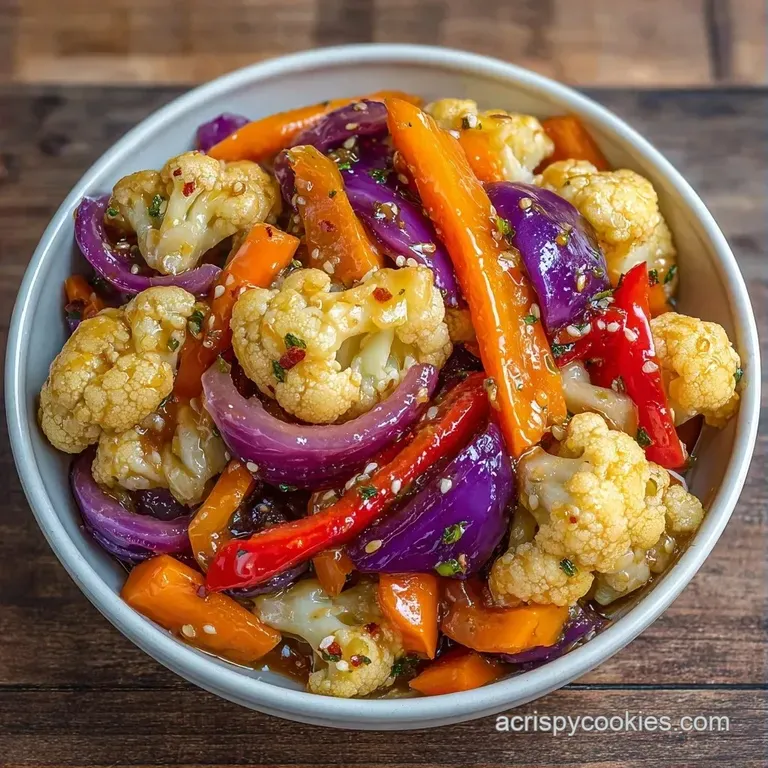
| Issue | Solution |
|---|---|
| Why Your Veggies Lost Crunch | If your vegetables feel soft or rubbery, you likely kept the brine on the heat too long or didn't cool the jars before putting them in the fridge. |
| Why the Brine is Cloudy | Cloudiness usually happens if you use table salt instead of kosher salt. Table salt often contains anti caking agents that react with the vinegar. |
| Why the Flavor is Too Harsh | If the Refrigerator Pickled Veggie Mix tastes like straight vinegar, you might have skipped the sugar or used too little water. The sugar and water act as the "buffer" for the acid. |
Common Mistakes Checklist
- ✓ Did you smash the garlic instead of mincing it? (Prevents burnt garlic bits)
- ✓ Are the veg submerged? (Exposed veg can soften or spoil)
- ✓ Did you leave headspace? (Allows for expansion during cooling)
- ✓ Did you use distilled vinegar? (Ensures a neutral, clean flavor)
Customizing Your Flavors
This is where you can really play around. The base Refrigerator Pickled Veggie Mix is a canvas. If you want something more aggressive, add a teaspoon of celery seed or a few slices of fresh ginger.
For a spicy kick, double the red pepper flakes or add a sliced habanero to each jar. If you prefer a sweet and sour profile, increase the sugar to 2 tablespoons. It won't be a candy pickle, but it will lean more toward a bread and butter style.
If you love a more concentrated pepper flavor, you might enjoy my Pickled Bell Peppers recipe, which focuses specifically on that shatter crisp pepper texture.
For those watching their sugar, you can make a Refrigerator Pickled Veggie Mix No Sugar version. Just omit the granulated sugar entirely. The result is a much sharper, more acidic pickle that works incredibly well on salty deli sandwiches or as a palate cleanser for rich meats.
Adjusting Your Batch Size
Scaling this is straightforward, but you can't just multiply everything by four and hope for the best. Salt and spices don't always scale linearly.
Scaling Down (Half Batch) If you're only making one jar, halve all ingredients. Use a smaller saucepan so the brine doesn't evaporate too quickly during the simmer. Your prep time will drop to about 10 minutes.
Scaling Up (Double or Triple) When doubling the recipe, increase the salt and sugar exactly, but only increase the whole spices (peppercorns, mustard seeds) by 1.5x. Too many whole spices can overpower the vegetables and make the brine taste "dusty".
Work in batches when packing the jars to ensure they stay tight.
If you're making a massive batch for a party, make sure you have enough room in your fridge. Don't crowd the jars too closely, or they'll take longer to cool down, which can affect the crunch.
Truths About Pickling
There are a few things people tell you about pickling that are just plain wrong. Let's set them straight.
The "Boiling Jar" Myth You'll hear that you must boil your jars for 10 minutes to "sterilize" them. For refrigerator pickles, this is overkill. As long as your jars are washed with hot soapy water and dried, the acidity of the vinegar handles the preservation.
The "Sugar is for Sweetness" Myth Many think sugar is only for making things taste like candy. In reality, sugar is a flavor balancer. It suppresses the "burn" of the acetic acid, allowing the taste of the garlic and dill to actually come through.
The "Instant Taste" Myth Some recipes claim you can eat these in 10 minutes. While you can, you're just eating vinegar soaked raw veg. The real transformation happens between hour 12 and hour 24, when the brine actually replaces the water inside the vegetable cells.
Storage and Waste
These will stay fresh and crisp in the fridge for about 3 to 4 weeks. Just make sure you use a clean fork every time you dip into the jar. Introducing bacteria from your mouth or a used spoon will make the brine cloudy and shorten the shelf life.
Freezing Do not freeze these. The water in the vegetables will expand and rupture the cell walls, leaving you with a mushy, unappetizing mess once thawed.
Zero Waste Tips Don't toss the leftover brine! It's essentially a seasoned vinegar. I use it to marinate chicken breasts for 2 hours before grilling, or I whisk it into a homemade vinaigrette for a quick salad.
If you have leftover vegetable scraps from the chopping phase, toss them into a freezer bag for your next batch of veggie stock.
Serving Your Pickles
Presentation is everything. I like to serve these in a chilled bowl with a few extra sprigs of fresh dill on top for a pop of color. The contrast of the bright orange carrots and deep purple onions looks stunning on a platter.
These are the perfect companion for something rich. I often serve a scoop of this mix alongside my Creamy Breakfast Enchiladas to cut through the richness of the cheese and sauce.
If you're putting them on a charcuterie board, pair them with a sharp cheddar or a creamy brie. The acidity of the Refrigerator Pickled Veggie Mix cleanses the palate, making every bite of cheese taste like the first one.
Just remember to drain the liquid before adding them to a board so you don't end up with a vinegar puddle running into your crackers.
Very High in Sodium
2375 mg 2,375 mg of sodium per serving (103% 103% of daily value)
The American Heart Association recommends a daily limit of no more than 2,300 mg of sodium for most adults, and ideally closer to 1,500 mg for those with hypertension.
Tips to Reduce Sodium
-
Reduce Kosher Salt-25%
The kosher salt is the primary source of sodium; reduce the quantity by half or use a lower-sodium alternative to significantly drop the salt content.
-
Increase Acidity-10%
Add a splash of lemon juice or slightly increase the white vinegar to provide a sharp, tangy flavor that mimics the taste of salt.
-
Amplify Aromatics-5%
Double the amount of smashed garlic to add more pungent, savory depth to the brine without adding any sodium.
-
Enhance Herbs and Spices
Increase the amount of fresh dill and black peppercorns to create a more complex flavor profile that distracts from the lower salt levels.
Recipe FAQs
Can you use store-bought pickle juice to make more pickles?
No, it is not recommended. Commercial juices often lack the specific acidity and spice balance needed for fresh vegetables. For a better result, prepare a fresh sweet pickle brine.
How can someone make homemade vegetable pickles?
Cut vegetables into uniform, bite-sized pieces. Pack them into jars with garlic and spices, then cover them with a simmering mixture of distilled white vinegar, water, kosher salt, and sugar.
How to make sweet pickles without canning?
Simmer distilled white vinegar, water, kosher salt, and sugar until dissolved. Pour the hot brine over packed vegetables and refrigerate for at least 2 hours.
What is the easiest way to pickle vegetables?
Use the refrigerator method. This avoids complex water-bath canning by using hot brine and cold storage to keep vegetables crisp and safe.
What is the best recipe to cook spicy pickles?
Add red pepper flakes to the jar. Combine them with mustard seeds and peppercorns before pouring in the hot brine for a consistent, spicy kick.
What do pickled peppers taste like?
They are tangy, acidic, and slightly sweet. The vinegar brine cuts through the natural pepper heat, resulting in a bright, crisp flavor.
Why do you make your own pickles?
You have total control over ingredients. Homemade versions allow you to avoid artificial preservatives and adjust the salt and sugar levels to your exact preference.
Refrigerator Pickled Veggie Mix: Crisp