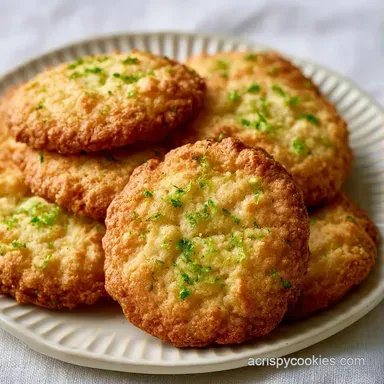
Chewy Key Lime Cookies: Tangy and Soft
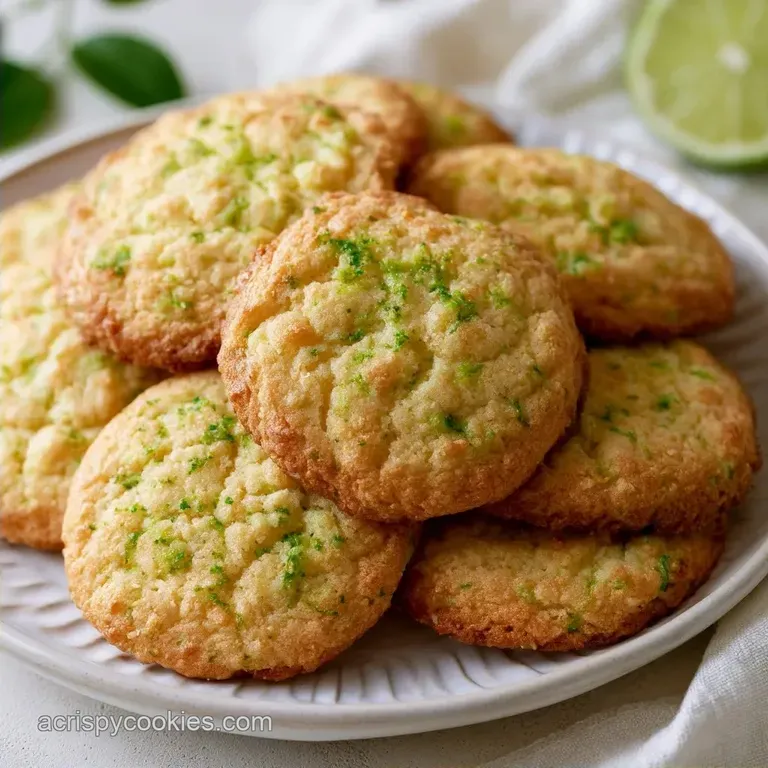
- Time: 15 min active + 9 min baking
- Flavor/Texture Hook: Tangy lime zing with a soft, bendy center
- Perfect for: Summer parties or a bright afternoon snack
The scent of fresh lime zest hitting a warm bowl of butter is one of my favorite things in the kitchen. There is that tiny spray of citrus oil that fills the air immediately, signaling that something bright and punchy is happening.
I used to think all limes were the same, but once you get a hold of actual Key limes, you realize they have a floral, almost creamy tartness that regular Persian limes just can't touch.
These Chewy Key Lime Cookies rely on that specific acidity to cut through the sugar. Most citrus cookies end up tasting like a candle or become too cakey, but this version stays dense and fudgy. It's all about the contrast between the rich, caramelized notes of brown sugar and the sharp, electric hit of the glaze.
You can expect a cookie that doesn't spread into a puddle. They hold their shape just enough to keep a thick center, and the icing adds a final layer of tang that wakes up the whole palate. It is a restaurant style treat that actually works in a home oven.
Chewy Key Lime Cookies
The flavor profile here is a map of contrasts. You have the deep, molasses like sweetness of the brown sugar fighting against the bright, acidic punch of the lime juice. Then comes the butter, which rounds everything out and gives the dough a rich mouthfeel.
This balance is what makes the cookies feel professional rather than just "sweet."
To get that specific "copycat" bakery texture, we use a combination of sugars. The granulated sugar gives the edges a tiny bit of crisp, while the brown sugar ensures the middle stays bendy.
When you add the lime zest directly into the butter, the fat traps those aromatic oils, making the citrus flavor taste more integrated and less like an afterthought.
If you've tried other citrus treats, you know the struggle of the "cakey" cookie. That happens when there is too much aeration or too much flour. By keeping the mixing to a minimum and adding a touch of cornstarch, we keep the crumb tight and chewy.
It's an investigative approach to baking where every gram of flour matters.
What Makes This Soft
The trick to the texture is in the ingredients' interaction. I've looked into why some citrus cookies fail, and it usually comes down to the acidity breaking down the structure.
- Brown Sugar
- The molasses in brown sugar attracts moisture, which keeps the cookies from drying out in the oven.
- Cornstarch
- It softens the proteins in the flour, resulting in a more tender, bendy bite.
- Room Temp Egg
- This allows the fats and liquids to bond quickly, preventing the dough from splitting.
| Ingredient Choice | Impact on Result | Taste Difference | Cost Impact |
|---|---|---|---|
| Fresh Key Limes | High aromatic punch | Floral and tart | Higher |
| Bottled Lime Juice | Consistent acidity | Flat, one dimensional | Lower |
| Persian Limes | Stronger acidity | Sharper, less floral | Medium |
Ingredient Deep Dive
Every part of this recipe serves a purpose. If you remove the cornstarch, you'll get a flatter cookie. If you skip the zest, you lose the "perfume" of the lime.
| Ingredient | What It Does | Best Swap |
|---|---|---|
| Unsalted Butter | Provides richness and structure | Coconut oil (solid) |
| Brown Sugar | Adds chew and moisture | Dark brown sugar (richer) |
| Cornstarch | Prevents over spreading | Arrowroot powder |
| Key Lime Zest | Concentrates the citrus aroma | Lemon zest (changes flavor) |
Shopping List Breakdown
For the dough, you will need 115g of unsalted butter, softened to the point where it gives under pressure but isn't melting. Grab 150g of light brown sugar and 50g of granulated sugar. You'll need one large egg at room temperature and 5ml of vanilla extract.
The stars are the 12g of fresh Key lime zest and 15ml of fresh Key lime juice. For the dry base, get 250g of all purpose flour, 6g of cornstarch, 5g of baking soda, and 3g of salt.
For the icing, keep it simple with 120g of powdered sugar, 30ml of fresh Key lime juice, 2g of Key lime zest, and 5ml of milk.
Why this? Using Key limes instead of regular limes provides a more complex, aromatic flavor profile.
Essential Gear
You don't need a professional kitchen, but a few things help. A stand mixer such as KitchenAid is great for the creaming stage, but a hand mixer works just as well. You'll need a digital scale for the most accurate results, as flour is easily packed too tightly in a measuring cup.
Parchment paper is a must. It prevents the bottoms from over browning and makes cleanup a breeze. I also recommend a medium cookie scoop to ensure every piece of dough is the same size, which means they all finish baking at the exact same time.
Step-by-step Instructions
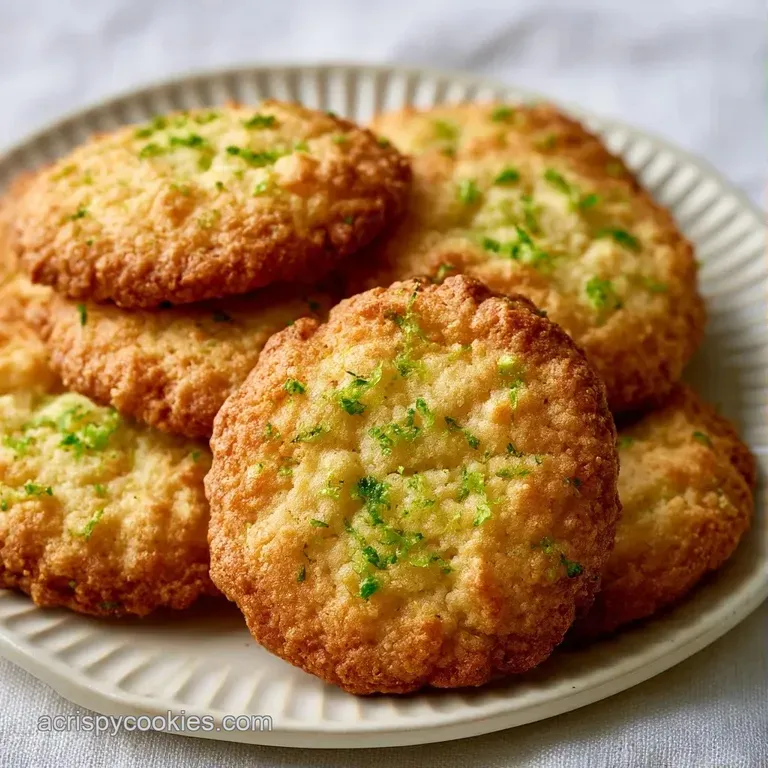
- Beat 115g softened butter, 150g brown sugar, and 50g granulated sugar on medium high for 3 minutes until pale and fluffy. Note: This creates the air pockets needed for lift.
- Mix in the room temperature egg, 5ml vanilla, 12g lime zest, and 15ml lime juice until the batter is smooth and fragrant.
- Whisk 250g flour, 6g cornstarch, 5g baking soda, and 3g salt in a separate bowl.
- Gradually add the flour mixture to the wet ingredients on low speed, mixing until white streaks of flour disappear. Note: Overmixing here makes the cookies tough.
- Preheat oven to 175°C (350°F). Scoop rounded tablespoons of dough onto parchment lined sheets, spacing them 5cm (2 inches) apart.
- Bake for 9 minutes until edges are barely set but centers look slightly underdone.
- Let the cookies cool on the pan for 5 minutes before moving them to a wire rack.
- Whisk 120g powdered sugar, 30ml lime juice, 2g lime zest, and 5ml milk to create a silky glaze.
- Apply the glaze to completely cooled cookies using a spoon or piping bag.
Flat Cookie Causes
If your cookies spread too much, it usually comes down to the butter temperature or the creaming process. When butter is too soft, it incorporates too much air and melts too quickly in the oven.
Another cause is over creaming. Beating the sugar and butter for 10 minutes instead of 3 minutes creates a structure that collapses under its own weight. If you notice the dough feels greasy, a 15 minute chill in the fridge before scooping can save the batch.
Flat Cookies
Dry or Cakey Texture
Weak Lime Flavor
| Problem | Root Cause | Solution |
|---|---|---|
| Spreading too thin | Butter too warm or over beaten | Chill dough 15 mins before baking |
| Cakey/Dry center | Too much flour in the cup | Use a scale or spoon flour into cup |
| Lacks "zing" | Zest was omitted or old | Use fresh zest and add extra to glaze |
Customizing Your Batch
If you want to experiment, there are a few directions you can take. For a more tropical vibe, try adding 50g of shredded coconut to the dough. It adds a chewy texture that pairs well with the lime.
Another option is folding in 100g of white chocolate chips, which provides a creamy sweetness that balances the tart icing.
If you enjoy this citrus profile but want something slightly different, you might like my soft chewy lemon cookies which use a similar base but a different citrus punch. For those who prefer a more classic approach, these are a great alternative to Classic Chocolate Chip Cookies recipe when you need something refreshing for summer.
Tropical Twists
Try a dip of melted white chocolate on half the cookie, then sprinkle with toasted coconut. This creates a beautiful visual contrast and adds a rich, creamy layer.
Diet Swaps
For a gluten-free version, use a 1:1 GF baking flour blend. Note: The cookies may spread slightly more, so increase the chilling time to 30 minutes.
Adjusting the Batch Size
Scaling these Chewy Key Lime Cookies requires a bit of care, especially with the egg. If you are cutting the recipe in half, don't just guess the egg. Crack one egg into a bowl, whisk it, and use exactly 25g of the mixture.
When doubling the recipe, avoid overworking the dough in one giant batch. I recommend working in two separate batches to ensure the butter and sugar are creamed evenly. If you bake a double batch, lower the oven temp to 160°C (325°F) and extend the bake time by 2-3 minutes to prevent the bottoms from burning while the centers set.
Common Baking Beliefs
Some people think you must use an electric mixer for the frosting. In reality, a hand whisk and a bowl work better because you can control the thickness of the glaze more accurately.
There is also a belief that Key limes are just smaller regular limes. They aren't. Key limes have a distinct, floral aroma and a higher acidity level that provides the specific "zing" found in these Chewy Key Lime Cookies.
Storage Guidelines
Store these in an airtight container at room temperature for up to 4 days. To keep them from sticking together, place a piece of parchment paper between each layer of cookies.
If you want them to last longer, you can freeze them. I recommend freezing the dough balls on a tray first, then transferring them to a freezer bag. This way, you can bake a few at a time. Frozen baked cookies last about 2 months.
For zero waste, don't throw away the leftover lime rinds. You can toss them into a jar of sugar to make lime infused sugar for your morning coffee or tea.
Serving Suggestions
These cookies are best served at room temperature. If you stored them in the fridge, let them sit for 20 minutes so the butter softens back up, restoring that signature chew.
For a fancy presentation, serve them on a platter with fresh lime slices and a few mint leaves. They pair perfectly with a cold glass of iced tea or a sparkling lime spritz. If you're serving them for a brunch, try pairing them with a fresh berry medley to play up the tart flavors.
Since these Chewy Key Lime Cookies have a bright, acidic profile, they work well as a palate cleanser after a heavy meal. Just make sure the glaze is fully set before stacking them, or you'll end up with a sticky, limey mess.
Recipe FAQs
How to store these cookies?
Place them in an airtight container at room temperature. They stay fresh for up to 4 days. Use parchment paper between layers to prevent sticking.
Can I freeze the dough?
Yes, freezing the dough is a great option. Scoop dough balls onto a tray and freeze before transferring them to a bag. This allows you to bake small batches on demand.
Why are these cookies so chewy?
The combination of brown sugar and cornstarch creates the chew. If you enjoyed the tender bite provided by cornstarch here, see how the same principle works in our lemon sugar cookies.
How to tell when the cookies are done?
Remove them when edges are barely set and centers look slightly underdone. They will finish setting on the pan. Overbaking will ruin the soft texture.
Why must I beat the butter and sugar for 3 minutes?
This process incorporates air pockets needed for lift. Skipping this step results in a denser, flatter cookie.
Is it true I can skip the cornstarch without affecting the texture?
No, this is a common misconception. Cornstarch is essential for keeping the cookies soft and chewy rather than crisp.
How to avoid making the cookies tough?
Mix the flour on low speed only until white streaks disappear. Overmixing develops too much gluten, which makes the cookie cakey instead of chewy.
Chewy Key Lime Cookies in 24 Minutes