Classic Pineapple Upside Down Cake: Caramelized and Moist
- Time: Active 15 minutes, Passive 40 minutes, Total 55 minutes
- Flavor/Texture Hook: Velvety, moist crumb with a buttery, caramelized fruit crown
- Perfect for: Vintage themed parties, Sunday brunch, or reliable weeknight dessert
- Perfect Classic Pineapple Upside Down Cake
- Why This Recipe Works
- Strategic Component Analysis
- Required Ingredients and Substitutions
- Essential Tools for Success
- Detailed Step-by-Step Method
- Fixing Common Baking Errors
- Scaling and Batch Adjustments
- Flavor Twists and Variations
- Debunking Common Baking Myths
- Storage and Zero Waste
- Professional Presentation Techniques
- Recipe FAQs
- 📝 Recipe Card
Perfect Classic Pineapple Upside Down Cake
We have all been there: you flip the pan with high hopes, only to find the pineapple slices sliding off like loose tiles while the cake itself has the consistency of wet, sugary bread.
It is a frustrating failure that usually stems from one of two things: excess fruit moisture or an imbalanced batter that cannot support the weight of the syrup. When the crumb is too light, the juices from the canned fruit saturate the sponge, turning a potential masterpiece into a cloying, rubbery mess that lacks the structural integrity to stand tall.
This classic pineapple upside down cake is engineered to solve those specific textural hurdles through precise ingredient ratios and a tested "melt in-pan" technique. Instead of a standard butter and sugar creamed batter, which can often be too airy to hold up under heavy fruit, we use a combination of neutral oil and Greek yogurt.
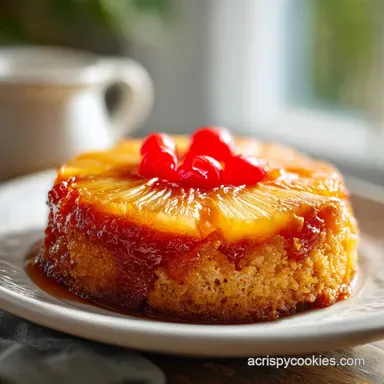
This creates a sturdy yet velvety crumb that remains moist without becoming waterlogged by the pineapple juice. The result is a cake that looks as structured as it is flavorful, with every cherry staying exactly where you placed it.
The beauty of this method lies in how it treats the fruit topping as a functional component of the bake, not just a garnish. By pressing the brown sugar into a smooth paste directly over melted butter in a 350°F (175°C) pan, we initiate the caramelization process before the batter even touches the fruit.
This creates a barrier of concentrated sugar that protects the cake from excess liquid, ensuring that the fruit "shatters" slightly in its candy coating rather than simply sitting in a pool of juice.
Why This Recipe Works
Developing a consistent classic pineapple upside down cake requires understanding how moisture migrates during the 40 minutes of baking. If the batter is too hydrated, it won't absorb the escaping fruit juices; if it is too dry, it will pull all the moisture from the top, leaving the pineapple looking parched.
- Acidic Tenderization: The lactic acid in the 1/2 cup of plain Greek yogurt breaks down long gluten strands in the 1.5 cups of all purpose flour, creating a velvety texture that is sturdy enough to support the fruit but soft on the palate.
- Syrup Viscosity Control: Melting the 1/4 cup of unsalted butter directly in the pan and mixing it with 2/3 cup of light brown sugar creates a high viscosity syrup that clings to the fruit, preventing it from sinking or shifting during the flip.
- Dual Fat Hydration: Using a combination of neutral oil and yogurt provides a wider range of fat molecules that coat the starch granules, ensuring the crumb stays moist for days without the "greasy" feel often associated with heavy butter cakes.
- Fruit juice Integration: Incorporating 1/3 cup of the reserved juice directly into the wet ingredients ensures the pineapple flavor is woven through the entire cake structure, not just sitting on the surface.
| Method | Cook Time | Texture Outcome | Best For |
|---|---|---|---|
| Traditional Oven | 40 minutes | Even, golden crumb | Classic presentation |
| Cast Iron Stovetop | 35 minutes | Deeply charred sugar | Rustic, crispy edges |
| Sheet Pan Style | 25 minutes | Thinner, snackable | Large crowds |
The choice between an oven baked version and a stovetop version usually comes down to how much you value evenness versus texture. The oven provides radiant heat that surrounds the 9x13 inch pan, ensuring the 1.5 teaspoons of baking powder lift the batter uniformly.
While stovetop methods can produce a more aggressive "sizzle" and darker caramel, they often lead to a dome in the center and uneven doneness across the rectangular pan. For this specific recipe, the oven is the superior choice for a predictable, high-quality result.
Strategic Component Analysis
To achieve a consistent bake, we must look at the specific gravity of our ingredients. This isn't just about mixing things in a bowl; it is about how the proteins in the egg and yogurt react to the sugars under heat.
A successful classic pineapple upside down cake relies on the batter setting at the exact moment the fruit finishes its caramelization.
| Ingredient | Science Role | Pro Secret |
|---|---|---|
| Greek Yogurt | Provides acidity and protein structure | Use full fat for the most velvety crumb possible |
| Neutral Oil | Keeps the crumb soft at room temperature | Avocado oil offers a cleaner flavor than vegetable oil |
| Brown Sugar | Creates the hygroscopic caramel topping | Press it firmly into the butter to prevent air pockets |
When the 1/4 cup of melted butter meets the 2/3 cup of light brown sugar, they form a suspension. This suspension is what prevents the pineapple slices from sticking to the bottom of the pan. The sugar acts as a lubricant as much as a sweetener. If you were to skip the butter or use a low-fat substitute, the sugar would simply bond to the metal of the pan, making the 10 minute inversion a nightmare of torn cake and stuck fruit. Understanding the fat to sugar ratio here is just as important as the fat to flour ratio in something like a Flaky Apple Pie.
Required Ingredients and Substitutions
Precision is paramount when dealing with the "upside down" mechanic. Every gram of moisture counts toward the final structural integrity of the cake. Below are the exact components required for a 12 serving yield, along with viable swaps if your pantry is missing an item.
- 1/4 cup unsalted butter, melted: Why this? Provides the fat base for the caramel topping to prevent sticking.
- 2/3 cup light brown sugar, packed: Why this? The molasses content creates a rich, deep caramel flavor.
- 1 can (20 oz) pineapple slices in 100% juice: Why this? Essential for the signature look; juice is used in the batter.
- 15 maraschino cherries, patted dry: Why this? Adds the classic vintage pop of color and sweetness.
- 1.5 cups all purpose flour: Why this? Provides the necessary protein for a sturdy, sliceable structure.
- 3/4 cup granulated sugar: Why this? Sweetens the batter without adding the moisture of brown sugar.
- 1.5 tsp baking powder: Why this? The primary leavening agent that reacts with the yogurt.
- 0.5 tsp salt: Why this? Balances the intense sweetness of the fruit and caramel.
- 1 large egg, room temperature: Why this? Binds the ingredients and provides lift.
- 1/2 cup plain Greek yogurt (2%): Why this? Adds moisture and acidity for a tender crumb.
- 1/3 cup reserved pineapple juice: Why this? Infuses the cake with fruit flavor throughout.
- 2 tsp vanilla extract: Why this? Rounds out the flavors with floral notes.
- 1/4 cup neutral oil (avocado or grapeseed): Why this? Ensures a soft, velvety texture even when cold.
| Original Ingredient | Substitute | Why It Works |
|---|---|---|
| Greek Yogurt | Sour Cream | Similar acidity and fat levels for a tender crumb. |
| Neutral Oil | Melted Coconut Oil | Adds a subtle tropical scent; remains solid at room temp. |
| Light Brown Sugar | Dark Brown Sugar | More molasses; results in a darker, more bitter caramel. |
When making substitutions, remember that the 1/3 cup of pineapple juice is a liquid acid. If you decide to swap it for milk or water, you will lose the reaction with the baking powder, and the cake will not rise as effectively.
Keeping the acidity levels consistent is the "secret" to that specific velvety texture we are after.
Essential Tools for Success
You do not need a laboratory of gadgets to make a classic pineapple upside down cake, but the quality of your pan and your mixing tools will dictate the ease of the final flip. A standard 9x13 inch baking pan is the traditional choice, but the material matters.
- Metal 9x13 Baking Pan: Light colored aluminum is best. It conducts heat rapidly and evenly, ensuring the sugar doesn't burn before the cake is done.
- Large Mixing Bowl: For whisking your dry ingredients to ensure no clumps of baking powder remain.
- Silicone Spatula: Vital for pressing the sugar into the butter and folding the batter without overworking it.
- Wire Cooling Rack: Necessary for the 10 minute resting period to allow the sugars to set slightly before inverting.
- Paper Towels: Used to pat the 15 maraschino cherries dry, which prevents "bleeding" into the batter.
Chef's Note: If you use a glass baking dish, reduce the oven temperature by 25°F (15°C) and extend the bake time by 5-10 minutes. Glass holds heat longer and can lead to over caramelized edges if not monitored.
Detailed step-by-step Method

- Preheat your oven to 350°F (175°C). Place 1/4 cup unsalted butter in a 9x13 inch baking pan and set it in the oven for 3–5 minutes until fully melted and bubbling slightly.
- Remove the pan from the oven and sprinkle 2/3 cup light brown sugar evenly over the melted butter. Note: Use a spatula to press the sugar into a smooth, even paste across the bottom of the pan to ensure full fruit coverage.
- Arrange the pineapple slices on top of the sugar layer. Place a maraschino cherry in the center of each pineapple ring and in the gaps between the slices until the bottom of the pan is a vibrant mosaic of fruit.
- In a large mixing bowl, whisk together the 1.5 cups flour, 3/4 cup granulated sugar, 1.5 teaspoons baking powder, and 0.5 teaspoon salt.
- In a separate bowl, whisk the room temperature egg, 1/2 cup Greek yogurt, 1/3 cup reserved pineapple juice, 2 teaspoons vanilla extract, and 1/4 cup neutral oil until the mixture is silky and pale yellow.
- Fold the wet ingredients into the dry ingredients using a spatula until just combined and no dry streaks remain. Note: Overmixing at this stage will develop gluten and make the cake tough.
- Pour the batter carefully over the fruit in the pan and smooth the top with your spatula.
- Bake for 40 minutes until the top is golden brown and a toothpick inserted into the center comes out clean.
- Allow the cake to cool in the pan for exactly 10 minutes on a wire rack.
- Run a thin knife around the edges of the cake, place a large serving platter over the pan, and invert in one swift motion until you hear the cake release with a soft thud.
Fixing Common Baking Errors
Even with a foolproof recipe, the "upside down" nature of this bake introduces variables that can go sideways. The most common issues are related to the 10 minute cooling window and the moisture content of the fruit.
Avoiding Saturated Cake Bases
If the cake feels soggy or wet after flipping, it usually means the 20 oz of pineapple slices were not drained well enough, or the batter was underbaked. The moisture from the fruit must be partially absorbed by the cake while the rest evaporates.
If the internal temperature doesn't reach at least 200°F (93°C), the starches won't set, and the juice will simply pool.
Releasing Sticking Pineapple Slices
Sometimes the fruit sticks to the pan even if you followed the steps. This happens if the 1/4 cup of butter wasn't spread evenly or if you waited longer than 10 minutes to flip. As the caramel cools, it acts like glue.
If you miss the window, place the pan over a low stovetop flame for 60 seconds to re melt the sugar before attempting the flip again.
| Problem | Root Cause | Solution |
|---|---|---|
| Fruit stays in pan | Sugar cooled too much | Brief heat on stovetop to loosen. |
| Cake is gummy | Overmixed batter | Fold gently; stop when flour disappears. |
| Cherries are brown | Too much direct heat | Cover with foil if browning too fast. |
Common Mistakes Checklist
- ✓ Pat the maraschino cherries completely dry before placing them (prevents red dye from staining the cake).
- ✓ Use room temperature eggs to ensure the emulsion with the yogurt doesn't break.
- ✓ Don't skip the 10 minute rest; it allows the cake structure to firm up enough to hold the weight of the fruit.
- ✓ Always use pineapple in 100% juice, not heavy syrup, to avoid an overly cloying and sticky finish.
- ✓ Ensure your baking powder is fresh by testing a pinch in hot water; if it doesn't sizzle, your cake won't rise.
Scaling and Batch Adjustments
If you are cooking for a smaller crowd or a massive party, adjusting this classic pineapple upside down cake requires more than just multiplying the ingredients. The 9x13 pan is the sweet spot for the 40 minute bake time.
- Downscaling (1/2 Batch): Use an 8 inch square pan. The bake time will remain roughly 30-35 minutes. Since the recipe calls for 1 large egg, whisk the egg in a small bowl and use exactly 2 tablespoons of the mixture.
- Upscaling (Double Batch): Do not simply double the recipe in one massive pan. It is better to bake two separate 9x13 pans. If you must use a larger industrial sheet pan, reduce the oven temperature to 325°F (165°C) to ensure the center bakes before the edges burn.
- Liquid Ratios: When doubling, keep the pineapple juice at exactly 2/3 cup (double the 1/3 cup). Do not add extra "for flavor," as it will compromise the crumb.
For those looking for a different serving style, you can transform this into individual portions using a muffin tin. Place a small piece of pineapple and one cherry in each well, followed by the sugar paste. Reduce the baking time to 18-22 minutes.
This is a great way to avoid the stress of the "big flip."
Flavor Twists and Variations
While the vintage recipe is iconic, you can optimize the flavor profile by introducing new aromatics or dietary adjustments. This recipe is surprisingly flexible if you keep the fat to acid ratio consistent.
- Tropical Coconut Adaptation: Replace the neutral oil with 1/4 cup of melted coconut oil and add 1/2 cup of toasted shredded coconut to the dry ingredients. This pairs beautifully with the pineapple and gives the cake a "sizzle" of tropical flavor.
- Spiced Rum Infusion: Replace 2 tablespoons of the pineapple juice in the batter with a high-quality dark spiced rum. The alcohol burns off, but the molasses and spice notes remain, deepening the flavor of the caramelized topping.
- gluten-free Conversion: Use a high-quality 1:1 gluten-free flour blend (ensure it contains xanthan gum). Because GF flours absorb more moisture, increase the Greek yogurt by an additional 2 tablespoons to maintain the velvety texture.
If you are serving this for a special occasion, pairing it with a light, creamy side can balance the sugar. While it's great on its own, I've found that a small dollop of Marshmallow Fruit Dip on the side adds a whimsical, modern touch that kids and adults alike seem to gravitate toward.
Debunking Common Baking Myths
There is a lot of "kitchen folklore" surrounding the inversion process of this cake. Let's look at the facts.
- Myth: You must sear the pineapple first. Some people believe browning the pineapple in a skillet before adding it to the pan improves flavor. In reality, the 40 minutes in the oven provides plenty of heat for caramelization. Pre searing often makes the fruit too soft, causing it to disintegrate during the bake.
- Myth: Room temperature juice is required. While the egg must be room temperature to emulsify, the 1/3 cup of pineapple juice can be cold. The small volume won't crash the temperature of the batter enough to affect the rise.
- Myth: Flipping it hot is better. Flipping the cake immediately after it leaves the oven is a recipe for disaster. The steam inside the cake needs those 10 minutes to "set" the starches. If you flip too soon, the cake may literally fall apart in the middle.
Storage and Zero Waste
The high sugar content in the topping acts as a natural preservative, but the moisture from the yogurt means this cake needs to be handled carefully once it's cooled.
- Fridge Storage: This cake is best eaten within 24 hours but will keep in an airtight container in the refrigerator for up to 3 days. The texture will become denser as it chills.
- Freezing Guidelines: You can freeze individual slices by wrapping them tightly in plastic wrap and then foil. They will stay fresh for up to 2 months. Thaw in the fridge overnight and reheat for 15 seconds in the microwave to restore the velvety crumb.
- Zero Waste Tip: Don't throw away the remaining pineapple juice in the 20 oz can! You can simmer it down with a bit of sugar and a cinnamon stick to create a concentrated syrup for cocktails or to drizzle over pancakes the next morning. If you have leftover pineapple rings, chop them up and fold them into your next batch of morning oatmeal.
Professional Presentation Techniques
The "flip" is your big reveal, but you can take the aesthetic even further with a few simple tricks. Presentation is where the classic pineapple upside down cake truly shines as a centerpiece.
- The Glow Effect: For a professional "bakery" look, brush the fruit with a little extra melted apricot jam or warmed pineapple syrup right before serving. This adds a "shatter" like shine to the fruit and prevents it from looking dull if it has been sitting out.
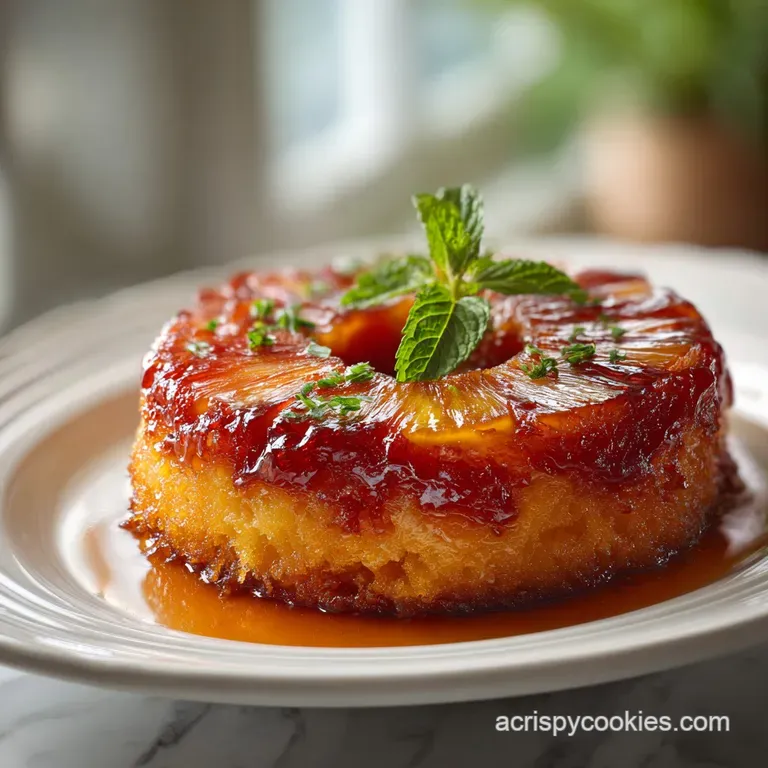
- Heightened Contrast: Serve each slice on a white plate to make the yellow pineapple and red cherries pop. A tiny sprig of fresh mint adds a green contrast that makes the dessert look much more contemporary.
- Temperature Play: While the cake is velvety at room temperature, serving it slightly warm with a scoop of cold vanilla bean ice cream creates a sensory experience that highlights the buttery caramel.
Remember, the "thud" you hear when you flip the pan is the sound of success. If you've followed the timing windows and the 350°F (175°C) temperature, you'll be rewarded with a cake that is as structurally sound as it is delicious.
This is a recipe that respects the science of baking while delivering the nostalgic comfort of a true kitchen classic.

Recipe FAQs
What is the best cake to use for pineapple upside down cake?
Use a sponge style batter containing Greek yogurt. This specific base provides the perfect structural integrity to support the heavy fruit layer while maintaining a moist, tender crumb.
What are common upside down cake mistakes?
Forgetting to pat the cherries dry is the most frequent error. Excess moisture from the cherries causes red dye to bleed into the golden cake, ruining the aesthetic. If you enjoyed mastering crumb density here, apply that same attention to detail by ensuring your wet and dry ingredients are properly emulsified.
What is the 1234 cake rule?
No, this is a common misconception. The 1234 rule one cup butter, two cups sugar, three cups flour, four eggs does not apply to this recipe. This cake relies on specific ratios of yogurt, oil, and pineapple juice for its signature moisture.
Do you flip pineapple upside down cake hot or cold?
Flip after exactly 10 minutes of resting. Cooling for longer causes the caramelized brown sugar paste to harden, making the cake stick to the pan; flipping too early results in a structural collapse.
How to ensure the pineapple slices don't stick to the pan?
Press the brown sugar into a smooth, even paste across the melted butter before placing the fruit. This creates a uniform caramelized barrier that prevents the cake batter from bonding directly to the metal.
How to tell when the cake is finished baking?
Insert a toothpick into the center and pull it out; the cake is done when the toothpick comes out clean. Ensure you hit the 40-minute mark to verify the center is fully set.
How to store leftovers to keep the texture fresh?
Place the cake in an airtight container and store it in the refrigerator for up to 3 days. Because of the yogurt and juice, the cake will naturally become denser as it chills.
Classic Pineapple Upside Down Cake
Ingredients:
Instructions:
Nutrition Facts:
| Calories | 268 kcal |
|---|---|
| Protein | 3.2 g |
| Fat | 9.3 g |
| Carbs | 43.2 g |
| Fiber | 0.7 g |
| Sugar | 30.5 g |
| Sodium | 105 mg |
