Lemon Shortbread Cookies: Buttery and Tender
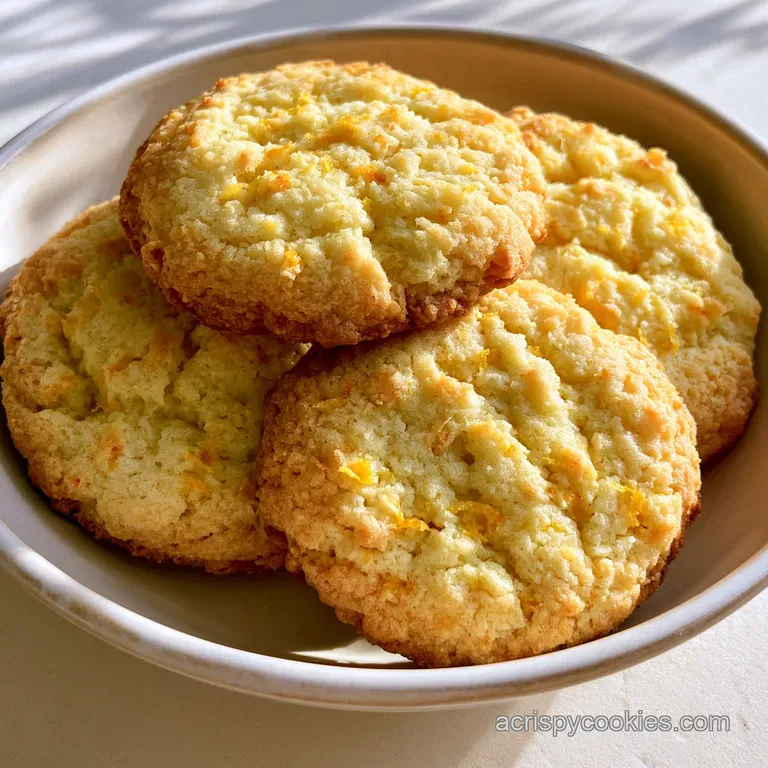
- Time: 20 min active + 30 min chilling = Total 62 mins
- Flavor/Texture Hook: Tangy, buttery, and velvety glaze
- Perfect for: Afternoon tea or a bright spring dessert
- Lemon Shortbread Cookies
- The Secret to the Snap
- Component Analysis
- The Baking Kit
- The Step by Step Process
- Solving Texture Issues
- Troubleshooting Common Issues
- Variations and Substitutions
- Adjusting the Batch Size
- Common Baking Misconceptions
- Storage and Freezer Tips
- Final Finishing Touches
- Recipe FAQs
- 📝 Recipe Card
The sharp, bright scent of fresh lemon zest hitting softened butter is honestly one of my favorite smells in the kitchen. But let's be real, shortbread is a tricky beast. Most people end up with cookies that are either too hard, like a roof shingle, or so crumbly they disintegrate the second you touch them.
I've spent way too much time staring at a tray of rubbery disks that tasted more like flour than butter.
The problem usually comes down to overworking the dough. When you mix flour and butter too aggressively, you develop gluten, which turns a delicate snap into a tough chew. For these Lemon Shortbread Cookies, we're aiming for a specific structural integrity that holds its shape but dissolves on the tongue.
You can expect a cookie that feels sturdy when you pick it up but has a velvety finish thanks to the cornstarch. We're skipping the fancy mixers for some parts and focusing on temperature control to make sure they don't spread into flat pancakes in the oven.
Trust me on the chilling step, it's the only way to get those clean, sharp edges.
Lemon Shortbread Cookies
The real magic happens when you balance the richness of the butter with the acidity of the lemon. If you're looking for something a bit heartier, you might enjoy an oatmeal cookie alternative, but for pure elegance, this is the way to go.
The goal here is a "short" crust, meaning the fat coats the flour particles so thoroughly that the gluten can't form long chains. This is what gives the cookies that signature shatter. By adding a small amount of cornstarch, we lower the overall protein content of the flour, making the crumb even finer.
Right then, let's get into the specifics of why this version actually works without the usual pitfalls.
The Secret to the Snap
Cornstarch Buffer: Replacing a tiny bit of flour with cornstarch prevents gluten development, ensuring a tender, sandy texture.
Fat Encapsulation: Creaming butter and sugar creates tiny air pockets that help the cookie stay light instead of dense.
Temperature Lock: Freezing the log for 30 minutes solidifies the fat, so the cookies hold their round shape during the first few minutes of baking.
Zest Infusion: Rubbing the zest into the butter releases essential oils, which provide a deeper lemon flavor than juice alone.
| Method | Time | Texture | Best For |
|---|---|---|---|
| Fast (Room Temp) | 30 mins | Spreads more, softer | Quick cravings |
| Classic (Chilled) | 62 mins | Sharp edges, crisp snap | Presentation/Gifts |
The difference between a rushed cookie and a chilled one is purely about the butter's state. When the butter is ice cold, it melts slower in the oven, giving the structure time to set.
Component Analysis
| Ingredient | Science Role | Pro Secret |
|---|---|---|
| Unsalted Butter | Provides structure and flavor | Use 82% fat European butter for a richer taste |
| Cornstarch | Softens the crumb | Sift with flour to avoid clumps |
| Lemon Zest | Primary aromatic | Zest before juicing the lemon |
| Powdered Sugar | Glaze stabilizer | Add juice drop by drop to avoid thinning |
Using unsalted butter is non negotiable here. You need total control over the salt levels to make sure the lemon flavor pops without tasting like a saltine cracker.
The Baking Kit
You don't need a professional kitchen, but a few specific tools make this a lot easier. A baking sheet with a parchment liner is a must, otherwise, you'll be scrubbing butter off your pans for an hour.
A sharp chef's knife is essential for slicing the chilled log; a dull knife will squash the cookies, ruining that perfect circle.
I usually use a small whisk for the glaze to get it velvety smooth. If you have a digital scale, use it. Measuring flour by the cup can be wildly inaccurate, and too much flour is the number one cause of a dry, tasteless cookie.
The step by step Process
Mixing the Base
- Cream the softened butter (113g) and granulated sugar (67g) together until the mixture looks pale and fluffy. Note: This incorporates air for a lighter bite.
- Stir in the lemon zest (1 tbsp) and vanilla extract (1 tsp), ensuring the zest is evenly distributed through the fat.
Integrating Dry Ingredients
- Sift in the all purpose flour (250g), cornstarch (16g), and salt (0.5g).
- Mix on low speed until the dough just comes together. Note: Stop the moment you see no more dry flour to avoid toughness.
Shaping and Chilling
- Press the dough into a tight log approximately 2 inches in diameter using plastic wrap.
- Place the log in the freezer for 30 minutes until the dough is firm to the touch.
Baking to Golden Perfection
- Preheat your oven to 325°F (160°C).
- Slice the chilled log into 1/4 inch thick rounds.
- Bake for 10-12 minutes until the edges are just barely pale golden. Note: Do not let them brown deeply or they'll lose the delicate flavor.
Applying the Glaze
- Whisk powdered sugar (60g) and lemon juice (2 tbsp) together until velvety.
- Let cookies cool for 5 minutes, then dip the tops into the glaze or drizzle them.
Chef's Tip: To get a perfectly smooth glaze, pass your powdered sugar through a fine mesh sieve first. Even a tiny lump can ruin the look of these Lemon Shortbread Cookies.
Solving Texture Issues

The most common frustration is when the cookies either spread too much or feel like rocks. If they spread, your butter was likely too warm or the log didn't chill long enough. If they're too hard, you probably overmixed the flour.
Troubleshooting Common Issues
| Issue | Solution |
|---|---|
| Why Your Cookies Spread | When the fat melts before the flour structure sets, the cookie collapses. This usually happens if the oven isn't fully preheated or the dough was sliced while too soft. |
| Why Your Cookies Are Tough | Overworking the dough creates a network of gluten. This is great for bread but terrible for shortbread. Use a low speed on your mixer or a spatula to fold in the flour. |
| Why Your Glaze Is Runny | Too much lemon juice can break the sugar's bond. Add the juice one teaspoon at a time until you reach a thick, dippable consistency. |
Keep these points in mind to ensure every batch is consistent:
- ✓ Use room temperature butter, not melted.
- ✓ Chill the dough in a log, not a disk.
- ✓ Slice with a swift, downward motion.
- ✓ Remove from oven while they still look slightly underbaked.
Variations and Substitutions
Depending on what you have in your pantry, you can tweak this. If you're craving something even more decadent, these pair beautifully with a custard ice cream pairing for a fancy dessert.
| Original Ingredient | Substitute | Why It Works |
|---|---|---|
| All purpose Flour | Glutten Free 1:1 Blend | Similar structure. Note: May be slightly more crumbly |
| Granulated Sugar | Caster Sugar | Finer grains lead to a smoother texture |
| Lemon Zest | Lime Zest | Similar aromatic profile. Note: Shifts flavor to a tropical vibe |
| Unsalted Butter | Vegan Butter Stick | Similar fat content. Note: Ensure it's a firm stick, not tub margarine |
If you want to change the flavor profile entirely, you can omit the lemon and add a teaspoon of cinnamon or a pinch of nutmeg for a warmer, autumn version of the cookie.
Adjusting the Batch Size
If you're making these for a small gathering, you can easily halve the recipe. Use a smaller log (about 1.5 inches in diameter) and reduce the baking time by about 2 minutes. Since we use a small amount of salt, just a pinch will do for a half batch.
For larger crowds (2x or 3x), I recommend working in batches. Do not try to cream 3 cups of butter in a small bowl, or you'll end up with uneven aeration. When doubling the recipe, lower the oven temp by about 10°C and extend the time by 2-3 minutes to ensure the centers are cooked through without burning the edges.
Common Baking Misconceptions
Searing or "browning" isn't the goal here. Many people think that a dark golden brown cookie is a "done" cookie. With shortbread, that's a mistake. Once they get too dark, the buttery flavor is replaced by a toasted, almost burnt taste.
Another myth is that you need a stand mixer to get the right texture. While a KitchenAid is helpful, a hand mixer or even a sturdy whisk and spatula work perfectly. The key is the technique, not the tool.
Storage and Freezer Tips
These cookies stay fresh in an airtight container at room temperature for up to 5 days. If you're keeping them longer, the fridge is your friend for about a week, but they might lose some of that signature snap.
For long-term storage, freeze the unbaked dough log. Wrap it tightly in plastic wrap and then foil. It'll stay good for 3 months. When you're ready, just thaw it in the fridge overnight and bake as usual.
To avoid waste, don't throw away those lemon peels! You can freeze the leftover zest in an ice cube tray with a bit of olive oil or vodka to preserve the oils for future recipes.
Final Finishing Touches
To make these look like they came from a professional bakery, try a "double dip" with the glaze. Dip the cookie halfway, let it set, and then add a tiny dot of contrasting color or a thin sliver of fresh lemon peel on top.
If you prefer a more rustic look, skip the dipping and use a fork to drizzle the glaze in thin lines across the cookies. This allows more of the golden baked surface to show through.
For a final pop, a tiny sprinkle of flaky sea salt on the wet glaze cuts through the sweetness and makes the lemon flavor feel even more vivid.
Recipe FAQs
What is the secret to making good shortbread?
Avoid overworking the dough. Mixing on low speed prevents gluten development and ensures a tender crumb. If you enjoyed mastering texture control here, see how the same principle works in our lemon cake mix cookies.
What is the 321 rule for shortbread?
It refers to a ratio of 3 parts flour, 2 parts butter, and 1 part sugar. This standard proportion is used to achieve the classic rich and crumbly shortbread consistency.
Can you add lemon juice to shortbread dough?
No, keep the juice for the glaze. Adding liquid directly to the dough disrupts the fat-to-flour ratio and prevents the cookies from achieving their signature snap.
Can a diabetic have shortbread?
No, unless using sugar alternatives. These cookies contain granulated and powdered sugar, which significantly impact blood glucose levels.
How to prevent shortbread cookies from spreading?
Freeze the dough log for 30 minutes before slicing. This ensures the butter remains cold, preventing the cookies from collapsing when they hit the oven heat.
Is it true that shortbread must be baked until golden brown?
No, this is a common misconception. Bake them at 325°F until the edges are just barely pale golden to maintain a delicate, melt-in-your-mouth texture.
How to store unbaked shortbread dough?
Wrap the dough log tightly in plastic wrap and foil. Store it in the freezer for up to 3 months and thaw in the fridge overnight before baking.
Lemon Shortbread Cookies for 24: Golden