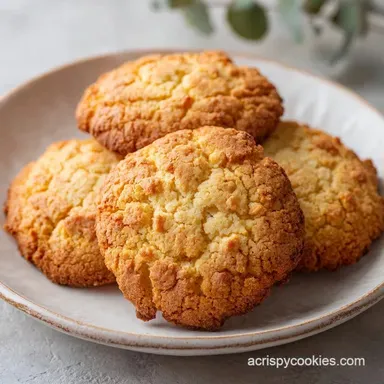
Melted Butter Crispy Cookies: Thin and Crunchy
- Time:15 minutes active + 15 minutes baking
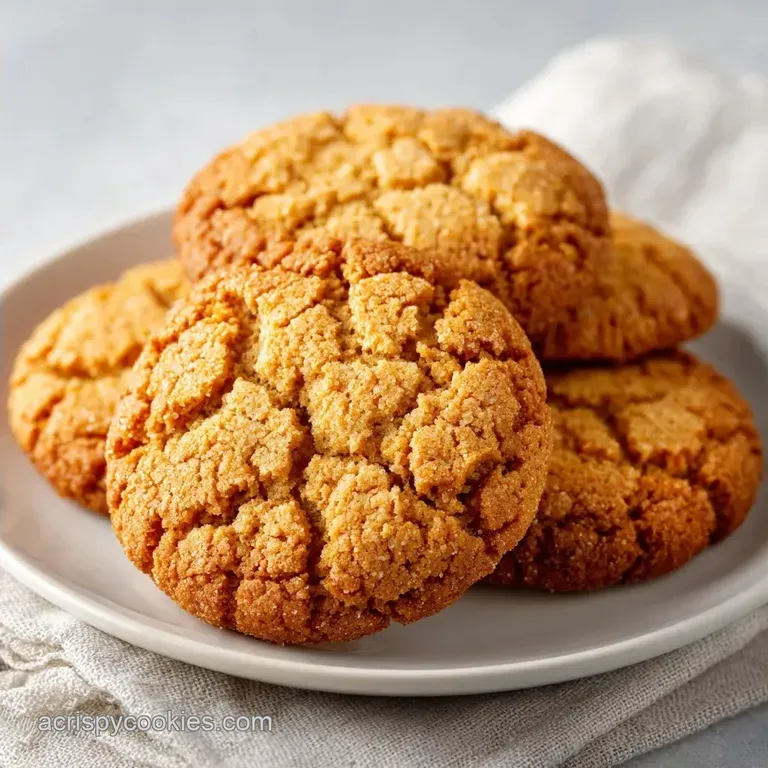
- Flavor/Texture Hook: Buttery, snap crisp edges with a velvety center
- Perfect for: Quick afternoon treats or beginner bakers
- Melted Butter Crispy Cookies Guide
- Why These Cookies Actually Snap
- The Essential Ingredient List
- Necessary Kitchen Tools
- The Step-by-Step Process
- Fixing Common Baking Issues
- Troubleshooting Common Issues
- Easy Flavor Variations
- Adjusting the Batch Size
- Common Baking Myths
- Storage and Freezing Tips
- The Best Pairing Ideas
- Recipe FAQs
- 📝 Recipe Card
Melted Butter Crispy Cookies Guide
That smell of toasted sugar and warm vanilla hitting the air the moment you open the oven is basically a hug in scent form. I remember the first time I tried to make these, but I followed a traditional recipe that called for "creaming" the butter and sugar.
I ended up with these puffy, cakey mounds that felt more like tiny muffins than the thin, golden discs I was craving. It was a total letdown because I wanted that specific snap that makes a cookie feel like a treat rather than a breakfast biscuit.
The fix was surprisingly simple: stop beating air into the butter. By switching to a melted state, the dough spreads more and the edges caramelize into a mahogany crust. These Melted Butter Crispy Cookies aren't about fluff; they're about that buttery, caramelized intensity that only happens when the fat is fully liquid before it hits the flour.
You can expect a cookie that is thin and sturdy, with a slight chew in the middle but a distinct shatter when you bite into the edge. It's a straightforward process that doesn't require a stand mixer, making it a great choice for when you want something sweet without the cleanup of a huge kitchen project.
Trust me on this, the difference in texture is night and day compared to the standard chewy version.
Why These Cookies Actually Snap
Understanding how the ingredients behave helps you avoid the "cakey" trap. Here is what is actually happening in your baking sheet:
- Butter State: Melted butter doesn't hold air bubbles like creamed butter does, which prevents the cookie from rising too much and encourages it to spread thin.
- Sugar Synergy: The combination of white and brown sugar creates a balance of crispness and a hint of chew, as brown sugar contains molasses which holds a bit more moisture.
- Leavening Action: Baking soda reacts with the slightly acidic brown sugar to create tiny carbon dioxide bubbles that help the cookie expand and brown.
- Thermal Setting: As the cookies cool on the pan, the sugars recrystallize, turning a soft center into a firm, snap crisp structure.
Because the fat is liquid, the dough has a lower viscosity. This means it flows more easily across the pan before the heat sets the proteins in the flour, according to the technical guides at Serious Eats.
| Method | Time | Texture | Best For |
|---|---|---|---|
| Melted Butter | 30 mins | Thin, Shatter Crisp | Quick snacks, tea time |
| Creamed Butter | 60 mins | Thick, Soft, Airy | Dessert platters, gifting |
The Essential Ingredient List
The magic here is in the ratios. Too much flour and you get a biscuit; too little and you get a puddle.
Component Analysis
| Ingredient | Science Role | Pro Secret |
|---|---|---|
| Melted Butter | Fat/Spread Agent | Let it cool slightly to avoid "frying" the egg |
| Granulated Sugar | Crispness/Structure | Provides the primary "snap" through crystallization |
| All Purpose Flour | Framework | Measure by weight for consistent thickness |
| Baking Soda | Browning Agent | Essential for that deep mahogany color |
Shopping List
- 1/2 cup (115g) unsalted butter, melted and slightly cooled Why this? Provides the fat needed for spreading and flavor
- 1/2 cup (100g) granulated sugar Why this? Ensures the edges become crisp
- 1/4 cup (50g) brown sugar, packed Why this? Adds a hint of caramel flavor
- 1 large egg (approx. 50g) Why this? Binds the dough and adds richness
- 1 tsp (5ml) vanilla extract Why this? Rounds out the buttery notes
- 1 1/2 cups (190g) all purpose flour Why this? Provides the necessary structure
- 1/2 tsp (3g) baking soda Why this? Promotes browning and spread
- 1/4 tsp (1.5g) salt Why this? Balances the sweetness
| Original Ingredient | Substitute | Why It Works |
|---|---|---|
| Unsalted Butter | Coconut Oil | Similar fat content. Note: Adds a subtle tropical flavor |
| Brown Sugar | Extra White Sugar | Increases crispness. Note: Loses the caramel depth |
| All Purpose Flour | Almond Flour | Nutty flavor. Note: Much more fragile, denser crumb |
| Large Egg | Flax Egg | Vegan binder. Note: Result is heavier, less spread |
Right then, before we get into the steps, make sure your butter isn't boiling hot. If it's too hot, it will cook the egg instantly, and you'll have scrambled egg bits in your Melted Butter Crispy Cookies.
Necessary Kitchen Tools
You don't need a fancy laboratory for this, but a few basics make it foolproof. A large mixing bowl is a must, and a whisk is the best tool for blending the sugars into the butter.
I highly recommend using a digital kitchen scale. Measuring flour by the cup can be risky because you might pack it down too much, which is the fastest way to turn a crispy cookie into a cakey one. As noted by King Arthur Baking, weighing your ingredients is the only way to ensure the same result every time.
For the baking surface, use parchment paper or a silicone mat. These cookies spread quite a bit, and if you grease the pan with butter or oil, they might spread too much and merge into one giant cookie sheet.
The step-by-step Process
Let's crack on with the actual baking. Follow these steps closely to get that specific texture.
- Whisk the melted butter with the granulated sugar and brown sugar in a large mixing bowl until the mixture is smooth and the sugar has begun to dissolve. Note: This prevents grainy cookies
- Beat in the egg and vanilla extract, stirring vigorously for about 30 seconds until the batter becomes glossy and slightly pale.
- Sift in the flour, baking soda, and salt.
- Using a spatula, fold the ingredients together just until no streaks of flour remain. Note: Overmixing develops gluten, which makes them tough
- Scoop rounded tablespoons of dough onto a baking sheet lined with parchment paper, spacing them 2 inches apart.
- Bake at 350°F (175°C) for 12–15 minutes until the edges are deep golden brown (mahogany) and the centers look slightly soft.
- Remove from oven and allow cookies to cool on the sheet for at least 10 minutes to firm up.
Chef's Tip: If you want an even deeper flavor, freeze your butter for 10 minutes before melting it in the microwave. This prevents the butter from overheating and separates the milk solids more evenly, giving you a richer taste.
Fixing Common Baking Issues
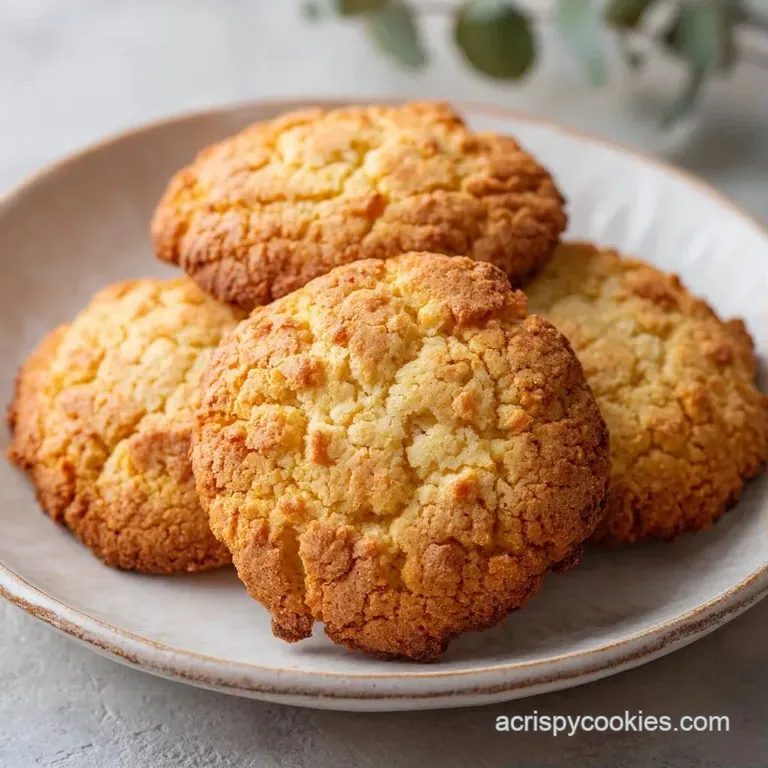
Even the most tested recipes can go sideways if the environment isn't right. The most common issue with Melted Butter Crispy Cookies is the "puddle effect" or the "cake effect."
Troubleshooting Common Issues
| Issue | Solution |
|---|---|
| Why are my cookies spreading too much | This usually happens if the butter was too hot when mixed or if the oven isn't preheated. When the butter is too liquid, it breaks down the flour structure before the heat can set it. |
| Why aren't they "crispy" enough | Under baking is the main culprit here. If you pull them out as soon as the edges are light gold, the centers will stay soft. You need that mahogany edge to ensure the middle dries out enough to snap. |
| Why is the texture cakey instead of crunchy | This happens if you overmix the dough or use too much flour. Once the flour goes in, stop stirring the second it's incorporated. |
Success Checklist:
- ✓ Butter is melted but not boiling
- ✓ Flour is weighed or spooned and leveled
- ✓ Oven is fully preheated to 350°F
- ✓ Cookies cooled on the pan for 10 mins
Easy Flavor Variations
Once you've nailed the base Melted Butter Crispy Cookies, you can start playing with the recipe. The beauty of this dough is how stable it is.
The Chocolate Chip Twist
Fold in 1/2 cup of semi sweet chocolate chips. Because the dough is thinner, the chips tend to melt and create little pools of chocolate. If you're craving something with a bit more give, my chewy chocolate chip cookies are the way to go for a different experience.
Brown Butter Upgrade
Instead of just melting the butter, simmer it in a pan until it foams and turns a nutty brown. This adds a toasted, savory dimension to the cookie. Just remember to let the brown butter cool slightly before adding the sugars.
Gluten-free Swap
You can use a 1:1 gluten-free flour blend. The texture will be slightly more fragile, so let them cool completely on the pan before trying to move them, otherwise, they might shatter prematurely.
Adjusting the Batch Size
If you're baking for a crowd or just for yourself, you can scale this. But baking is about ratios, so be careful.
Scaling Down (1/2 batch): Use 1/4 cup butter, 1/4 cup white sugar, and 2 tbsp brown sugar. Since you can't easily use half an egg, crack one into a bowl, whisk it, and use 25g. Use a smaller baking sheet and reduce bake time by about 2 minutes.
Scaling Up (2x batch): Double everything except the salt and baking soda - only increase those by 1.5x to avoid a metallic taste. Work in batches; don't crowd the oven, or the temperature will drop, and your cookies will spread too much.
For double batches, I suggest lowering the oven temp to 325°F and extending the bake time by 3-5 minutes to ensure even browning.
| Goal | Adjustment | Result |
|---|---|---|
| More Snap | +1 tbsp White Sugar | More caramelization |
| More Chew | +1 tbsp Brown Sugar | More moisture/softness |
| More Height | -2 tbsp Butter | Less spread, thicker disc |
Common Baking Myths
There are a few things people say about cookies that just aren't true. Let's clear them up.
Myth: "Room temperature butter is always better." Not for this recipe. Creaming room temp butter creates an emulsion that traps air, which is great for cakey cookies but ruins the snap of Melted Butter Crispy Cookies.
Myth: "Adding more flour makes them crispier." Actually, too much flour makes them bready and cakey. Crispness comes from the ratio of sugar to flour and the duration of the bake, not from adding more starch.
Storage and Freezing Tips
To keep that shatter crisp texture, you have to fight moisture. Humidity is the enemy of a crispy cookie.
Storage: Store these in a truly airtight container. If you live in a humid area, add a small food safe silica gel packet or a piece of dry bread to the container to absorb excess moisture. They'll stay crisp for about 5-7 days.
Freezing: You can freeze the baked cookies for up to 3 months. Flash freeze them on a tray for an hour before bagging them so they don't stick together. To refresh them, pop them in a 300°F oven for 3 minutes.
Zero Waste: If you have leftover melted butter in the pan, don't wash it out. Use it to sauté some onions for dinner or stir it into a batch of mashed potatoes for extra richness.
The Best Pairing Ideas
These cookies are rich and buttery, so they pair best with something that cuts through the fat. A cold glass of milk is a classic, but a strong black coffee or a tart Earl Grey tea balances the sweetness beautifully.
For a real treat, pair them with a mug of homemade hot chocolate on a rainy afternoon. The bitterness of the cocoa and the snap of the cookie are a match made in heaven. If you're serving these at a party, arrange them in a tower on a platter and dust them with a tiny pinch of flaky sea salt right before serving to make the flavors pop.
Recipe FAQs
What does melted butter do to the texture of these cookies?
It creates a denser base that spreads more. Because the butter isn't aerated through creaming, the dough thins out and crisps up more efficiently in the oven.
What is the secret to getting these cookies truly crunchy?
Bake until the edges reach a mahogany brown color. Removing them when they are only light gold leaves the center too moist to achieve a proper snap.
How to get cookies that are crispy on the edges and soft in the center?
Bake at 350°F (175°C) for 12–15 minutes. Remove the tray as soon as the edges are deep golden brown while the centers still look slightly soft.
Is it true that you must chill the dough to make them crispy?
No, this is a common misconception. These cookies rely on melted butter to create a thin profile that crisps up quickly without the need for refrigeration.
Why did my cookies spread too much on the pan?
The butter was likely too hot when mixed or the oven wasn't preheated. Excessively liquid butter breaks down the flour structure before the oven heat can set the cookie.
How to store these cookies so they don't get soft?
Place them in a strictly airtight container. In humid environments, add a piece of dry bread to the container to absorb excess moisture and preserve the crunch.
What are some other easy crunchy cookie options?
Experiment with different sugar ratios for varied textures. If you enjoyed the speed of this method, you can apply the same fast-prep logic to our sugar cookie.
Melted Butter Crispy Cookies in 30 Min