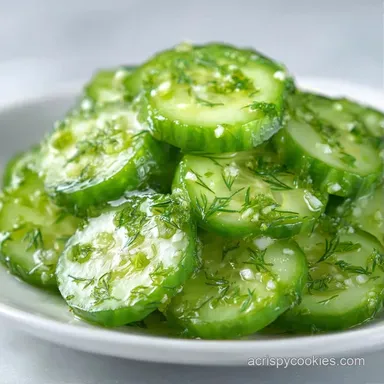
Small Batch Quick Pickles: Shatter Crisp
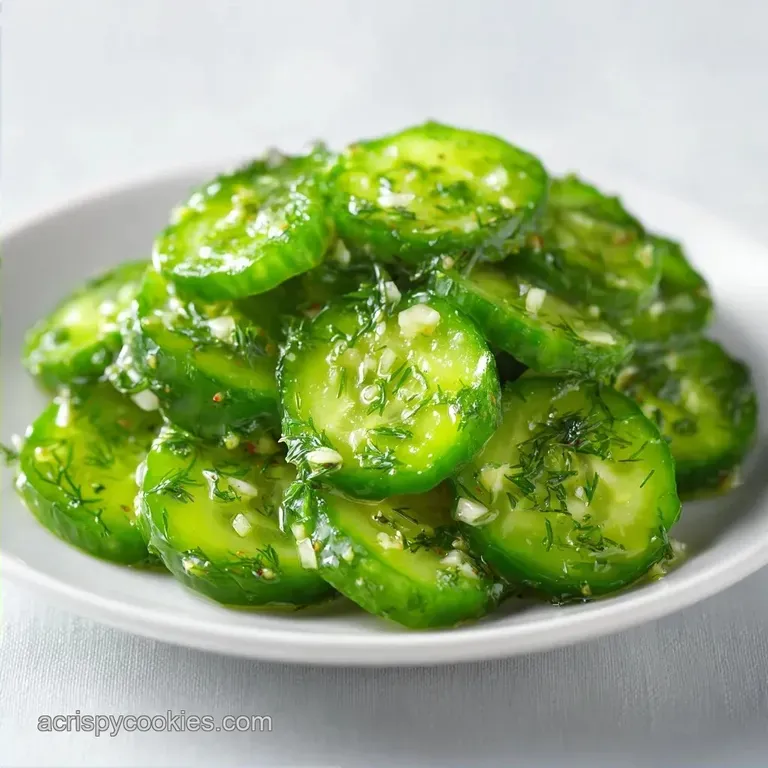
- Time: 15 min active + 1 hour chilling
- Flavor/Texture Hook: Sharp, vinegary tang with a loud crunch
- Perfect for: Weeknight dinner toppers, burgers, or meal prep
- Quick Pickles: The Shatter Crisp Method
- Shopping List Details
- Essential Tools List
- The Step-By-Step Process
- Fixing Common Pickle Issues
- Troubleshooting Common Issues
- Flavor Tweaks and Swaps
- Adjusting Batch Sizes
- Pickle Preservation Truths
- Storage and Waste Tips
- Serving and Plating
- Critical Sodium Level
- Recipe FAQs
- 📝 Recipe Card
The smell of steaming white vinegar and pungent garlic hitting a jar of cold cucumbers is one of my favorite kitchen scents. It's sharp, clean, and tells you exactly what's happening. There's something about that immediate aroma that makes the waiting period the hardest part of the whole process.
I used to buy those plastic tubs of slices from the store, but they always felt limp and tasted like generic salt. I wanted something that actually fought back when you bit into it. After trying a few different methods, I found that the heat of the brine is what makes the difference.
These Quick Pickles are designed for anyone who needs a bright, acidic pop on their plate right now. You don't need special canning equipment or a chemistry degree, just a few pantry staples and about an hour of patience.
Quick Pickles: The Shatter Crisp Method
What Makes These Snap
Salt Draw: The salt in the brine pulls excess water out of the cucumber cells, which stops them from becoming watery and limp.
Acid Infusion: The vinegar penetrates the vegetable quickly, altering the structure to keep it firm while killing any bacteria that would make it mushy.
Heat Shock: Pouring the brine while it's hot forces the cucumbers to absorb the flavors of the garlic and dill almost instantly.
Pectin Preservation: By not boiling the cucumbers themselves, we keep the natural pectin intact, ensuring that distinct "shatter" when you bite.
| Method | Time to Taste | Texture | Best For |
|---|---|---|---|
| Hot Brine | 1 hour | Shatter crisp | Immediate use, bold flavor |
| Cold Steep | 24 hours | Softer crunch | Milder taste, longer prep |
| Fermented | 2 weeks | Complex/Sour | Probiotic focus, deep funk |
Component Analysis
| Ingredient | Science Role | Pro Secret |
|---|---|---|
| White Vinegar | Acidifier | Use distilled for a clean, sharp taste |
| Kosher Salt | Osmotic Agent | Avoid table salt to prevent bitterness |
| Granulated Sugar | Balance | Just enough to cut the acid "bite" |
| Fresh Dill | Aromatics | Chop roughly to release essential oils |
Shopping List Details
For this recipe, the type of cucumber is everything. I always go for Kirby or Persian cucumbers. Kirby are the classic pickling variety with thick skins, while Persians are thinner and seedless. Both work, but avoid the long English cucumbers found in shrink wrap, as they are often too watery for Quick Pickles.
- 1 lb Kirby or Persian cucumbers, sliced into 1/4 inch rounds Why this? Thick walls provide the best crunch
- 2 sprigs fresh dill, roughly chopped Why this? Fresh is far more fragrant than dried
- 2 garlic cloves, smashed Why this? Smashing releases more allicin than slicing
- 1 cup white distilled vinegar Why this? Consistent acidity level for safety
- 1 cup water Why this? Dilutes the vinegar for a balanced taste
- 1 tbsp kosher salt Why this? Larger grains dissolve evenly without over salting
- 1 tbsp granulated sugar Why this? Rounds out the sharp edges of the vinegar
- 1 tsp whole black peppercorns Why this? Adds a subtle, woody heat
Substitution Options:
| Original Ingredient | Substitute | Why It Works |
|---|---|---|
| White Vinegar | Apple Cider Vinegar | Fruitier taste. Note: Changes the color to a golden hue |
| Kosher Salt | Sea Salt | Similar mineral profile. Note: Use slightly less if it's very fine |
| Fresh Dill | Dried Dill Weed | Concentrated flavor. Note: Use only 1 tsp; lacks fresh brightness |
| Sugar | Maple Syrup | Natural sweetness. Note: Adds a hint of caramel flavor |
Essential Tools List
You don't need much here, but a few specific items help. I use a 16 oz glass mason jar because glass doesn't react with the acid in the vinegar. Plastic can sometimes pick up the smell or leach chemicals when hit with hot brine.
For the liquid, use a non reactive saucepan. Stainless steel is your best bet. Avoid aluminum or unlined copper pots, as the vinegar can react with the metal and give your Quick Pickles a strange, metallic aftertaste.
Finally, a sharp chef's knife is key. You want clean, 1/4 inch rounds. If you crush the cucumbers with a dull blade, you damage the cell walls, and they'll lose that signature snap.
The step-by-step Process
Step 1: Packing the Jar
Tightly pack the sliced cucumbers into a 16 oz glass mason jar. Nest the smashed garlic cloves and chopped fresh dill between the cucumber layers. Note: Packing them tight prevents them from floating once the liquid is added.
Step 2: Mixing the Base
Combine the white distilled vinegar, water, kosher salt, granulated sugar, and whole black peppercorns in your saucepan.
Step 3: Simmering the Brine
Heat the mixture over medium high. Stir occasionally until the liquid reaches a simmer and the salt and sugar have completely dissolved. You'll smell a sharp, sweet steam rising from the pot.
Step 4: The Hot Pour
Carefully pour the hot brine over the cucumbers. Make sure they are covered completely.
Step 5: Managing Space
Leave about 1/2 inch of headspace at the top of the jar. Note: This allows the liquid to expand slightly as it cools without leaking.
Step 6: The First Seal
Seal the lid tightly. Let the jar sit on the counter.
Step 7: Cooling Down
Wait until the jar reaches room temperature. Don't put a hot jar directly into a cold fridge, as the glass could crack.
Step 8: The Cold Soak
Refrigerate for at least 1 hour. This is the minimum time for the brine to penetrate the core of the cucumber.
Fixing Common Pickle Issues
The most common complaint with Quick Pickles is that they turn out soft. This usually happens because the cucumbers were too ripe or the brine was too hot for too long. If you use English cucumbers, the high water content makes them prone to sogginess.
Troubleshooting Common Issues
| Issue | Solution |
|---|---|
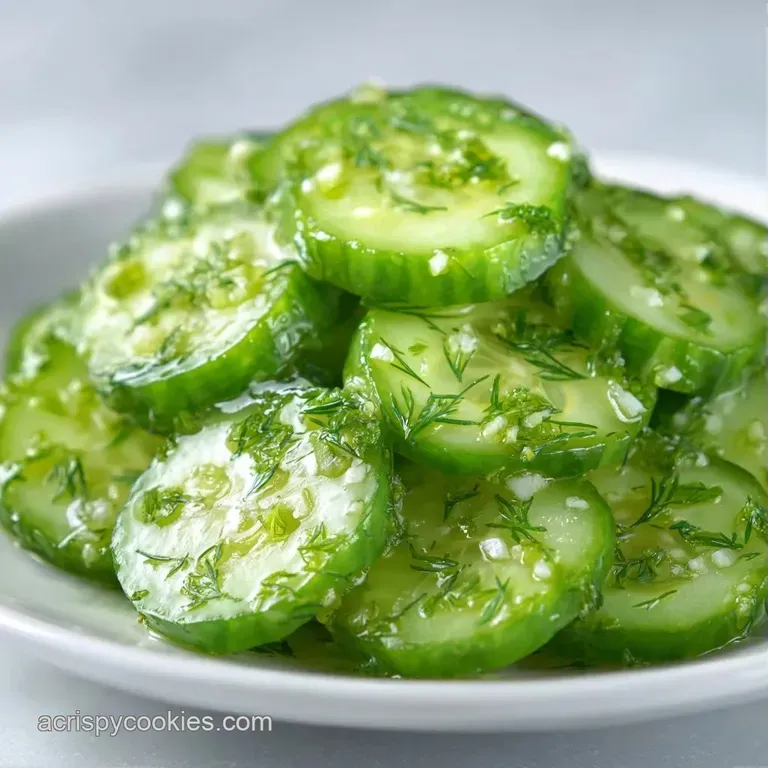
| Why Your Pickles Are Soft | This is almost always due to enzyme activity or poor produce choice. Using "waxed" cucumbers can also block the brine from entering, leaving the inside raw and the outside mushy. |
| Why the Brine Is Cloudy | Cloudiness usually comes from using tap water with high mineral content or using a vinegar with sediment. It doesn't affect the taste, but it looks less clean. |
| Why They Taste Too Salty | This happens if you use table salt instead of kosher salt. Table salt is denser, so 1 tbsp of it is much saltier than 1 tbsp of kosher salt. |
Common Mistakes Checklist
- ✓ Use Kirby cucumbers for maximum crunch.
- ✓ Ensure the brine is simmering, not boiling violently.
- ✓ Leave exactly 1/2 inch of headspace.
- ✓ Cool to room temperature before refrigerating.
- ✓ Use a glass jar to avoid metallic flavors.
Flavor Tweaks and Swaps
If you want something with a deeper garlic punch, try my Garlic Dill Pickles. For these Quick Pickles, you can easily pivot the flavor profile. To make a spicy version, add a sliced jalapeño or a pinch of red pepper flakes to the brine.
For those who love a sweeter profile, you can double the sugar to create Small Batch Bread and Butter Pickles. Just add a sliced onion to the jar along with the cucumbers. The onion absorbs the sugar and vinegar, creating a savory sweet contrast.
If you're looking for a different use of this technique, Small Batch Quick Pickled Onions are a breeze. Just swap the cucumbers for thinly sliced red onions and reduce the sugar slightly. They turn a bright pink color that looks great on tacos.
Adjusting Batch Sizes
When making a Small Batch Quick Pickle Recipe, you can easily scale down. For a half batch, use a 8 oz jar and halve all ingredients. If you're using a single egg in a different recipe, you'd beat it and use half, but here you just measure half a cup of vinegar and water.
If you're making Batch Quick Pickles for a party, I recommend doubling the recipe. However, don't just double the salt and peppercorns. Increase the salt and spices to 1.5x the original amount. Liquids can be doubled exactly, but too much salt in a large batch can become overwhelming.
Work in separate jars rather than one giant container. This ensures the cucumbers are packed tightly and the brine distributes evenly. If you use one massive pot, the bottom cucumbers might get crushed by the weight of the ones on top.
Pickle Preservation Truths
Some people think you need a water bath canner for every type of pickle. That's not true for these. Since these stay in the fridge, the cold temperature and the acidity of the vinegar do the heavy lifting. They aren't shelf stable, but they are safe.
Another myth is that vinegar destroys all the nutrients in vegetables. While it does change some vitamins, the fermentation like process of quick pickling makes the vegetables easier to digest for many people.
Some claim that adding a grape leaf or a bay leaf is the only way to keep pickles crisp. While the tannins in those leaves do help, the hot brine method is usually enough for a small batch that you'll eat within a few weeks.
Storage and Waste Tips
Store these in the fridge for up to 3 weeks. Keep the lid tight to prevent the vinegar smell from taking over your entire refrigerator. If you notice the brine getting cloudy after two weeks, it's time to toss them.
To avoid waste, don't throw away the leftover brine. It's essentially a seasoned vinegar. You can use it as a marinade for grilled chicken or whisk it into a salad dressing. These pair great with a slice of toasted Sourdough Bread for a quick snack.
If you have cucumber peels or ends, toss them into a freezer bag for homemade vegetable stock. Or, if you're feeling adventurous, you can quick pickle the cucumber stems as well. They are often the crunchiest part of the vegetable.
Serving and Plating
For the best presentation, slice the pickles into thin coins and pat them dry with a paper towel before adding them to a burger. This prevents the brine from making your bun soggy.
On a charcuterie board, stack the pickles in a small ceramic bowl to keep the juices from running into the cheeses. Pair them with a sharp cheddar or a creamy brie to balance the acid.
If you're serving them as a snack, keep them chilled until the very last second. The cold temperature enhances the "shatter" effect, making the Quick Pickles feel more refreshing and professional.
Critical Sodium Level
1451 mg 1,451 mg of sodium per serving (63% 63% of daily value)
The American Heart Association recommends a daily limit of no more than 2,300 mg of sodium for most adults to maintain heart health.
Tips to Reduce Sodium
-
Reduce Kosher Salt-30%
Cut the kosher salt amount by half or use a potassium based salt substitute to dramatically lower the sodium content.
-
Add Citrus Acidity-10%
Replace a portion of the water with fresh lemon or lime juice; the acidity helps mimic the flavor of salt on the palate.
-
Increase Aromatics-5%
Double the garlic cloves or add a pinch of red pepper flakes to provide more punch and depth, reducing the need for excess salt.
-
Enhance Fresh Herbs
Increase the amount of fresh dill or add fresh parsley to boost the aromatic profile without adding any sodium.
Recipe FAQs
Do homemade dill pickles in vinegar need to be refrigerated?
Yes. Because these are quick pickles and not processed in a canner, they must stay chilled for safety. Store them in the fridge for up to 3 weeks.
How to make sweet pickles without canning?
Simmer white distilled vinegar, water, sugar, and kosher salt in a saucepan. Pour this hot brine over sliced cucumbers in a jar and refrigerate for at least 1 hour.
How to make pickles?
Pack sliced cucumbers, garlic, and dill into a mason jar. Pour over a hot brine of simmered vinegar, water, salt, sugar, and peppercorns, then refrigerate.
What is the best home recipe for making pickles?
A balance of white distilled vinegar and water with kosher salt and sugar is best. Using Kirby or Persian cucumbers ensures the most consistent crunch.
Which is the best and simplest homemade pickle?
Fridge pickles are the simplest because they skip the canning process entirely. You can see how this works for smaller quantities in our fridge pickles recipe.
How is a pickle made?
Submerge cucumbers in a brine of vinegar and salt. For quick versions, heat the brine first to dissolve the sugar and salt before pouring it over the produce.
What is the best recipe for NY style kosher dill pickles?
A combination of smashed garlic cloves and fresh dill in a sharp white distilled vinegar brine is ideal. Pack the jar tightly to ensure the cucumbers stay submerged and flavorful.
Small Batch Quick Pickles