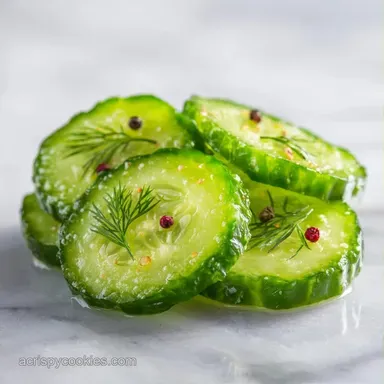
Small Batch Refrigerator Pickles: Shattering Crunch
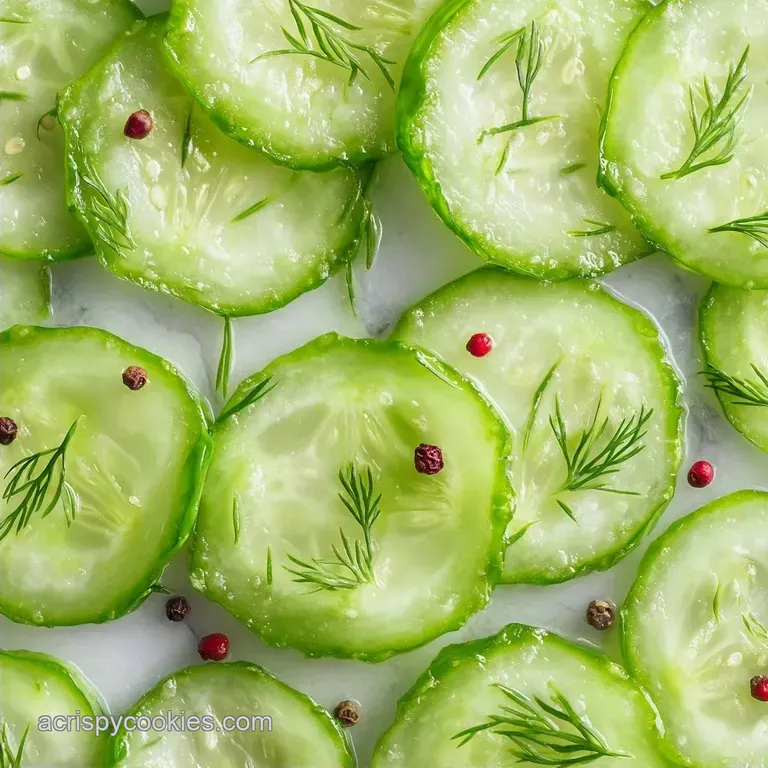
- Time: 15 min active + 24 hours chilling
- Flavor/Texture Hook: Shattering crunch with a sharp, vinegary snap
- Perfect for: Quick meal prep, sandwich toppers, or a salty snack
- Easy and Crunchy Fridge Pickles
- The Secret to the Crunch
- The Component Breakdown
- Tools You'll Need
- Step-by-Step Brining Process
- Fixing Your Pickle Problems
- Troubleshooting Common Issues
- Swaps and Flavor Twists
- Adjusting the Batch Size
- Pickle Truths
- Keeping Your Jars Fresh
- Ways to Serve and Enjoy
- Recipe FAQs
- 📝 Recipe Card
The second you open the jar, that sharp, punchy scent of white vinegar and fresh dill hits you. It's an immediate wake up call for your nose. I remember the first time I tried to make these, I didn't smash the garlic enough, and the flavor stayed trapped inside the cloves.
I ended up with cucumbers that tasted like water and a hint of salt. It was a letdown, but it taught me that the prep is where the flavor actually happens.
Once you get the garlic smashed and the dill tucked in tight, these Fridge Pickles become something else entirely. There's a specific sound they make when you bite into one, a loud, clean crack that tells you the cell walls are still intact. Most people think you need a canning pot and a prayer to get this result, but you just need a cold refrigerator and some patience.
You can expect a briny, tangy treat that cuts right through the richness of a burger or a fatty piece of meat. We aren't doing the heavy processing here, so the cucumber keeps its bright, green personality. It's a fast process, but the 24 hour wait is the only part that requires real discipline.
Easy and Crunchy Fridge Pickles
The secret to a great snack isn't complex equipment, it's about how the ingredients interact. When you make Fridge Pickles, you're essentially creating a quick cure environment. Unlike canned pickles that get cooked in their own juice, these stay raw.
The cold temperature of the fridge slows down the breakdown of the cucumber's pectin, which is the stuff that keeps the vegetable from turning into mush.
I've found that using a wide mouth jar makes a huge difference. It lets you pack the slices tighter, which means less air pockets and more surface area touching the brine. If you have a bit of extra time, try making a double batch.
They actually taste better on day three or four once the garlic has fully permeated the slices.
If you're looking for something similar but with a different twist, my garlic dill pickles guide offers another way to handle the brine. But for a daily driver, this version is the one I keep in my door shelf at all times.
The Secret to the Crunch
Understanding why these don't get soggy is the key to never failing at this. It's all about the balance of salt, acid, and temperature.
- Osmosis Control
- The salt draws water out of the cucumber, while the vinegar moves in. This exchange happens slowly in the fridge, preserving the structure.
- Pectin Preservation
- By not boiling the cucumbers, we keep the natural pectin stable. Heat destroys pectin, which is why "cooked" pickles often feel soft.
- Cold Stabilization
- The refrigerator keeps the cucumbers in a state of suspended animation. This prevents the enzymes from breaking down the crunch.
- Acid Penetration
- The distilled vinegar has a clean, sharp profile that penetrates the skin quickly without altering the color too much.
| Fresh Version | Shortcut/Store Version | Texture | Best For |
|---|---|---|---|
| Raw Slices | Pasteurized/Cooked | Shattering | Fresh Sandwiches |
| Cold Brined | Heat Processed | Soft/Pliable | Long term Storage |
| Fresh Dill | Dried Flavoring | Crisp | Charcuterie Boards |
The Component Breakdown
Not every cucumber is built for this. If you use a standard salad cucumber with a thick, waxy skin, the brine won't get inside, and you'll have a bland center.
| Ingredient | Science Role | Pro Secret |
|---|---|---|
| Kirby Cucumber | Structural Base | Pick the smallest ones for the most crunch |
| White Vinegar | Acidifier | Use distilled for a neutral, sharp tang |
| Kosher Salt | Moisture Draw | Avoid table salt to prevent cloudiness |
| Fresh Dill | Aromatics | Tuck the stems in too, they have huge flavor |
Tools You'll Need
You don't need a professional kitchen for this, but a few specific items make it easier.
- Quart sized wide mouth glass jar: Glass is non reactive, so the vinegar won't eat away at the container.
- Small saucepan: For simmering the brine quickly.
- Sharp knife or mandoline: To get uniform slices so they all cure at the same rate.
- Tight fitting lid: To keep the aroma in and the fridge smells out.
Step-by-step Brining Process
Right then, let's get into the actual work. Focus on the smells and the visuals here, as they tell you when you're on the right track.
Phase 1: Packing the Jar
- Smash the garlic cloves with the flat side of your knife until they are crushed and fragrant. Drop these and the peppercorns into the bottom of the jar.
- Slice your cucumbers into rounds. I prefer about 1/4 inch thickness for a good snap.
- Pack the cucumber slices into the jar. Press them down firmly. Note: Tighter packing prevents them from floating.
- Tuck the fresh dill sprigs into the gaps between the slices. Make sure the dill is distributed so every slice has a neighbor.
Phase 2: Simmering the Brine
- Combine water, white vinegar, salt, and sugar in your saucepan.
- Heat over medium until you see small bubbles breaking the surface. Stir until the salt and sugar vanish completely. It should smell sharp and clean.
- Remove the pan from the heat immediately. Don't let it reach a rolling boil, or you'll lose some of the vinegar's punch.
Phase 3: The Final Soak
- Pour the hot brine over the cucumbers. Fill it up until the slices are fully submerged. Leave about 1/2 inch of headspace at the top.
- Screw the lid on tight. Let the jar sit on your counter for 30 minutes. Wait until the glass no longer feels hot to the touch.
- Move the jar to the fridge. Let the Fridge Pickles cure for at least 24 hours. Trust me, opening them early is a mistake.
Fixing Your Pickle Problems
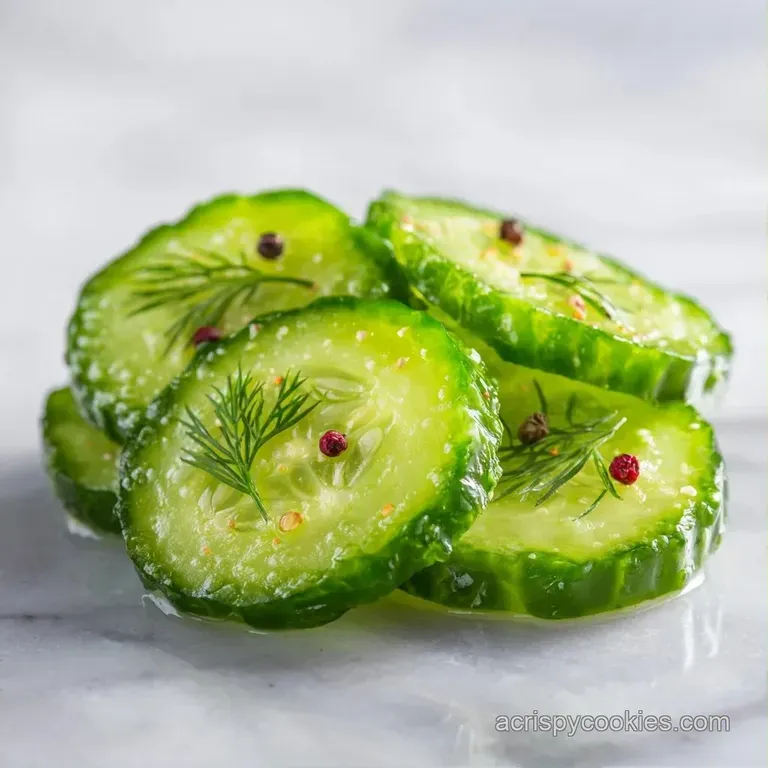
Even with a simple recipe, things can go sideways. Usually, it's a matter of temperature or cucumber choice.
Troubleshooting Common Issues
| Issue | Solution |
|---|---|
| Why Your Pickles Are Mushy | This usually happens if the brine was too hot when it hit the cucumbers or if the cucumbers were too ripe. Using a Persian cucumber often solves this because they have thinner skins and denser flesh. |
| Why Your Brine Is Cloudy | Cloudy brine often comes from using table salt with anti caking agents. Kosher salt keeps the liquid crystal clear. |
| Why the Flavor Is Bland | If you didn't smash the garlic or if you didn't pack the jar tight enough, the brine can't penetrate the cucumber. Ensure those garlic cloves are absolutely crushed. |
Common Mistakes Checklist
- ✓ Using waxy English cucumbers instead of Kirby
- ✓ Forgetting to dissolve the sugar fully
- ✓ Putting the hot jar directly into the fridge
- ✓ Opening the jar before the 24 hour mark
Swaps and Flavor Twists
One of the best things about Jar Fridge Pickles is how easy they are to tweak. Once you have the base down, you can play with the aromatics.
For a Spicy Kick
Add a sliced jalapeño or a pinch of red pepper flakes to the bottom of the jar. The vinegar carries the heat into the cucumber slices perfectly.
For a Sweet Refrigerator Twist
Increase the sugar to 2 tablespoons. This creates a "bread and butter" style vibe. It's great if you find the white vinegar too aggressive.
For a Low Sodium Option
You can reduce the salt to 2 teaspoons, but be warned: the texture will be slightly softer. Salt is what maintains the cell wall integrity.
For a Vegan Standard
These are naturally vegan. Just ensure your sugar is organic or vegan certified if that's a priority for you.
If you're planning a big spread, these pair beautifully with some roast potatoes for a balanced plate of salty and tangy.
Adjusting the Batch Size
Making a Single Jar Fridge Pickles batch is great for a week, but sometimes you need more for a party.
Scaling Down (Half Batch) Use a pint jar instead of a quart. Halve all ingredients, but keep the garlic at 2 cloves. The flavor of garlic doesn't scale linearly, so you need a bit more than half to keep the punch.
Scaling Up (Double Batch) Use two quart jars. Don't just double the salt and sugar; use 1.5x the salt and sugar and then taste the brine. Too much salt in a large batch can become overwhelming. Work in batches to ensure the cucumbers are packed tightly in each jar.
| Original | Double Batch | Note |
|---|---|---|
| 1 lb Cucumbers | 2 lbs Cucumbers | Use two separate jars |
| 1 cup Vinegar | 2 cups Vinegar | Keep the 1:1 ratio with water |
| 1 tbsp Salt | 1.5 tbsp Salt | Prevents over salting |
Pickle Truths
There are a few things people get wrong about quick pickling. Let's clear those up.
The "Boiling" Myth: Some people think you have to boil the cucumbers to "set" the flavor. This is false. Boiling them actually destroys the crunch. The cold cure is what gives these their snap.
The "Vinegar Type" Myth: People think apple cider vinegar is "better" because it's natural. While it tastes good, it's fruitier and softer. For that classic, sharp snap, white distilled vinegar is the only way to go.
Keeping Your Jars Fresh
Since these aren't canned, they don't last forever. They are meant to be eaten within a reasonable timeframe.
Storage Guidelines Keep your Fridge Pickles in the coldest part of your fridge, usually the back of the shelf. They will stay crunchy for about 3 to 4 weeks. Always use a clean fork to pull them out of the jar. Introducing bacteria from your fingers will make them soften much faster.
Zero Waste Tips Don't toss the brine! The leftover liquid is a concentrated mix of garlic, dill, and acid. It makes an incredible marinade for grilled chicken or a base for a potato salad dressing.
If you have leftover cucumber ends that didn't fit in the jar, chop them up and toss them into a quick relish.
Ways to Serve and Enjoy
Now that you've waited 24 hours, it's time to eat. These aren't just for sandwiches.
The Ultimate Sandwich Side
Slice a toasted sourdough sandwich with smoked turkey and swiss, then pile these on top. The acidity cuts through the cheese and cleanses the palate.
The Charcuterie Addition
Put these on a board with sharp cheddar, salty salami, and some olives. The bright green color and the shatter crisp texture provide a necessary contrast to the heavy meats.
The Snack Plate
Honestly, sometimes the best way to eat Fridge Pickles is straight from the jar. Just grab a fork and enjoy that cold, briny snap. It's a low calorie snack that satisfies a salty craving instantly.
Recipe FAQs
Do homemade dill pickles in vinegar need to be refrigerated?
Yes. Because these are not processed in a boiling water bath, they must be kept chilled to remain safe and maintain their crunch.
How to make sweet pickles without canning?
Simmer water, white vinegar, salt, and sugar until the solids dissolve, then pour the hot brine over cucumber slices and dill in a jar. Let the jar sit for 30 minutes before moving it to the refrigerator.
How to make pickles?
Pack sliced cucumbers, smashed garlic, and dill into a wide mouth glass jar. Fill with a simmered brine of vinegar, water, salt, and sugar, then cure in the fridge for at least 24 hours.
What is the best home recipe for making pickles?
A simple 1:1 ratio of white vinegar and water balanced with kosher salt and sugar creates the most reliable results. This combination ensures a crisp texture and a bright, tangy flavor.
Which is the best and simplest homemade pickle?
Refrigerator pickles are the easiest because they skip the complex canning process. If you enjoyed mastering this quick brine technique, see how it's adapted in our refrigerator brine.
How is a pickle made?
Submerge cucumbers in an acidic brine of vinegar, salt, and sugar to preserve them. The acid prevents spoilage and transforms the raw cucumber into a preserved pickle.
What is the best recipe for NY style kosher dill pickles?
Combine smashed garlic, whole black peppercorns, and fresh dill for that signature pungent profile. Pack the slices tightly into the jar to ensure the brine fully penetrates the cucumbers.
Small Batch Fridge Pickles