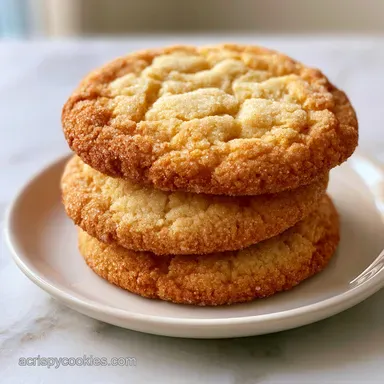
Soft and Chewy Sugar Cookies: Buttery and Velvety
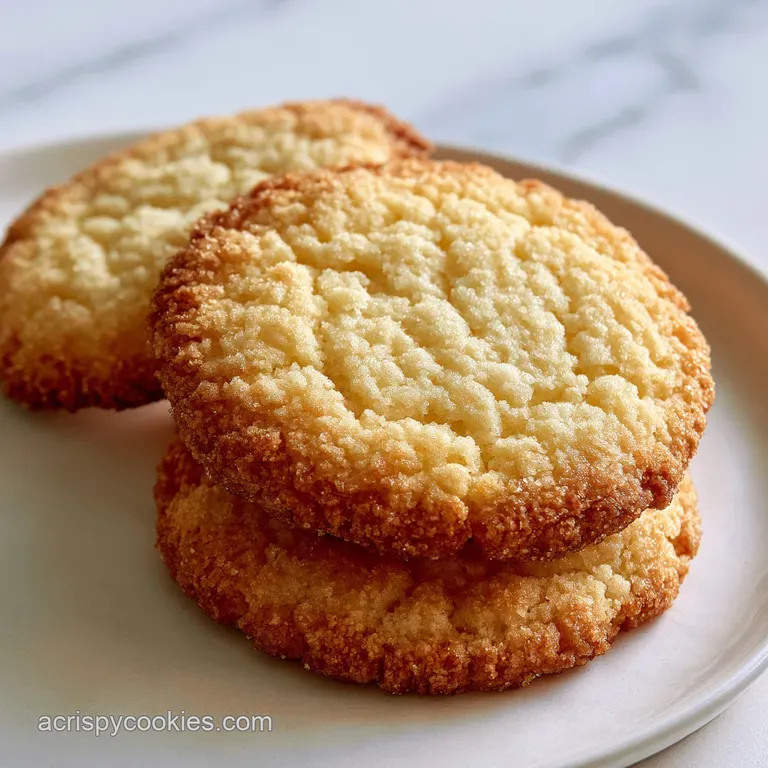
- Time:15 minutes active + 2 hours chilling = Total 2 hours 25 mins
- Flavor/Texture Hook: Buttery, velvety center with a sparkling sugar shatter
- Perfect for: Holiday platters, bake sales, or a late night sweet craving
That warm, heady scent of vanilla hitting a hot oven is basically my favorite smell in the world. But for a long time, my sugar cookies were a disaster. I'd pull them out and they weren't cookies at all, just one giant, sugary sheet of cardboard that had merged together on the pan.
I was making "sugar pancakes," not cookies.
The problem was always the same: my butter was too soft and my dough was too warm. I used to think the answer was just adding more flour, but that only made them taste like bland cake. I had to act like a flavor detective and figure out why the structure was collapsing.
It turns out, the fix isn't more flour, it's temperature control and fat ratios.
Once I stopped rushing the process and started chilling the dough, everything changed. Now, these Soft and Chewy Sugar Cookies have that specific, high end bakery texture. We're talking about a cookie that holds its shape, stays soft for days, and has a rich, buttery depth that makes store-bought versions taste like wax.
Soft and Chewy Sugar Cookies
Right then, let's get into how we actually get this texture. Most people treat sugar cookies as a "dump and stir" recipe, but if you want that restaurant quality chew, you have to be a bit more intentional. The goal is a cookie that's dense but tender, not airy or crumbly.
To get there, we're focusing on the ratio of fats to sugars. By adding an extra egg yolk, we're introducing more lecithin and fat, which interferes with gluten formation. This is what keeps the cookies from getting tough.
When you combine that with a long chill in the fridge, the flour fully hydrates, and the butter solidifies.
When those cold balls of dough hit the 350°F oven, the edges set before the center melts completely. This prevents the "pancake effect" I mentioned earlier. You end up with a cookie that's thick, soft, and has a velvety crumb that practically melts on your tongue.
Secrets for a Chewy Texture
I've spent a lot of time figuring out why some cookies stay soft while others turn into rocks. It usually comes down to how the ingredients interact during the bake.
- Extra Yolk Power: Adding one extra yolk increases the fat content and protein, which creates a denser, more chewy structure than using just whole eggs.
- The Cold Rest: Chilling the dough for 2 hours stops the butter from melting too quickly in the oven, which keeps the cookies thick.
- Low Speed Mixing: Beating the flour on low prevents too much gluten from developing, ensuring the texture stays tender rather than bread like.
- Underbaking Strategy: Taking them out while the centers still look slightly "underdone" allows carryover heat to finish the job without drying them out.
| Feature | Homemade (This Recipe) | store-bought Dough | Impact |
|---|---|---|---|
| Fat Quality | Pure Butter | Vegetable Shortening | Richer, more natural flavor |
| Texture | Velvety & Chewy | Gritty or Cakey | Better mouthfeel |
| Control | Adjustable Sweetness | Pre set (usually too sweet) | Balanced taste |
| Prep Time | 2 hours 25 mins | 10 minutes | Freshness and quality |
This is a classic case of patience paying off. While the shortcut is faster, the homemade version wins on every sensory level, from the aroma to the way it bends before it breaks.
Breaking Down the Components
I don't like calling this "chemistry" because we're in a kitchen, not a lab, but understanding what the ingredients actually do helps you fix things when they go wrong. For instance, if you've ever wondered why your cookies are too flat, it's often a butter issue.
| Ingredient | Science Role | Pro Secret |
|---|---|---|
| Unsalted Butter | Provides structure and flavor | Use European style butter for higher fat content |
| Granulated Sugar | Sweetens and creates edges | Don't over cream or you'll add too much air |
| Extra Egg Yolk | Adds richness and chew | Room temp yolks blend more smoothly |
| All Purpose Flour | Provides the "skeleton" | Weigh your flour; cups are often inaccurate |
According to King Arthur Baking, the way you measure flour can change the weight by up to 20%, which is why I always use grams for this recipe. It's the only way to ensure the chew is consistent every single time.
Your Baking Kit
You don't need a professional kitchen for this, but a few specific tools make the process a lot smoother. I've found that using a digital scale is the real game changer here. If you're still using measuring cups, you're basically guessing.
For the mixing, a stand mixer such as KitchenAid is great for the creaming stage, but a hand mixer works just fine too. The most important part is the baking sheet. I always use heavy duty aluminum sheets because they distribute heat more evenly than thin, dark pans, which can burn the bottoms of your cookies before the centers are set.
Don't forget the parchment paper. I've made the mistake of greasing the pan with butter or oil, but that often leads to more spreading. Parchment creates a non stick barrier that helps the cookies keep their round shape.
Step by step Baking
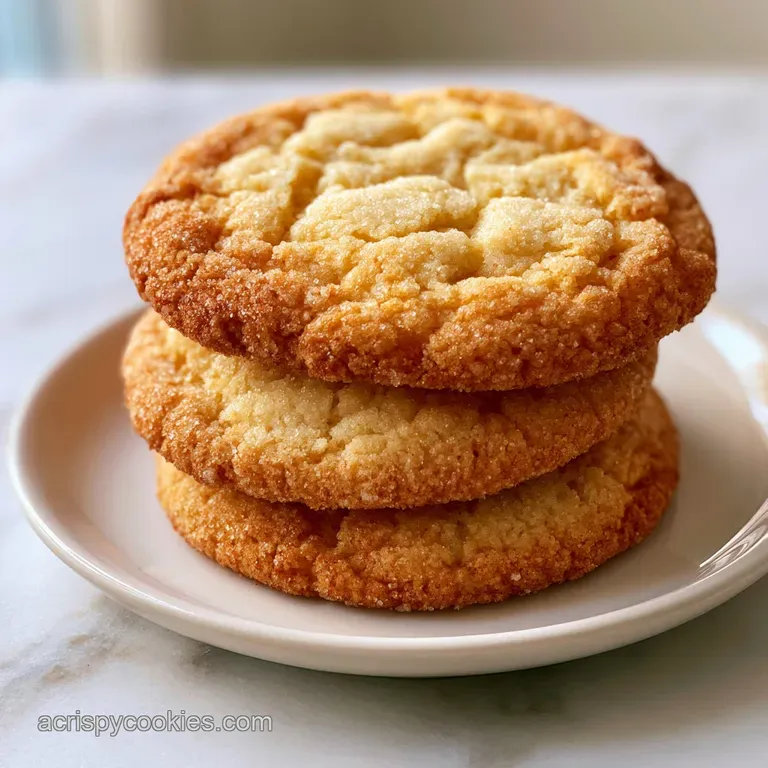
Let's crack on with the actual process. Pay attention to the smells and textures as you go - those are your real indicators of success.
Phase 1: Creaming the Base
Beat the softened butter and sugar together on medium high speed. You're looking for the mixture to turn pale and fluffy, which usually takes about 2-3 minutes. Add the whole egg, the extra egg yolk, and the vanilla extract. Mix until the batter looks velvety and completely combined.
Note: This is where the aroma of vanilla really starts to bloom.
Phase 2: Incorporating Dry Ingredients
Whisk together the flour, baking soda, and salt in a separate bowl. Gradually add these dry ingredients to the wet mixture on low speed. Mix only until the flour streaks disappear. Stop immediately once it's combined to avoid overworking the dough.
Phase 3: Chilling the Dough
Cover the bowl tightly with plastic wrap and put it in the fridge for at least 2 hours. This is the non negotiable step. If you skip this, your Soft and Chewy Sugar Cookies will spread too much.
Phase 4: Shaping and Baking
Preheat your oven to 350°F (175°C) and line your sheets with parchment. Scoop rounded tablespoons of dough and roll them into 1 inch balls. Roll each ball in the sparkling sugar until coated.
Bake for 8-10 minutes until the edges are just set but the centers still look slightly soft. You'll smell a sweet, caramelized sugar aroma right before they're done.
Avoiding Common Cookie Fails
Even with a solid recipe, things can go sideways. Most issues with sugar cookies come down to temperature or timing. If your cookies look more like pancakes than mounds, you've likely got a temperature problem.
Why Your Cookies Are Flat
This usually happens if the butter was too melted before mixing or if the dough didn't chill long enough. When the fat is too warm, it liquefies instantly in the oven, causing the dough to collapse before the flour can set.
Correcting Gritty Texture
If you feel grains of sugar in the finished cookie, it means the butter and sugar weren't creamed long enough. You need that pale, fluffy stage to ensure the sugar is properly integrated into the fat.
Preventing Overbake
The biggest mistake is waiting for the cookies to look "done" in the oven. By the time they look fully baked, they're already overdone. They should look slightly underbaked when you pull them out; they'll firm up on the hot pan.
| Problem | Root Cause | Solution |
|---|---|---|
| Cookies spread too much | Dough was too warm | Chill dough for a full 2 hours |
| Hard, crunchy texture | Overbaked in oven | Pull out when centers are soft |
| Cakey, puffy texture | Too much flour | Use a scale to measure grams |
To make sure you're on the right track, run through this quick checklist before you pull the tray out of the oven:
- ✓ Edges are a very pale golden brown
- ✓ Centers don't "jiggle" but aren't firm
- ✓ Aroma is sweet and buttery, not burnt
- ✓ Cookies have maintained a rounded dome shape
Creative Flavor Twists
Once you've nailed the base recipe, you can start playing with the flavors. The beauty of this dough is that it's a blank canvas. I love adding a bit of zest to brighten things up.
If you want a citrus vibe, grate the zest of one lemon or orange into the sugar during the creaming phase. For a warmer, cozier version, add a teaspoon of cinnamon to the dry ingredients. This makes them taste almost like a snickerdoodle but with a denser, chewier texture.
If you're in the mood for something even more indulgent, you can try my Classic Chocolate Chip Cookies recipe which use a similar chilling technique to get that perfect chew. For those who prefer a fruitier element, these sugar cookies pair incredibly well with fresh raspberries or a dollop of lemon curd on top.
Keeping Cookies Fresh
Sugar cookies stay soft longer than most because of the fat content, but you still have to store them right. If you leave them on the counter uncovered, the edges will harden within a day.
Store these in an airtight container at room temperature for up to 5 days. A pro tip: put a small slice of white bread in the container. The cookies will absorb the moisture from the bread, keeping them velvety for longer.
For long-term storage, you can freeze the baked cookies for up to 3 months. Just wrap them individually in parchment and then place them in a freezer bag. When you're ready to eat one, a quick 10 seconds in the microwave makes it taste like it just came out of the oven. This is a great addition to a brunch spread alongside some Cinnamon Sugar Sourdough.
Regarding zero waste, if you have leftover sparkling sugar, don't throw it away. Use it to rim a cocktail glass or sprinkle it over a homemade cake for a bit of crunch. If you have a tiny bit of dough left that's too small for a cookie, just bake it as a "tester" to check the oven temp.
Making Them Look Great
Presentation is everything, especially if these are for a gift. Because these cookies are naturally pale, the sparkling sugar does a lot of the heavy lifting. To get that professional look, make sure your balls are perfectly spherical before rolling them in sugar.
If you're feeling fancy, you can add a velvet frosting. Mix powdered sugar, a splash of heavy cream, and a drop of vanilla. Use a piping bag to add a small swirl to the center of each cooled cookie.
For a more rustic look, leave them plain but stack them in a pyramid on a cake stand. The contrast between the matte cookie and the sparkling sugar crystals makes them look sophisticated without needing a lot of effort.
Just remember to let them cool completely on the pan for 5 minutes before moving them to a wire rack, otherwise, they might break.
Recipe FAQs
Can I skip the 2-hour chilling time?
No, do not skip it. Chilling prevents the butter from melting too quickly in the oven, which ensures the cookies stay thick and chewy rather than spreading into thin discs.
Why did my sugar cookies spread too much?
The butter was likely too warm or the dough wasn't chilled. Ensure your butter is softened but not melted and strictly follow the 2-hour refrigeration period before baking.
How to store these cookies to keep them soft?
Place them in an airtight container at room temperature. This prevents air from drying out the dough, keeping the texture tender for several days.
Is it true that using only one egg is enough for a chewy texture?
No, this is a common misconception. The additional egg yolk provides the fat and lecithin necessary for a dense, chewy crumb. If you enjoyed mastering this texture here, see how the same principle works in our chewy oatmeal raisin.
How to prevent the cookies from overbaking?
Remove them from the oven after 8–10 minutes when the edges are set but the centers still look slightly underdone. They will continue to firm up on the hot baking sheet.
Can I use granulated sugar instead of sparkling sugar for the coating?
Yes, granulated sugar works perfectly. You will lose the decorative crystals, but the taste and chewy consistency remain unchanged.
Why do I need an extra egg yolk?
It adds richness and moisture. The yolk increases the fat content without adding the water found in egg whites, which prevents the cookies from becoming cakey.
Soft and Chewy Sugar Cookies: Velvety