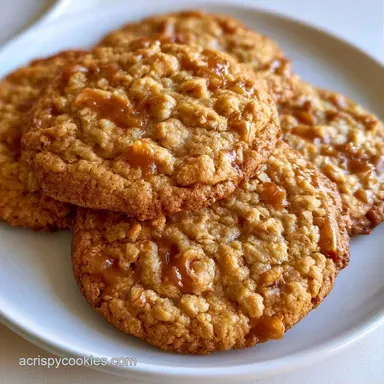
Old Fashioned Heath Candy Bar Cookies

- Time: 15 min active + 10 min cook
- Flavor/Texture Hook: Buttery toffee shards in a chewy, caramel toned base
- Perfect for: Late night cravings or a small party platter
Do you ever wonder why bakery style cookies often have a deeper, toasted sugar flavor that's hard to replicate? I spent some time figuring out why my home baked versions seemed "flat" compared to those from high end patisseries. It usually comes down to the specific balance of sugars and the way the candy is prepared.
In an early attempt for a friend, I used pre-cut toffee bits. While the cookies were fine, they lacked that chunky, rustic appeal. Once I started chopping the candy bars by hand, the improvement was instant. The aroma of vanilla and melting toffee filling the kitchen is honestly better than any candle.
You can look forward to a cookie that is slightly crisp on the edges but stays tender in the center. These Heath Candy Bar Cookies aren't just sweet; they have a salty undertone that makes them irresistible. Here is how to get that precise balance right.
Quick Specs for Heath Candy Bar Cookies
When you're prepping these, the timing is tight. Since the total time is only 25 minutes, you don't have much room for lounging. I suggest getting your butter softened before you even think about preheating the oven.
The yield is 18 cookies, which is just enough to share but not so many that you're stuck with a giant container for a month. Keep in mind that because these have real candy chunks, they can soften quickly if your kitchen is hot.
If you're looking for another candy based treat, you might like these Andes Candy Cookies, which use a similar base but a different flavor profile.
Why This Recipe Works
- Sugar Proportions: Increasing the amount of brown sugar relative to white adds more molasses. This results in a flexible, chewy texture and rich caramel notes that complement the toffee.
- Hand Cut Candy: Manually chopping the bars creates varied shards. Larger pieces provide a satisfying crunch, while smaller fragments melt into the dough.
- Careful Mixing: Ceasing the mix the moment flour streaks disappear prevents gluten from toughening, ensuring a tender cookie.
| Goal | What to change |
|---|---|
| More Chew | Increase brown sugar by 20g |
| Crispier Edge | Bake 2 minutes longer |
| Thicker Cookie | Chill dough 30 mins |
Gathering Your Essentials
To achieve the best results, ensure your butter is softened but not completely melted. If it's too liquid, the cookies will spread too thin. I typically let mine sit on the counter for about two hours.
| Ingredient | What It Does | Best Swap |
|---|---|---|
| Unsalted Butter | Creates a lush, sturdy base | Salted butter (reduce added salt) |
| Brown Sugar | Brings chewiness and molasses notes | Dark brown sugar (for more molasses) |
| All Purpose Flour | Provides the necessary foundation | 1:1 gluten-free blend |
| Heath Candy Bars | Delivers a sweet, crunchy contrast | Skor bars or English toffee bits |
The Full List: 1/2 cup (115g) unsalted butter, softened Why this? Crucial for achieving a professional, creamy consistency 3/4 cup (150g) packed light brown sugar Why this? Responsible for the dark hue and soft bite 1/4 cup (50g)
Granulated white sugar Why this? Ensures the outer edges get a nice snap 1 large egg (50g) Why this? Acts as an emulsifier and helps the dough rise 1 tsp (5ml) pure vanilla extract Why this? Balances the sweetness with a warm
Aroma 1 1/2 cups (190g) all purpose flour Why this? The go-to for a consistent, sturdy crumb 1/2 tsp (3g) baking soda Why this? Aids in leavening and golden color 1/4 tsp (1.5g) salt Why this? Offsets the intense sugar from
The toffee 1 cup (150g) Heath Candy Bars, coarsely chopped Why this? Provides the main hit of buttery, crunchy flavor
Equipment Needed
While basic tools work, a few specific items are helpful. I prefer a large mixing bowl for wet ingredients and a medium one for dry. A hand mixer is ideal for creaming, though you can achieve the same result with a sturdy whisk and a bit of effort.
Parchment paper is essential here. Don't trust grease alone, since toffee can leak and bond to the metal pan. I also recommend using a tablespoon or cookie scoop to ensure uniform sizes so they cook evenly.
The Cooking Process
Phase 1: Creaming the Base
Start by heating your oven to 350°F (175°C). In a large bowl, cream together the softened butter and both sugars for about 2-3 minutes until the texture is light and airy. You should start to notice a sweet, buttery fragrance.
Stir in the egg and vanilla extract, mixing until the batter is well blended.
Phase 2: Integrating Dry Ingredients
Use a different bowl to combine the flour, baking soda, and salt. Set your mixer to low speed and gradually stir these dry components into the wet mixture. Stop as soon as the flour streaks are gone; overmixing here will result in a tough cookie rather than a tender one.
Phase 3: The Toffee Fold
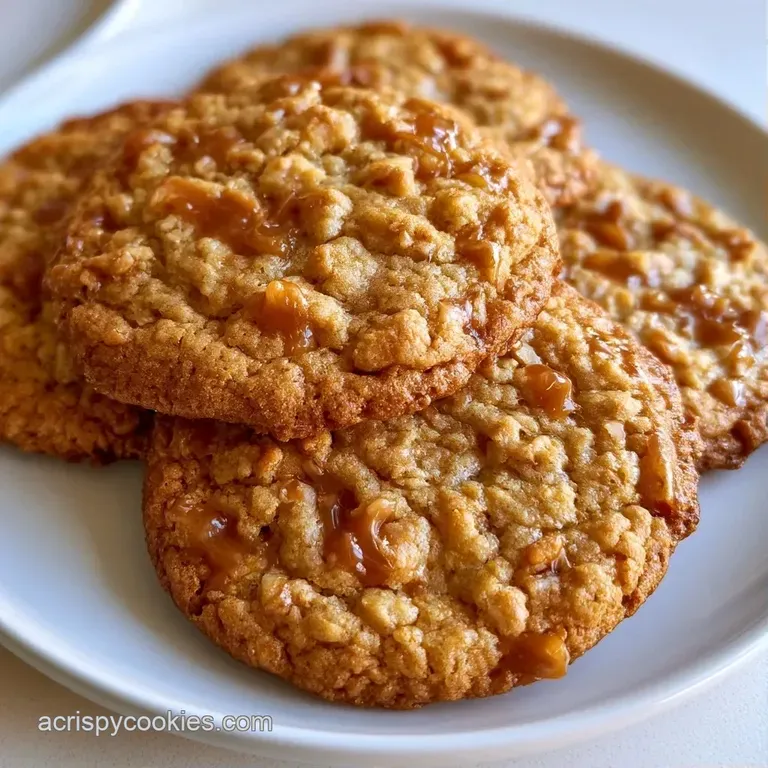
Grab a spatula for the final step. Carefully fold in the chopped Heath bars by hand, ensuring the toffee shards are evenly distributed through the mahogany colored dough. This guarantees a bit of that signature crunch in every bite of your Heath Candy Bar Cookies.
Phase 4: The Bake
Place rounded tablespoon sized portions of dough onto baking sheets lined with parchment. Leave 2 inches of space between them to account for spreading. Bake for 9-11 minutes until the perimeter is light golden but the middles still seem a bit soft.
They should smell like toasted sugar. Allow the cookies to firm up on the pan for 5 minutes before transferring them to a wire rack.
Troubleshooting Guide
Fixing the Spread
If your cookies flatten into thin discs, the oven may not have reached the right temperature or the butter was too soft. Ensure the butter is pliable enough to hold a fingerprint without appearing shiny or liquefied.
Should the dough feel oily, chill the scooped portions in the refrigerator for 15 minutes prior to baking.
Solving Burnt Toffee
Larger pieces of candy resting on top can sometimes scorch. To prevent the toffee from darkening too rapidly, try breaking the bars into smaller, more consistent bits. This allows the candy to blend into the cookie dough instead of remaining exposed on top.
Adjusting a Cakey Texture
Cookies often turn out cakey when too much flour is used or the eggs are whipped excessively. Be sure to spoon the flour into your measuring cup and level it off, rather than packing it down. Additionally, over mixing once the flour is incorporated develops excess gluten, resulting in a bread like texture.
Make It Your Own
If you want to switch things up, you can easily modify this recipe. For a saltier version, sprinkle a pinch of flaky sea salt on top immediately after taking them out of the oven. This creates a great contrast with the sweet chocolate and toffee.
You can also add 1/2 cup of toasted pecans or walnuts during the folding stage. The nuttiness pairs perfectly with the English toffee. For those who love more chocolate, adding 1/2 cup of mini chocolate chips turns these into a very rich treat. If you're in the mood for something different, my Classic Chocolate Chip Cookies recipe use a similar technique but focus on that traditional vanilla chocolate balance.
Turning them into Sheet Cookies
If you don't want to scoop individual balls, you can press the dough into a lined 9x13 inch baking pan. Bake them for about 20-25 minutes. This gives you "Heath Bar Sheet Cookies" that you can slice into squares once cooled.
Freezing and Reheating Guide
Store your baked cookies in an airtight container at room temperature for up to 4 days. To keep them from getting soft, place a piece of parchment paper between the layers. If you want them to last longer, the freezer is your best friend.
For freezing, you can either freeze the baked cookies or the raw dough balls. Baked cookies last about 3 months in a freezer safe bag. To enjoy them, let them sit at room temperature for 20 minutes or pop them in a 300°F (150°C) oven for 3 minutes to bring back that "just baked" feel.
If you freeze the raw dough, just bake them directly from the freezer, adding 2 minutes to the total cook time. This is a great way to have fresh Heath Candy Bar Cookies whenever a craving hits.
Zero Waste Tips
Don't throw away the tiny crumbs at the bottom of the candy bar wrapper. Collect those toffee bits and sprinkle them over vanilla ice cream or stir them into a homemade frosting. If you have leftover butter that's slightly too soft, freeze it for 10 minutes before using it in your next batch to ensure the cookies don't spread.
Pairing Ideas
These cookies are quite rich, so they pair best with drinks that have a bit of acidity or bitterness to cut through the sugar. A cold glass of whole milk is the classic choice for a reason, as the creaminess complements the toffee.
For adults, a hot cup of black coffee or a strong espresso is an excellent match. The bitterness of the coffee brings out the toasted notes of the brown sugar. If you're serving these at a party, try pairing them with a sharp cheddar cheese plate.
The salty, savory profile of the cheese creates a sophisticated contrast with the sweet chocolate.
Right then, you've got everything you need to get these in the oven. Just remember to watch those edges and don't overbake them. The magic of Heath Candy Bar Cookies is that soft, chewy center that melts in your mouth. Enjoy!
Recipe FAQs
Can these be used as Christmas cookies?
Yes, they are a crowd favorite. The buttery toffee flavor pairs well with holiday treats. You might also like our Halloween sugar cookies for a festive themed platter.
How to prevent the cookies from flattening?
Measure the flour accurately with a spoon and-level method. Using too much butter or too little flour causes excessive spread during baking.
Is it true that overmixing the batter improves the texture?
Not true. Overworking the flour develops too much gluten, which makes the cookies tough instead of tender.
What creates the soft center and crisp edges?
Baking for exactly 9-11 minutes at 350°F. Removing them while the centers are still slightly soft ensures they set perfectly during the 5-minute cooling period on the pan.
Should the butter be completely melted?
No, use softened butter. Melted butter alters the aeration process during the initial beating phase, resulting in a denser cookie.
Does chilling the dough change the result?
Yes, it reduces spread. Chilling the dough for 30 minutes helps the fats solidify, which results in a thicker cookie.
Why are the candy bars chopped coarsely?
Coarse chunks provide distinct pockets of toffee. Fine chopping would distribute the flavor too evenly and lose the satisfying crunch of the Heath bars.
Could I use a different sugar for more chew?
No, stick to the light brown and white sugar ratio. The specific balance of brown sugar provides the moisture and molasses flavor needed for the correct chewy yet-crisp profile.
Heath Candy Bar Cookies