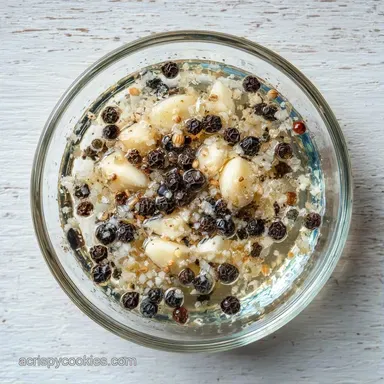
Peppercorn Pickle Brine Recipe: Deli Style
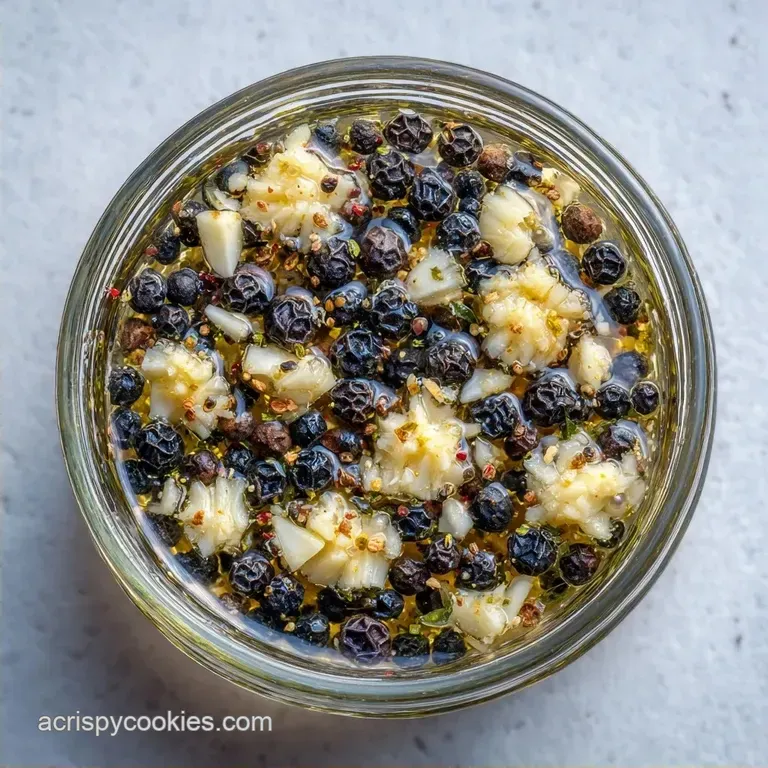
- Time: 10 min active + 24 hours chilling
- Flavor/Texture Hook: Shatter crisp crunch with a pungent, peppery finish
- Perfect for: Sunday meal prep, charcuterie boards, or a zesty sandwich topper
Peppercorn Pickle Brine Recipe
The sharp, vinegary scent hits you the second you pop the lid, followed by that deep, woody aroma of cracked peppercorns. I remember the first time I tried to make a "fancy" pickle at home.
I followed some vague online guide that just said "add salt and vinegar," and I ended up with something that tasted like salty water and felt like a wet sponge. It was a total disaster.
The secret isn't just the ingredients, but the ratio and the temperature. When you get this balance right, the brine doesn't just preserve the vegetable, it transforms it. You get that contrast between the bright, acidic snap and the lingering, spicy warmth of the peppercorns that cuts right through the richness of a burger or a fatty piece of cheese.
This Peppercorn Pickle Brine Recipe is designed for someone who wants that restaurant quality zing at home. We aren't going for a mild, sweet supermarket pickle here. We're looking for something bold, sharp, and unapologetically pungent.
The Logic Behind the Flavor
I've spent a lot of time acting as a flavor detective to figure out why some brines taste flat while others sing. The magic happens when you stop treating the brine as just "liquid" and start treating it as an infusion.
Osmotic Pressure: Salt draws water out of the vegetable cells, making room for the vinegar and spices to move in. This swap is what creates that concentrated flavor.
Acidity Lock: The distilled white vinegar lowers the pH level quickly, which stops enzymes from breaking down the pectin in the vegetable walls. This is why the pickles stay shatter crisp instead of turning mushy.
Infusion Heat: Simmering the peppercorns and mustard seeds before pouring the brine releases the essential oils. If you just toss them in cold, you get a mild taste, but a light simmer unlocks a pungent, spicy depth.
Sugar Balance: The small amount of sugar isn't there to make it "sweet." It acts as a bridge, smoothing over the harsh edges of the vinegar so the peppery notes can actually shine.
Since this is a refrigerator style brine, it stays fresher and punchier than canned versions. If you're looking for a similar snap, my homemade garlic dill pickles use a similar logic to keep things crisp.
| Method | Prep Time | Texture | Best For |
|---|---|---|---|
| Fresh Brine | 20 mins | Shatter crisp | Short term fridge storage |
| store-bought | 0 mins | Often soft | Emergency convenience |
| Canned/Processed | 2 hours | Muted crunch | Long term shelf storage |
Core Flavor Components
When you're building a brine, the quality of your salt and vinegar determines the final result. Don't use table salt with iodine, as it can make your brine cloudy and give it a metallic aftertaste.
| Ingredient | Science Role | Pro Secret |
|---|---|---|
| Distilled White Vinegar | Acidifier | Use 5% acidity for a consistent snap |
| Kosher Salt | Osmotic Agent | Coarser grains dissolve slower, preventing over salting |
| Black Peppercorns | Aromatic Heat | Use whole berries for a slow release spice |
| Garlic Cloves | Pungency | Smash them to release the allicin for better flavor |
Essential Gear for Pickling
You don't need a professional lab, but a few specific tools make this a lot easier. Using the wrong container can lead to leaks or, worse, a brine that doesn't seal.
First, grab a medium stainless steel saucepan. Avoid aluminum, as the high acidity of the vinegar can react with the metal and leave a weird taste in your brine. A stainless steel pot keeps the flavor clean.
Second, you'll need glass jars with airtight lids. Mason jars are the standard for a reason, but any glass jar with a rubber seal works. Avoid plastic containers for the long haul, as the vinegar can leach chemicals from the plastic and the containers can absorb the pungent smell.
Finally, a funnel is a lifesaver. Pouring hot liquid into a jar packed with cucumbers is a great way to make a mess of your kitchen. A funnel ensures every drop of the Peppercorn Pickle Brine Recipe goes exactly where it should.
The Brine Process
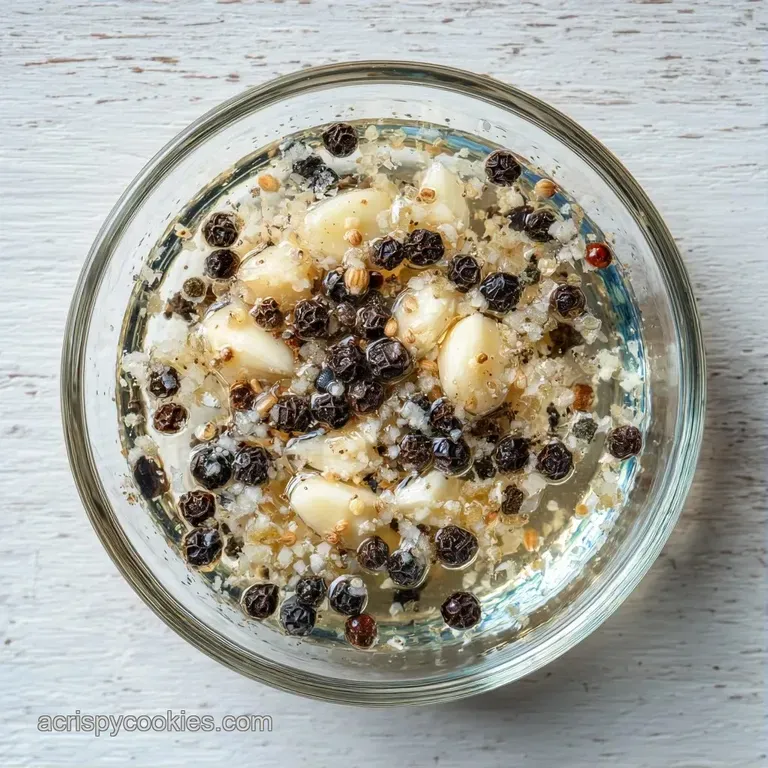
Before you start, make sure your vegetables are washed and dried. If they're too wet, you'll dilute the brine and lose that sharp edge.
Phase 1: Preparing the Vessel
- Pack your chosen vegetables tightly into cleaned glass jars. Note: Pack them tight so they don't float.
- Tuck the smashed garlic cloves and bay leaves into the sides of the jar. Ensure they are positioned to remain fully submerged once the liquid is added.
Phase 2: Simmering the Brine
- Combine distilled white vinegar, filtered water, kosher salt, and granulated sugar in your stainless steel saucepan.
- Stir over medium heat until the salt and sugar are completely dissolved and the liquid is clear.
- Add the whole black peppercorns and mustard seeds to the pot.
- Bring the mixture to a light simmer for 5 minutes until the liquid becomes aromatic. Avoid a violent boil, as this can evaporate too much vinegar and throw off the ratio.
Phase 3: The Pour and Seal
- Using a funnel, pour the hot brine over the vegetables. Leave a 1/2 inch headspace at the top of the jar.
- Gently tap the jars on the counter until air bubbles escape and the vegetables are fully covered.
- Seal the lids tightly and let the jars cool to room temperature on the counter.
- Place the jars in the refrigerator for at least 24 hours until the flavors have penetrated the core of the vegetables.
Chef's Note: If you want an extra punch of heat, lightly crack a few of the peppercorns before adding them to the pot. This releases the oils faster.
Fixing Common Pickling Problems
Even with a solid Peppercorn Pickle Brine Recipe, things can go sideways. Usually, it comes down to temperature or ingredient quality.
Soft Texture Issues
If your pickles feel limp, it's often because the pectin broke down. This happens if the brine was too hot when poured or if the vegetables were too ripe. Always use firm, fresh produce.
Cloudy Brine Appearance
Cloudiness usually stems from using iodized table salt or impure water. Distilled white vinegar and filtered water are your best bets for a crystal clear look.
Overly Sharp Acidity
If the brine tastes too aggressive, you might have boiled it too long, concentrating the vinegar. Ensure you only simmer for the recommended 5 minutes.
| Problem | Root Cause | Solution |
|---|---|---|
| Mushy Texture | Too much heat / Old veg | Use cold stored firm cucumbers |
| Cloudy Liquid | Iodized salt usage | Switch to Kosher or Sea salt |
| Bland Flavor | Under packed jars | Pack veg tighter to increase brine contact |
Quick Check for Success:
- ✓ Used distilled vinegar (no impurities)
- ✓ Salt completely dissolved before adding spices
- ✓ Headspace maintained at 1/2 inch
- ✓ Jars cooled before refrigeration
- ✓ Veggies fully submerged below the liquid line
Swaps for Different Diets
Depending on what you're pickling, you might want to tweak the base of this Peppercorn Pickle Brine Recipe. It's flexible, but some swaps change the vibe more than others.
| Original Ingredient | Substitute | Why It Works |
|---|---|---|
| Distilled White Vinegar | Apple Cider Vinegar | Similar acidity. Note: Adds a fruity sweetness and amber color |
| Granulated Sugar | Maple Syrup | Natural sweetener. Note: Adds a woody depth, best for carrots |
| Kosher Salt | Sea Salt | Same salinity. Note: Ensure it's non iodized to avoid cloudiness |
| Black Peppercorns | White Peppercorns | Similar heat. Note: More earthy and less "piney" than black |
If you're going sugar-free, you can just omit the tablespoon of sugar. The brine will be significantly sharper, which is actually great if you're using this for a savory marinade. For those watching sodium, you can reduce the salt by 25%, but be aware that the shelf life in the fridge will drop from weeks to about 10 days.
Storage and Waste Reduction
Once these have chilled for 24 hours, they'll stay shatter crisp in the fridge for about 4 to 6 weeks. Just make sure you use a clean fork to pull them out so you don't introduce bacteria into the jar.
But don't you dare throw away the leftover juice. This homemade peppercorn pickle juice is a goldmine of flavor. I love using it as a brine for grilled chicken or whisking it into a mayonnaise based sauce for a punchy potato salad.
For a zero waste approach, use the leftover brine to quick pickle some sliced red onions. Just toss the onions in the remaining liquid for 30 minutes, and you've got a bright, peppery topping for tacos.
If you have leftover bay leaves or garlic from the jar, toss them into a simmering pot of beans or a slow cooker stew to add a layer of fermented depth.
Serving and Pairing Ideas
The beauty of a Peppercorn Pickle Brine Recipe is how it acts as a palate cleanser. Because it's so sharp and peppery, it cuts through heavy fats.
I highly recommend serving these alongside a rich charcuterie board with brie or a sharp cheddar. The vinegar cuts through the creaminess of the cheese, while the peppercorns echo the saltiness of the cured meats.
For a main meal, these are a must on a classic smash burger. The acidity wakes up the beef, and the crunch provides a necessary contrast to the soft bun. If you're feeling adventurous, try them with a side of roasted pork belly. The fatty, salty pork and the zesty, peppery pickle are a match made in heaven.
Decision Shortcut for Your Veggies: If you want a classic snap → Use Kirby cucumbers. If you want a spicy crunch → Use cauliflower and carrots. If you want a savory bite → Use pickled green beans (haricots verts).
Recipe FAQs
How to make the homemade pickle brine?
Combine distilled white vinegar, filtered water, kosher salt, and granulated sugar in a medium saucepan. Stir over medium heat until dissolved, then simmer with whole black peppercorns and mustard seeds for 5 minutes before pouring over vegetables.
Why are my homemade pickles soft instead of crisp?
Avoid violent boiling and ensure the brine cools to room temperature before refrigerating. If you enjoyed mastering texture control here, see how we apply similar precision to achieve the perfect consistency in our steakhouse mashed potatoes.
Can I make these sweet pickles without canning?
Yes, just increase the amount of granulated sugar. These are designed specifically as refrigerator pickles, meaning they stay safe and delicious without the need for a water bath.
How long do these refrigerator pickles stay fresh?
They remain crisp in the refrigerator for 4 to 6 weeks. Always use a clean fork to remove pickles to prevent introducing bacteria into the jar.
Is it true that I can freeze these pickles to preserve them longer?
No, this is a common misconception. Freezing breaks down the cellular structure of the vegetables, leaving them mushy and unappealing once thawed.
What can I do with the leftover pickle brine?
Use it as a marinade for grilled chicken or whisk it into a sauce for potato salad. You can also use the remaining juice to quick pickle sliced red onions.
How long does homemade pickle juice last?
It stays fresh in the refrigerator for about 6 weeks. Store it in a tightly sealed glass jar to maintain its punchy acidity and flavor.
Peppercorn Pickle Brine Recipe