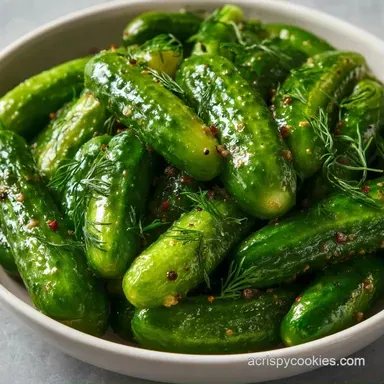
Cucumber Refrigerator Pickles: Garlic and Dill
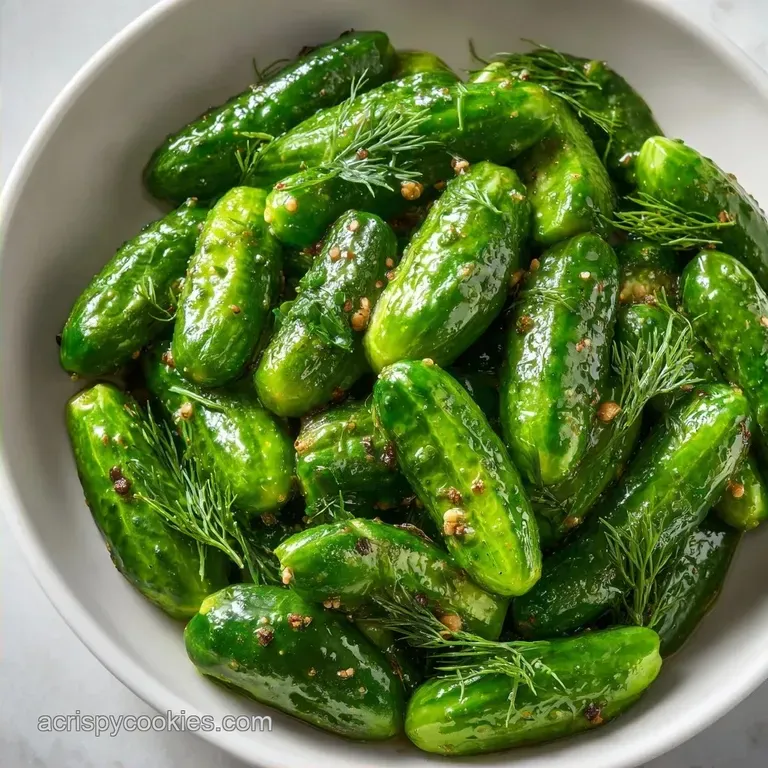
- Time: 10 min active + 24 hours chilling
- Flavor/Texture Hook: Sharp, vinegary snap with a garlic punch
- Perfect for: Burger toppings, charcuterie boards, or healthy snacking
- Cucumber Refrigerator Pickles: The Crisp Method
- Why These Stay So Crunchy
- The Essential Flavor List
- Tools for the Job
- Putting It All Together
- Solving Common Pickle Problems
- Troubleshooting Common Issues
- Customizing Your Batch
- Scaling the Batch
- Pickle Truths
- Storage and Waste Tips
- Best Ways to Serve
- Critical in Sodium
- Recipe FAQs
- 📝 Recipe Card
Ever wonder why store-bought pickles often feel like soft, water logged sponges? I used to think it was just the price point. Then I tried a few different home methods and realized the heat was the enemy. Most people boil their vegetables too long, which destroys the structure of the cucumber.
I remember making a batch for a summer barbecue a few years back. I was so worried about them not being "done" that I over processed the brine. They came out tasting fine, but they had the texture of a wet napkin. It was a total letdown.
I spent the next month obsessing over how to get that specific, loud "crack" when you bite into a slice.
The answer was simpler than I thought. By using a quick simmer brine and a long cold set, you get that high end deli texture. This version of Cucumber Refrigerator Pickles focuses on those layers of flavor, starting with the raw punch of garlic and finishing with the mellow tang of the fridge soak.
Cucumber Refrigerator Pickles: The Crisp Method
The main goal here is keeping the cucumbers firm. When you use the refrigerator method, you aren't trying to preserve them for years on a shelf. You're just using the acidity of the vinegar and the cold temperature to keep them fresh and zesty for a few weeks.
I've found that mini Persian cucumbers are the way to go. They have thinner skins and smaller seeds, which means they soak up the brine without getting that weird, mealy center. If you use the big slicing cucumbers, you'll spend half your time scooping out seeds, and they still tend to release too much water.
This approach builds flavor in stages. First, the aromatics set the base. Then, the hot brine locks in the spices. Finally, the 24 hour chill allows the vinegar to penetrate the skin without cooking the vegetable. It's a slow motion infusion that results in a much cleaner taste.
Why These Stay So Crunchy
The magic here happens because we avoid the "death by boiling" that happens in traditional canning. When you put a cucumber in a boiling water bath, the heat breaks down the pectin in the cell walls.
Cold Set Logic: By pouring hot brine over raw veg and then chilling immediately, the cucumber shrinks slightly and tightens up, locking in the crunch.
Salt Balance: The kosher salt draws out excess moisture from the cucumber cells through osmosis, making room for the vinegar and sugar to move in.
| Method | Prep Time | Texture | Best For |
|---|---|---|---|
| Quick Soak | 1 hour | Soft/Fresh | Immediate snacking |
| Classic Fridge | 24 hours | Snappy/Firm | Meal prep & parties |
| Water Bath | 2 hours | Soft/Processed | Long term shelf storage |
The Essential Flavor List
I don't use "fancy" ingredients here because the simplicity is what makes the flavor pop. The contrast between the sharp white vinegar and the earthy dill is what creates that classic deli profile.
What Each Ingredient Does:
| Ingredient | What It Does | Best Swap |
|---|---|---|
| Persian Cucumbers | Provides the structure | English cucumbers (slice them) |
| White Distilled Vinegar | Adds the sharp acidity | Apple cider vinegar (milder) |
| Kosher Salt | Draws out water | Sea salt (avoid table salt) |
| Fresh Dill | Adds herbal brightness | Dried dill (use 1 tsp) |
Tools for the Job
You don't need a chemistry set for this. A few basic kitchen tools will do. I prefer using wide mouth pint jars because it makes packing the cucumbers much easier. If the mouth is too narrow, you'll end up bruising the vegetables as you force them in.
A medium stainless steel saucepan is best for the brine. You want something that doesn't warp under medium high heat. Also, keep a slotted spoon handy if you decide to slice your cucumbers, as it helps you pack them tightly without leaving air pockets.
Putting It All Together
Right then, let's get into the process. The key is packing the jars tightly. If there's too much room, the cucumbers float and the top layer stays bland.
Preparing the Jars
Distribute the smashed garlic cloves, fresh dill sprigs, and black peppercorns evenly across the bottom of the four jars. Note: Smashed garlic releases more oils than sliced garlic.
Packing the Cucumbers
Tightly pack the whole mini cucumbers into the jars, pushing them down firmly but gently to minimize air gaps. Do this until the jars are nearly full.
Simmering the Brine
Combine the white vinegar, water, kosher salt, and granulated sugar in a saucepan. Heat over medium high, stirring occasionally, just until the salt and sugar are completely dissolved and the liquid begins to simmer. Note: Don't let it reach a rolling boil for long, or you'll evaporate too much vinegar.
The Final Infusion
Pour the hot brine over the cucumbers, filling each jar to within 1/4 inch of the rim. Tap the jars gently on the counter to release any trapped air bubbles. Check that every cucumber is fully submerged.
The Cold Soak
Seal with lids and let them cool to room temperature. Once they aren't steaming anymore, transfer them to the refrigerator for 24 hours. Wait the full day before opening.
Solving Common Pickle Problems
Even with a simple recipe, things can go sideways. Usually, it comes down to the temperature of the brine or the quality of the cucumbers.
Troubleshooting Common Issues
| Issue | Solution |
|---|---|
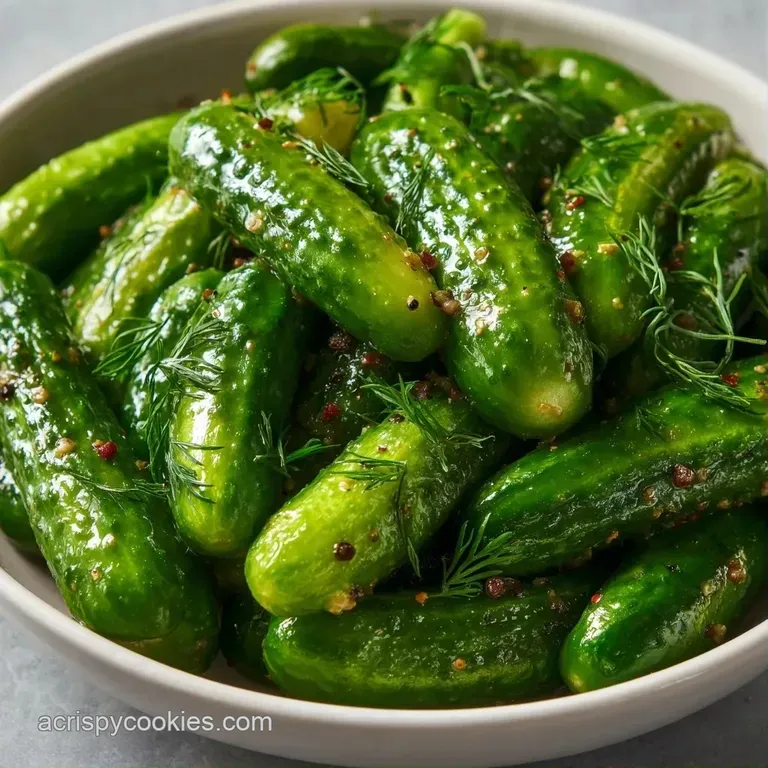
| Why Your Pickles Softened | If your Cucumber Refrigerator Pickles turned out mushy, you likely used cucumbers that were already old. Once a cucumber loses its internal moisture, no amount of vinegar can bring the snap back. |
| Why the Flavor is Bland | Blandness usually happens because of air bubbles. If the brine doesn't touch the vegetable, it can't penetrate the skin. Always tap your jars on the counter to ensure the liquid fills every gap. |
| Why the Brine Clouded | Cloudy brine is often caused by the garlic or the type of water used. Filtered water is best. If it's cloudy but smells and tastes right, it's perfectly safe to eat. |
Customizing Your Batch
I love this base recipe because you can tweak it based on what's in your pantry. If you find this version too sharp, you can try Sweet Refrigerator Pickles for a more balanced, honey like finish.
Decision Shortcut: - If you want a spicy kick, add 1 sliced jalapeño to each jar. - If you want a deeper herbal note, add a pinch of mustard seed. - If you prefer a softer bite, slice the cucumbers into thirds instead of leaving them whole.
For those who like a more traditional garlic punch, check out my Homemade Garlic Dill Pickles for a variation that emphasizes the savory side.
Scaling the Batch
If you're making these for a crowd, scaling is easy, but don't just multiply everything linearly.
Scaling Down (1/2 batch): Use 1 lb of cucumbers and 2 jars. Keep the brine ratios the same, but be careful not to over reduce the liquid during the simmer since smaller amounts evaporate faster.
Scaling Up (2x-4x batch): When doubling, I only increase the salt and peppercorns to 1.5x. Too much salt in large batches can make the brine taste metallic. Work in batches when packing the jars to ensure you don't bruise the cucumbers at the bottom. If you're using larger jars, you might need a bit more brine to cover the tops, so make an extra 1/2 cup just in case. For those using different varieties, my English Cucumber Pickles guide offers a great perspective on handling larger veg.
Pickle Truths
There are a few things people get wrong about quick pickling. Let's set the record straight.
The idea that you must boil the cucumbers to "set" the flavor is a myth. In fact, boiling them often ruins the texture. The hot brine is enough to activate the aromatics without cooking the vegetable.
Another misconception is that you can't use table salt. You can, but table salt contains anti caking agents that make the brine cloudy. It doesn't affect the taste, but it looks less professional.
Storage and Waste Tips
These Cucumber Refrigerator Pickles stay fresh in the fridge for about 3 to 4 weeks. Keep them in an airtight jar and always use a clean fork to pull them out. If you use your fingers, you introduce bacteria that can make the brine slimy.
Zero Waste Tips: Don't toss the leftover brine! It's basically a seasoned vinegar. I use it as a marinade for grilled chicken or stir it into a potato salad to add a zesty kick. You can also use the brine to quick pickle sliced red onions for 30 minutes they're great on tacos.
Best Ways to Serve
These are obviously great on a burger, but they shine when paired with rich, fatty foods. The acidity cuts through the grease and cleanses the palate.
The Charcuterie Board: Pair these with a sharp cheddar, some salty prosciutto, and a dollop of grainy mustard. The snap of the pickle balances the creaminess of the cheese.
The Sandwich Upgrade: Instead of standard slices, chop the mini pickles into small bits and mix them directly into a homemade aioli. It gives you a burst of vinegar in every bite of your sandwich.
Critical in Sodium
1615 mg 1615 mg of sodium per serving (70% 70% of daily value)
The American Heart Association recommends a daily sodium limit of 2,300 mg for most adults, aiming for an ideal limit of 1,500 mg for those with hypertension.
Tips to Reduce Sodium in Your Pickles
-
Reduce Kosher Salt-30%
Cut the kosher salt by 30% or substitute a portion with a potassium based salt alternative to significantly lower the sodium content.
-
Increase Acidity-20%
Add a splash more white distilled vinegar or a squeeze of fresh lemon juice to enhance the tanginess, which tricks the palate into needing less salt.
-
Quick Pickle Method-15%
Opt for a refrigerated quick pickle approach rather than long term canning; this method typically requires much less salt to achieve a great flavor.
-
Balance with Sugar-10%
Slightly increase the granulated sugar to create a sweet and-sour balance, allowing you to reduce the overall salt quantity without losing flavor depth.
-
Boost Fresh Aromatics
Double the amount of fresh dill and smashed garlic to maximize the savory and herbal notes, adding complexity without adding sodium.
Recipe FAQs
Are mini cucumbers ok for pickling?
Yes, Persian cucumbers are ideal. Their thin skins and small size allow the brine to penetrate quickly while maintaining a snap.
Do you peel the cucumbers for refrigerator pickles?
No, leave the skins on. The peel provides the structural integrity needed to keep the pickles crisp during the refrigeration process.
How long does it take for mini cucumbers to pickle?
Wait 24 hours in the refrigerator. While you can taste them sooner, a full day ensures the brine fully penetrates the center of each cucumber.
How to make pickled cucumbers with vinegar?
Simmer white vinegar, water, salt, and sugar until dissolved, then pour the hot liquid over cucumbers packed in jars with garlic and dill.
How long do homemade pickled cucumbers last?
Store them for 3 to 4 weeks. Keep them in an airtight jar and always use a clean fork to prevent the brine from becoming slimy.
What can I do with the leftover brine?
Use it as a zesty marinade for grilled chicken or stir it into potato salad. If you enjoyed the acid balance here, see how the same principle works in these spicy pepper pickles.
Is it true that any cucumber will stay crisp if pickled this way?
No, this is a common misconception. Only fresh cucumbers work; once a cucumber loses its internal moisture, it will turn out mushy regardless of the brine used.
Cucumber Refrigerator Pickles