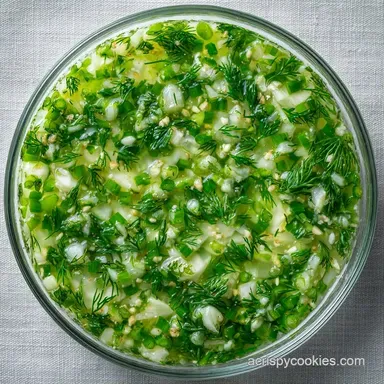
Master Refrigerator Pickle Brine: Shatter Crisp
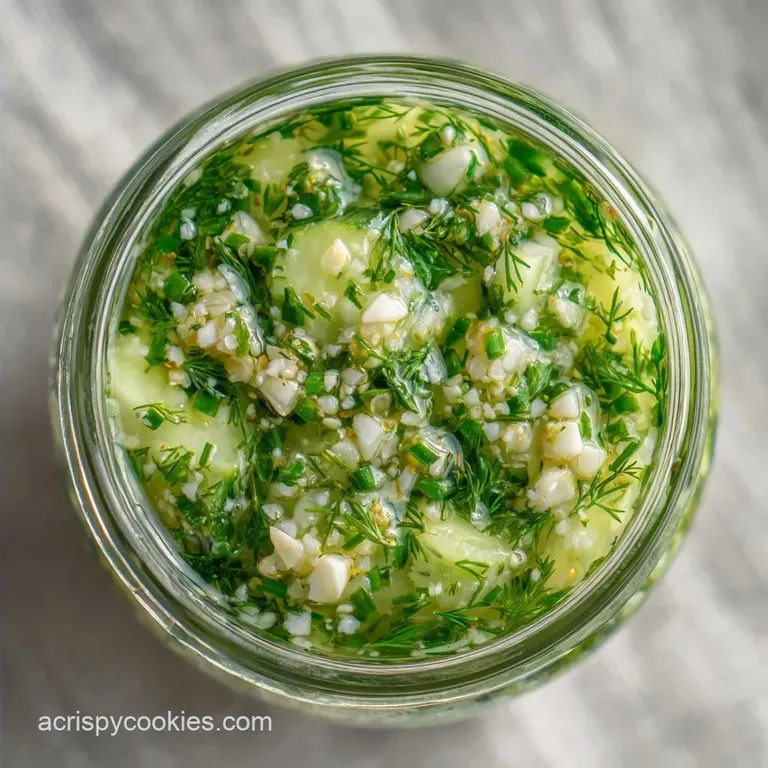
- Time: 15 min active + 2 days chilling
- Flavor/Texture Hook: Tangy, garlic forward, and shatter crisp
- Perfect for: Weekend meal prep or burger night
The sharp, pungent scent of white vinegar hitting a hot saucepan always reminds me of my grandmother's kitchen. I remember the first time I tried to make these on my own. I skipped one tiny step, forgot to trim the blossom ends off the cucumbers, and ended up with something that had the texture of a wet sponge.
It was a disaster, but it taught me that pickling isn't just about soaking things in acid, it's about managing enzymes.
Once I figured out the logic behind the salt to vinegar ratio, everything changed. I stopped guessing and started treating the process like a flavor detective, looking for that specific point where the vinegar stops being harsh and starts being bright. This particular Pickle Brine is the result of those early failures.
It's designed to hit that restaurant quality mark where the crunch is audible and the garlic really sings.
You can expect a result that feels professional but requires almost zero technical skill. We aren't doing any dangerous water bath canning here, just a straightforward refrigerator method. This means you get all the punch of a traditional deli pickle without the stress of sealing lids or worrying about botulism.
The Secret to a Perfect Pickle Brine
Most people treat the liquid as an afterthought, but the liquid is the entire point. To get that specific snap, you have to manage how water leaves the vegetable and how salt enters. If you use too much vinegar, the veg can actually soften over time. If you use too little, you risk spoilage and a bland flavor.
Osmotic Pressure: Salt draws water out of the cucumber cells, creating a denser structure. This prevents the veggie from becoming mushy.
Acid Stabilization: The vinegar lowers the pH level rapidly. This stops enzymes from breaking down the pectin in the cell walls.
Solubility Boost: Simmering the liquid ensures the salt and sugar fully dissolve. This prevents "salt pockets" where one pickle is a salt bomb and another is tasteless.
Aromatic Extraction: Heat opens up the pores of the peppercorns and mustard seeds. This releases the oils into the Pickle Brine before it even hits the jars.
| Method | Time | Texture | Best For |
|---|---|---|---|
| Fast Fridge | 24 hours | Soft crunch | Immediate cravings |
| Classic Fridge | 48 hours | Shatter crisp | Long term snacking |
| Canned | Weeks | Firm | Pantry storage |
Component Analysis
Understanding the role of each ingredient helps you tweak the flavor without ruining the structure. It's all about the interaction between the acid and the minerals.
| Ingredient | Science Role | Pro Secret |
|---|---|---|
| White Vinegar | Acidifier | Use 5% acidity for consistent results |
| Kosher Salt | Texture Agent | Avoid table salt to prevent cloudy brine |
| Granulated Sugar | Flavor Balancer | Just enough to cut the sharp acid bite |
| Garlic Cloves | Aromatic | Smash them to release allicin |
Necessary Tools for the Job
You don't need a professional lab, but a few specific tools make the process smoother. I always use glass jars because plastic can absorb the vinegar smell, which is a nightmare to get out of your fridge.
First, grab two 1 quart glass jars with tight fitting lids. Make sure they are scrubbed clean. You'll also need a small stainless steel saucepan. Avoid aluminum pots, as the acid in the Pickle Brine can react with the metal and leave a weird metallic taste in your vegetables.
For the prep, a sharp chef's knife is non negotiable. You want clean cuts on the cucumbers. Jagged edges can lead to softer spots where the brine doesn't penetrate evenly. Finally, a measuring cup and spoons for the salt and sugar are essential, as a few extra tablespoons of salt can make the result inedible.
From Prep to Plate
Right then, let's get into the actual making. The key here is the order of operations. We want the aromatics waiting in the jar so the hot liquid can hit them the moment it's poured.
- Wash the cucumbers thoroughly and slice them into spears or 1/4 inch rounds. Note: Cut off the blossom end of each cucumber to remove the enzymes that cause softness.
- Divide the smashed garlic, chopped fresh dill, black peppercorns, and mustard seeds evenly between two 1 quart glass jars.
- Pack the sliced cucumbers tightly into the jars, leaving approximately 1/2 inch of headspace at the top.
- In a small saucepan, combine the water, white distilled vinegar, kosher salt, and granulated sugar.
- Place the saucepan over medium heat and stir occasionally, bringing the mixture to a gentle simmer until the salt and sugar are fully dissolved.
- Carefully pour the hot Pickle Brine over the cucumbers in the jars, ensuring they are fully submerged.
- Seal the jars with tight fitting lids.
- Refrigerate for 24 to 48 hours until the cucumbers turn a muted olive green and the flavor is sharp.
Chef's Note: If you find your cucumbers floating, you can use a small glass weight or even a folded piece of parchment paper to keep them submerged. Any vegetable exposed to air will soften much faster.
Troubleshooting Guide
Even with a solid plan, things can go sideways. Usually, it comes down to the temperature of the liquid or the quality of the produce.
| Issue | Solution |
|---|---|
| Why Your Pickles Are Soft | This usually happens if the blossom ends weren't removed or if the cucumbers were too warm when the brine was added. |
| Why Your Brine Looks Cloudy | Cloudiness is often caused by using iodized table salt. The additives in table salt react with the vinegar. It doesn't affect the taste, but it doesn't look as clean. |
| Liquid is Low | If the cucumbers soak up too much liquid and some are exposed, just mix a quick 1:1 ratio of water and vinegar with a pinch of salt and top it off. |
- ✓ Trim the blossom ends of every single cucumber.
- ✓ Use a 1:1 ratio of water to vinegar for the base.
- ✓ Ensure the liquid is simmering, not boiling violently.
- ✓ Use Kirby cucumbers, not English cucumbers, for better crunch.
- ✓ Let the jars sit undisturbed in the fridge for two full days.
Customizing Your Flavor

Once you have the base Pickle Brine down, you can start playing with the aromatics. I've found that adding a teaspoon of coriander seeds gives it a slightly citrusy, European vibe. If you want more heat, double the red pepper flakes or toss in a sliced habanero for a real kick.
For those who prefer a sweeter profile, you can look into a Brine in 20 Minutes recipe that adjusts the sugar levels. If you want to go the traditional route with more garlic, my Homemade Garlic Dill Pickles guide shows how to layer the cloves for maximum impact.
- - For a sharper bite
- Increase vinegar by 1/4 cup and reduce water.
- - For a mellow flavor
- Add a slice of lemon peel to the jar.
- - For an earthy note
- Add a pinch of celery seed.
Scaling the Batch
Scaling this recipe is straightforward, but you can't just multiply everything linearly. Salt and spices behave differently in larger volumes.
When scaling down to a single jar, simply halve everything. Since you're working with less liquid, it will reach a simmer much faster, so watch the pot closely to avoid over reduction.
When scaling up for a party (3x or 4x), increase the salt and spices to only 1.5x or 2x. Too much salt in a large batch can become overwhelming. Also, work in batches when packing the jars to ensure the cucumbers stay tight and don't bruise.
If you're doubling the volume in a larger pot, lower the heat slightly to ensure the sugar doesn't scorch on the bottom.
Common Pickling Myths
There is a lot of misinformation about fridge pickles. One big one is that you have to boil the vegetables themselves to make them "safe." This is false for refrigerator pickles. Boiling the cucumbers actually destroys the cell structure, leading to the very mushiness we're trying to avoid.
Another myth is that the vinegar "seals" the vegetable. Vinegar doesn't seal anything, it just creates an environment where bad bacteria can't survive. The "seal" is actually the physical lid on your jar and the cold temperature of your fridge.
Preservation and Waste
These will stay crisp and tangy in the fridge for about 3 to 4 weeks. After that, they'll still be safe to eat, but the texture will start to soften. Do not freeze them, as the water in the cucumbers will expand and turn them into mush upon thawing.
As for the leftover liquid, don't you dare pour that Pickle Brine down the drain. It's essentially a seasoned acid. I use it as a marinade for grilled chicken or as a base for a zesty potato salad dressing.
You can even use it to brine shrimp for 30 minutes before sautéing them to get a bright, acidic pop.
Serving Suggestions
The best way to enjoy these is as a contrast to something rich. I love them on a smash burger with melted American cheese and a toasted brioche bun. The acidity of the pickle cuts through the fat of the beef and cheese.
Another great option is a zesty charcuterie board. Pair the spears with a sharp cheddar, some salty salami, and a dollop of grainy mustard. The vinegar cleanses the palate between the heavy meats and cheeses.
If you're feeling adventurous, chop them up into a relish and stir them into a tuna salad for an instant flavor upgrade.
Critical in Sodium
6564 mg 6,564 mg of sodium per serving (285% 285% of daily value)
The American Heart Association recommends a limit of 2,300mg of sodium per day for most adults, and ideally closer to 1,500mg for those with hypertension.
Tips to Reduce Sodium
-
Reduce Kosher Salt-30%
The kosher salt is the primary sodium source; reduce the amount by half or use 1 tablespoon instead of 2 to significantly drop the sodium levels.
-
Use Salt Substitutes-25%
Replace a portion of the salt with a potassium based salt substitute to maintain the salty flavor profile with less sodium.
-
Enhance Acidity-15%
Increase the white distilled vinegar slightly or add a splash of lemon juice to provide a sharper tang that tricks the palate into needing less salt.
-
Boost Aromatics-10%
Double the amount of smashed garlic and fresh dill to create a more complex flavor profile that compensates for the salt reduction.
-
Maximize Spices
Increase the black peppercorns and red pepper flakes to add heat and depth to the brine without adding any sodium.
Recipe FAQs
What is the ratio for refrigerator pickle brine?
A 1:1 ratio of vinegar to water. Using equal parts white distilled vinegar and water ensures a balanced acidity that preserves the vegetables without tasting overly harsh.
Can pickle juice help with nausea?
Yes, it can. The combination of salt and vinegar helps balance electrolytes and can soothe some people's stomachs, though effectiveness varies by person.
Can brine for refrigerator pickles be reused?
No, it is not recommended. The brine loses acidity and becomes contaminated with vegetable impurities over time, which risks the quality and safety of a second batch.
Do homemade dill pickles in vinegar need to be refrigerated?
Yes, they must stay cold. These are quick pickles rather than canned preserves, so refrigeration is required to keep them crisp and prevent spoilage.
What kind of water can you use for pickling brine?
Use filtered or distilled water. Minerals in hard tap water can react with the vinegar, which often results in a cloudy brine.
How long does it take for the flavors to develop in the pickle?
Refrigerate for 24 to 48 hours. This window allows the brine and aromatics to fully penetrate the cucumbers for the best flavor and texture.
How to make simple dill pickles?
Combine white distilled vinegar, water, kosher salt, and sugar in a saucepan. Simmer until dissolved, then pour the hot liquid over sliced cucumbers and aromatics. If you enjoyed mastering this quick brining technique, see how it works in our pickle chips recipe.
Master Refrigerator Pickle Brine