Claussen Copycat Pickles: the Ultimate Crunch
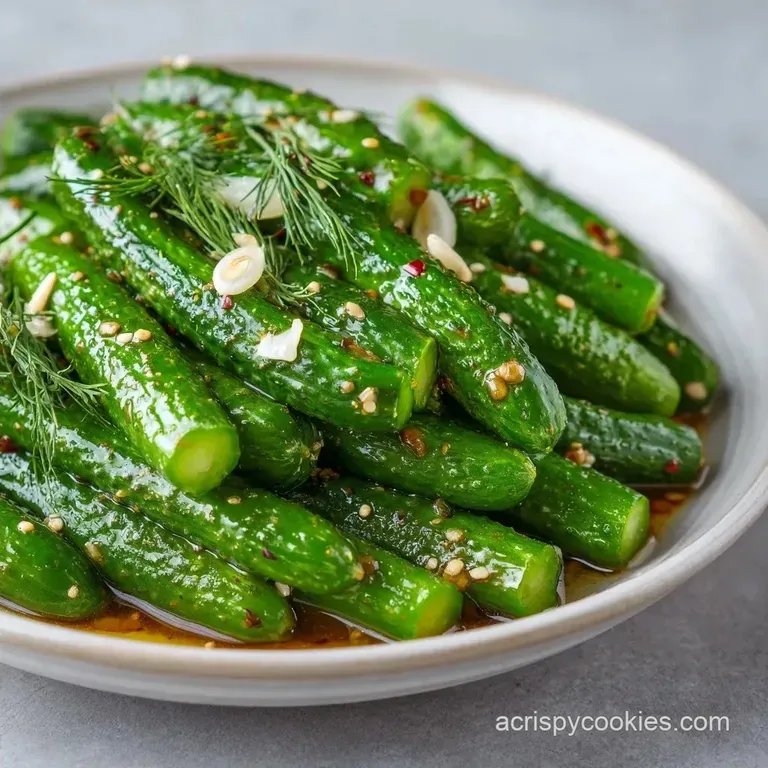
- Time: 20 min active + 48 hours chilling
- Flavor/Texture Hook: Shatter crisp texture with a sharp garlic bite
- Perfect for: Burger nights, deli style sandwiches, or high protein snacking
- The Secret to the Snap
- Timing and Yield Details
- Ingredient Breakdown and Logic
- The Gear You Need
- Step-by-Step Brining Process
- Fixing Common Pickle Problems
- Swapping Ingredients for Diet
- Adjusting the Batch Size
- Pickle Truths
- Storage and Waste Tips
- Serving Your Cold Pickles
- Critical Sodium Level
- Recipe FAQs
- 📝 Recipe Card
That loud, satisfying crack when you bite into a cold pickle is everything. If it doesn't sound like a twig snapping, it's not a real dill pickle. For a long time, I thought you needed some industrial secret or a massive vat of salt to get that store-bought crunch at home, but it really comes down to temperature and timing.
Most homemade versions end up a bit too soft because people over process them or use the wrong cucumbers. I've spent way too much time analyzing the brine and the crunch factor of various brands to realize that the refrigeration process is where the magic happens.
You aren't just preserving the veg, you're curing the texture.
By following this method, you can make Claussen Pickles that actually compete with the refrigerated section. We're talking about a bright, acidic profile that cuts through a fatty burger and a texture that stays firm for weeks.
Trust me, once you see how easy the cold brine method is, you'll never go back to the shelf stable jars.
The Secret to the Snap
The biggest mistake people make is thinking that "cooking" the pickles is part of the process. In this recipe, the brine is heated only to dissolve the solids, not to cook the cucumbers. When you pour that hot liquid over the spears and immediately move them to the fridge, you create a thermal shock that helps maintain the structural integrity of the vegetable. This is how we get those Dill Pickles recipe that don't bend when you hold them.
Another big deal is the blossom end. There is an enzyme in the blossom end of a cucumber called pectinase that breaks down pectin, which is what keeps the vegetable crisp. If you leave that little nub on, the enzyme spreads and turns your pickle into a soggy mess. According to Serious Eats, removing this end is non negotiable if you want a long lasting crunch.
But why the 48 hour wait? It's all about osmosis. The salt and vinegar need time to penetrate the dense cell walls of a Kirby cucumber. If you eat them after four hours, they'll taste like salty cucumbers. After two days, they taste like professional grade Claussen Pickles.
Comparison: Fast vs Classic
| Feature | 24 Hour Quick Pickles | Classic 48 Hour Method |
|---|---|---|
| Texture | Firm but slightly pliable | Shatter crisp snap |
| Garlic Depth | Surface level | Deeply infused |
| Vinegar Punch | Sharp and immediate | Balanced and integrated |
Timing and Yield Details
This project is a low effort, high reward game. You spend about 20 minutes in the kitchen, and then you just wait. The total time is essentially two days, but the active work is minimal.
- Active Prep: 20 minutes
- Brine Cooking: 5 minutes
- Infusion Time: 48 hours
- Yield: 20 servings (approx. 4 pint jars)
Ingredient Breakdown and Logic
The balance of salt and acidity is what creates that specific "refrigerator" taste. We use a high concentration of kosher salt and distilled white vinegar to mimic the sharp, clean profile of the original.
- - Salt Draw
- Kosher salt pulls water out of the cucumbers, creating space for the vinegar to enter.
- - Acidity Lock
- White vinegar lowers the pH quickly, preventing softening and adding that signature tang.
- - Cold Cure
- Chilling the jars slows down any remaining enzymatic activity, preserving the "snap."
Component Analysis
| Ingredient | Science Role | Pro Secret |
|---|---|---|
| Kirby Cucumber | Structural Base | Must be small and firm; avoid English cukes |
| Distilled Vinegar | Acidifier | Use 5% acidity for the correct tang |
| Kosher Salt | Osmotic Agent | Avoid table salt to prevent cloudiness |
| Fresh Dill | Flavor aromatic | Keep stems included for more depth |
The Gear You Need
You don't need a canning kit for this. Since these are refrigerator pickles, we don't need to worry about vacuum sealing or water baths. A few basic tools will do the trick.
First, get wide mouth pint jars. Narrow jars make it a nightmare to pack the cucumbers tightly, and air gaps are the enemy of a good soak. You want the spears pressed firmly against each other so they don't float.
A medium stainless steel saucepan is best for the brine. Avoid aluminum pots, as the high acidity of the vinegar can react with the metal and leave a weird metallic taste in your Claussen Pickles. A sharp chef's knife is also a must to get those clean, thick spears.
Step-by-step Brining Process
Follow these steps closely. The timing of the brine pour is the most important part of the whole process.
- Wash the cucumbers thoroughly and slice them into thick spears. Note: Slice off the blossom end first to stop the pectinase enzyme from softening the pickle.
- Divide and pack the thinly sliced garlic, fresh dill sprigs, and mustard seeds evenly across the bottom of four wide mouth pint jars.
- In a medium saucepan, combine the distilled white vinegar, filtered water, kosher salt, cane sugar, and black peppercorns.
- Bring the brine mixture to a light simmer until the salt and sugar are completely dissolved, then remove from heat immediately.
- Tightly pack the cucumber spears into the jars, pressing down firmly to eliminate large air gaps.
- Pour the hot brine over the cucumbers, leaving approximately 1/2 inch of headspace at the top of each jar.
- Seal the lids tightly and allow the jars to sit at room temperature until the glass is cool to the touch.
- Transfer jars to the refrigerator and chill for 48 hours to allow flavors to infuse and reach peak crunch.
Chef's Note: When packing the spears, don't be afraid to push. If the cucumbers are loose, they will float to the top and the exposed parts won't pickle, leaving you with soft spots.
Fixing Common Pickle Problems
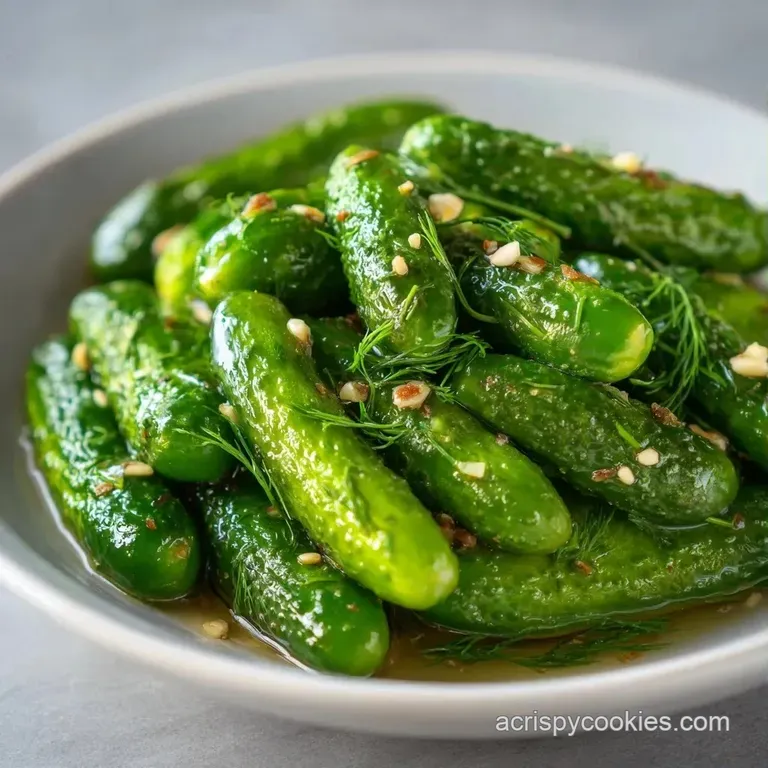
Even with a simple recipe, things can go sideways. Usually, it's a temperature or ingredient issue.
Dealing with Softness
If your pickles are bending instead of snapping, it's usually because the blossom end was left on or the brine was too hot when it sat for too long. High heat for extended periods breaks down the cell walls.
Brine Cloudiness Issues
Cloudy brine is often caused by the type of salt used. Table salt contains anti caking agents that don't dissolve cleanly. Using a pure salt like Diamond Crystal or Morton's Kosher salt, as recommended by King Arthur Baking, keeps the liquid clear.
Salt Balance Problems
If the result is too salty, you might have used a fine salt in a volume meant for coarse kosher salt. Fine salt is denser, so a 1/2 cup of it is much more salt by weight than 1/2 cup of coarse salt.
| Problem | Root Cause | Solution |
|---|---|---|
| Soggy Texture | Blossom end left on | Trim 1/8 inch off the blossom end |
| Cloudy Liquid | Table salt used | Switch to coarse kosher salt |
| Dull Flavor | Not chilled long enough | Wait the full 48 hours |
The Crunch Checklist
- ✓ Blossom ends removed
- ✓ Used Kirby/Persian cucumbers
- ✓ Brine simmered, not boiled
- ✓ Chilled for full 48 hours
Swapping Ingredients for Diet
You can tweak this recipe to fit your needs, but be careful not to mess with the salt to vinegar ratio too much, or you'll lose that Claussen Pickles identity.
| Original Ingredient | Substitute | Why It Works |
|---|---|---|
| Cane Sugar (1 tbsp) | Stevia or Erythritol | Maintains balance without calories. Note: Won't affect texture. |
| Distilled White Vinegar | Apple Cider Vinegar | Adds a fruitier, milder tang. Note: Changes the color to a darker yellow. |
| Kosher Salt | Sea Salt | Similar mineral profile. Note: Ensure it's coarse grain. |
If you need something even faster and don't have two days, you might prefer my quick garlic fridge pickles, though they won't have the same deep cure snap.
Adjusting the Batch Size
Scaling these is pretty straightforward, but you can't just double everything blindly, especially the salt.
Scaling Down (Half Batch): Use 1 lb of cucumbers and 1 cup of vinegar. Use 2 garlic cloves and 2 sprigs of dill. Reduce the brine simmering time slightly as smaller volumes heat up faster.
Scaling Up (Double or Triple Batch): When doubling, increase the salt and spices to only 1.5x the original amount. Too much salt in a large batch can overpower the dill. Work in batches when packing the jars to ensure you don't overheat the brine while waiting to fill the fourth or fifth jar.
Decision Shortcut:
- If you want a milder taste → Add an extra sprig of dill.
- If you want a sharper bite → Increase vinegar by 1/4 cup and reduce water by 1/4 cup.
- If you want a spicy kick → Add 1 sliced jalapeño per jar.
Pickle Truths
There are a few things people always ask that just aren't true. Let's clear them up.
Boiling the cucumbers doesn't "seal" them. In fact, boiling them makes them soft. The heat should only be applied to the brine to dissolve the salt and sugar.
You can't use English cucumbers. Those long, plastic wrapped ones are bred to have thinner skins and more water. They will never achieve the shatter crunch of a Kirby cucumber, regardless of how much salt you use.
Storage and Waste Tips
These Claussen Pickles will stay crisp in the fridge for about 4 to 6 weeks. Keep them tightly sealed to prevent the vinegar from absorbing other fridge smells (like that leftover onion in the back).
Do not freeze these. Freezing ruins the cell structure of the cucumber, and they will turn into mush the second they thaw.
Zero Waste Tips: Don't throw away the leftover brine! It's essentially a salty, garlicky acid. You can use it as a marinade for grilled chicken or splash a bit into a potato salad for a professional level tang.
If you have leftover dill stems, chop them finely and toss them into a compound butter for steak.
Serving Your Cold Pickles
The best way to enjoy these is straight from the jar, ice cold. The cold temperature enhances the perception of the "snap."
For a real deli experience, slice them into long spears and serve them alongside a hot pastrami sandwich. The contrast between the hot meat and the freezing, vinegary Claussen Pickles is the whole point. They also work brilliantly on a charcuterie board with sharp cheddar and spicy salami.
If you're using them for burgers, pat the spears dry with a paper towel before adding them to the bun. This prevents the brine from soaking into the bread and making your burger soggy. Trust me, that one small step makes the sandwich.
Critical Sodium Level
2925 mg 2,925 mg of sodium per serving (127% 127% of daily value)
The American Heart Association recommends a daily sodium limit of 2,300 mg, with an ideal limit of 1,500 mg for most adults to reduce cardiovascular risk.
Strategies to Reduce Sodium in Your Pickles
-
Reduce Kosher Salt-30%
The primary sodium source is the kosher salt; reducing this quantity by half or using a low-sodium pickling method will drastically lower the sodium count.
-
Use Salt Substitutes-20%
Substitute a portion of the kosher salt with a potassium-based salt alternative to maintain the brining effect with less sodium.
-
Increase Acidity-10%
Increase the amount of distilled white vinegar or add lemon juice to enhance the 'tang' and compensate for the reduction in salt.
-
Amplify Fresh Aromatics
Increase the amount of fresh dill and garlic to provide a bolder flavor profile that distracts from the lower salt content.
Recipe FAQs
How to make copycat Claussen pickles?
Pack Kirby or Persian cucumber spears into jars with garlic, fresh dill, and mustard seeds. Pour over a simmered brine of distilled white vinegar, water, kosher salt, cane sugar, and peppercorns, then chill for 48 hours.
What kind of pickles does Claussen use?
Kirby or Persian cucumbers are the primary choice. These varieties provide the firm texture and thick skins necessary to maintain a snap after brining.
How does Claussen make their pickles so crunchy?
Slice off the blossom end of the cucumber before packing. This removes the pectinase enzyme that otherwise breaks down the cell walls and softens the pickle.
Why do Claussen pickles taste different?
They are refrigerated pickles rather than shelf-stable canned ones. By avoiding the high-heat bottling process, they retain a fresher, brighter flavor profile.
Do homemade dill pickles in vinegar need to be refrigerated?
Yes, these must stay in the fridge. Because they are not heat-processed for long-term shelf storage, refrigeration is required to prevent spoilage.
How to make simple dill pickles?
Combine distilled white vinegar, water, salt, and sugar in a saucepan and bring to a light simmer. Pour the hot liquid over cucumbers, garlic, and dill, then seal and chill. If you prefer a sugar-forward profile, see how we adapt the brine for sweet refrigerator pickles.
How to make sweet pickles without canning?
Increase the amount of cane sugar and reduce the salt in your brine. Pack the cucumbers into jars and store them directly in the refrigerator to avoid the canning process.
Claussen Pickles: Crispy and Garlicky