Kirby Cucumber Fridge Pickles: Extra Crunchy
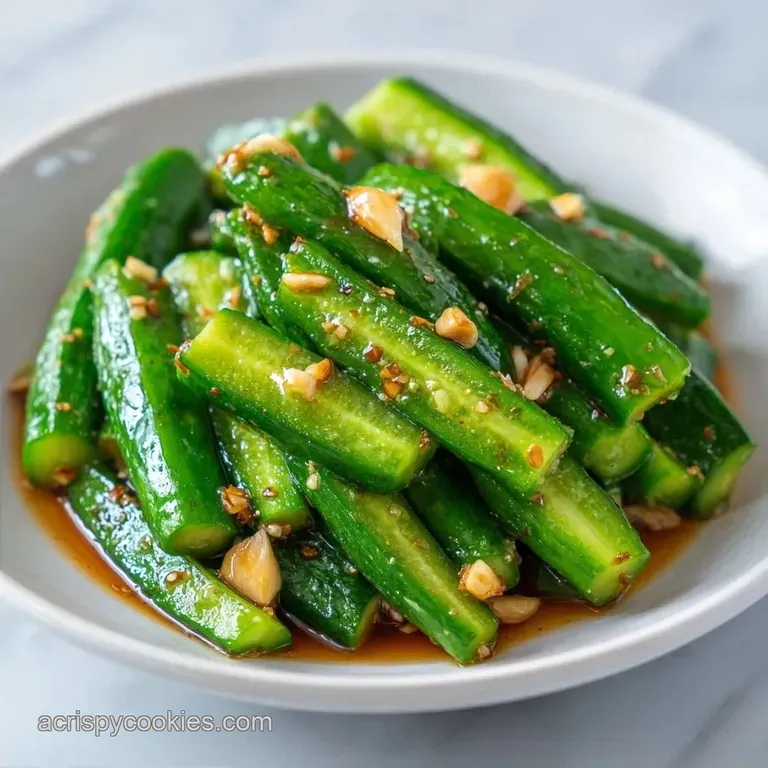
- Time: 15 min active + 24 hours chilling
- Flavor/Texture Hook: Sharp, vinegary snap with a garlic punch
- Perfect for: Sandwich toppers, charcuterie boards, or a low calorie snack
- Crispy Cucumber Fridge Pickles That Actually Snap
- Why These Pickles Stay Crunchy
- What Each Ingredient Adds
- The Gear You'll Need
- Step by Step Pickling Process
- Fixing Soft or Bland Pickles
- Fun Flavor Swaps to Try
- Keeping Your Jars Fresh
- Serving Suggestions and Pairings
- High in Sodium
- Recipe FAQs
- 📝 Recipe Card
Crispy Cucumber Fridge Pickles That Actually Snap
That sharp, vinegary scent hits you the second you pop the lid. I used to think you needed a giant boiling vat and a PhD in food safety to get a decent pickle. Most people tell you that "real" pickles have to be canned in a water bath or fermented for weeks in a salty brine. Forget that.
You don't need the heavy equipment to get that restaurant style crunch.
The truth is that the refrigerator does most of the hard work for you. By keeping the temperature low, we stop the cucumbers from breaking down, which keeps them from turning into mush. These Cucumber Fridge Pickles are all about the contrast between the cold temperature and the heat from the red pepper flakes.
You can expect a pickle that tastes clean and bright. We're not going for that heavy, syrupy preserved taste here. Instead, we're focusing on a crisp Kirby cucumber that tastes like it was picked this morning and dressed up in a zesty brine.
Why These Pickles Stay Crunchy
- The Blossom End: Cutting off the flower end removes enzymes that naturally soften the vegetable.
- Rapid Cooling: Moving the jars to the fridge after a short room temp rest locks in the structure.
- Vinegar Ratio: A balanced acid to water ratio prevents the cucumbers from becoming overly pickled and soft.
| Method | Time | Texture | Best For |
|---|---|---|---|
| Quick Fridge | 24 hours | Very Crispy | Fresh snacks |
| Traditional Canning | Weeks | Softer/Denser | Long term storage |
| Salt Brining | 2-4 Weeks | Fermented/Tangy | Probiotic needs |
What Each Ingredient Adds
| Ingredient | What It Does | Best Swap |
|---|---|---|
| Kirby Cucumber | Provides the snap | Persian Cucumbers |
| Distilled Vinegar | Adds the acid bite | Apple Cider Vinegar |
| Kosher Salt | Draws out water | Sea Salt |
| Fresh Dill | Gives the classic herb hit | Dried Dill Weed |
The Gear You'll Need
You don't need a professional kitchen for this. A medium saucepan is enough to heat the brine. Two clean pint sized glass jars are the standard here. If you use plastic, the vinegar can sometimes leach flavors or stain the container, so stick to glass.
A sharp chef's knife or a mandoline helps get those 1/4 inch rounds consistent, which means they all pickle at the same rate.
Step by step Pickling Process
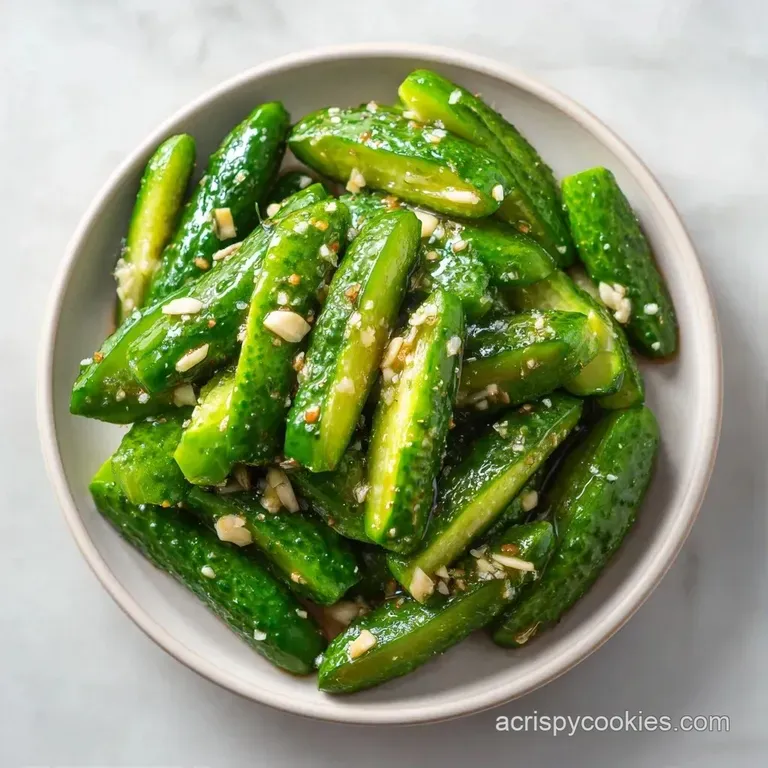
- Wash the cucumbers thoroughly. Slice the blossom end off and cut the cucumbers into 1/4 inch rounds or spears. Note: The blossom end contains enzymes that make pickles soft.
- Pack them tightly into two clean pint jars, leaving 1/2 inch of headspace.
- Distribute the smashed garlic, chopped dill, peppercorns, and mustard seeds evenly between the two jars. Tuck them into the gaps between the cucumber slices.
- Combine the water, vinegar, salt, and sugar in a saucepan.
- Bring to a simmer over medium heat, stirring until the salt and sugar have completely dissolved.
- Remove from heat immediately. Wait until the brine is just bubbling, not boiling violently.
- Pour the hot brine over the cucumbers until completely submerged.
- Tap the jars gently on the counter to release air bubbles.
- Seal tightly and let sit at room temperature for 30 minutes.
- Transfer the jars to the refrigerator and chill for 24 hours before serving.
Fixing Soft or Bland Pickles
It's a bit frustrating when you wait a full day only to find your pickles are limp. This usually happens because of the cucumber variety. If you use a standard English cucumber, the skin is too thin and the water content is too high. They'll soften almost instantly.
Why Your Pickles Are Mushy
Usually, this is caused by using the wrong cucumber or overheating the brine. If the liquid is boiling when it hits the veg, it starts cooking them.
| Problem | Root Cause | Solution |
|---|---|---|
| Soft Texture | Wrong cucumber variety | Use Kirby or Persian |
| Dull Flavor | Not enough salt/acid | Increase vinegar by 2 tbsp |
| Cloudy Brine | Impure water | Use filtered water |
Why Your Pickles Lack Punch
If they taste like salty water, you might have skipped the 24 hour wait. The brine needs time to penetrate the center of the slice. For a more aggressive flavor, try my Quick Garlic Fridge Pickles which lean heavier on the aromatics.
Fun Flavor Swaps to Try
I love treating this as a base recipe. You can easily pivot the profile depending on what's in your pantry. If you want a bit of a sweet and sour vibe, increase the sugar to 2 tablespoons. It won't be a dessert, but it balances the vinegar.
Adding a Spicy Kick
For more heat, double the red pepper flakes or toss in a sliced jalapeño. The heat infuses slowly, so it takes about 48 hours for the spice to really settle in.
Creating a "Sweet & Heat" Profile
Combine a bit of honey with the red pepper flakes. This creates a glaze like quality in the brine that's great for burgers. If you prefer something purely sweet, these Sweet Fridge Pickles are the way to go.
Reducing the Sodium
You can swap the kosher salt for a potassium based salt substitute, but be careful. Some substitutes have a metallic aftertaste. A better bet is to reduce the salt by 25% and add a squeeze of lemon juice to maintain the brightness.
| If you want... | Do this... |
|---|---|
| Extra Crunch | Add a grape leaf to the jar |
| More Depth | Use apple cider vinegar |
| Faster Result | Slice cucumbers thinner |
Keeping Your Jars Fresh
These Cucumber Fridge Pickles aren't canned, so they won't last for years. Keep them in the fridge. They stay peak crisp for about 3 to 4 weeks. After that, they're still safe to eat, but the texture starts to fade.
Do not freeze these. Freezing destroys the cellular structure of the cucumber, and you'll end up with a watery mess once they thaw.
As for zero waste, don't toss the leftover brine. It's basically a seasoned vinegar. I use it as a marinade for grilled chicken or whisk it into a vinaigrette for a cold potato salad. If you have cucumber peels left over, toss them into a compost bin or use them to infuse a quick vinegar wash for other vegetables.
Serving Suggestions and Pairings
Right then, the best way to eat these is straight from the jar. But if you're hosting, they're a lifesaver on a charcuterie board. The acidity cuts through the fat of a creamy brie or a salty salami.
I also love chopping them up and mixing them into a tuna salad. The crunch replaces the need for celery and adds a punch of acidity that wakes up the whole dish. Since we used Kirby Cucumber Fridge Pickles, the spears hold their shape perfectly in a burger, providing a structural snap that sliced pickles just can't match.
One last tip: let them sit for 5 minutes after taking them out of the fridge. It allows the flavors to open up slightly, making the garlic and dill more prominent. Trust me on this, it makes a difference.
High in Sodium
966 mg 966 mg of sodium per serving (42% 42% of daily value)
The American Heart Association recommends a daily limit of 2,300mg of sodium to maintain heart health and lower blood pressure.
Tips to Reduce Sodium
-
Reduce Kosher Salt-25%
Cut the kosher salt in half or use a potassium based salt substitute to significantly decrease the sodium content.
-
Increase Acidity-10%
Slightly increase the white distilled vinegar or add a squeeze of fresh lemon juice to provide a sharp tang that compensates for less salt.
-
Enhance Aromatics-5%
Double the amount of smashed garlic or add more mustard seeds to create a bolder flavor profile without adding extra sodium.
-
Maximize Fresh Herbs
Use additional fresh dill and black peppercorns to add brightness and complexity to the brine.
Recipe FAQs
What are the best cucumbers for refrigerator pickles?
Kirby cucumbers are the best choice. Their thick skins and firm flesh prevent them from becoming mushy, ensuring a crunchier result.
Do homemade dill pickles in vinegar need to be refrigerated?
Yes, they must be kept chilled. Because these are not processed in a water bath for canning, refrigeration is required to keep them safe and crisp.
How long do homemade pickled cucumbers last?
Keep them for 4 to 6 weeks. Store the sealed jars in the refrigerator to maintain the best texture and flavor profile.
How to make pickled cucumbers with vinegar?
Simmer water, vinegar, salt, and sugar in a saucepan until dissolved. Pour this hot brine over packed cucumbers and aromatics, then chill for 24 hours.
How to make sweet pickles without canning?
Combine vinegar and sugar into a brine and pour it over sliced cucumbers. This refrigeration method provides a fresher taste, similar to the approach used in our red pepper pickles.
How to make a fresh cucumber taste like it has been pickled?
Toss sliced cucumbers with vinegar, salt, and sugar. Let the mixture marinate for 30 minutes at room temperature before chilling for a fast acting pickled flavor.
Is it true that you can leave the blossom end on the cucumber?
No, this is a common misconception. The blossom end contains enzymes that make pickles soft, so always slice it off to ensure a crisp bite.
Cucumber Fridge Pickles