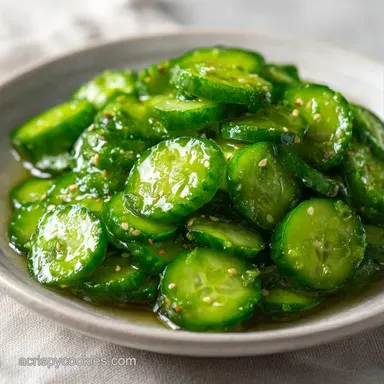
Persian Cucumber Pickles: Crisp and Tangy
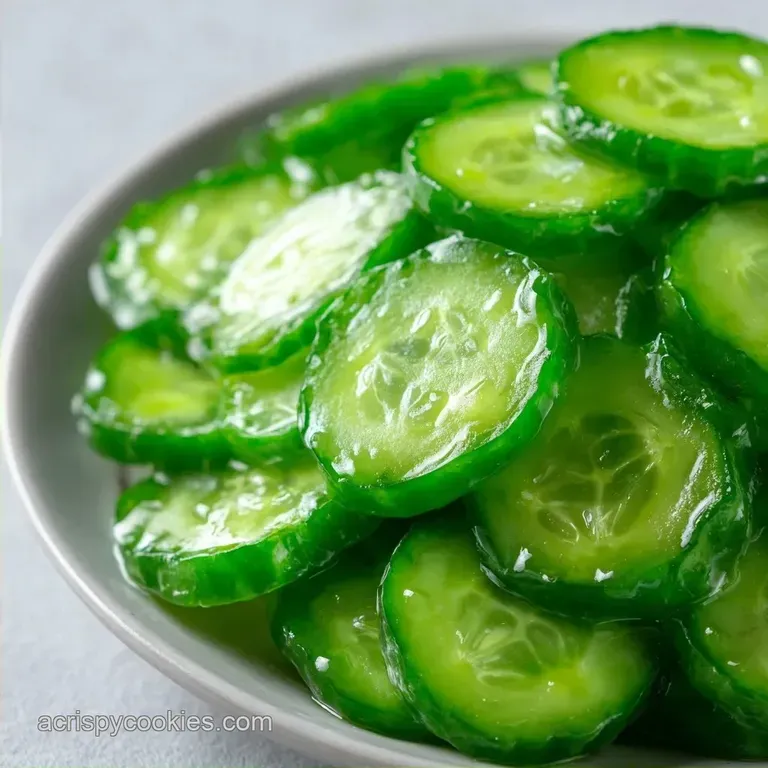
- Time: 10 min active + 1 hour 40 mins chilling
- Flavor/Texture Hook: Tangy, sharp, and a loud, satisfying snap
- Perfect for: Sandwich toppers, charcuterie boards, or a quick palate cleanser
- The Trick for a Better Snap
- What Each Ingredient Does
- What Goes in the Jar
- Kitchen Tools for the Job
- Steps to the Final Crunch
- Avoiding Common Pickling Blunders
- Flavor Variations and Substitutions
- Adjusting Batch Sizes
- Pickling Misconceptions
- Storage and Zero Waste Guide
- Best Ways to Serve
- Recipe FAQs
- 📝 Recipe Card
Snap. That's the sound I'm chasing every time I make a batch of these. I used to just throw sliced cucumbers into vinegar and hope for the best, but they always turned out like soggy sponges after a day. It's frustrating when you want that restaurant style crunch but end up with something limp.
The real shift happened when I stopped treating the cucumbers like passive ingredients and started treating them like something that needs to be "prepped" for the brine. By using the smaller, thinner skinned Persian variety, you avoid the watery seeds that usually ruin a quick pickle.
You can expect a sharp, vinegary bite balanced by a hint of sugar and the warmth of red chili flakes. Making Persian Cucumber Pickles isn't about complex chemistry, it's about timing and moisture control.
The Trick for a Better Snap
The Salt Draw: Coating the slices in salt for 20 minutes pulls out excess water. This makes the cell walls tighter, so they don't collapse when they hit the vinegar.
Brine Temp: Letting the liquid cool for a few minutes prevents the heat from "cooking" the cucumber. If you pour boiling brine over them, you're basically blanching them, which kills the crunch.
| Approach | Prep Time | Texture | Best For |
|---|---|---|---|
| Salt Drawn | 30 mins | Shatter crisp | Long term fridge storage |
| Quick Soak | 5 mins | Soft/Pliable | Eating within 2 hours |
What Each Ingredient Does
| Ingredient | What It Does | Best Swap |
|---|---|---|
| Persian Cucumbers | Provides a dense, seedless base | English cucumbers (slice thinner) |
| White Vinegar | Adds acidity and preserves | Apple cider vinegar (milder taste) |
| Kosher Salt | Draws out water/balances saltiness | Sea salt (use slightly less) |
| Garlic | Adds a pungent, aromatic layer | Garlic powder (not recommended) |
What Goes in the Jar
- 1 lb Persian cucumbers, sliced into 1/8 inch rounds Why this? Thinner skin means no peeling needed
- 1 tbsp Kosher salt Why this? Coarse grains draw moisture more evenly
- 1 cup white vinegar (5% acidity) Why this? Clean, sharp acidity
- 1 cup filtered water Why this? Prevents chlorine taste from tap
- 1 tbsp granulated sugar Why this? Cuts the harshness of the vinegar
- 1 tbsp sea salt Why this? Pure salt for the brine
- 4 cloves garlic, smashed Why this? Smashed releases more oils than minced
- 1 tsp black peppercorns Why this? Slow release woody heat
- 1/2 tsp red chili flakes Why this? Adds a subtle, tingling back end heat
Kitchen Tools for the Job
You don't need a professional lab for this. A sturdy colander is the most important tool here to let the cucumbers drain. I use a medium stainless steel saucepan for the brine and a wide mouth glass mason jar for packing.
A sharp chef's knife or a mandoline helps get those 1/8 inch rounds consistent, which ensures they all pickle at the same rate.
Steps to the Final Crunch
- Place the sliced Persian cucumbers in a colander and sprinkle evenly with 1 tbsp Kosher salt. Toss gently to coat and let sit for 20–30 minutes until you see beads of water on the surface.
- Rinse the cucumbers quickly under cold water for about 10 seconds to remove excess surface salt and pat dry with a towel. Note: Don't skip the drying, or the brine will be diluted.
- In a small saucepan, combine white vinegar, water, sugar, sea salt, smashed garlic, peppercorns, and chili flakes.
- Bring the brine mixture to a simmer over medium heat, stirring occasionally until sugar and salt are completely dissolved. This usually takes about 5 minutes.
- Remove the brine from heat and allow it to cool for 5–10 minutes.
- Pack the rinsed cucumbers tightly into a glass jar, pressing down firmly to eliminate air pockets.
- Pour the cooled brine over the cucumbers until they are completely submerged.
- Seal the jar and refrigerate for at least 1 hour, though 24 hours is where the flavor really peaks.
Chef's Note: If you're using these for a party, make them 48 hours in advance. The garlic needs time to mellow and penetrate the center of the cucumber slices.
Avoiding Common Pickling Blunders
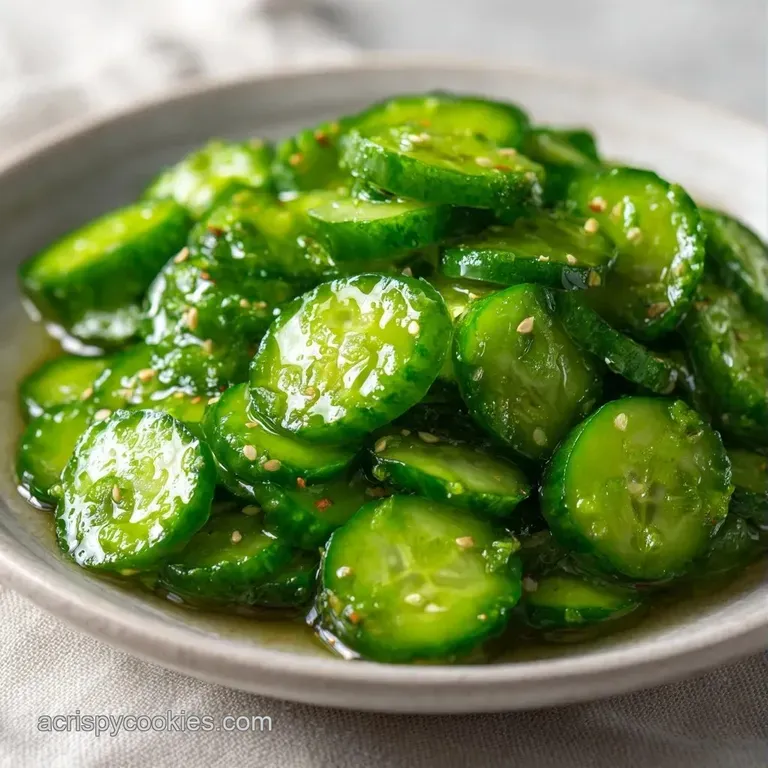
If your pickles come out soft, it's usually because the salt draw was skipped or the brine was too hot. The structure of the cucumber depends on the pectin staying intact. According to Serious Eats, managing the interaction between salt and water is what keeps the cell walls rigid.
Why Your Pickles Feel Mushy
This happens when the cucumbers release too much water into the brine, diluting the acid. If you don't rinse the salt off properly, they can also become overly shrunken.
| Problem | Root Cause | Solution |
|---|---|---|
| Soft Texture | Brine poured while boiling | Cool brine for 10 mins first |
| Overly Salty | Inadequate rinsing | Rinse in cold water for 10s |
| Cloudy Brine | Impure water or old garlic | Use filtered water |
Why the Flavor is Too Mild
If you don't pack the cucumbers tightly, air pockets form. These pockets prevent the brine from making full contact with the vegetable, leaving some slices tasting like plain cucumbers.
How to Fix Brine Imbalance
If the vinegar is too sharp, you can stir in an extra teaspoon of sugar after the brine has cooled. It doesn't ruin the batch; it just rounds out the edges.
Flavor Variations and Substitutions
For those who want a different vibe, these Persian Cucumber Pickles are a great base. If you're looking for something with a more traditional garden feel, you might prefer homemade garlic dill pickles by adding fresh dill sprigs and swapping the chili flakes for mustard seeds.
The "Spicy Middle Eastern" Twist: Add a pinch of sumac and a sliver of fresh ginger to the brine for a more complex, tart profile.
The sugar-free Swap: Replace granulated sugar with a pinch of stevia or just omit it. The pickles will be much more aggressive and sour, which is great for cutting through fatty meats.
The Low Sodium Swap: Use half the sea salt in the brine. Note: they will only stay crisp for about a week instead of several.
| Original Ingredient | Substitute | Why It Works |
|---|---|---|
| White Vinegar | Rice Vinegar | Milder, sweeter taste. Note: Less punchy |
| Red Chili Flakes | Sliced Jalapeño | Fresh heat. Note: Adds a "grassy" flavor |
| Garlic Cloves | Shallots | Sweeter, more nuanced. Note: Less pungent |
Decision Shortcut:
- If you want maximum crunch → Salt draw for 30 mins.
- If you're in a huge rush → Skip salt draw, eat within 3 hours.
- If you hate "vinegary" taste → Use rice vinegar and double the sugar.
Adjusting Batch Sizes
When I make a double batch of Persian Cucumber Pickles, I don't just double everything. I find that doubling the garlic and chili flakes can make the brine too overpowering. I usually increase the aromatics by only 1.5x while keeping the vinegar and water at a full 2x ratio.
For a half batch, use a smaller jar to ensure the cucumbers stay submerged. If there's too much headspace in the jar, the top layer of cucumbers will oxidize and lose their bright green color. If you're slicing by hand and find it takes too long, a mandoline is the way to go for larger quantities.
Pickling Misconceptions
One big myth is that you need to boil the cucumbers to make them "safe." For fridge pickles, boiling actually ruins the texture. You only need to boil the brine to dissolve the solids.
Another misconception is that more vinegar equals a longer shelf life. While acid preserves, the refrigeration does the heavy lifting here. Too much vinegar just makes them taste like cleaning fluid.
Storage and Zero Waste Guide
Keep these in a sealed glass jar in the fridge for up to 3 weeks. Once you open the jar, use a clean fork to grab them. Introducing bacteria from your fingers will make the brine cloudy and shorten the life of the batch.
Don't toss the leftover brine! It's basically a seasoned vinegar. I use it as a marinade for grilled chicken or drizzle it over a cold potato salad to add a zingy contrast. If you have leftover cucumber ends that were too small to slice, toss them into the jar anyway; they'll be the most flavorful bites in the bunch.
Best Ways to Serve
I love serving these on a platter with feta cheese and kalamata olives. The sharp acidity of the Persian Cucumber Pickles cuts right through the creaminess of the cheese. They also work brilliantly as a side for a spicy burger or inside a wrap with hummus and roasted red peppers.
For a modern touch, slice them even thinner and pile them on top of a poke bowl to add a refreshing, acidic crunch.
Recipe FAQs
Are Persian cucumbers good for making pickles?
Yes, they are ideal. Their thin skins and small seeds ensure a crunchier texture and better brine absorption than standard cucumbers.
How to make pickles with Persian cucumbers?
Salt sliced cucumbers for 30 minutes, rinse, and pack into jars. Pour over a simmered brine of white vinegar, water, sugar, sea salt, garlic, peppercorns, and chili flakes, then refrigerate.
How to instantly pickle cucumber?
Use a hot brine and refrigerate for at least one hour. For an even faster result, you can use the method in my quick pickles recipe.
What makes Persian cucumbers different from regular ones?
They have thinner skins and fewer seeds. This means you don't have to peel them, and they stay significantly crispier when pickled.
How long do homemade pickled cucumbers last?
Up to 3 weeks in the refrigerator. Keep them in a sealed glass jar and use a clean fork to avoid introducing bacteria that cloud the brine.
Do homemade vinegar pickles need to be refrigerated?
Yes, these must stay chilled. Because they are not processed in a boiling water bath for long term canning, refrigeration prevents spoilage.
Is it true that all pickles must be fermented for weeks to be authentic?
No, this is a common misconception. Quick pickles use vinegar for immediate preservation and tang, whereas fermented pickles rely on a slower lactic acid process.
Persian Cucumber Pickles